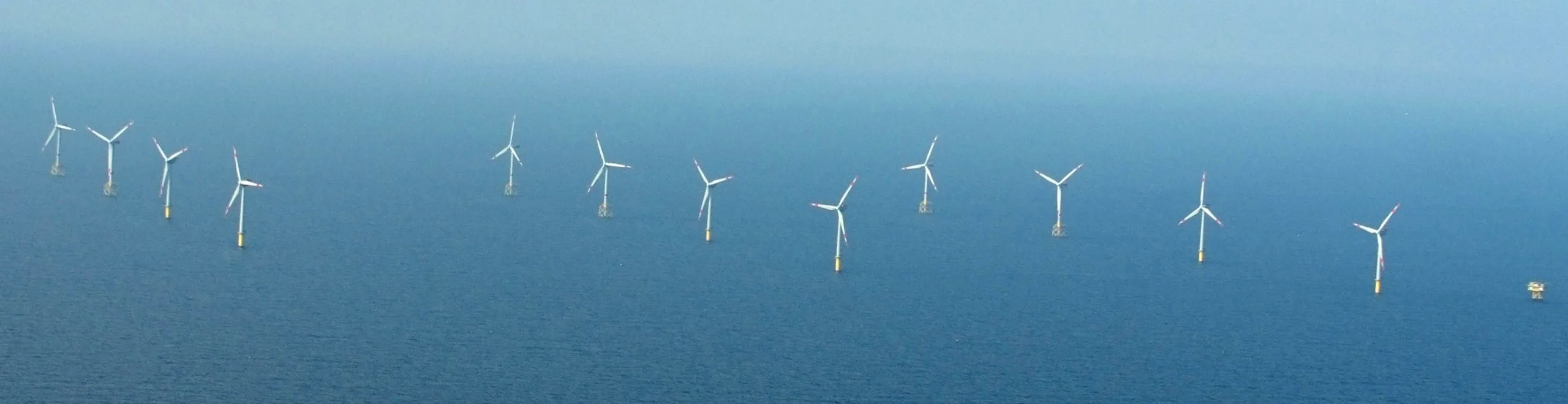
- Ocean Breeze Energy has agreed to acquire the 60 MW Alpha Ventus offshore wind farm — Germany’s first — from EWE, RWE and Vattenfall, with closing expected in the fourth quarter of 2026.
- The buyer, owned by Macquarie Asset Management funds, plans to keep the 12-turbine project running beyond its originally intended 20-year lifespan, drawing on a decade of experience operating legacy turbine technology at the neighboring BARD Offshore 1 farm.
- The deal spotlights the choice now facing Europe’s first generation of offshore wind farms: decommission, repower, or hand the assets to a specialist willing to run them longer.
Germany’s first offshore wind farm is changing hands. Ocean Breeze Energy has agreed to acquire the 60 MW Alpha Ventus project in the German North Sea from its current owners — EWE, RWE and Vattenfall — with plans to operate the pioneering wind farm beyond its originally intended 20-year service life, Offshore Engineer reported on October 2, 2026.
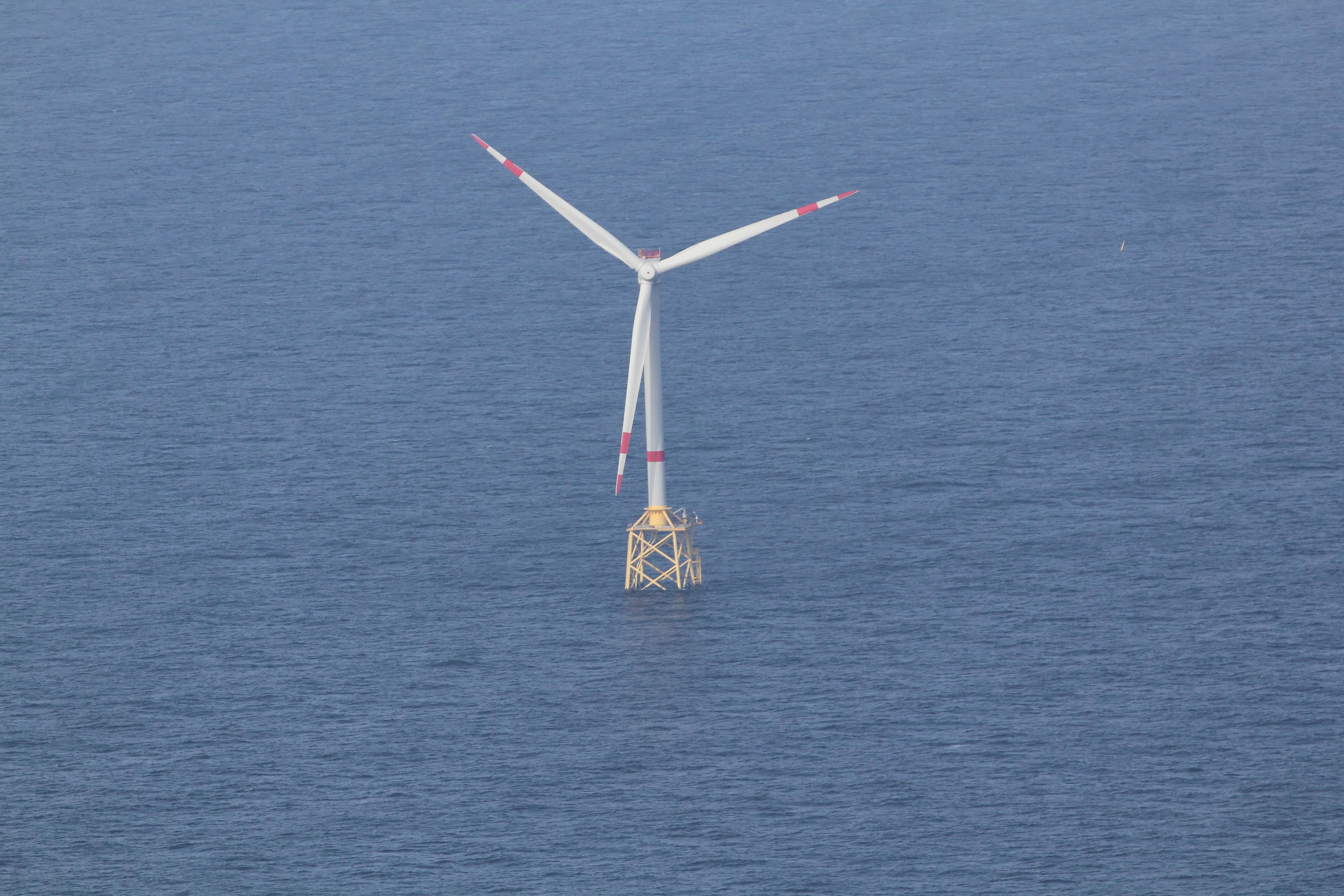
The agreement was announced on October 1, and the transaction is expected to close in the fourth quarter of 2026. Financial terms were not disclosed. Located about 45 kilometers north of Borkum, Alpha Ventus was commissioned in 2010 with 12 turbines and served as Germany’s demonstration and testing platform for offshore wind technology, foundations, construction and maintenance practices.
A pioneer reaches the end of its planned life
Alpha Ventus was built as a joint venture through the operating company Deutsche Offshore-Testfeld und Infrastruktur (DOTI), with EWE holding 47.5% and RWE and Vattenfall holding 26.25% each, according to Baltic Wind. For the three utilities, the project’s purpose was always experimental: prove that offshore wind could work in German waters, and learn how to build and maintain it.
That mission is complete. “As Germany’s first offshore wind farm, alpha ventus played a key role. The project was a unique testing ground and learning environment for technologies, operational and maintenance concepts, and the development of offshore expertise,” said Jantje Bolduan, offshore manager at EWE. The operating experience gathered there has shaped Germany’s now-substantial offshore wind sector.
For Ocean Breeze, however, the project’s value is commercial rather than experimental. The company owns and operates BARD Offshore 1, the neighboring 400 MW wind farm with 80 turbines — Germany’s first commercial offshore wind project — and is wholly owned by funds managed by Macquarie Asset Management.
The life-extension bet
Ocean Breeze’s pitch is that keeping old turbines spinning can pay. “With BARD Offshore 1 we have over ten years of experience in the management of offshore wind farms with a legacy turbine technology, and we see considerable potential for the economically viable continued operation of Alpha Ventus,” said Jean Huby, managing director of Ocean Breeze Energy. “We want to continue the success story of Alpha Ventus and make maximum use of the potential of this pioneering project to make a positive contribution to the energy transition and climate neutrality.”
The logic rests on three advantages: a decade of hands-on experience with discontinued turbine technology — spare parts and maintenance for out-of-production machines are a specialist’s game; operational synergies with the neighboring BARD site, including shared vessels, crews and logistics; and the company’s own technical solutions for extending asset life.
Why it matters: decommission, repower, or keep going
Alpha Ventus is a small project by today’s standards — 60 MW against the gigawatt-scale farms now being built — but its sale points to a question that a growing number of owners will face, as Baltic Wind notes: as Europe’s first offshore wind farms approach the end of their planned 20-to-25-year lifespans, do you decommission, repower, or keep operating?
Decommissioning is expensive — removing foundations and subsea cables from the North Sea costs tens of millions per project — and repowering requires fresh permits, new grid agreements and major capital. A specialist operator taking over a first-generation site offers a third path: squeeze more years of revenue from infrastructure that is already built and grid-connected, at a time when Europe needs every megawatt of clean generation it can get.
The math is straightforward to sketch even without the undisclosed price tag. A 60 MW wind farm that keeps producing at a reasonable capacity factor earns revenue every year it stays online, while decommissioning would cost the seller money and repowering would demand a full redevelopment cycle. For a buyer whose core skill is keeping aging turbines alive cheaply — shared crews, pooled spares, proven maintenance routines across neighboring sites — the spread between operating cost and power revenue is the business. Macquarie’s backing suggests institutional capital sees that spread as real.
If Ocean Breeze makes the economics work at Alpha Ventus, expect the model to spread. The Baltic Sea is a younger offshore market than the North Sea, but its older farms, built in the 2000s and early 2010s, will reach the same decision point in the coming years — and the North Sea’s much larger first-generation fleet is not far behind.
What to watch next
The immediate milestone is closing, expected before year-end. After that, the interesting questions are operational: what a life-extension program actually costs for 16-year-old turbines, how regulators certify continued operation, and whether the project earns its keep on market revenue or through some form of contracted offtake.
Also worth watching is the permitting angle. Extending an existing farm’s life is a very different regulatory conversation from permitting a new one — shorter timelines, familiar stakeholders, known environmental baselines. If Alpha Ventus navigates life-extension certification smoothly, it becomes the reference case that dozens of offshore wind farms will study this decade, and the template that specialist operators will pitch to other aging assets across the North and Baltic Seas.