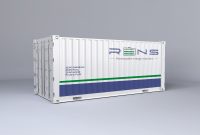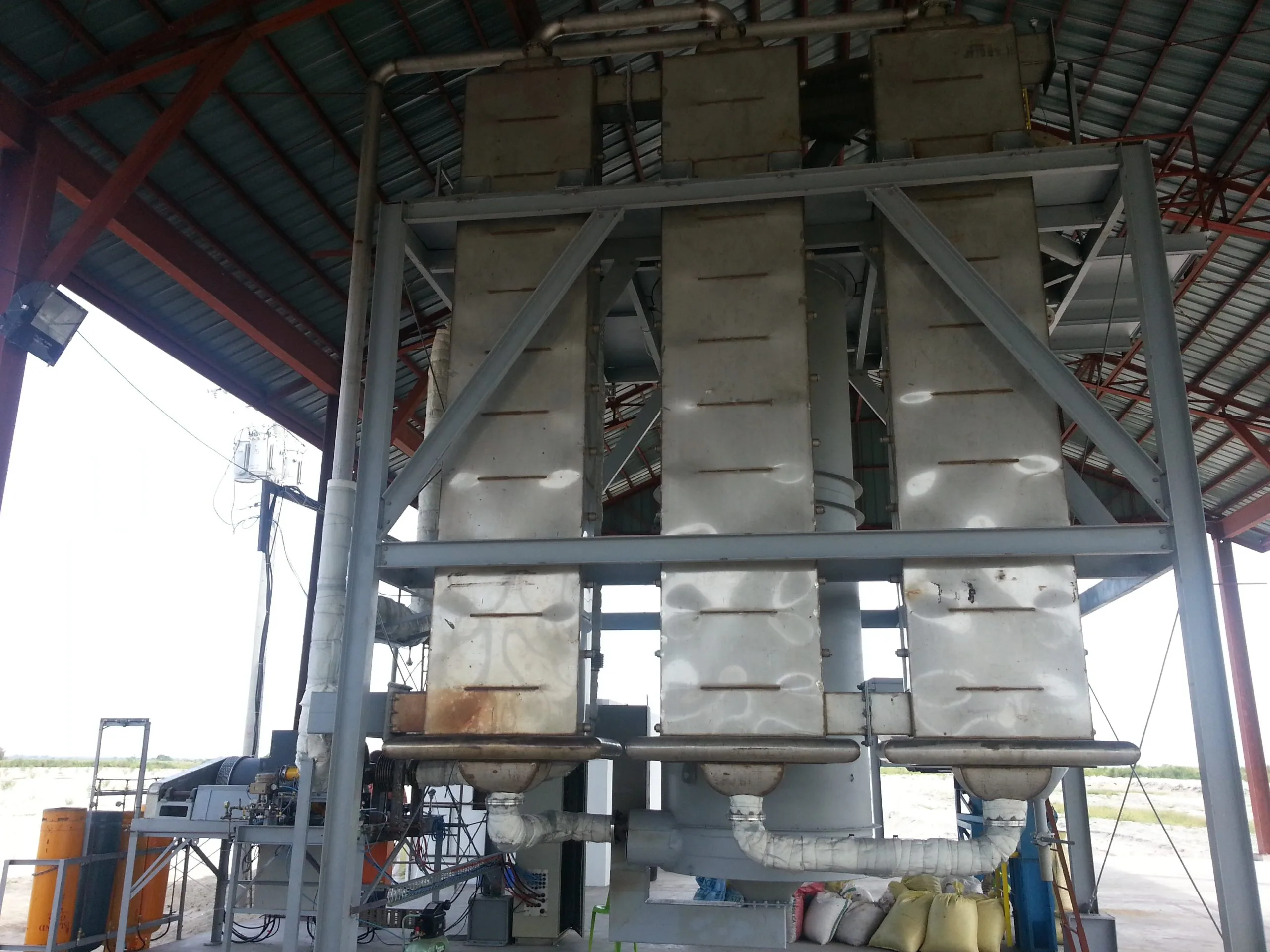
- China Huadian’s 100 MW / 1,000 MWh compressed-carbon-dioxide energy storage plant in Mori County, Xinjiang, connected to the grid on October 2, 2026 — the first project of its kind at this scale.
- The closed-loop system stores off-peak electricity by compressing CO₂ into liquid form, then expands it back to gas to drive generators — with minute-level response and more than six hours of continuous output.
- At 200 million kWh of annual generation, the project is expected to save 50,000 tons of standard coal and cut 170,000 tons of CO₂ emissions per year, while demonstrating a long-duration storage option that needs no special geology.
China has connected the world’s first 100-megawatt-class compressed carbon dioxide energy storage facility to the grid, marking the commercial debut of a technology that could reshape how grids store electricity for hours at a time. The project, developed by China Huadian in Mori Kazakh Autonomous County in northwest China’s Xinjiang Uygur Autonomous Region, went online on Friday, October 2, according to Qazinform citing CGTN.
The 100 MW / 1,000 MWh facility sits in the Gobi Desert on a site covering more than 840 mu — roughly 138 acres — and is configured with five gas storage chambers, 141 liquid storage units and 97 thermal storage units, The Battery Magazine reports. Its commissioning was covered by CCTV News, which described the installation as a giant “power bank” standing on the Gobi.
How it works: a closed loop between gas and liquid
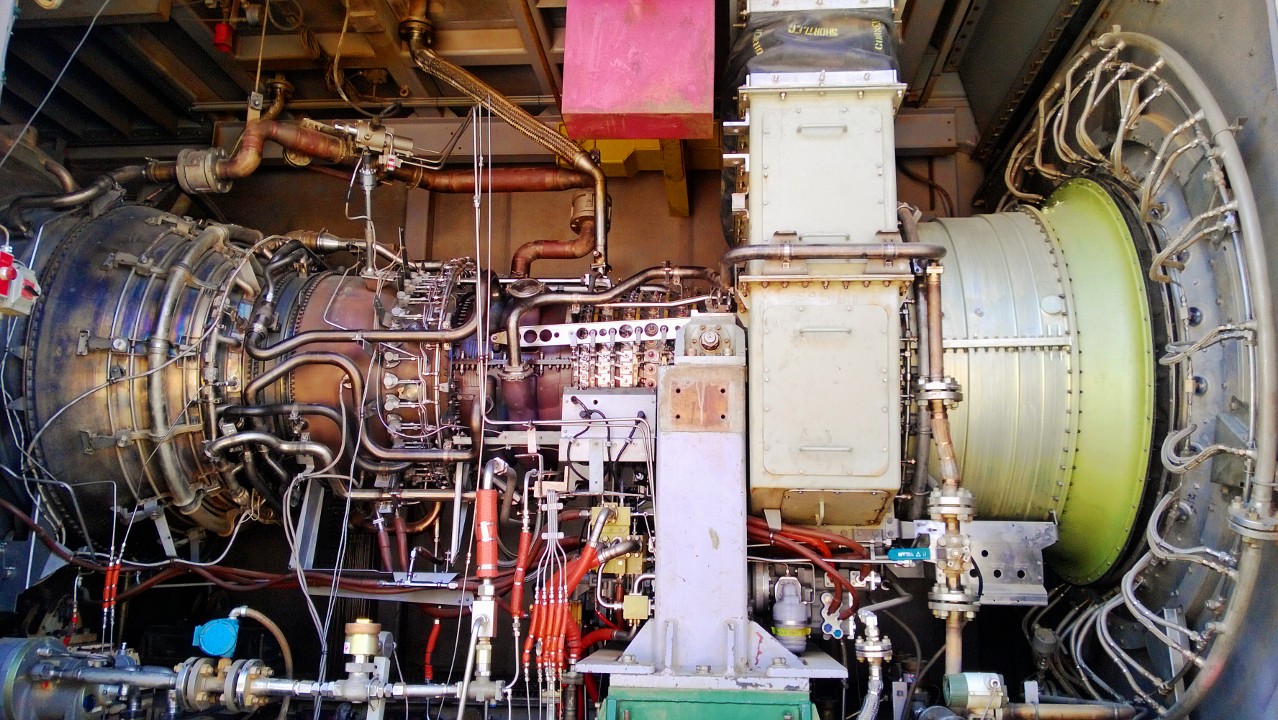
The plant functions as a massive grid-scale battery with carbon dioxide as its working medium. During off-peak hours, surplus electricity powers compressors that squeeze CO₂ gas, generating heat that is captured and stored in the thermal units. The compressed gas is then converted into liquid form and held in the liquid storage vessels.
When electricity demand rises, the process reverses: the liquid CO₂ is vaporized and expanded back into gas, which drives generators and releases electricity into the grid. The system comprises gas storage, liquid storage, compression, thermal storage, heat exchange and expansion power-generation units, with a gas-liquid two-phase storage process enabling energy to be stored by converting CO₂ between its gaseous and liquid states.
Crucially, the technology runs in a closed loop. Unlike conventional pumped-hydro and compressed-air energy storage systems, it does not require mountains, underground caverns or other specific geological features to install — a constraint that has historically limited where large-scale, long-duration storage can be built.
The numbers behind the project
- Capacity: 100 MW of power, 1,000 MWh of storage
- Annual cycling: around 290 million kWh stored during off-peak hours, roughly 180 million kWh discharged during peak periods
- Annual generation: approximately 200 million kWh expected at full operation
- Duration: more than six hours of continuous power generation, with response times measured in minutes
- Climate impact: about 50,000 tons of standard coal saved and 170,000 tons of CO₂ emissions avoided per year
“Compressed carbon dioxide has a higher energy density and offers numerous advantages, including high efficiency, low cost, high safety and zero pollution,” said Ma Guojiang, the project’s leader. He added that the unit’s designed efficiency makes it “the most efficient carbon dioxide power generation unit in China today.”
Why it matters: the race beyond the four-hour battery
Lithium-ion batteries now dominate grid storage, but they are most economical at durations of up to about four hours — evening peak shaving, essentially. Grids absorbing ever-larger shares of wind and solar need storage that can ride through longer lulls: overnight, multi-day weather gaps, and the morning-evening ramps that strain thermal fleets.
That longer-duration niche is fiercely contested. Pumped hydro still provides the bulk of the world’s long-duration storage, but suitable sites are scarce and permitting is slow. Compressed-air storage needs salt caverns or similar geology. Flow batteries, thermal storage and gravity systems each have their own trade-offs. A closed-loop CO₂ system that can be sited almost anywhere — if its economics hold — would fill one of the most stubborn gaps in the storage toolkit.
Siting flexibility is the quiet advantage here. Storage that needs no special geology can be built where the renewable surplus actually is — in this case, the wind- and solar-rich northwest — rather than where the mountains or caverns happen to be. That shortens the distance between generation and storage, cutting transmission needs and letting a single asset serve peak shaving, valley filling and frequency regulation from one location.
The project’s selection for the fourth batch of the National Energy Administration’s first-of-its-kind major technical equipment list in the energy sector signals that Beijing sees strategic value here. Its stated missions — grid peak shaving, valley filling, and frequency and voltage regulation — are exactly the flexibility services China’s rapidly growing wind and solar fleet demands, particularly in the northwest where renewable output often outruns local demand.
What to watch next
Grid connection is a milestone, not a finish line. The next evidence that matters will be operational: round-trip efficiency in sustained cycling, availability across seasons in the Gobi’s temperature extremes, and actual cost per megawatt-hour against lithium-ion and pumped hydro benchmarks.
Also worth tracking is how the project team reports performance. First-of-a-kind plants often run conservatively in their first year while operators build confidence in the equipment; the ramp profile from commissioning to full commercial dispatch will say a lot about the technology’s maturity. Watch for a second wave of projects too — a single demonstration proves engineering; a pipeline proves economics. If China Huadian or other developers announce follow-on CO₂ storage plants, the technology will have crossed from experiment to product category.