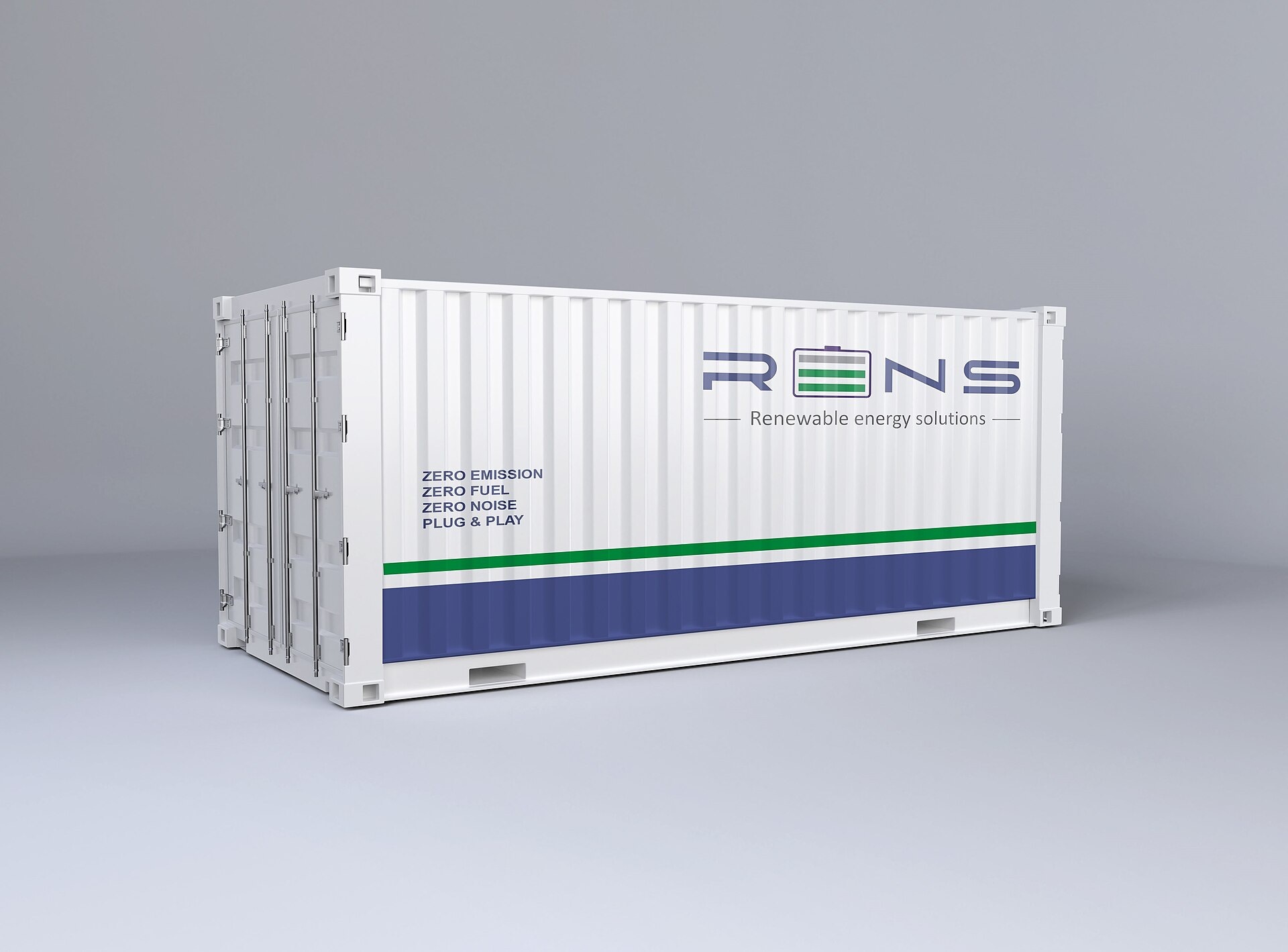
- Northland Power’s 80 MW / 160 MWh Jurassic Battery Energy Storage System reached commercial operation on September 29, becoming Alberta’s largest battery storage facility.
- The project was delivered ahead of schedule and under budget, with zero lost-time incidents across nearly 75,000 hours of construction.
- A 15-year offtake agreement covering 100% of capacity locks in long-term contracted cash flows — the kind of revenue certainty that makes storage bankable.
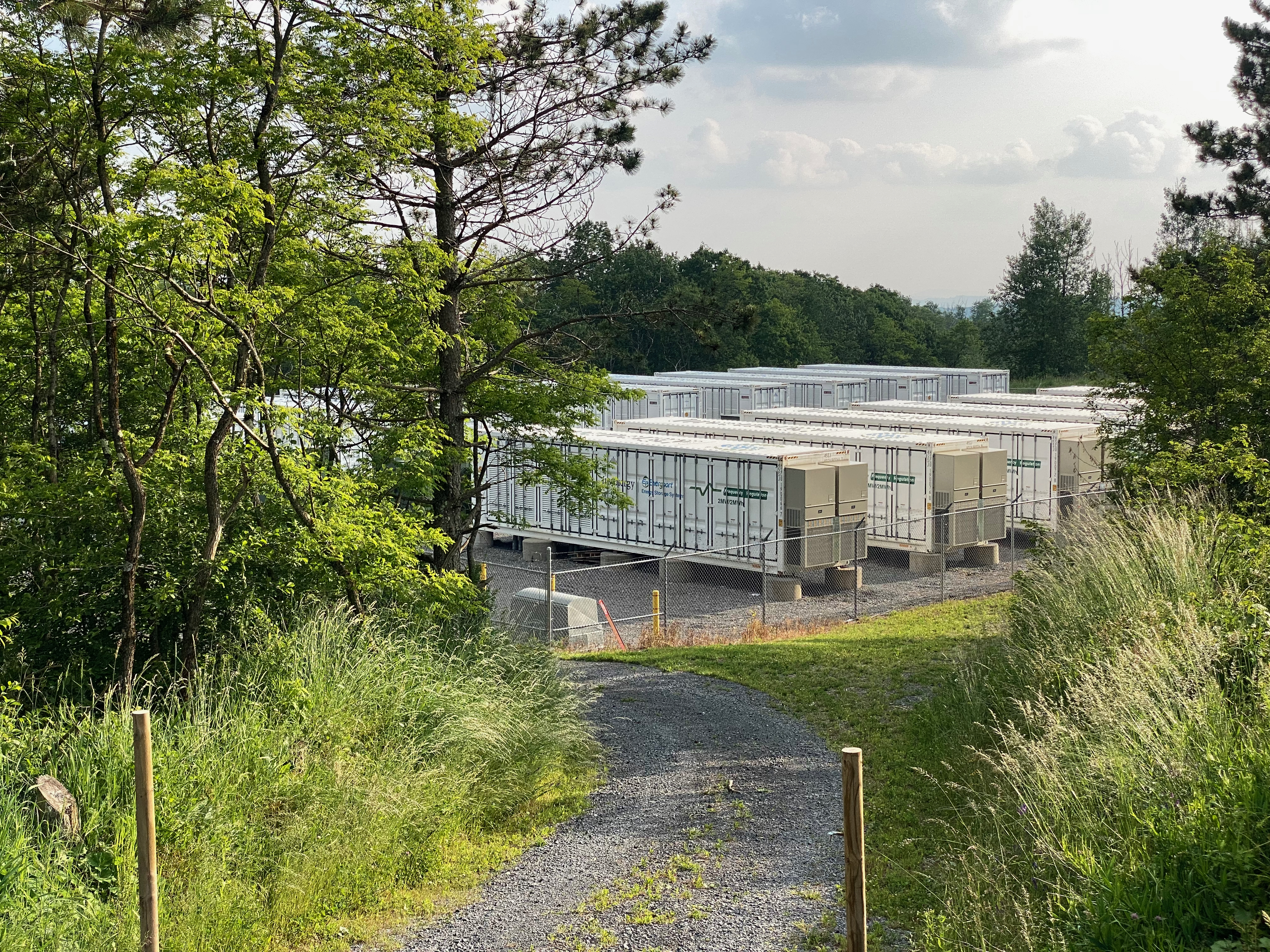
Alberta’s power grid has a reputation for drama — price spikes, winter cold snaps, and one of the most volatile electricity markets in North America. On September 29, the province got a meaningful new tool for smoothing the chaos: the Jurassic Battery Energy Storage System, an 80 MW / 160 MWh facility that Northland Power brought into commercial operation, making it Alberta’s largest battery storage asset.
The two-hour battery was delivered ahead of schedule and under budget — a sentence that appears in so many press releases it usually reads as decoration, but which lands differently when paired with a construction record of zero lost-time incidents across nearly 75,000 hours worked.
The economics that made it happen
The headline for infrastructure watchers isn’t the megawatts; it’s the contract. The Jurassic BESS is backed by a 15-year offtake agreement covering 100% of its capacity, giving Northland long-term contracted cash flows from day one. That structure — a battery with its revenue substantially de-risked before it ever discharges — is exactly what storage project finance has been converging on globally, and it’s why an 80 MW project in Alberta could clear investment committee in a market famous for merchant risk.
Storage economics have also been transformed by the collapse in battery prices. Lithium-ion cell prices fell through 2024 and 2025 to levels that made 2-hour batteries pencil out in markets that couldn’t have supported them a few years earlier. Jurassic is part of the wave of projects that became viable not because of breakthroughs in chemistry, but because the chemistry got cheap enough. The engineering achievement here is execution, not invention — and as Energy Global reported, Northland is framing it precisely that way: a milestone in its project delivery track record.
“Achieving commercial operations at Jurassic BESS demonstrates Northland’s ability to consistently deliver energy infrastructure safely, efficiently, and as planned. Jurassic BESS highlights our exceptional project execution and multi-technology capabilities and operations across electricity generation and storage.” — Christine Healy, President and Chief Executive Officer of Northland Power
Why Alberta needs it
Alberta’s grid is an energy-only market: generators are paid for the electricity they produce, not for capacity they hold in reserve. That design produces spectacular price volatility — wholesale prices can swing from near zero to the C$999/MWh cap within a single day — and it makes flexible assets like batteries disproportionately valuable. An 80 MW battery in that market can arbitrage the spread: charging when wind is flooding the grid at night, discharging into the evening peak.
The province has also been adding wind and solar at a rapid clip, and storage is the technology that turns those variable resources from a grid-management headache into firm, dispatchable power. Two hours of duration won’t carry Alberta through a week-long winter high-pressure system — that’s a job for longer-duration storage still in its commercial infancy — but it covers the daily evening ramp, which is where most of the economic value in storage currently sits.
Northland’s storage portfolio takes shape
Jurassic is Northland’s second storage project, and its successful delivery feeds directly into the company’s growth narrative. Northland owns, in whole or in part, 3.6 GW of gross operating generating capacity, has 2.4 GW under construction, and carries a development pipeline of roughly 8 GW across offshore wind, onshore renewables, battery storage, and natural gas-fired generation. Storage gives a company like Northland a way to extract more value from its existing renewable assets — firming its own wind and solar output rather than selling raw electrons into volatile markets.
The company behind the project has been building energy infrastructure for nearly four decades, with offices in seven countries and shares trading on the Toronto Stock Exchange since 1997. That history matters in storage, where the gap between a signed offtake and a working asset is filled with procurement, permitting, grid interconnection, and commissioning — each a chance for the schedule to slip. Jurassic’s delivery, ahead of schedule and under budget with no lost-time injuries, is the kind of evidence lenders and offtakers actually price into the next project’s cost of capital. In a sector where execution track record is quietly becoming the defining competitive advantage, Northland just added a strong data point.
The project also lands at a moment when Canada’s grid-scale storage market is accelerating. Ontario has been procuring gigawatts of storage through competitive processes, and Alberta’s energy-only market — paradoxically — rewards the assets most capable of thriving on volatility. The first developer to prove that large batteries can be built on time and on budget in Canadian conditions gets a meaningful head start on the pipeline behind it.
What comes next
The questions worth tracking are operational rather than technical. How the 15-year offtake is structured — whether it covers capacity payments, energy arbitrage, ancillary services, or some combination — will determine the project’s actual revenue profile, though Northland hasn’t disclosed those details. The battery’s cycling regime and degradation curve over the first years of operation will show whether the commercial assumptions hold.
Beyond Jurassic itself, the larger story is Alberta’s storage queue. At 80 MW, Jurassic is the province’s largest battery today, but that title has a short expected shelf life: storage pipelines across North America are deep, and Alberta’s price volatility is an open invitation. The province that spent a decade debating whether batteries belonged on its grid now has its answer operating at commercial scale — ahead of schedule, under budget, and fully contracted.