- CBAK Energy signed an investment agreement with the Nanjing Gaochun Economic Development Zone for a project adding 12 GWh of annual cell capacity, focused on large cylindrical sodium-ion cells.
- The new lines will be designed to run either sodium-ion or lithium-ion chemistry, with the final choice driven by customer demand and market conditions.
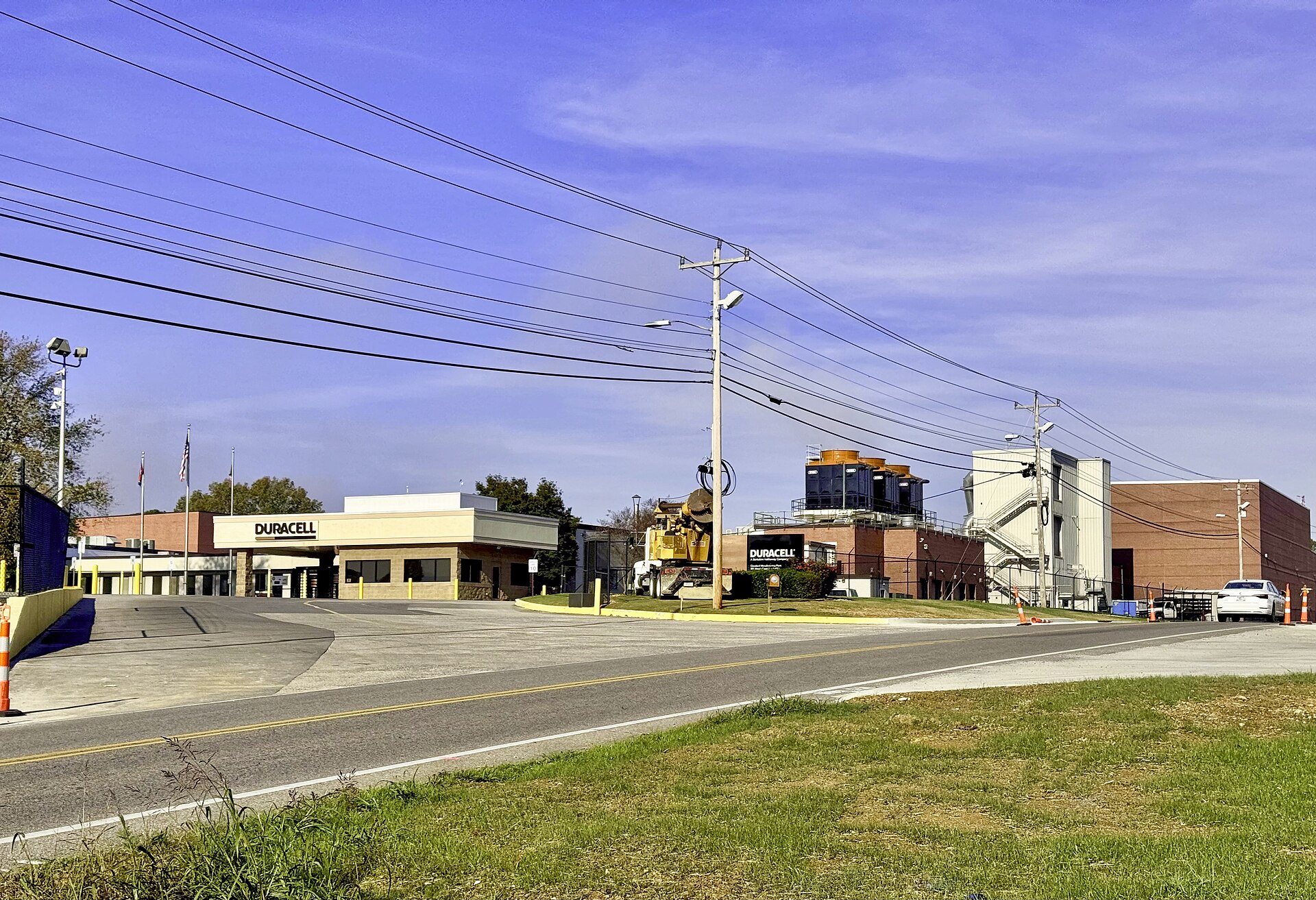
- A separate 6 GWh expansion at CBAK’s existing Nanjing plant is targeted for completion by the end of 2026, lifting that site to 10.5 GWh.
Sodium-ion batteries spent years as the technology that would always arrive “next.” Lithium was too expensive, the story went — and then lithium prices collapsed, and the urgency evaporated. But behind the headline price swings, sodium-ion kept maturing quietly, and 2026 is shaping up as the year the chemistry graduates from pilot projects to real factory floor.
The latest signal comes from CBAK Energy Technology Limited (NASDAQ: CBAT), which announced on September 24 that it has signed an investment agreement with the Nanjing Gaochun Economic Development Zone for the research, development, and manufacture of large cylindrical sodium-ion battery cells and integrated battery systems in Nanjing, Jiangsu Province. The project would add 12 gigawatt-hours of annual cell production capacity.
The plan, with caveats
As with any pre-construction announcement, the details worth noting include the contingencies. CBAK plans to advance the 12 GWh project in the second half of 2027, explicitly subject to securing financing. Development would proceed in phases based on financing availability, customer demand, and project readiness. None of the revenue estimates — RMB4.8 to 5.0 billion annually at full capacity for the 12 GWh project, at current lithium-ion cell market prices — represents contracted sales, and the company says so plainly in the release’s forward-looking statements section.
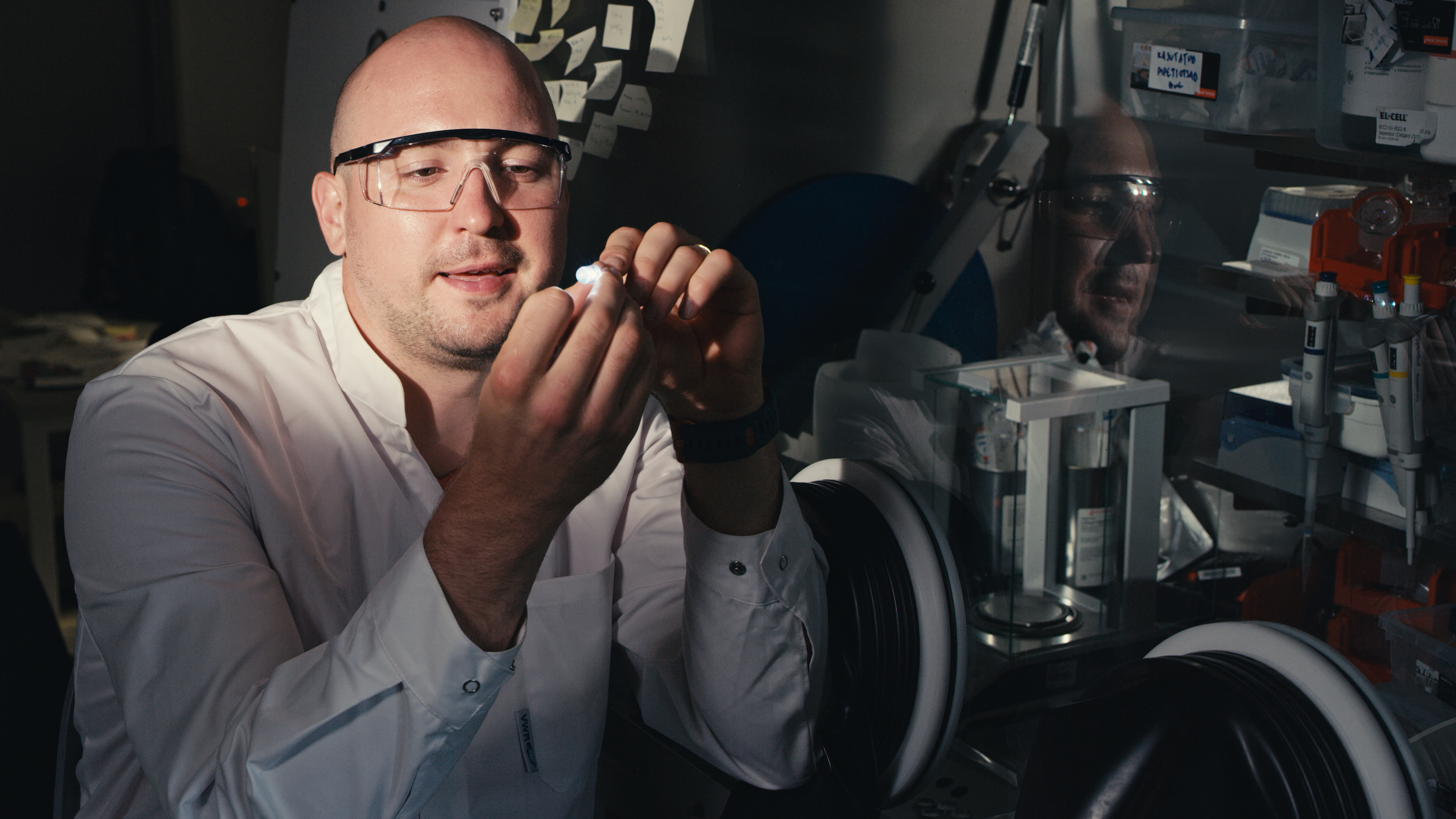
The more interesting feature is the dual-chemistry design. The production lines will be built to manufacture large cylindrical cells in either sodium-ion or lithium-ion chemistry, and CBAK will decide which to run based on market conditions and customer demand. That hedge says something honest about where sodium-ion stands: promising enough to build for, uncertain enough not to bet the line on.
Why sodium-ion, why now
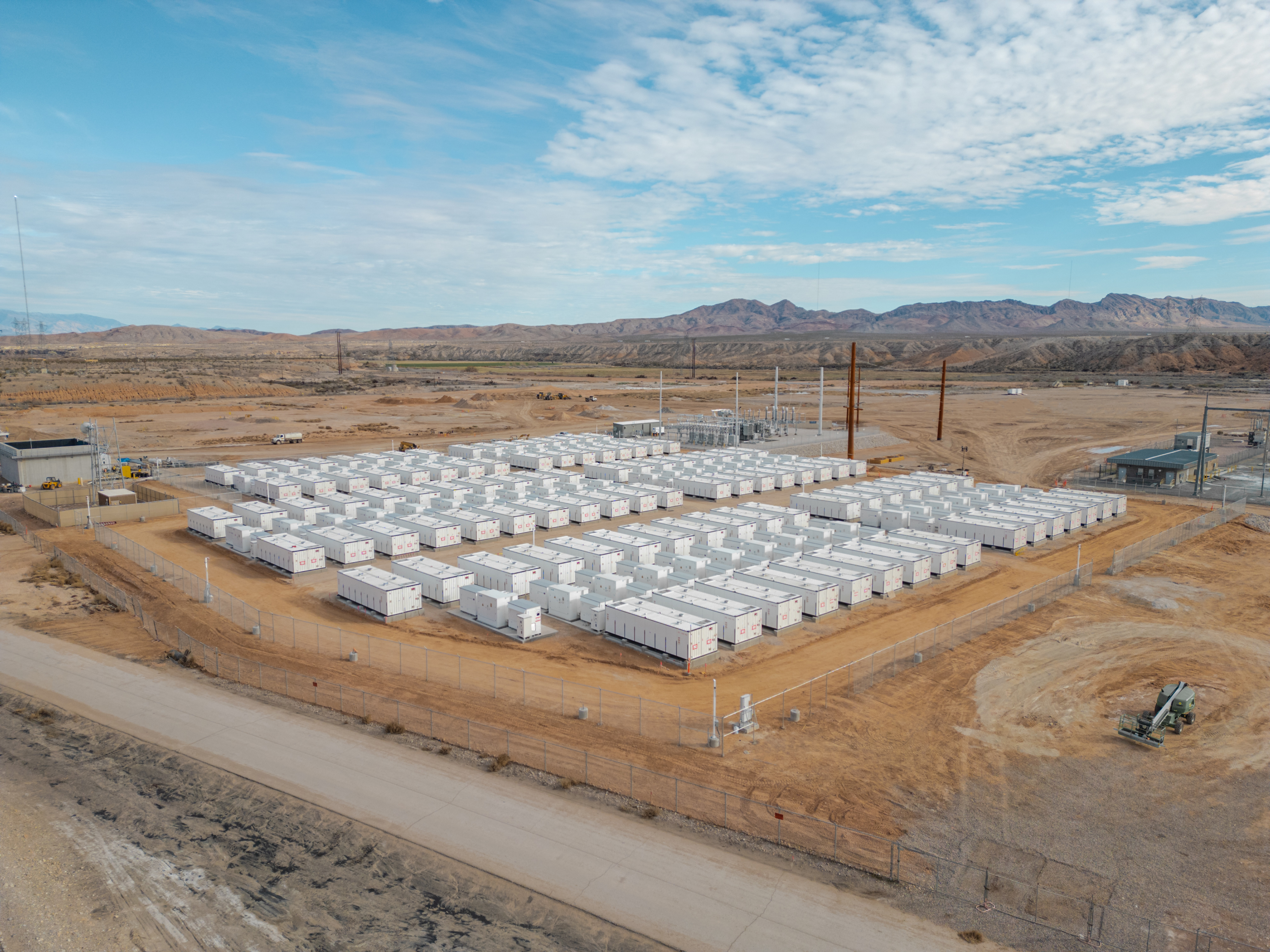
Sodium-ion’s pitch has always been resource economics. Sodium is roughly a thousand times more abundant than lithium in the Earth’s crust, and it can be extracted from seawater or common salt deposits — no lithium brine operations, no cobalt, no nickel in many formulations. For stationary energy storage, where weight matters less than cost and longevity, the chemistry is a natural fit.
The momentum in 2026 is tangible. Industry coverage of CBAK’s progress notes that customers are already testing the company’s sodium-ion cell samples across residential and portable energy storage, electric mobility, specialty vehicles, start-stop systems, and backup power. Earlier this year, Australia connected its first grid-connected sodium-sulfur battery — a cousin technology also built on abundant sodium — to the National Electricity Market. CBAK’s 12 GWh commitment slots into a pattern that now looks less like experimentation and more like industrialization.
“The 6 GWh expansion would more than double annual cell capacity at our existing Nanjing facility and help us meet strong demand for large cylindrical cells. The 12 GWh investment agreement advances our plans for sodium-ion production. Designing the lines to produce lithium-ion cells as well would give us more options to serve customers as demand develops in both markets. We plan to develop the project in phases, with investment guided by financing availability and customer demand.” — Zhiguang Hu, Chief Executive Officer of CBAK Energy
The lithium problem it doesn’t have
The deeper story is about supply-chain optionality. Lithium prices have been violently cyclical — the 2022 spike above US$70,000 per tonne was followed by a collapse that wiped out most of the premium. Every swing reminds automakers and storage developers that a battery industry built on one metal is a battery industry exposed to one metal’s politics and geology. Sodium-ion doesn’t need to beat lithium-ion on energy density to matter; it needs to be cheap, safe, durable, and available from everywhere. At stationary storage scales — the segment growing fastest alongside solar and wind — that combination is already commercially interesting.
CBAK’s own parallel 6 GWh expansion underscores the point. Targeted for completion by year-end 2026, it will lift the existing Nanjing facility from 4.5 GWh to 10.5 GWh of annual cell capacity, driven by strong demand for the company’s Model 32140 and Model 60150 large cylindrical lithium-ion cells. CBAK is not pivoting away from lithium; it’s adding a second lane. At full capacity with all output sold, the 6 GWh expansion alone could generate an estimated RMB2.4–2.7 billion (US$356–400 million) in annual revenue — which suggests the company’s customers are buying whatever high-power cylindrical cells it can make right now.
What to watch
Three questions will decide how much this announcement is worth. First, financing: the 12 GWh project only moves in the second half of 2027 if the money is secured, and battery factory projects have a well-documented habit of slipping from agreement-signing to ground-breaking. Second, chemistry selection: which lines end up running sodium-ion will be the real tell on where CBAK sees customer pull. Third, cycle life and cost at scale — sodium-ion’s remaining skeptics aren’t arguing about abundance anymore; they’re asking for field data.
If CBAK delivers even part of this plan, it joins a growing club of manufacturers treating sodium-ion not as a lithium hedge but as a product line. The industry spent a decade asking whether sodium-ion could work. The question it’s starting to ask instead: at what price point does it win stationary storage outright?