- Northland Power and ORLEN’s Baltic Power project has finished installing all 76 Vestas V236-15 MW turbines at Poland’s first offshore wind farm, a 1.1 GW installation about 20 km off the Baltic coast.
- The project sent first power to Poland’s grid in July 2026 — the first offshore wind electricity ever generated in the country — with more than a third of the turbines already producing.
- Full commercial operation is on track for 2026, with costs aligned to original expectations, backed by a 25-year contract-for-difference.
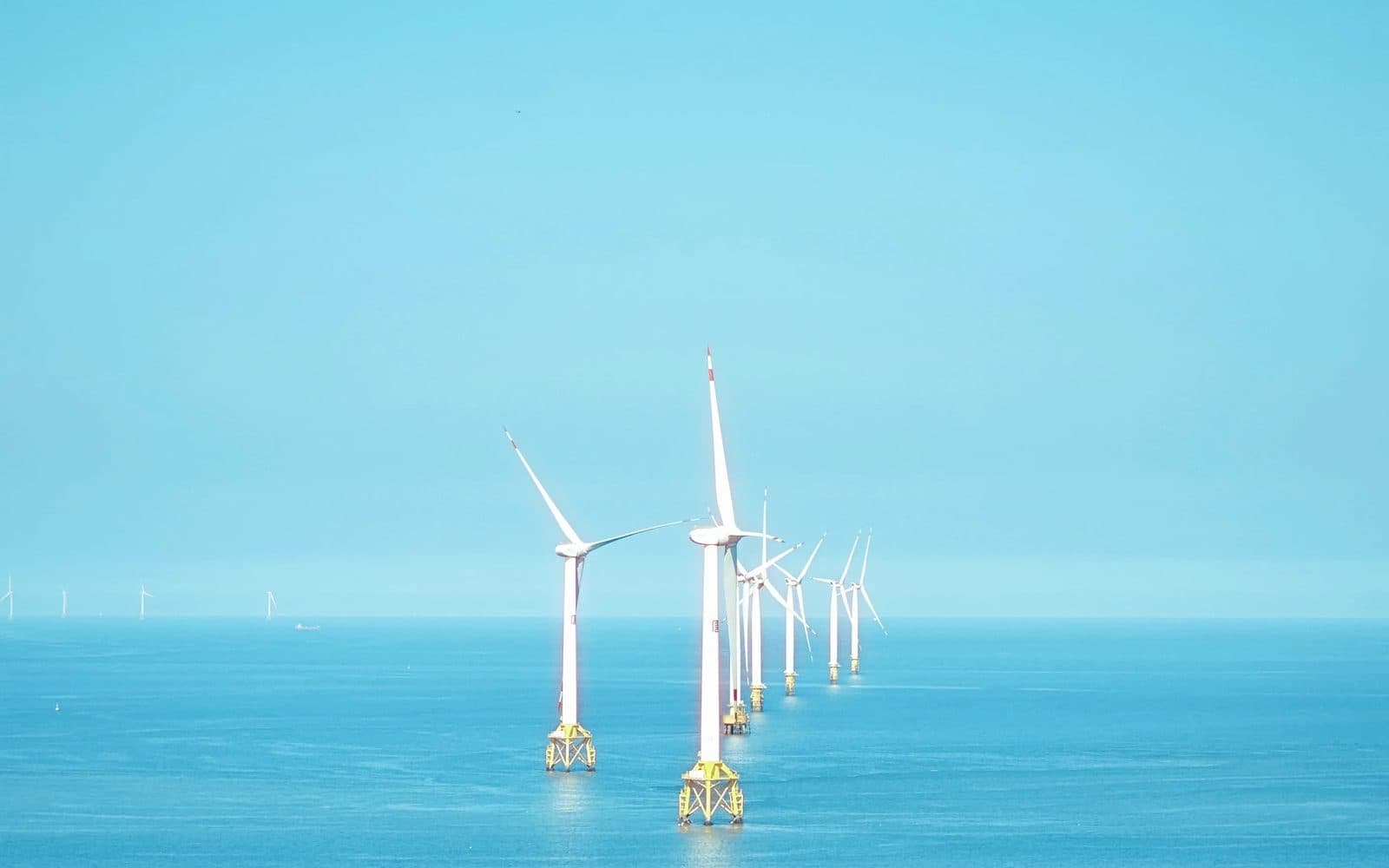
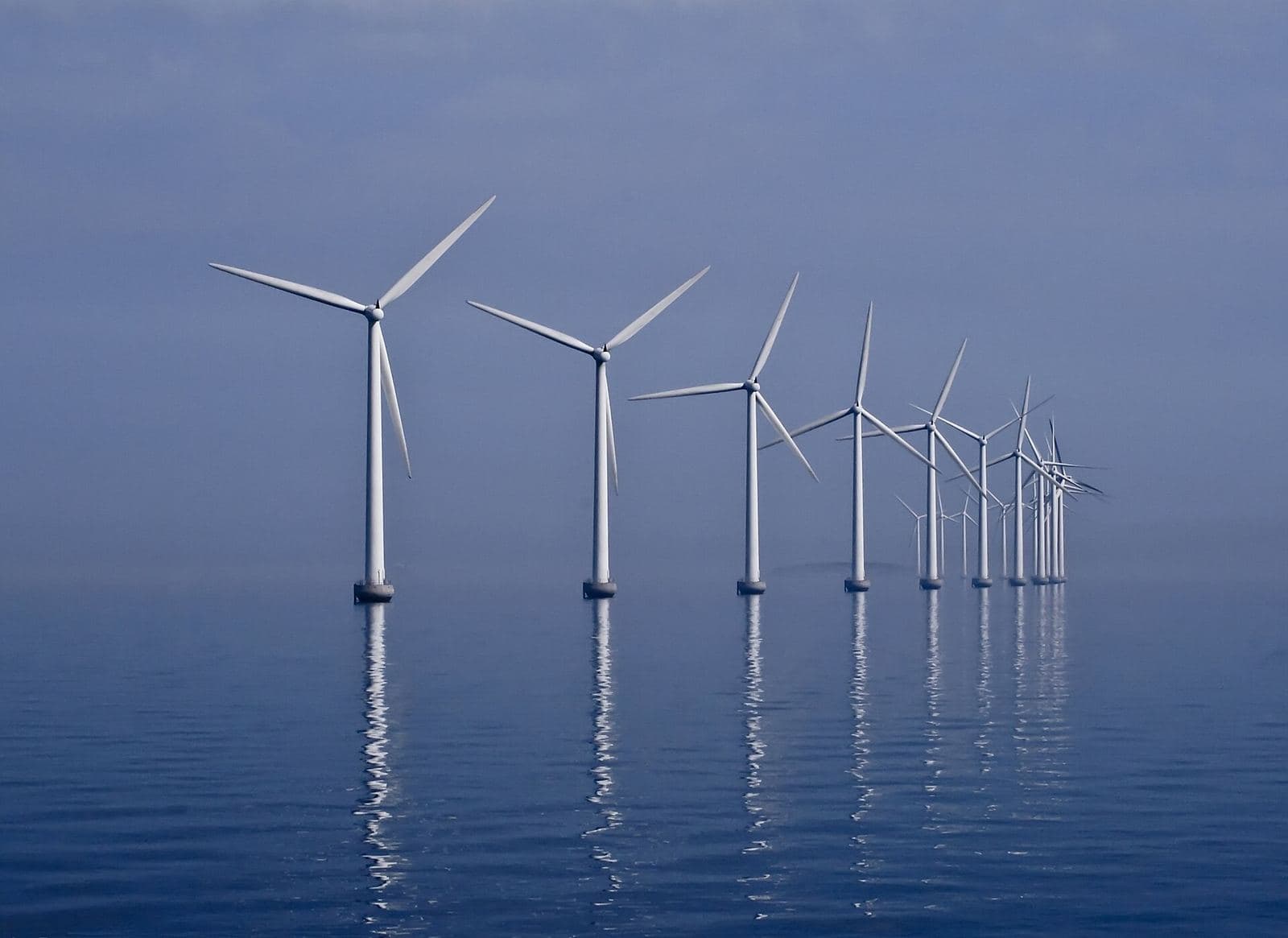
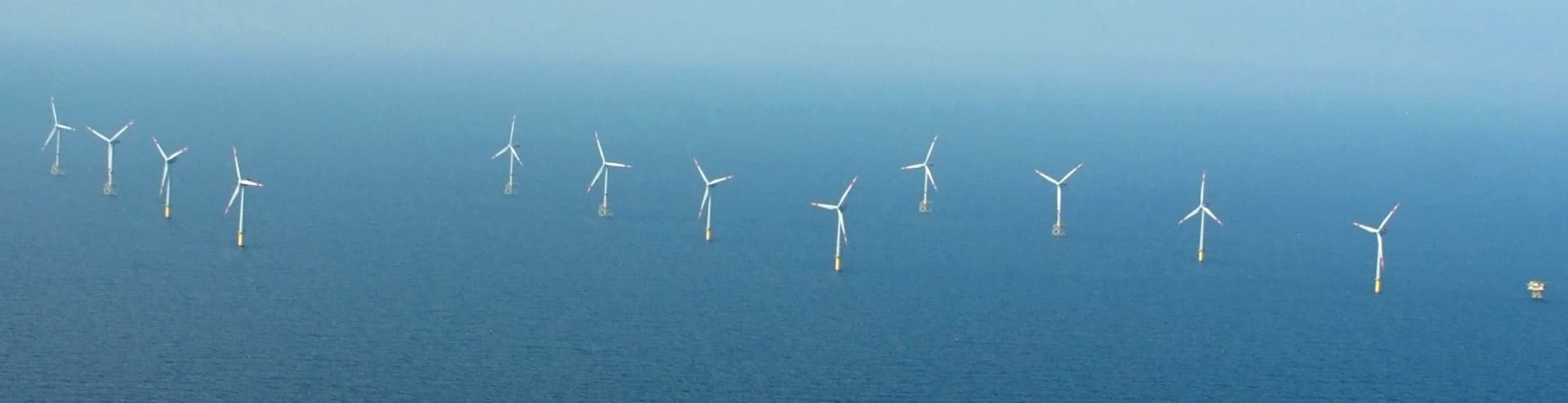
Poland offshore wind has crossed its biggest milestone yet: the Baltic Power project has completed installation of all 76 of its Vestas V236-15 MW turbines, making the country’s first offshore wind farm structurally complete less than a year after first power flowed to the grid.
Developer Northland Power confirmed the milestone in an announcement on October 7, 2026, stating that the 1.1 GW wind farm remains on schedule for full commercial operations in 2026 and that project costs are aligned with original expectations. More than a third of the turbines are already generating electricity, following the July 2026 first-power achievement that marked the first offshore wind generation in Polish history.
Poland offshore wind: inside the Baltic Power installation campaign
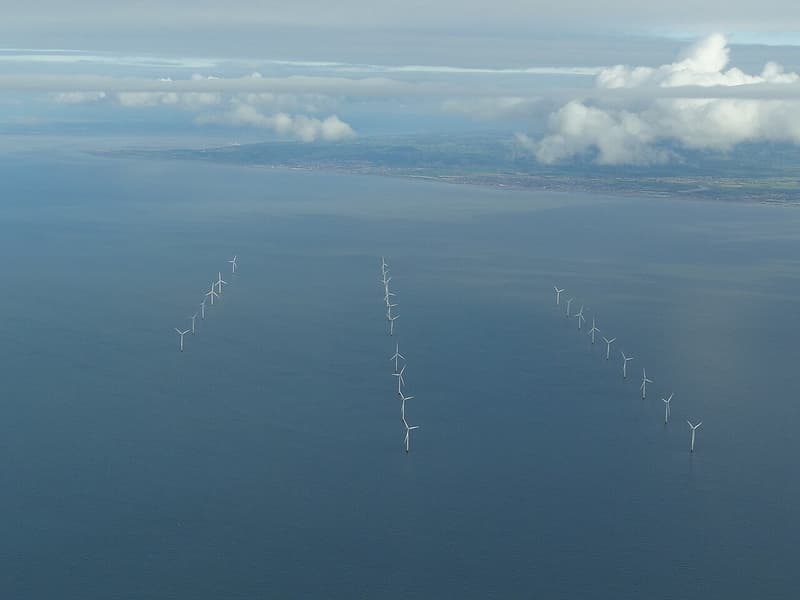
Each of the 76 turbines stands more than 260 metres tall, with blades sweeping an area exceeding 43,700 square metres — making the Vestas V236-15 MW among the largest serially produced wind turbines in service anywhere. At 15 MW apiece, the full array delivers 1.1 GW of capacity from a footprint of just 76 positions, sited roughly 20 km from the Polish coastline.
The installation campaign was executed by Danish offshore specialist Cadeler, which deployed two jack-up vessels — the Wind Osprey and the Wind Mover — to the Baltic site. The completion of the turbine work was reported by OE Digital on October 7, 2026, noting that Cadeler had wrapped up its installation scope at what is Poland’s first operational offshore wind project.
The Baltic Power wind farm is a joint venture between Canadian developer Northland Power and Polish energy major ORLEN. Revenue is underpinned by a 25-year contract-for-difference, the long-term revenue stabilisation mechanism that has enabled offshore wind build-out across Northern Europe by giving developers a fixed strike price for their electricity output.
From first power to full generation: the project timeline
First electricity reached the Polish grid in July 2026, a national milestone that introduced offshore wind generation to a country whose electricity mix has long been dominated by coal. With turbine installation now complete, the remaining work centres on commissioning the balance of the array and bringing the remaining turbines through testing into generation.
The 25-year contract-for-difference structure mirrors the approach that underpinned the early offshore wind build-out in the United Kingdom and Germany — markets where long-term price certainty unlocked tens of billions in capital investment. For Poland, Baltic Power is the pathfinder project intended to prove that offshore wind can be built on budget in the Baltic Sea, clearing the way for a wider pipeline of Polish offshore projects.
Northland doubles down on Poland with 300 MW of battery storage
Beyond Baltic Power itself, Northland Power is concurrently developing two grid-scale battery energy storage projects in Poland with a combined 300 MW of power capacity and 1.2 GWh of energy storage. The pairing of offshore wind with large-scale storage is increasingly the template for renewable build-out in maturing markets: the batteries can absorb surplus generation during windy periods and release it during evening peaks, improving both grid stability and project economics.
For context, Poland’s grid faces one of the more demanding transitions in Europe. The country’s offshore wind ambitions sit alongside a planned phase-down of coal-fired generation, and firm, dispatchable storage capacity will be critical to managing the variable output of both Baltic Power and the pipeline that follows it.
Why it matters
Baltic Power is a national energy milestone, not just a construction one. Poland now has a 1.1 GW offshore wind farm physically complete on its grid — tangible proof that coal-heavy economies can add serious offshore capacity on schedule and on budget. First-of-a-kind projects in new markets are where offshore wind programmes typically stumble; holding to original cost expectations through full turbine installation is the outcome that unlocks financing for every Polish project behind it.
The scale is meaningful in national terms. At full operation, Baltic Power is expected to generate roughly 4 TWh of electricity per year — about 3 per cent of Poland’s annual electricity demand, or enough to supply some 1.5 million households. Per turbine, that works out to roughly 53 GWh a year each, a yield that reflects both the 15 MW class of the V236 machines and the strong wind resource of the Baltic Sea. To put the capacity in perspective: 4 TWh is on the order of the annual output of a medium-sized conventional power station, produced here from 76 machines over water.
For the European offshore wind industry, Baltic Power also validates the contract-for-difference model in a new market and demonstrates that the installation supply chain — vessels, crews, and turbine logistics — can now execute large Baltic campaigns efficiently. Poland joins the ranks of Europe’s offshore wind nations, and its experience will be watched closely by neighbours with similar ambitions in the Baltic.
The project continues a run of regional milestones in emerging wind markets, from the Shadwan wind farm in Egypt to India’s offshore wind prototype plans at Thoothukudi. Within Europe itself, the contrast with mature markets is instructive: while Germany’s Alpha Ventus is now being life-extended after more than a decade at sea, Poland’s first offshore wind turbines of 2026 are only beginning their operating lives — a handover of sorts between the continent’s first and newest offshore generation.
With full commercial operations expected later in 2026, the next milestone to watch is the commissioning of the remaining two-thirds of the array and the first full-year production figures — the data that will show whether Baltic Power can sustain its budget discipline all the way through to steady-state operation.