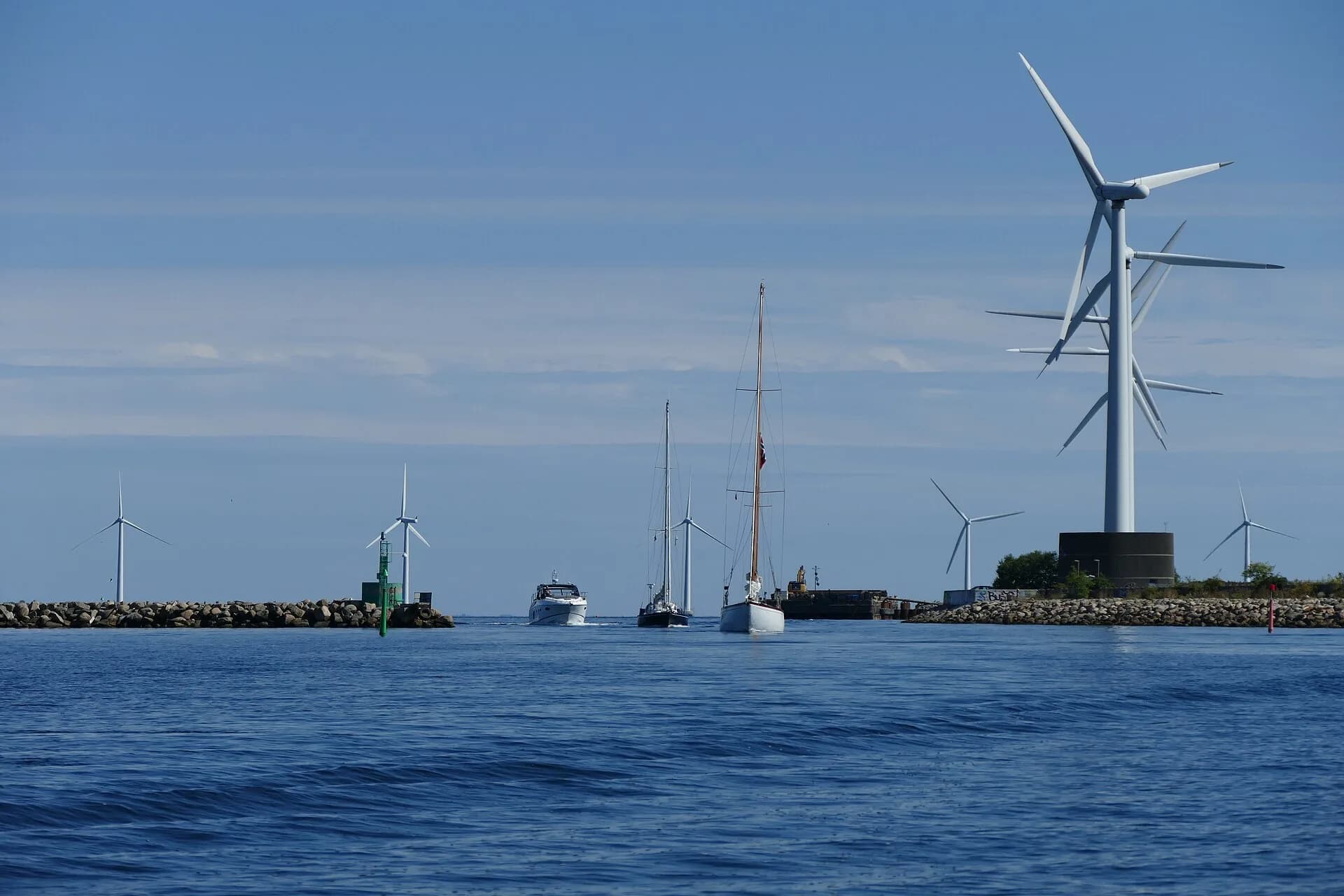
- Copenhagen Infrastructure Partners, through its fund Copenhagen Infrastructure V, has acquired the 25 percent share in the up-to-1,080 MW Five Estuaries offshore wind farm previously held by a Macquarie-led consortium, the company announced October 13.
- The deal completes a 48-hour ownership reshuffle: RWE sold its 33.33 percent stake to EDF power solutions on October 12, leaving EDF with 33.33 percent and leading development, CIP with 25 percent, and ESB and Sumitomo Corporation with 20.83 percent each.
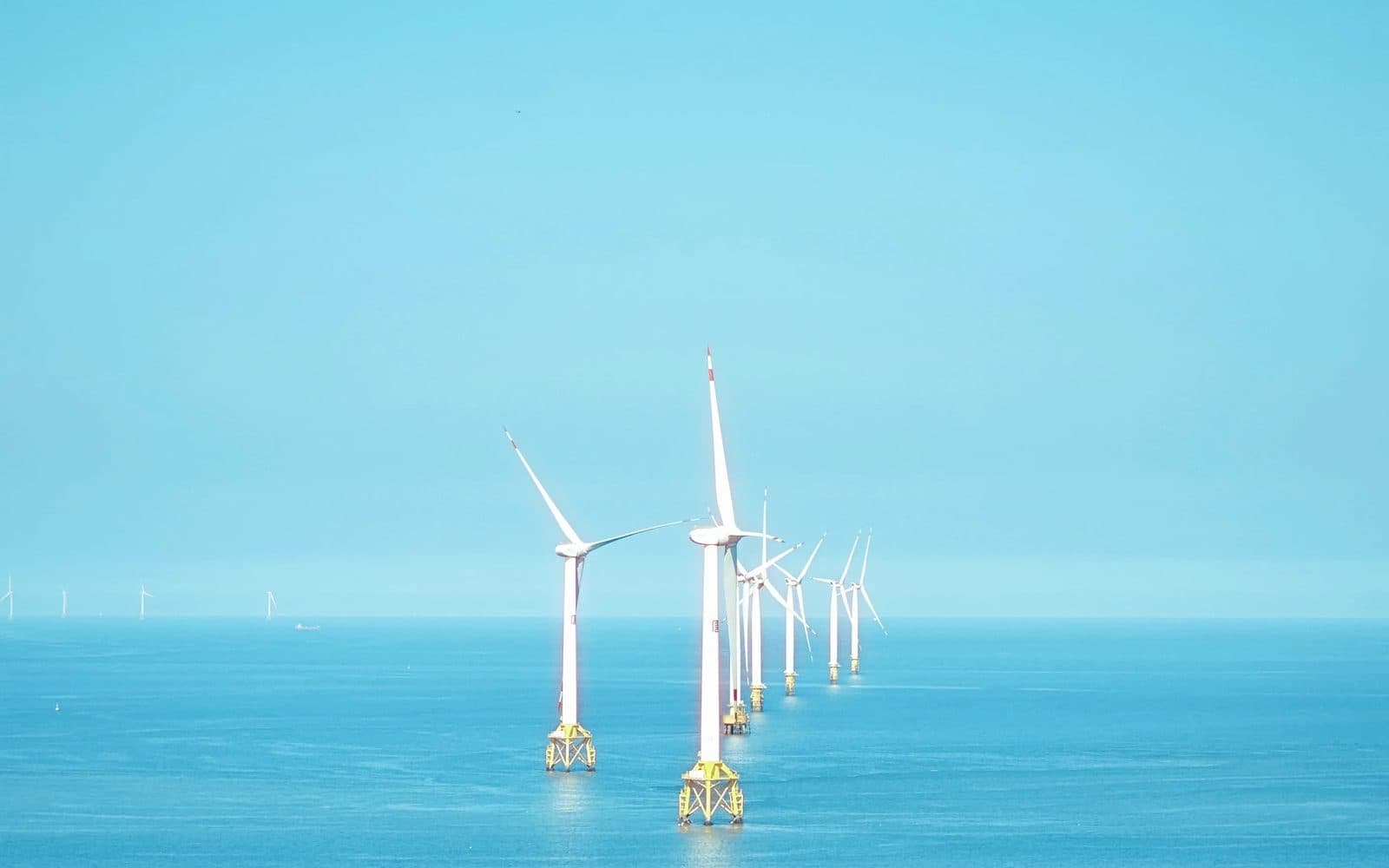
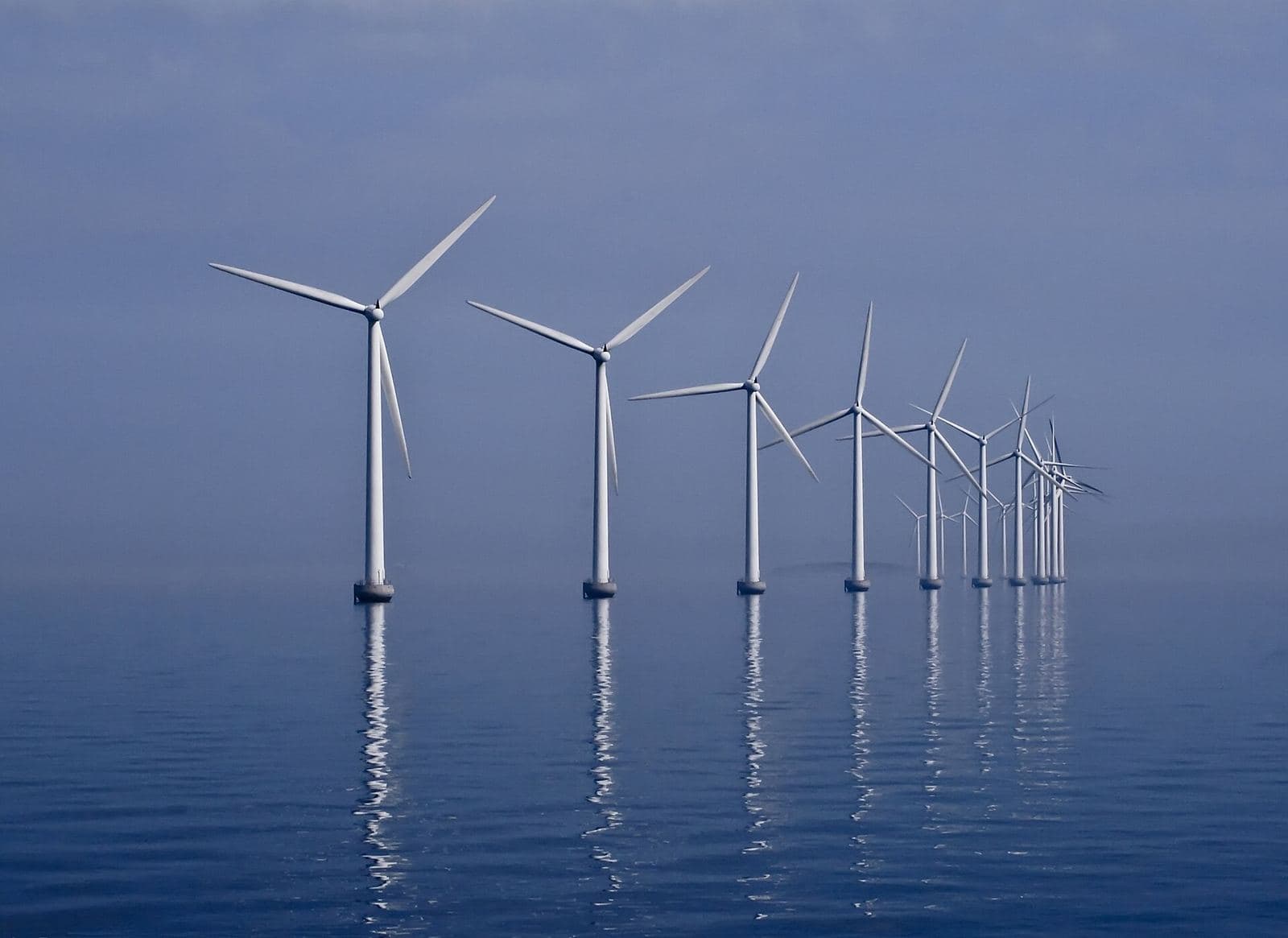
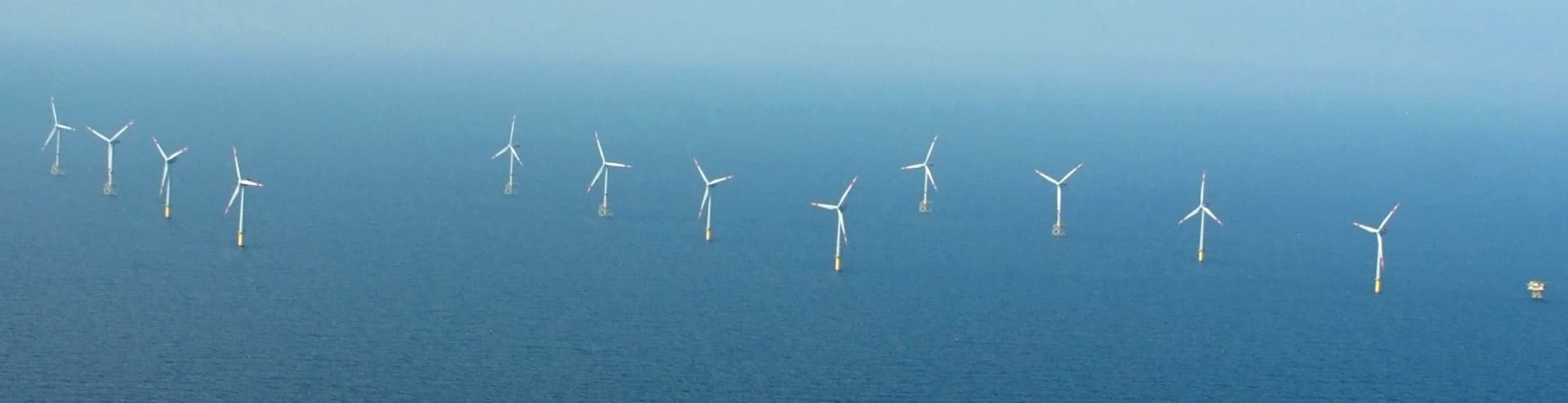
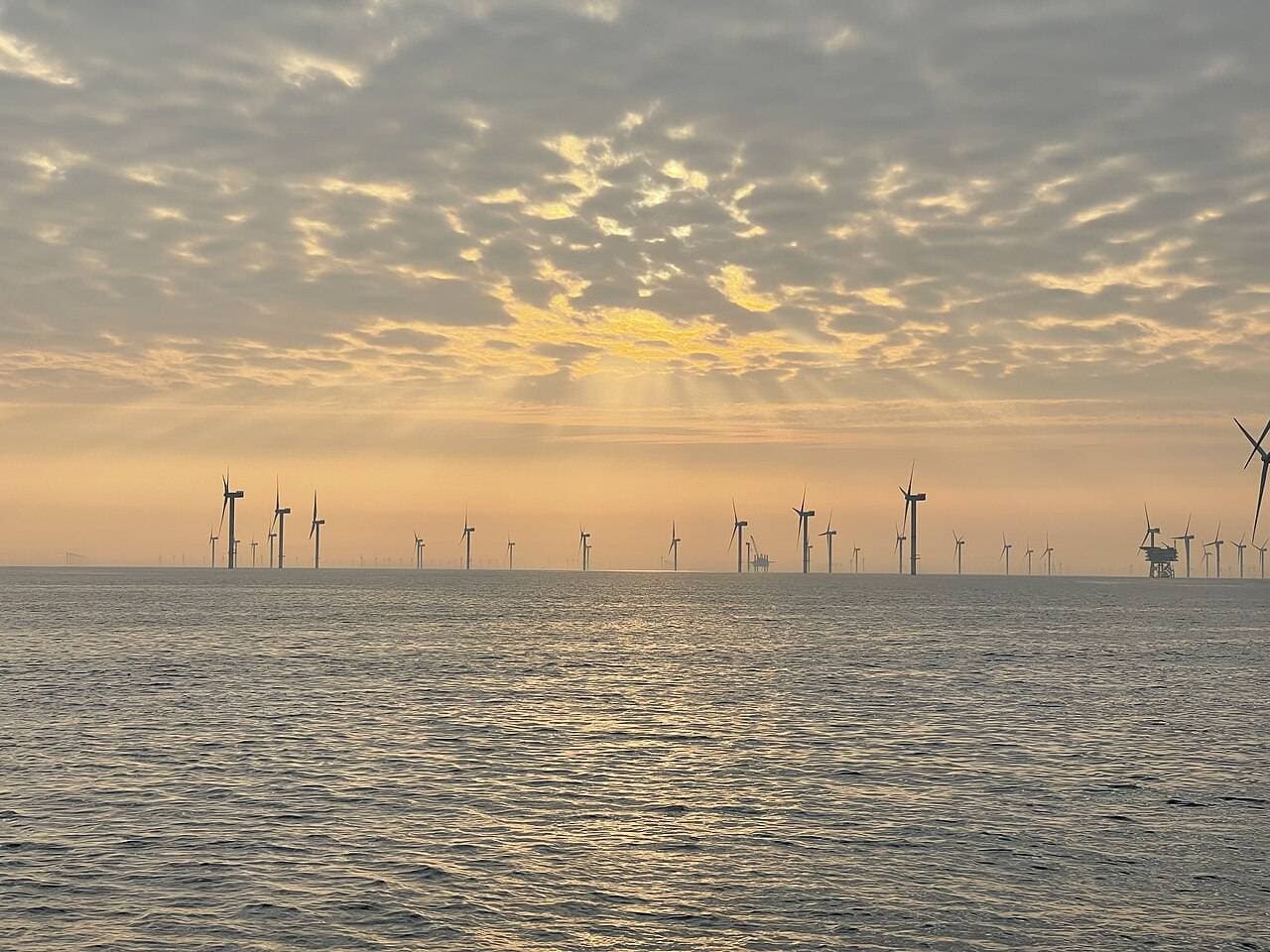
- Five Estuaries received UK development consent on December 17, 2025 after more than four years of development; up to 79 turbines with 370-metre tip heights across ~128 sq km of the southern North Sea could power around one million UK homes a year.
A billion-pound corner of the North Sea has changed hands twice in two days. Five Estuaries offshore wind, the planned 1,080 MW wind farm off the Essex and Suffolk coast, now has a new ownership lineup after Copenhagen Infrastructure Partners (CIP) bought the 25 percent stake held by a Macquarie-led consortium, announced October 13 — one day after RWE sold its own 33.33 percent share to EDF power solutions, handing EDF the development lead.
The updated ownership reads: EDF power solutions 33.33 percent, CIP 25 percent, ESB 20.83 percent and Sumitomo Corporation 20.83 percent. For CIP, which has raised roughly EUR 43 billion across 15 funds with projects in more than 30 countries, the deal deepens an already large UK energy-infrastructure portfolio. For EDF, it means full leadership of a consented project at a moment when the UK is pushing hard to rebuild offshore wind momentum.
A North Sea reshuffle in 48 hours
The back-to-back announcements tell a story about where risk appetite sits in offshore wind right now. RWE — a developer, not a pure investor — walked away from its third of the project, while EDF, a developer with a generation portfolio to feed, stepped up to lead. CIP, one of the world’s largest dedicated renewables infrastructure investors, bought the passive financial stake from Macquarie’s consortium.
The structure is now classic for this stage of offshore wind: a utility-led developer (EDF) steering construction and operations, flanked by long-horizon infrastructure capital (CIP, ESB, Sumitomo) providing balance-sheet depth. It is, in effect, the financing template that made Dogger Bank B — now past the halfway mark with 49 of 95 turbines installed possible, applied to the next generation of consented projects.
The project at a glance
Five Estuaries received its UK development consent on December 17, 2025, after more than four years of development — a reminder of how long the permitting runway is even before construction begins. The consented envelope covers around 128 square kilometres of the southern North Sea, allows up to 79 turbines with maximum tip heights of 370 metres, and at full output could supply electricity to roughly one million UK homes a year. The details come from CIP’s press release on October 13 and trade coverage from OE Digital the same day.
Kunal Patel, a partner at CIP, framed the investment in terms that will echo in Westminster: “Offshore wind offers the UK a golden opportunity to deploy clean, home-grown energy at scale, to lower and stabilise electricity bills, create highly skilled jobs as well as bolster energy security and deliver economic growth.”
Why it matters
The turbine dimensions deserve a second look. A 370-metre tip height is dramatically larger than the generation currently turning at sea — our explainer How Wind Turbines Work profiles the 280-metre giants powering 20,000 homes each, and Five Estuaries’ consented envelope is nearly a third taller than that. Turbine tip heights above 350 metres place these machines among the largest rotating structures ever built; fewer, larger turbines mean fewer foundations and less seabed disruption per megawatt, but they also push installation vessels and crane technology to their limits.
Scale-wise, the project sits in a crowded field of UK giants. At 1,080 MW, it is within striking distance of Poland’s 1.1 GW Baltic Power project — a useful cross-check on where the industry’s centre of gravity has settled: gigawatt-class arrays of 70-to-100 turbines are now the standard unit of offshore wind, not the exception. And with Ørsted buying back a 172 MW veteran for £15 million to extend its life, the market is pricing older, smaller arrays at scrap-and-refurbish values while fresh capital flows into consented gigawatt projects — exactly the divergence this week’s deals illustrate.
For the UK’s offshore wind targets, the consent date matters as much as the capacity. A December 2025 consent means Five Estuaries is entering the construction pipeline in 2026–2027, precisely the window the government needs filled to hit its 2030 offshore wind goals. The ownership reshuffle is not just financial plumbing; it is the moment a paper project becomes a construction project.
CIP’s arrival also says something about where institutional money sees the best risk-adjusted returns in European renewables. The fund family behind the deal — Copenhagen Infrastructure V — is deploying capital raised from pension funds and insurers that need multi-decade, inflation-linked cash flows. A consented, gigawatt-scale UK offshore wind farm with a utility developer at the helm fits that mandate almost perfectly. With roughly EUR 43 billion raised across 15 funds and projects in more than 30 countries, CIP can afford to wait out construction cycles that would strain a pure developer’s balance sheet. Expect the next milestones to be final investment decision and a construction timeline — and expect the ownership page to stay exactly as it is now, which is the point: the churn is over, and the building can begin.
Sources: CIP press release via Cision (October 13, 2026); OE Digital (October 13, 2026).