- Swedish nuclear technology company Studsvik has signed a frame agreement with Norwegian Nuclear Decommissioning (NND) to manage Norway’s legacy spent nuclear fuel from the Halden and Kjeller research reactors.
- The agreement runs until 2055: NND commits a minimum of ~SEK 875 million, while Studsvik estimates total value at SEK 3–4 billion including expected work orders.
- The 16.5-tonne inventory, including metallic uranium and experimental fuels that cannot be stored or disposed of in current form, will be treated in Sweden and returned to Norway for final disposal.
The least glamorous corner of the nuclear industry just landed one of its biggest deals in years. Swedish nuclear technology company Studsvik AB has signed a frame agreement with Norwegian Nuclear Decommissioning (NND), Norway’s state decommissioning agency, to manage the country’s legacy spent nuclear fuel, the companies announced on 16 October 2026. Reported via PR Newswire and Morningstar, the agreement runs until 2055 and could be worth SEK 3–4 billion to Studsvik.
The deal was signed in Halden on 16 October by Studsvik CEO Karl Thedéen and NND Director General Pål Mikkelsen. It begins with a pre-study that will define the detailed plan and budget, with the majority of the work falling over the next two decades. NND retains exit options: it may terminate the agreement after the pre-study with twelve months’ notice, or after five years with eighteen months’ notice.
Norway spent nuclear fuel: the inventory problem
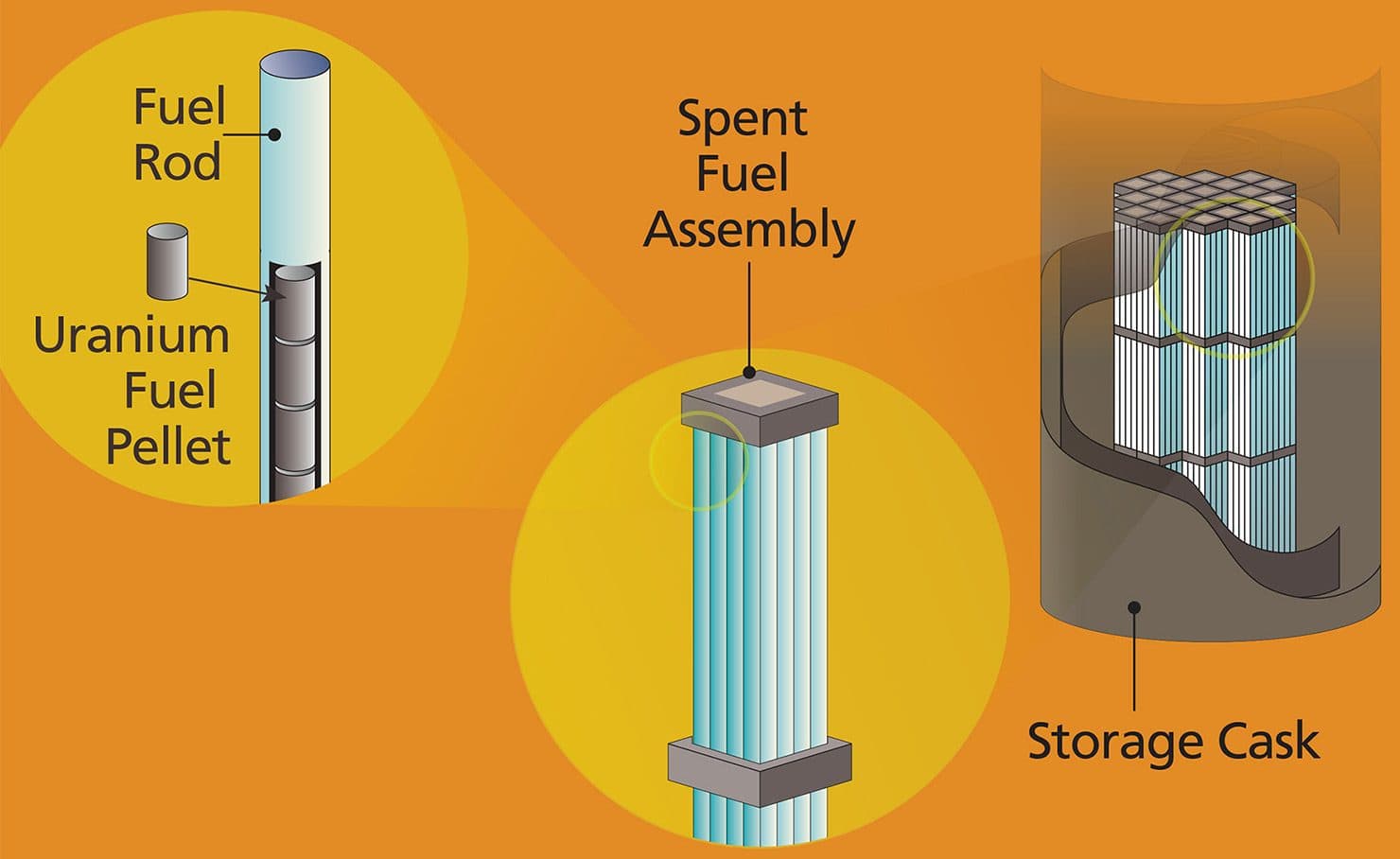
Norway never built commercial nuclear power plants, but six decades of research reactors at Halden and Kjeller left behind approximately 16.5 tonnes of spent fuel. It is difficult material. The inventory includes metallic uranium fuel, aluminium-clad fuel, and experimental fuels from decades of materials research. Much of it, the companies acknowledge, cannot be stored safely over the long term or disposed of in its present form. It must be treated first.
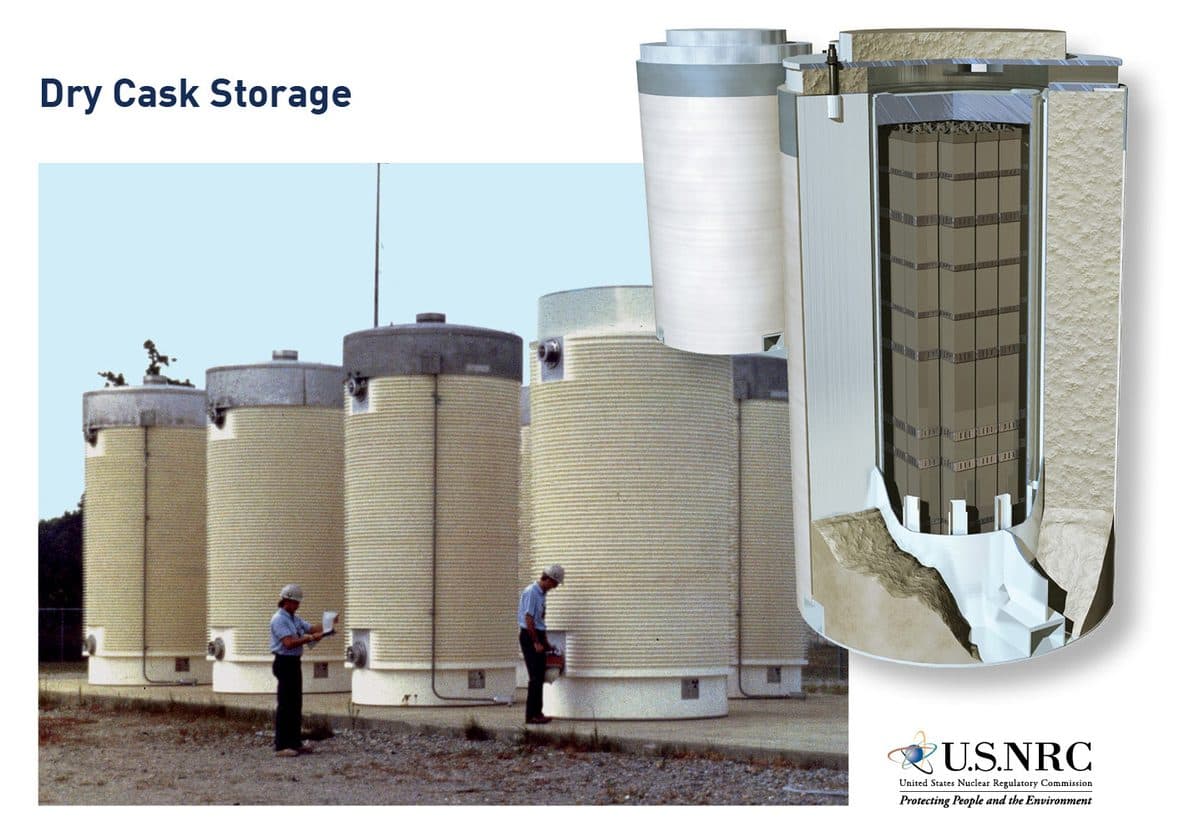
Under the agreement, the fuel will be transported to Studsvik’s licensed facilities outside Nyköping, Sweden, where it will be inspected and treated, including oxidation of the metallic uranium fuel, to meet long-term storage requirements. It will then sit in interim storage before being returned to Norway for final disposal. The arrangement is subject to permits in both countries, and NND’s contractual minimum commitment is approximately SEK 875 million, assuming all fuel is moved to Sweden by 2035. Studsvik estimates the total value, including expected work orders over the life of the agreement, at SEK 3–4 billion. The company says the deal will have no material impact on its 2026–2027 results. This is a slow-burn, multi-decade revenue story, not a quarterly pop.
The partnership is not new. Studsvik and Norwegian authorities have cooperated for more than a decade, including a 2021 contract with the Institute for Energy Technology (IFE) to treat metallic uranium fuel from the JEEP I reactor at Kjeller. The new frame agreement effectively industrialises that earlier work into a national-scale programme.
| Item | Detail |
|---|---|
| Parties | Studsvik AB and Norwegian Nuclear Decommissioning (NND) |
| Duration | Until 2055 (29 years) |
| NND minimum commitment | ~SEK 875 million, assuming all fuel is moved to Sweden by 2035 |
| Studsvik estimated total value | SEK 3–4 billion, including expected work orders (roughly $300–400 million) |
| Inventory | ~16.5 tonnes of spent fuel from the Halden and Kjeller research reactors |
| Treatment | Studsvik’s licensed facilities near Nyköping, Sweden; fuel returned to Norway for final disposal |
| Exit options | Termination after the pre-study (12 months’ notice) or after five years (18 months’ notice) |
Thedéen and Mikkelsen, in their own words
Thedéen called the agreement a company milestone: “This landmark agreement is the result of many years of work, and potentially one of the most significant in Studsvik’s history. Norway needs a safe and lasting solution for fuel that has been in temporary storage, and we have the facilities, the licences and the expertise to deliver it.”
Mikkelsen framed it as the safest available route: “Safe management of the spent fuel from Halden and Kjeller is one of NND’s most important tasks. Parts of the inventory must be treated before it can be stored safely over the long term, and Studsvik has the facilities and experience to do that. Our assessment is that this is the safest route, and that it is sound both environmentally and economically.”
Nuclear waste management Europe: a growing market
The deal sits inside a wider European trend: as research reactors age out and decommissioning programmes mature, the back end of the nuclear fuel cycle is becoming a serious business. Cross-border waste management is rare and politically sensitive (fuel is sovereign material), but Sweden’s licensing infrastructure and Studsvik’s treatment facilities make it one of the few countries equipped to offer these services. Norway’s decision to send its fuel abroad for treatment, then bring it home for final disposal, is a pragmatic split: outsource the technically hardest step, keep the final repository a national responsibility.
The economics reward patience. A 29-year agreement with a SEK 875 million floor and an estimated SEK 3–4 billion ceiling is the kind of contracted, decades-long revenue stream the nuclear services sector is built on. It looks more like an infrastructure concession than a technology sale. For context on how nuclear fits the broader energy mix these projects serve, see our coverage of Tianwan’s latest grid connection and our explainer on capacity factor, which unpacks why nuclear’s steady output profile matters to grid planners.
Why waste contracts outlast reactor announcements
Read the nuclear headlines of 2026 and you would think the industry is all small modular reactors and data-centre power deals. The Studsvik–NND agreement is a useful corrective: the money that moves quietly, over the longest time horizons, is in the back end. New-build announcements generate press releases; waste contracts generate 29 years of contracted cash flow. At an estimated SEK 3–4 billion, roughly $300–400 million at recent exchange rates, this single frame agreement is worth a meaningful fraction of what a small modular reactor project costs to develop, and it carries none of the construction risk. Decommissioning and waste management is the nuclear industry’s annuity business, and it is growing as Europe’s research-reactor fleet retires.
The structure of the deal also reveals how seriously both countries take the technical challenge. Metallic uranium fuel that “cannot be stored long term or disposed of in its current form” is a polite way of describing material that is chemically unstable: it corrodes, it generates gas, and it demands active treatment before any repository will accept it. The oxidation step at Studsvik’s Nyköping facilities converts that reactive inventory into a stable form suitable for interim storage and eventual final disposal. Norway keeping the final-disposal step on its own soil, meanwhile, preserves the principle, standard across Europe, that each country remains responsible for its own nuclear waste, even when it buys the treatment services abroad.
For the energy transition at large, the lesson is about lifecycle credibility. Nuclear power’s climate case rests on low-carbon electricity, but public acceptance increasingly hinges on demonstrable waste solutions. Every deal like this one, in which fuel is moved out of temporary storage, treated, and placed on a documented path to final disposal, is a data point that the back end of the fuel cycle is manageable rather than mysterious. In a year when governments are once again betting on nuclear as firm clean power, that credibility has real policy value.