- X-energy, American Electric Power, and Amazon signed a joint development agreement on October 19 to evaluate a 960 MW, 12-unit Xe-100 small modular reactor plant in Sullivan County, Indiana.
- Amazon will fund the development work and become the plant’s first power customer, explicitly so the costs are not passed to other ratepayers, under the White House Ratepayer Protection Pledge it signed earlier this year.
- At 960 MW it would be the largest announced Xe-100 deployment yet, nearly a fifth of the 5 GW of US nuclear capacity Amazon and X-energy aim to bring online by 2039.
Amazon is no longer just buying nuclear power. It is now funding the development of the reactors themselves. On October 19, X-energy, American Electric Power (AEP), and Amazon announced a joint development agreement to advance feasibility work for a proposed 960 MW small modular reactor project in Indiana, with Amazon providing project development funding and positioned to become the first customer to buy the plant’s power.
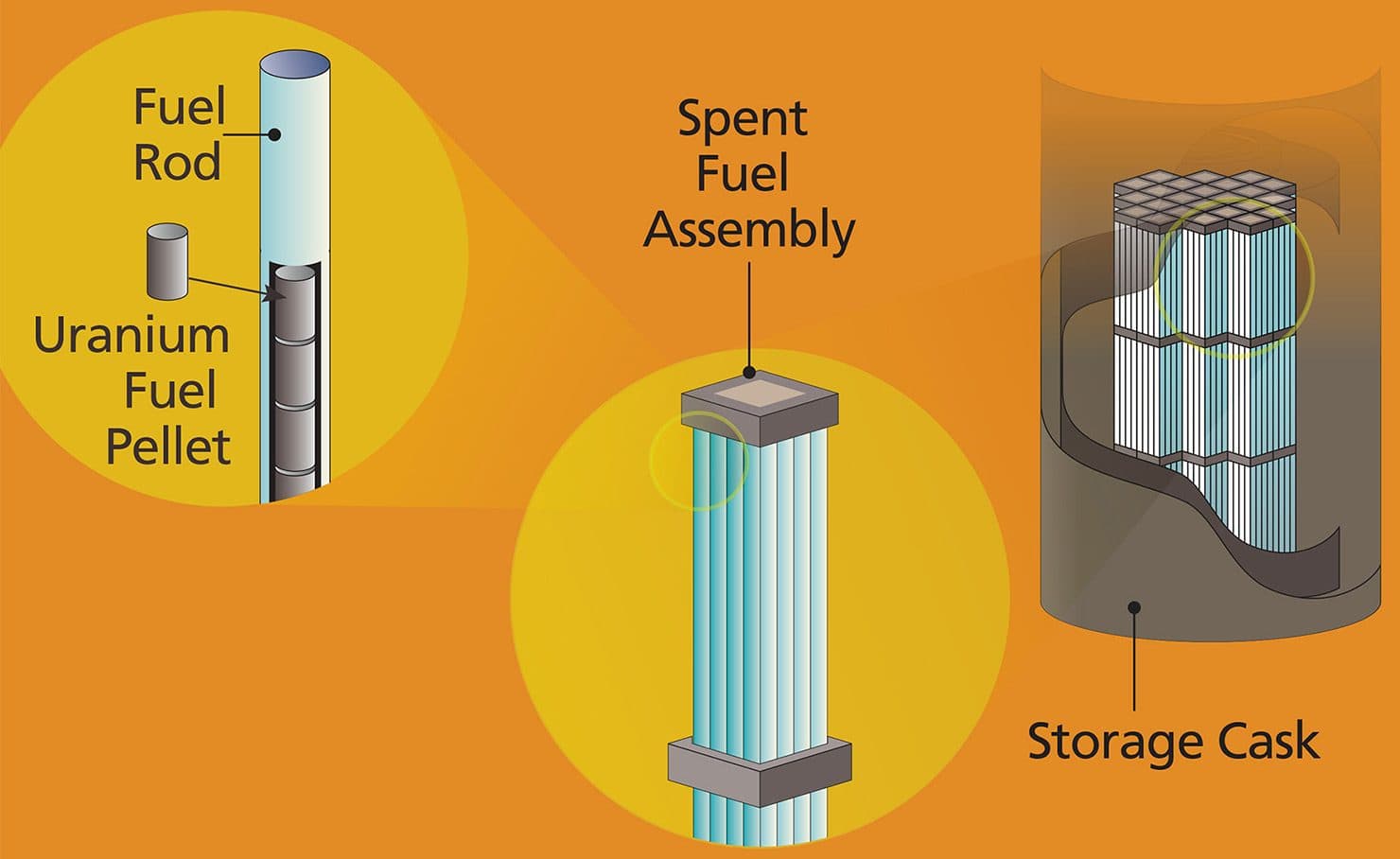
The proposed plant would put 12 of X-energy’s Xe-100 reactors on the AEP-owned brownfield site of the retired Breed Generating Station in Sullivan County, Indiana. Each Xe-100 is an 80 MWe high-temperature gas-cooled reactor using helium coolant and TRISO fuel, which the US Department of Energy describes as the “most robust nuclear fuel on earth” for its ability to withstand extreme temperatures without melting. The reactors can be air-, water-, or hybrid-cooled, which lets them be tailored to local water availability rather than competing with communities for it.
The first SMR deal structured around ratepayer protection
The financing structure is what makes this deal different from every other SMR announcement this year. Amazon is serving as both development funder and first offtake customer, providing what the companies call milestone-based development capital. Josh Weissman, Amazon’s VP of data center infrastructure capacity delivery, put the commitment in plain terms: the collaboration would develop “nearly a gigawatt of carbon-free power for the regional grid and pay our full costs without passing them to others.”
That pledge has teeth beyond the press release. Earlier this year, Amazon signed the White House Ratepayer Protection Pledge, committing to pay the full electricity costs of serving its data centers, including additional infrastructure, without passing costs to others. In Indiana the commitment is already showing results: AEP announced a plan to lower residential rates by $100 starting in 2027 and freeze them for three years, following an average 3.6 percent base-rate reduction in June 2026, driven by increased revenue from large customers like Amazon. AEP chairman Bill Fehrman added that the agreements “will provide all necessary capital protections and financial safeguards” for existing customers. The project would also create more than 1,000 construction jobs and more than 100 permanent roles.
Where 960 MW fits in the SMR buildout
The Indiana project is the second commercial deployment under Amazon and X-energy’s collaboration to bring more than 5 GW of new US nuclear capacity online by 2039, following Energy Northwest’s Cascade Advanced Energy Facility in Washington. It is the third announced US Xe-100 project and the fourth worldwide within X-energy’s roughly 11.5 GW commercial pipeline. The numbers frame the scale:
| Project | Design | Capacity | Status |
|---|---|---|---|
| Indiana (X-energy / AEP / Amazon) | 12× Xe-100 | 960 MW | Joint development agreement, Oct 2026 |
| Pątnów, Poland (SGE / ZE PAK) | 6× BWRX-300 | 1,800 MWe | Joint venture framework, Oct 2026 |
| Indiana CANDU proposal | Enhanced CANDU 6 | Up to ~7 GW discussed | Proposal stage, Oct 2026 |
| Amazon + X-energy US target | Xe-100 fleet | More than 5 GW by 2039 | Indiana = 19.2% of the target |
Two comparisons stand out. First, Indiana’s 960 MW is just over half the capacity of Poland’s Pątnów project, which at 1,800 MW is the largest SMR commitment announced in Europe, and it would be the largest single Xe-100 deployment anywhere. Second, one project delivers nearly a fifth of Amazon’s entire 5 GW-by-2039 US nuclear goal (960 ÷ 5,000 = 19.2 percent), which implies roughly five more projects of this size are needed to hit the target. That is a concrete build rate the industry can be held to. Readers who want the technology background can start with our plain-English SMR explainer, and those tracking Indiana’s nuclear week can read our analysis of the separate CANDU-based 7 GW proposal from two days ago, a different technology with different developers.
Why Indiana, and why now
Indiana has spent the last two years positioning itself as SMR-friendly territory. Since 2025, Governor Mike Braun and the General Assembly have enacted investment and manufacturing tax credits plus the Indiana Advanced Nuclear Community program, designed to help communities capture the economic benefits of new nuclear build. Braun called the JDA “the kind of innovation and investment that can deliver lasting benefits for our state,” pointing to grid strength and well-paying jobs in Sullivan County.
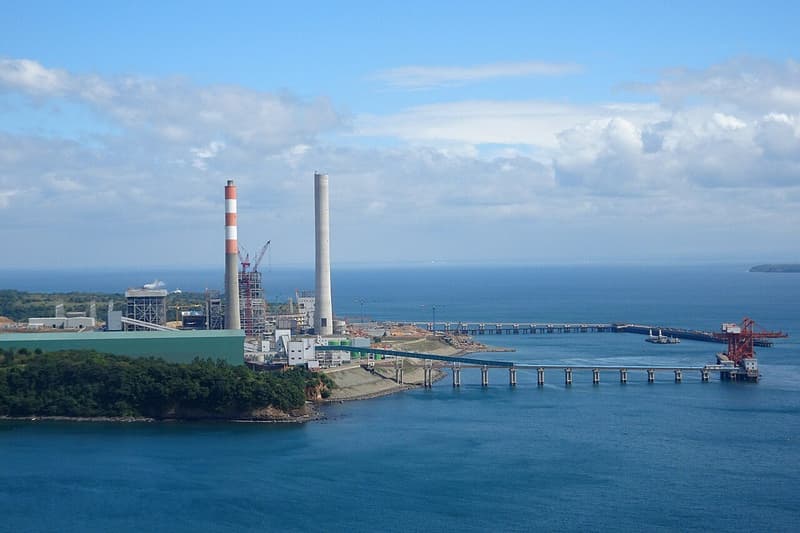
The site choice follows the industry’s favorite playbook: redeveloping a retired coal plant’s brownfield, where transmission lines, grid interconnection, and a community accustomed to hosting energy infrastructure already exist. The Breed Generating Station site gives the project the same head start that coal-to-nuclear conversions offer everywhere from Wyoming to Poland.
The honest caveats are the standard ones for this industry. The agreement covers feasibility work, not construction; X-energy’s first Xe-100 deployment, a four-unit plant for a Dow site on the Texas Gulf Coast under the DOE’s Advanced Reactor Demonstration Program, is still in the final phases of the Nuclear Regulatory Commission’s construction-permit review. No Xe-100 has been built yet, and the press release’s own forward-looking statements run through the familiar list of risks: licensing delays, financing, cost overruns, and first-of-a-kind engineering. What is genuinely new here is not the reactor but the money: a hyperscaler underwriting both the development capital and the offtake, with a written pledge that households will not foot the bill. If that model works in Indiana, it becomes the template for every data-center-driven nuclear project behind it.