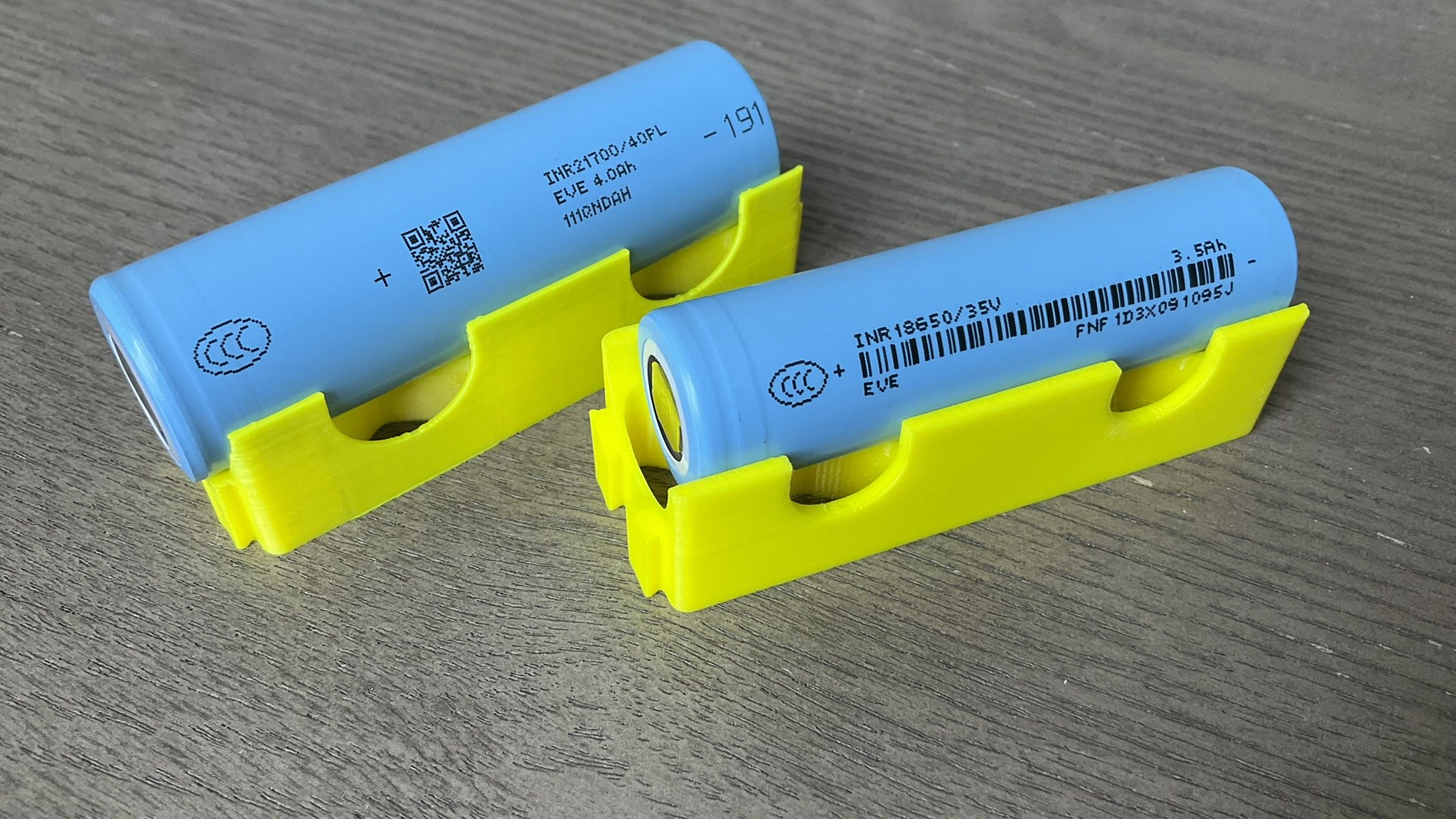
- Batteries aren’t one technology. The chemistry inside the cells — LFP, NMC, or the emerging sodium-ion — decides how much energy fits in a given weight, how many charge cycles it survives, and what it costs.
- LFP (lithium iron phosphate) is the workhorse: cheaper, longer-lived, and safer, which is why it dominates grid storage and affordable EVs. NMC trades some of that for higher energy density in long-range cars.
- Sodium-ion is the newcomer to watch: made from abundant salt instead of lithium, with early grid-scale deployments in China and a landmark 60 GWh order from CATL.
Why the chemistry inside a battery matters
When people say “lithium-ion battery,” they’re describing a family of technologies, not a single one. Every lithium-ion cell shuttles lithium ions back and forth between two electrodes — but the materials those electrodes are made from change almost everything about the battery: how much energy it packs per kilogram, how many times you can charge it before it wears out, how hot it can get before it becomes dangerous, and how much it costs to make.
Getting this right matters because batteries have become the backbone of the energy transition. They power electric cars and store solar and wind power for the hours when the sun isn’t shining. And they’ve been getting dramatically cheaper: BloombergNEF’s annual survey found the average lithium-ion pack price fell 20 percent in 2024 to a record low of $115 per kilowatt-hour — driven by manufacturing overcapacity, falling metals prices, and the rise of cheaper chemistries. “The price drop for battery cells this year was greater compared with that seen in battery metal prices, indicating that margins for battery manufacturers are being squeezed,” said Evelina Stoikou, head of BNEF’s battery technology team.
Here’s how the three chemistries that matter most compare.
LFP: the workhorse
LFP stands for lithium iron phosphate (LiFePO₄) — lithium paired with iron and phosphate instead of expensive metals. It is the chemistry quietly winning the battery race.
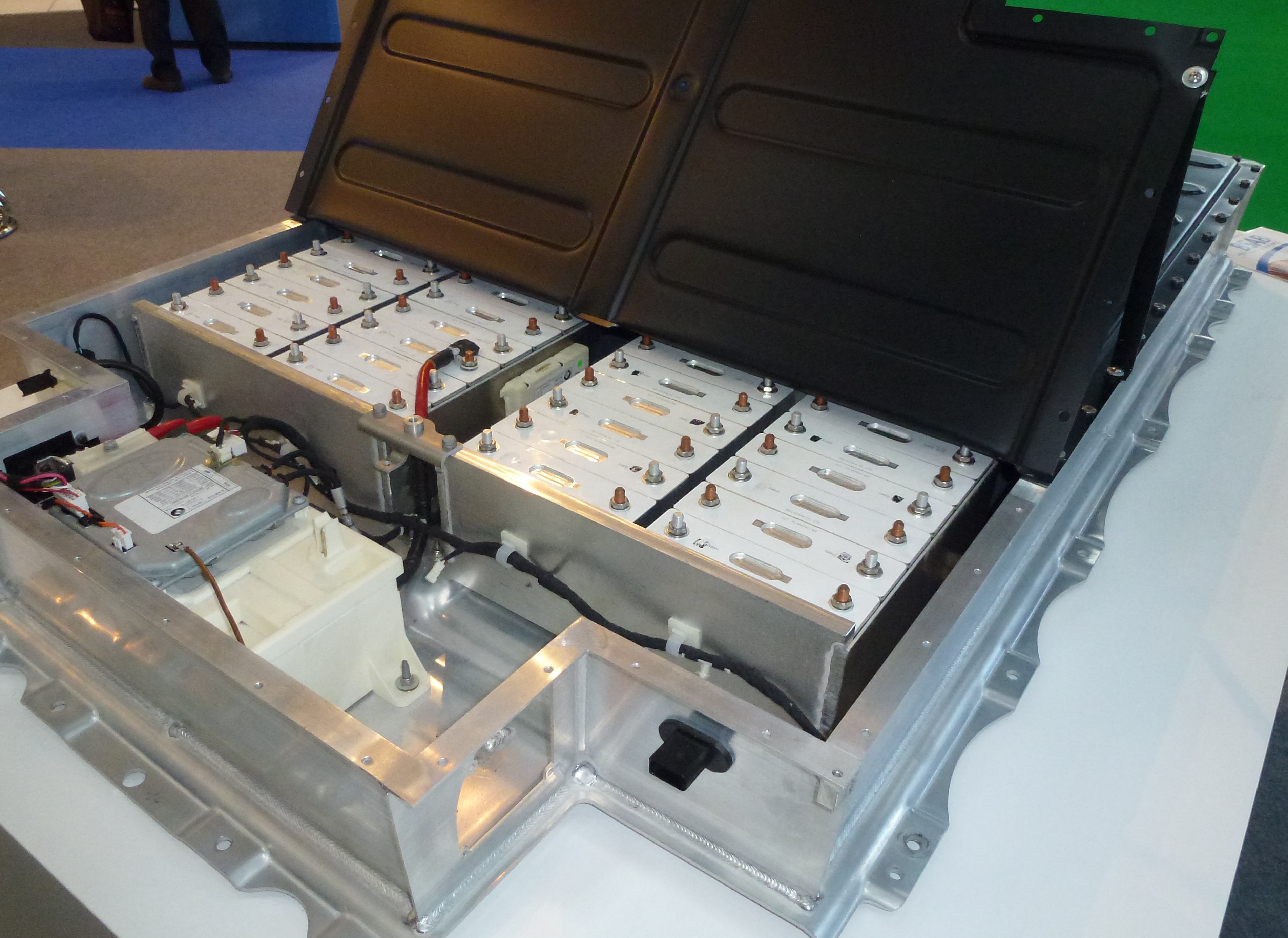
- Energy density: roughly 90–160 Wh/kg at the cell level — respectable, but lower than its rivals.
- Cycle life: 2,000 to 6,000+ full charge-discharge cycles, two to three times what nickel-based chemistries manage. A battery cycled daily for 15+ years is realistic.
- Safety: the standout trait. LFP cells resist thermal runaway — the self-heating chain reaction behind battery fires — up to around 270°C, far higher than nickel chemistries, and release little oxygen when they do fail.
- Cost and materials: iron and phosphate are abundant and cheap. No cobalt, no nickel — sidestepping the price volatility and supply-chain concerns around those metals.
- Charging: LFP cells can be charged to 100% routinely without the accelerated degradation nickel chemistries suffer, which simplifies daily use.
LFP’s one real weakness is energy density: you need a bigger, heavier pack for the same range. But where weight doesn’t matter much, it wins decisively. That is why LFP dominates grid-scale storage — including Tesla’s Megapack and CATL’s containerized systems — plus home batteries like the Tesla Powerwall, electric buses, and affordable EVs such as the Tesla Model 3 Standard Range. Per BloombergNEF, LFP’s share of the EV battery market hit roughly 40 percent globally in 2024 (60 percent in China), up from just 10 percent in 2020, and it accounts for the large majority of stationary storage deployments.
NMC: the long-range option
NMC — nickel manganese cobalt — is the chemistry that made the modern long-range EV possible.
- Energy density: roughly 150–250 Wh/kg, meaning significantly more driving range from a smaller, lighter pack.
- Cycle life: around 1,000–2,500 cycles — solid, but meaningfully shorter than LFP.
- Safety: thermal runaway can begin around 150–210°C, and the chemistry releases significant oxygen during failure, which is why NMC packs need more sophisticated cooling and battery-management systems.
- Cost: higher, driven by nickel and cobalt. Both metals have volatile prices and concentrated supply chains.
- Cold weather: a genuine advantage — NMC retains more usable capacity in freezing temperatures than LFP.
NMC remains the choice where every kilogram counts: premium, long-range electric cars, and applications with tight space constraints. But its share has been sliding as LFP’s energy density has improved enough for mid-range EVs and as automakers have grown wary of cobalt costs. The industry’s direction of travel is clear: use NMC where range-per-kilogram is the priority, LFP everywhere else.
Sodium-ion: the newcomer
Here’s the most interesting development in batteries: cells that contain no lithium at all. Sodium-ion batteries swap lithium for sodium — which is roughly 1,000 times more abundant in Earth’s crust than lithium — and they are moving from laboratory curiosity to commercial product faster than most people expected.
The leader is CATL, the world’s largest battery maker. Its Naxtra sodium-ion battery for vehicles reaches 175 Wh/kg — within striking distance of LFP — with mass production targeted for the end of 2026, according to Energy Storage News. For grid storage, CATL has unveiled a separate large-format sodium-ion cell rated at about 160 Wh/kg, more than 15,000 cycles at 80 percent capacity retention, 97 percent round-trip efficiency, and an operating range of −40°C to 70°C — while showing no thermal runaway in nail-penetration, crush, or overcharge tests.

Sodium-ion’s advantages are structural, not just chemical:
- Materials: cobalt-free, nickel-free, and lithium-free, using aluminum foil instead of copper — all of which points to lower long-term costs as supply chains mature.
- Cold weather: sodium-ion outperforms even NMC in the cold. CATL’s first-generation cells retain more than 90 percent of capacity at −20°C.
- Safety: the chemistry is intrinsically less prone to combustion than lithium-ion designs.
The commercial signal is getting hard to ignore. China connected its first large-scale sodium-ion storage station in 2024, and in 2026 CATL signed what New Mobility News called the largest sodium-ion order in history: 60 GWh of sodium-ion batteries for grid-scale storage with Beijing HyperStrong — roughly double what CATL shipped in storage cells across all chemistries the previous year.
Which chemistry wins? It depends on the job
| Chemistry | Energy density | Cycle life | Strengths | Typical uses |
|---|---|---|---|---|
| LFP | ~90–160 Wh/kg | 2,000–6,000+ | Low cost, long life, very safe, no cobalt | Grid storage, home batteries, affordable EVs, buses |
| NMC | ~150–250 Wh/kg | 1,000–2,500 | Highest energy density, good cold performance | Long-range and premium EVs |
| Sodium-ion | ~160–175 Wh/kg | 2,000–15,000+ | Abundant materials, excellent cold performance, very safe | Grid storage, budget EVs, cold climates (emerging) |
There is no universal winner — only the right tool for the job. A container of grid storage doesn’t care about weight, so it wants the cheapest dollars-per-cycle, which today means LFP and tomorrow may mean sodium-ion. A sports sedan cares intensely about weight, so it pays the NMC premium. Understanding that trade-off — energy density versus lifespan versus cost versus safety — is the key to reading almost every battery announcement you’ll see in the next decade.