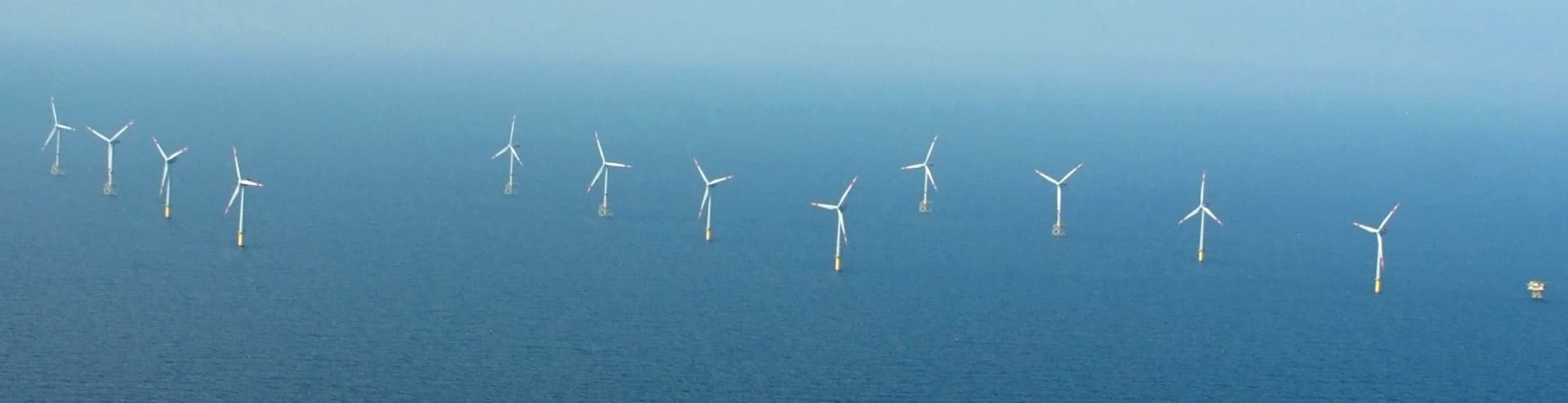
- Dogger Bank B has passed the halfway mark: 49 of its 95 GE Haliade-X 13 MW turbines are installed — about 637 MW of capacity, up from 20 turbines in June 2026.
- Jan De Nul’s vessel Voltaire has led installation since March; Seaway7’s Seaway Ventus was scheduled to arrive on 9 October to accelerate the remaining 46 turbines.
- The 1.2 GW phase is on schedule for completion around Q2 2027, feeding into the full 3.6 GW project — the world’s largest offshore wind farm.
The Dogger Bank B halfway milestone is official. The middle phase of the world’s largest offshore wind farm now has 49 of its 95 turbines installed in the North Sea, according to the project team’s latest mariners’ notice — roughly 637 MW of GE’s 13 MW Haliade-X machines standing, up from just 20 turbines in June 2026. With installation running to around the second quarter of 2027, crossing the halfway point keeps the 1.2 GW phase firmly on schedule.
Jan De Nul’s wind turbine installation vessel Voltaire has been doing the heavy lifting since March 2026, moving to Dogger Bank B immediately after completing the first phase, Dogger Bank A, in February. Reinforcement is imminent: Seaway7’s Seaway Ventus was scheduled to arrive on site on 9 October, which should quicken the pace on the remaining 46 turbines. (Reporting: offshorewind.biz’s installation report; HMT News on the Seaway Ventus arrival.)
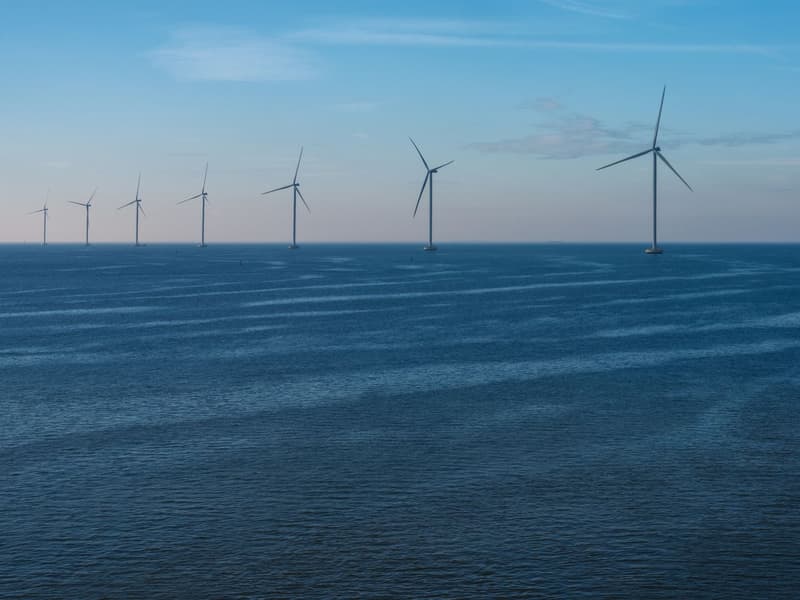
Dogger Bank B halfway: 49 turbines down, 46 to go
The pace of progress is the real story. Going from 20 to 49 turbines in roughly four months means Voltaire has averaged more than seven installations a month through the North Sea summer season. Sustained, that rate would clear the remaining 46 turbines in about six to seven months — landing squarely in the project’s stated Q2 2027 window. A second vessel on site should only improve the odds, and it signals that the developers see no reason to slow down.
The installation logistics matter beyond this one project. The US Atlantic offshore pipeline — from Revolution Wind’s final turbine installation onward — is trying to replicate exactly this kind of steady, vessel-led execution under the constraints of the Jones Act, which limits the foreign vessels that can work in US waters. Dogger Bank is the template.
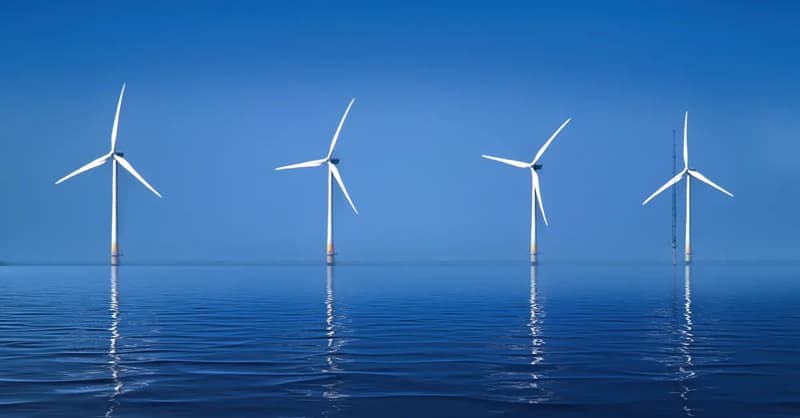
The 3.6 GW machine, in context
Dogger Bank’s full scale is difficult to overstate. When complete, the project will total 3.6 GW across 277 turbines — 95 Haliade-X 13 MW machines each on phases A and B, and 87 of the larger 14 MW variant on phase C, whose installation begins in 2027. The joint venture of SSE Renewables, Equinor and Vårgrønn expects the finished wind farm to power around 6 million UK homes.
The phase-by-phase arithmetic is straightforward: phases A and B each contribute about 1.2 GW from 95 Haliade-X 13 MW machines, while phase C’s 87 larger 14 MW turbines add roughly another 1.2 GW. Put together, the three phases form a single 3.6 GW complex — a scale no other offshore wind project in the world has reached.
For comparison, that is roughly 3.3 times the size of Poland’s Baltic Power, completed this month at 1.1 GW and expected to supply 4 TWh a year to 1.5 million homes. Even Dogger Bank B’s installed-so-far tally — 49 × 13 MW, or about 637 MW — exceeds the entire capacity of most single offshore wind projects worldwide. GE Vernova has meanwhile shifted component marshalling for phases B and C to the Port of Nigg in Scotland, after using Able Seaton Port in Hartlepool for phase A and the early B campaign.
Why it matters
Offshore wind’s recent headlines have been dominated by cancellations, renegotiated strike prices and cost blowouts. Dogger Bank is the counter-narrative, and the halfway point on phase B is the moment it becomes hard to ignore: the single most important offshore construction programme in the world is hitting its marks, on schedule, with the 13 MW Haliade-X platform now validated at true gigawatt scale. Each installed turbine also de-risks the financing and supply-chain assumptions underpinning the next wave of projects — including Dogger Bank C’s 87 × 14 MW campaign starting next year.
What those nameplate megawatts actually deliver, of course, depends on how often the wind blows — the concept of capacity factor, explained here, is the key to reading any wind farm’s output figures.
The supply-chain signals are encouraging too. GE Vernova’s decision to move component marshalling for phases B and C to the Port of Nigg in Scotland — after using Able Seaton Port in Hartlepool for phase A and the early B campaign — reflects a maturing UK offshore wind supply chain, with more of the value chain landing on Scottish quaysides as the programme scales up.
What happens next
With Seaway Ventus joining Voltaire, the remaining 46 turbines at Dogger Bank B should be in place around the second quarter of 2027. Attention then turns to phase C, where installation of the 87 larger 14 MW Haliade-X machines begins in 2027 — each turbine roughly 8% more powerful than the 13 MW units going up now, and among the largest serially produced offshore turbines in the world.
The two-vessel strategy on phase B is itself a rehearsal for that final push: with both ships proven on site, the developers have a tested installation playbook to carry into phase C. If B finishes on schedule, Dogger Bank will have done something the offshore wind industry badly needs right now: delivered exactly what it promised.