- The EPA has pushed the Greenhouse Gas Reporting Program deadline for 2025 emissions data to March 2027 — a full year after the original March 2026 deadline, and the second delay in a row.
- The programme has collected emissions data from US power plants, refineries and factories since 2010; in September 2025 the EPA proposed stripping reporting requirements from 46 of 47 source categories.
- Environmental groups accused the agency of keeping the public “in the dark”; the move lands as the EPA prepares to repeal the Endangerment Finding and roll back 2024 oil and gas rules.
The EPA greenhouse gas reporting deadline has slipped again. America’s biggest polluters will not have to file their 2025 emissions reports until March 2027 — roughly a year after the figures were originally due — as the agency finalises a proposal to dismantle the reporting programme altogether, the Washington Examiner’s Daily on Energy reported on 9 October.
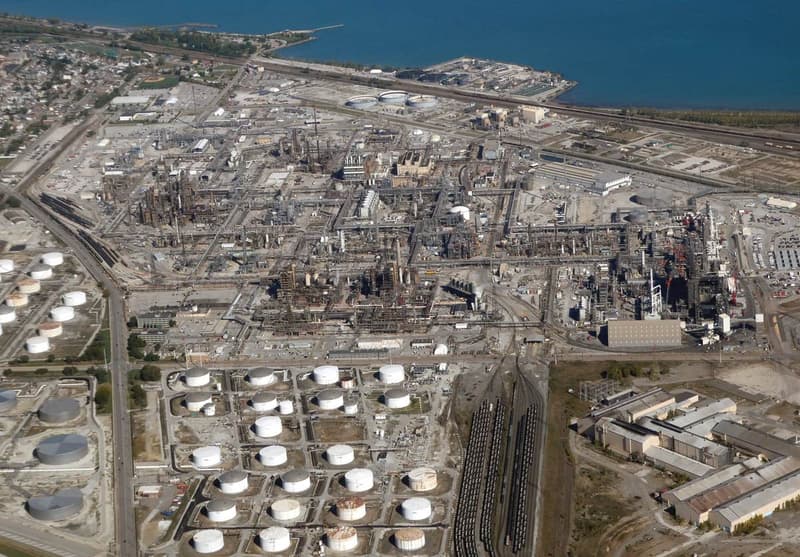
It is the second postponement in a row. The reports were originally due in March 2026; a February rule pushed the deadline to 30 October 2026. Now they land in March 2027, some 12 months late — and by the time the data arrives, the programme that produced it may barely exist.
How the EPA greenhouse gas reporting deadline slipped twice
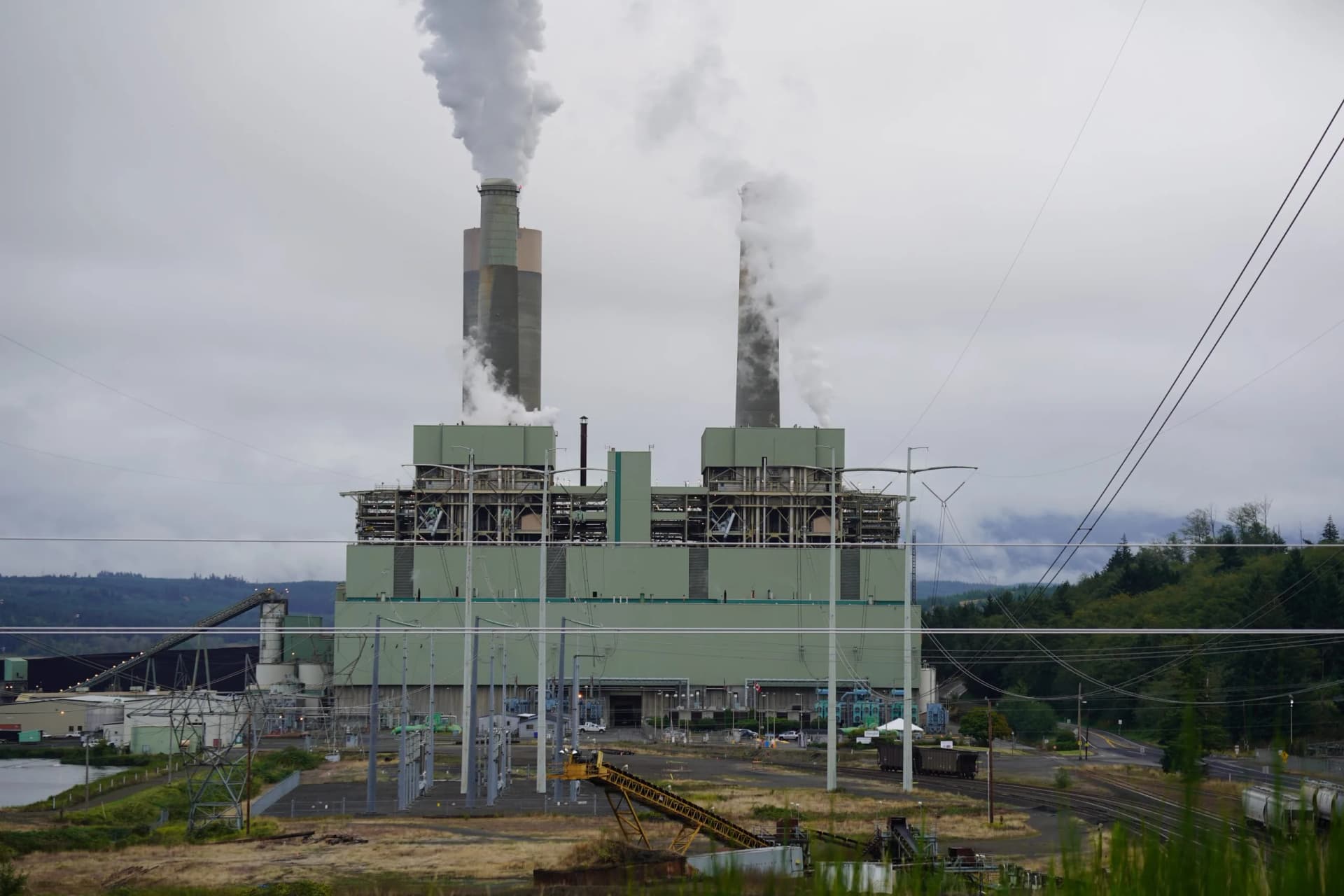
The Greenhouse Gas Reporting Program was created in 2009 and has collected emissions data since 2010, covering facilities such as power plants, oil refineries and manufacturing plants. It is the backbone dataset for US emissions accounting: a 16-year unbroken record of what the country’s largest emitters actually released.
In September 2025, the EPA proposed revising the programme to remove reporting requirements for 46 of the 47 source categories. The only exception would be petroleum and natural gas systems, which must report under the Inflation Reduction Act. The proposal has not yet been finalised — and the deadline is being pushed back while the agency works toward ending the requirements entirely.
That sequence is what has drawn the sharpest criticism. CleanTechnica’s reporting on the extension quoted Sierra Club Climate Policy Director Patrick Drupp, who said the administration is giving big polluters a “‘get out of jail free’ card” and “keeping us in the dark”. The Environmental Defense Fund warned the delay leaves “Americans in the dark”, with senior attorney Edwin LaMair noting that “a wide variety of state and local governments, businesses and communities use information from the Greenhouse Gas Reporting Program to better understand and address the pollution that causes climate change.” Without it, LaMair added, the country will be “less equipped to prevent the worsening storms, wildfires and floods that are driving up insurance costs and putting Americans everywhere at risk.”
The practical effect is a data gap that compounds over time. These reports are the single authoritative, facility-level account of US industrial emissions; when the 2025 numbers finally arrive in March 2027, companies will already be compiling 2026 data and states will have written a year of climate and energy policy without their standard reference. A dataset that once arrived each spring will land a full cycle late — stale at birth.
The wider rollback campaign
The delay sits inside a broader deregulation push. In September 2026, the administration proposed repealing the Endangerment Finding for power plants — the legal determination that greenhouse gases threaten public health and the environment — effectively denying that power-plant emissions endanger the public.
Days before the reporting extension, EPA Administrator Lee Zeldin said the agency was close to rolling back parts of the Biden-era 2024 oil and natural gas rules, known as OOOO b/c. The new rulemaking is expected to revisit requirements for marginal wells — wells producing 15 barrels of oil equivalent or less per day — which the EPA has said account for less than 5% of the country’s oil and gas supply but nearly 50% of the industry’s emissions. The rulemaking would also revisit how associated gas from oil wells is regulated, with proposed technical changes to flame-monitoring data deviations, control-device alerts and visible-emissions test conditions.
Put together, the pattern is unmistakable: the emissions that are hardest to measure — methane from small wells, pollution from the 46 categories facing deletion — are the ones being freed first from scrutiny. This comes on top of the EPA’s earlier move to rescind the methane super-emitter rule.
Why it matters
Measurement is the precondition of regulation — and that is precisely what makes this delay more than administrative housekeeping. The GHGRP’s 16-year data record is the shared factual basis on which states set climate policy, investors assess carbon exposure, and researchers verify whether emissions pledges match reality. Postponing 2025 data by a year while the EPA finalises a plan to wipe out 46 of 47 reporting categories is not two separate events; it is one strategy with two stages. Delay, then delete.
The timing exposes the logic. The Endangerment Finding repeal would remove the legal rationale for regulating greenhouse gases from power plants; killing the reporting programme would remove the data that could show the consequences. Deregulation without measurement becomes unverifiable by design — emissions fall off the books exactly as the rules that constrained them are dismantled. And the marginal-well fight previewed by Zeldin shows the stakes: wells responsible for nearly half the oil and gas industry’s emissions, drawn from less than 5% of its supply, are next on the chopping block.
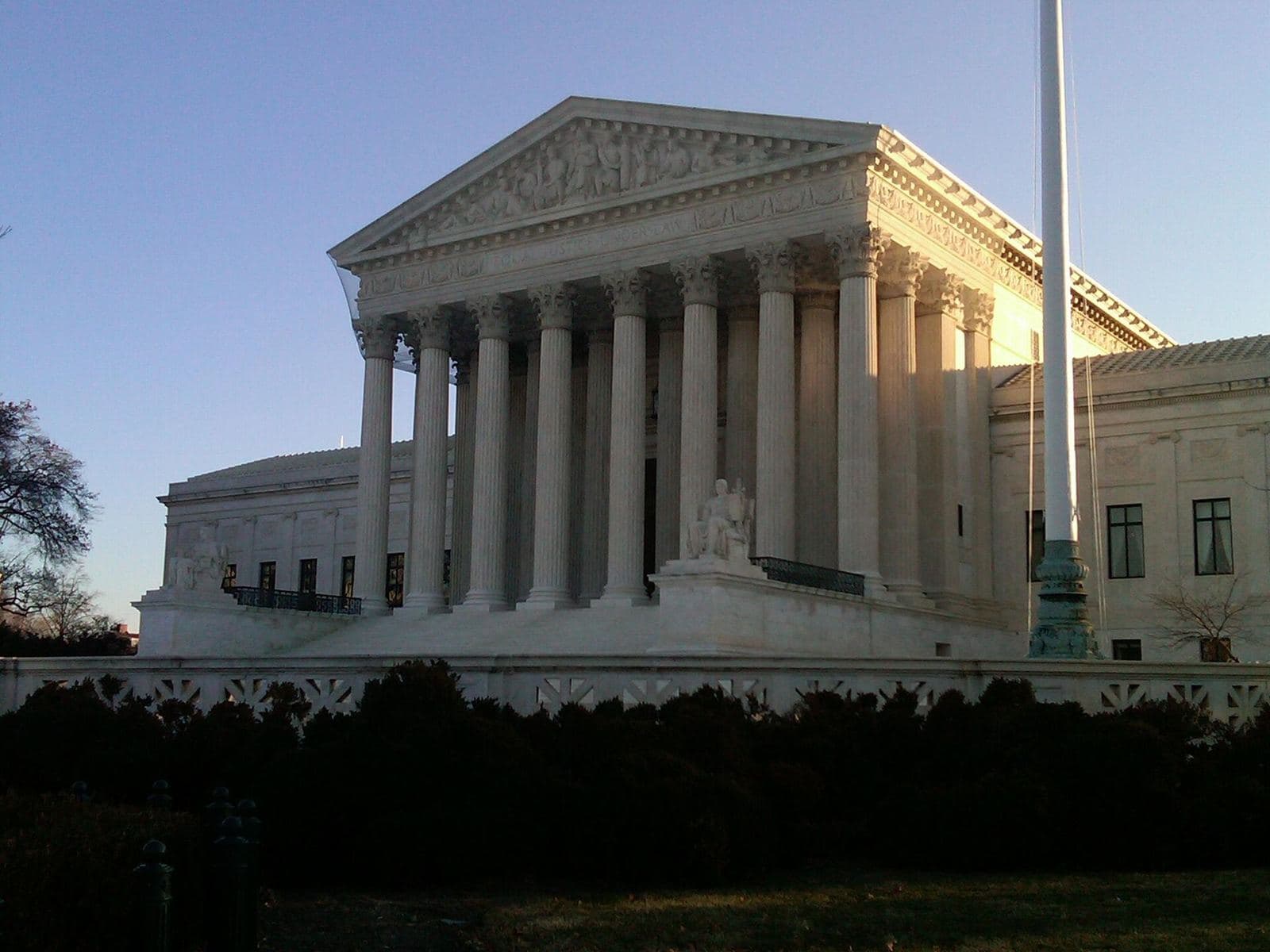
Accountability may ultimately be fought elsewhere. While the data war plays out at the EPA, climate liability cases are heading for Supreme Court arguments — a reminder that the courts, not the reporting programme, may end up deciding who pays for emissions nobody was required to count.