- Electricity Minister Kgosientsho Ramokgopa announced a Section 34 determination for 9.6 GW of new capacity on October 7: 4.6 GW of battery energy storage and 5 GW of gas-to-power, with no new wind or solar in this round.
- The move is driven by a daytime surplus averaging more than 4 GW — curtailment hit 3,000 MW on a single day in winter 2026 and has become “almost a daily routine,” according to NTCSA’s Gav Hurford.
- The 4.6 GW battery allocation is roughly nine times the 513 MW awarded in the country’s first battery bid window, with likely investment “upwards of R90-billion” and stronger localisation requirements.
It is the plot twist nobody in Johannesburg’s energy circles predicted a decade ago: South Africa battery storage is now being procured at scale not to fill gaps, but to mop up abundance. At a Pretoria briefing on October 7, Electricity and Energy Minister Kgosientsho Ramokgopa announced that the government will procure 9.6 gigawatts of new generation capacity under a Section 34 determination — 4.6 GW of battery energy storage plus 5 GW of gas-to-power, and, strikingly, not a megawatt of new wind or solar.
The first determination under the country’s 2025 Integrated Resource Plan pulls forward storage that the IRP had phased more gradually through 2035. Ramokgopa said the procurement was needed to “avert the possibility of market failure,” and the logic is pure arithmetic: South Africa now has too much electricity at midday.
The surplus is a byproduct of two forces converging at once. Eskom’s coal fleet, the notorious source of rolling blackouts that defined the country’s last decade, has been performing far better, while thousands of megawatts of private generation — mostly rooftop and utility-scale solar — have flooded onto the grid. The result is a daytime glut averaging more than 4 GW. Curtailment reached up to 3,000 MW on a single day during winter 2026, and the National Transmission Company of South Africa’s Gav Hurford told the briefing it is now “almost a daily routine.”
That routine is expensive. Under South Africa’s take-or-pay contracts with independent power producers, the buyer pays for curtailed power whether the electrons flow or not — solar farms switched off at midday still get their cheques. Buying 4.6 GW of batteries to absorb the surplus is, in a very direct sense, the cheapest way to stop paying for electricity twice.
What the 4.6 GW South Africa battery storage program entails
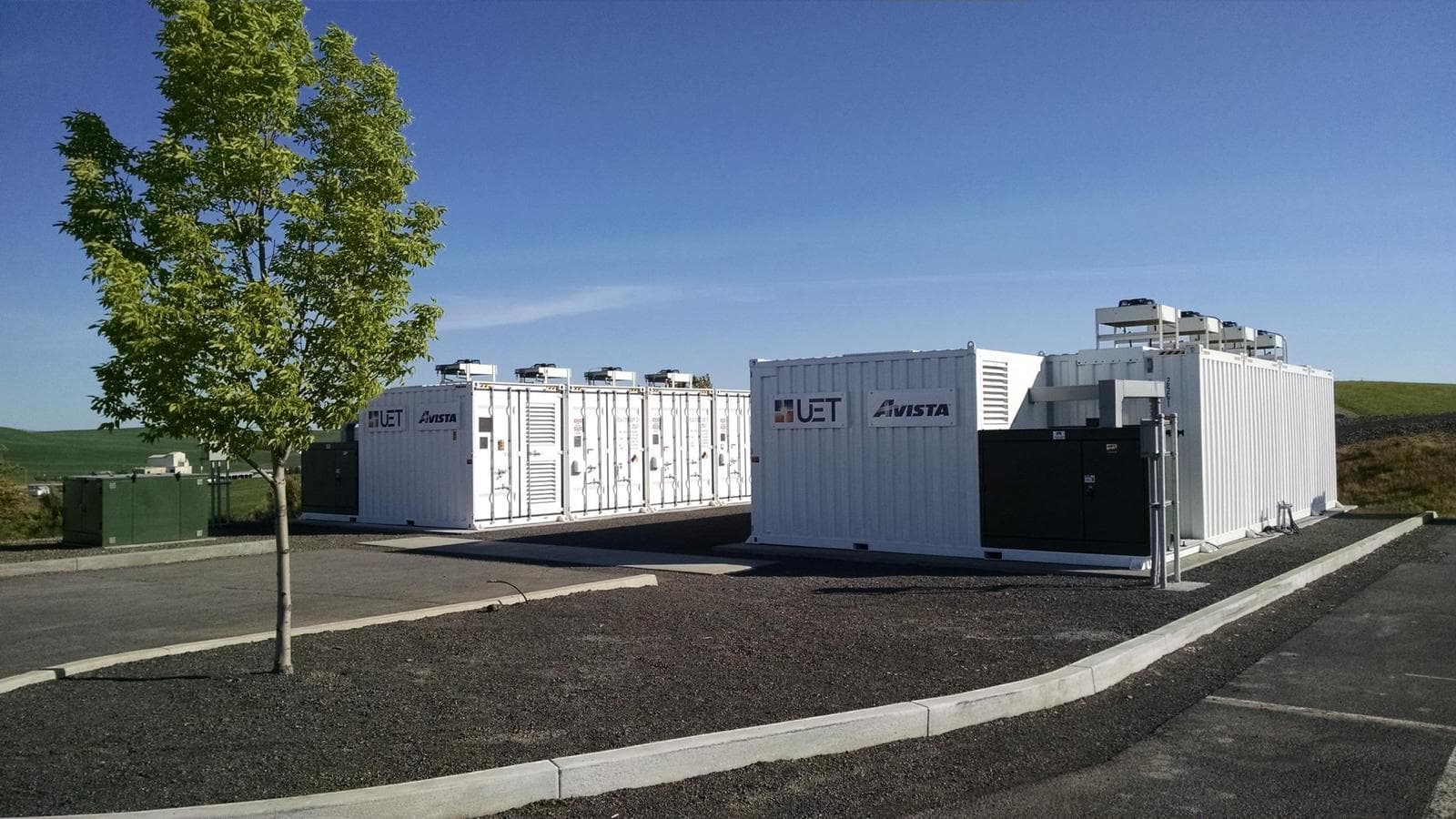
The scale of the South Africa IRP storage procurement is what makes this announcement remarkable. The country’s first battery bid window awarded just 513 MW across five projects worth R15.4 billion. The new allocation is roughly nine times larger. Ramokgopa put the likely investment at “upwards of R90-billion,” with stronger localisation requirements than previous rounds — a signal that Pretoria wants the domestic battery supply chain built alongside the megawatts.
Procurement will run through the Independent Power Producer Office, and the design is pragmatic. The system operator will choose the battery sites, prioritising locations where curtailment is heaviest. Batteries will charge from midday power that would otherwise be thrown away and discharge into the evening peak, when South Africa’s demand — and its old load-shedding memories — run hottest. It is textbook storage economics: buy low, sell high, except the “low” is free surplus.
The gas piece — and the renewable pause
The second half of the determination, 5 GW of gas-to-power, is the insurance policy. Gas plants can run when the sun isn’t shining and batteries are empty, giving grid planners dispatchable capacity to lean on while the system operator learns to run a grid with enormous volumes of variable generation. Gas also has an existing constituency: South Africa has been trying to develop a gas-to-power sector for years, including Karpowership’s long-stalled floating power ships.
The conspicuous absence is new wind and solar. For a country that built its recent procurement reputation on record-breaking renewable auctions, skipping renewables entirely in a 9.6 GW round is a sharp pivot. The rationale is defensible — when you’re curtailing 3,000 MW of existing solar, adding more solar before you’ve built the storage to absorb it is lighting money on fire. But the pause will be watched closely by developers: a second determination is expected for wind, solar, hybrid-with-storage and pumped storage, and the IRP’s long-term target exceeds 105 GW of new capacity by 2039, with more than half of it renewable.
Curtailment economics: why batteries win here
The curtailment numbers explain why storage jumped the queue ahead of fresh generation. Every megawatt of midday solar that gets switched off still earns its contracted tariff — money paid for zero electricity delivered. Batteries convert that stranded surplus into evening supply, effectively extracting double value from generation that’s already been bought. It is the same logic driving record battery storage builds in Britain and Canada’s largest batteries in Alberta, where evening peak prices reward flexible capacity.
The South Africa gas to power 2026 plan in context
The South Africa gas to power 2026 procurement also marks a shift in how Pretoria talks about gas. It is no longer framed as emergency “power barges” to plug a crisis, but as a structural part of a system that now swings between surplus and peak. That framing matters because it changes what gas competes against: not emergency diesel peaking, but the alternative of building even more storage or keeping ageing coal plants running longer.
There is an uncomfortable wrinkle. South Africa’s domestic gas supply is limited, and the country imports LNG at prices exposed to global markets. Committing 5 GW to gas-to-power bets that LNG economics will cooperate over the next two decades — a bet the renewable-heavy first half of the round neatly hedges.
Why this matters beyond South Africa
For American readers, the underlying tension is familiar. The fight at FERC over backstop capacity procurement for data centers in PJM is the same question wearing different clothes: who pays for enough capacity to cover the peaks, and how do planners keep up with demand that shifts faster than procurement cycles? South Africa’s twist is that the “demand” problem arrived in the form of supply — a midday surplus nobody’s planning models predicted.
That inversion is the real story. The load-shedding narrative — Africa’s biggest economy crippled by too little power — is being replaced by the exact problem fast-growing solar markets everywhere will face: what do you do when the cheapest generation you’ve ever built produces more than you can use at midday? South Africa’s answer — batteries first, more renewables after — is the clearest statement yet from a major economy that grid integration, not generation, is now the binding constraint on the energy transition.
Execution is the open question. South Africa’s previous procurement rounds have been strong on announcement and uneven on delivery, and the localisation requirements, while politically attractive, will complicate timelines. But if the 4.6 GW gets built, it will be one of the world’s largest storage procurements by a single country — and a template for every solar-rich grid staring down its own midday glut.
Details of the announcement are covered in TechCentral’s report on the battery plan, the government’s official media statement on the determination, and Reuters’ coverage of the minister’s briefing.