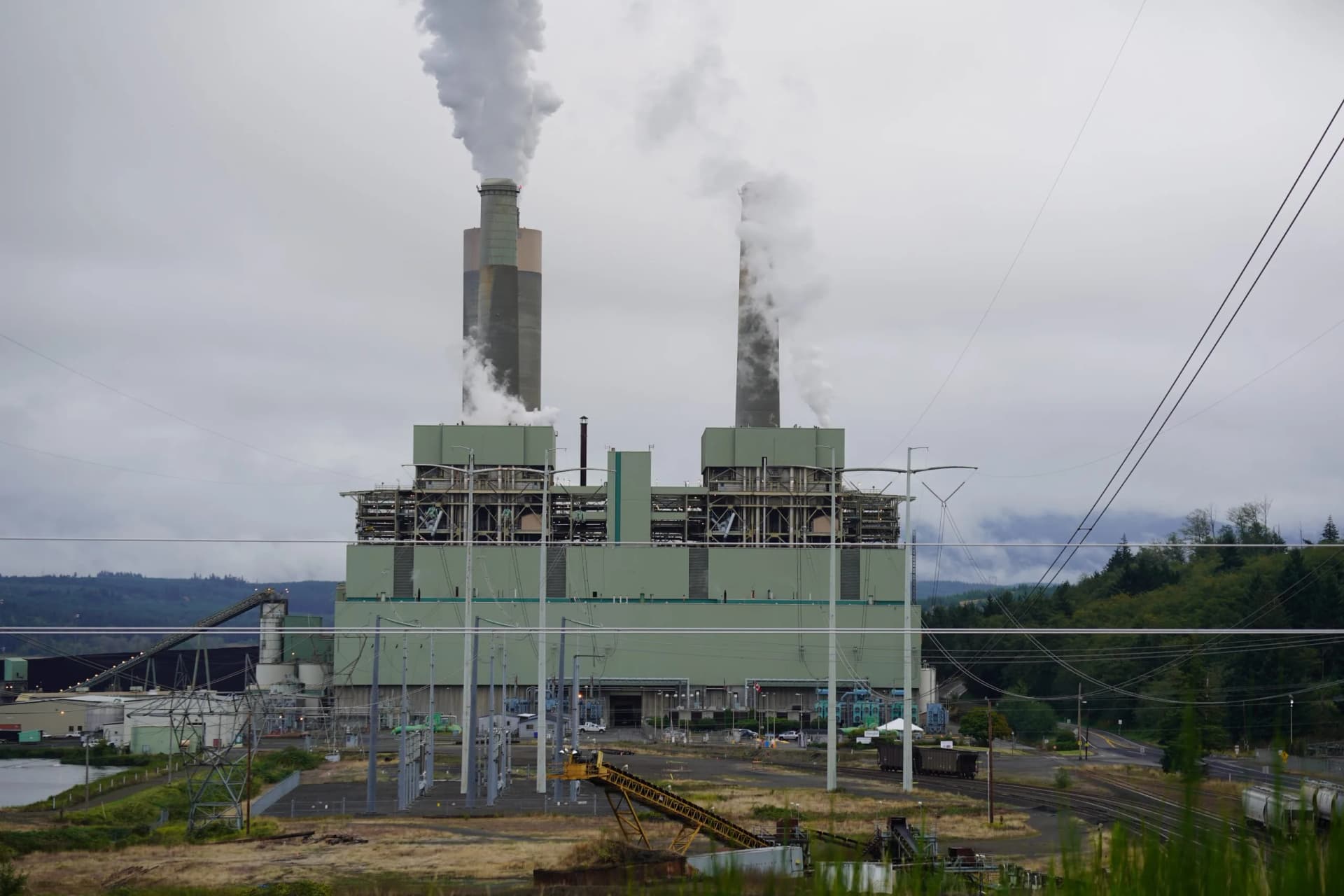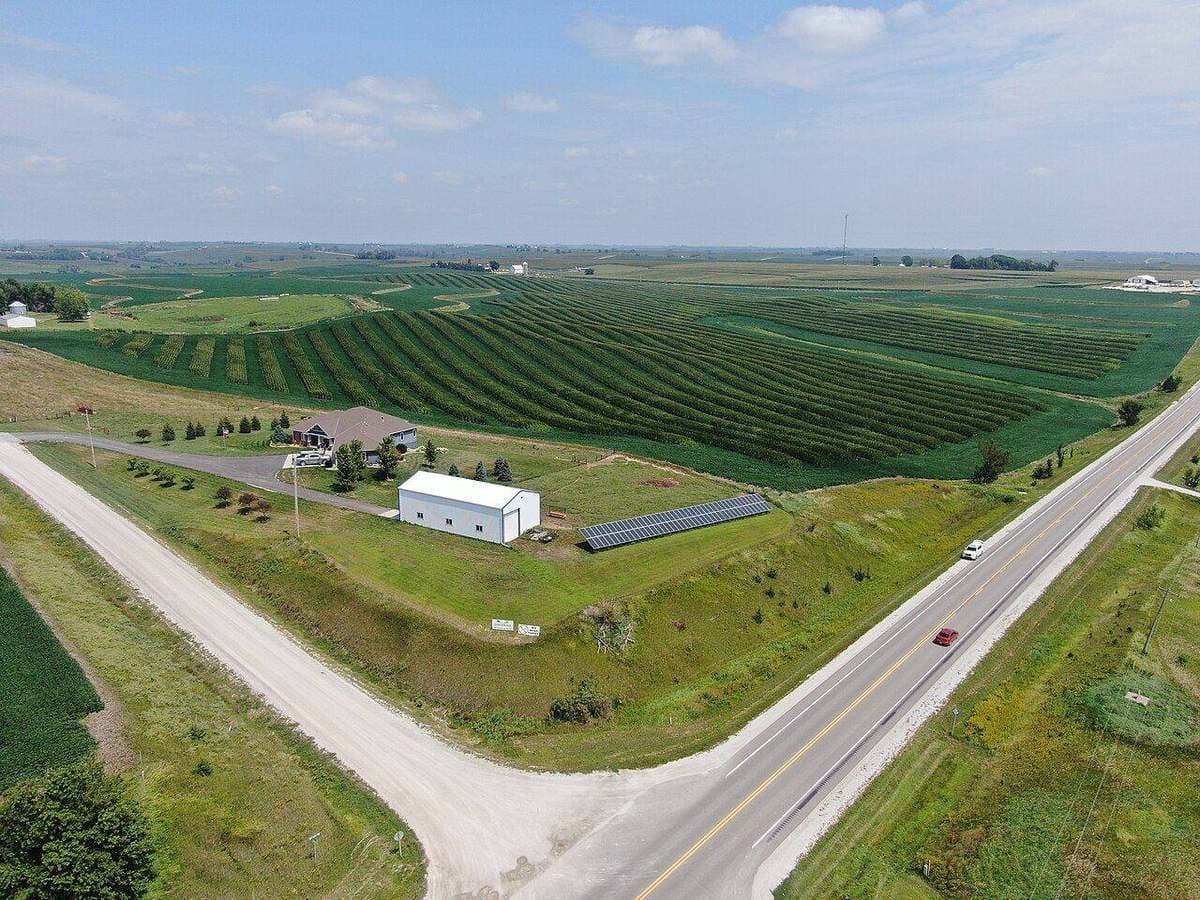
- A final rule titled “Unleashing American Energy and Economic Prosperity”, effective 16 October 2026, rewrites USDA’s Rural Energy for America Program (REAP): farmers may not apply until their project is finished and has logged a full year of energy savings.
- The change replaces a system in which applicants could seek grants worth up to 50% of project cost before breaking ground — a system that channelled more than $4.8 billion into 19,000+ rural projects between 2014 and 2025.
- With nearly two-thirds of recent REAP projects being solar arrays — and more than two-thirds of grants historically landing in Republican-held districts — the rollback concentrates on rural America, and on the administration’s own political base.
The Trump administration has published a final rule that fundamentally rewrites USDA REAP program solar funding rules. Under the new terms of the US Department of Agriculture’s Rural Energy for America Program — better known as REAP — a farmer can no longer apply for a grant until the project is fully built and has demonstrated a full year of energy savings. The rule, titled “Unleashing American Energy and Economic Prosperity”, takes effect on 16 October 2026, ending a months-long freeze during which REAP applications were halted while the regulations were rewritten, as Reuters reported.
Under the old system, farmers and rural small businesses could apply for REAP grants worth up to half of a project’s cost before a single panel was mounted or a single trench dug. That upfront support is what made the programme work as a financing instrument: according to an analysis of USDA data by the National Sustainable Agriculture Coalition (NSAC), REAP channelled more than $4.8 billion in grants and loan guarantees into over 19,000 projects between 2014 and 2025, covering solar and wind installations, manure biodigesters and efficiency upgrades.
What the new USDA REAP solar rules change
The final rule flips the programme’s logic from “apply, then build” to “build, prove, then apply”. A farmer must now finance and complete the entire project out of pocket, operate it for twelve months, and document the energy savings — only then may a grant application be submitted. A USDA spokesperson said the changes “are intended to help the program pay for actual production and results of projects, not just projections.”
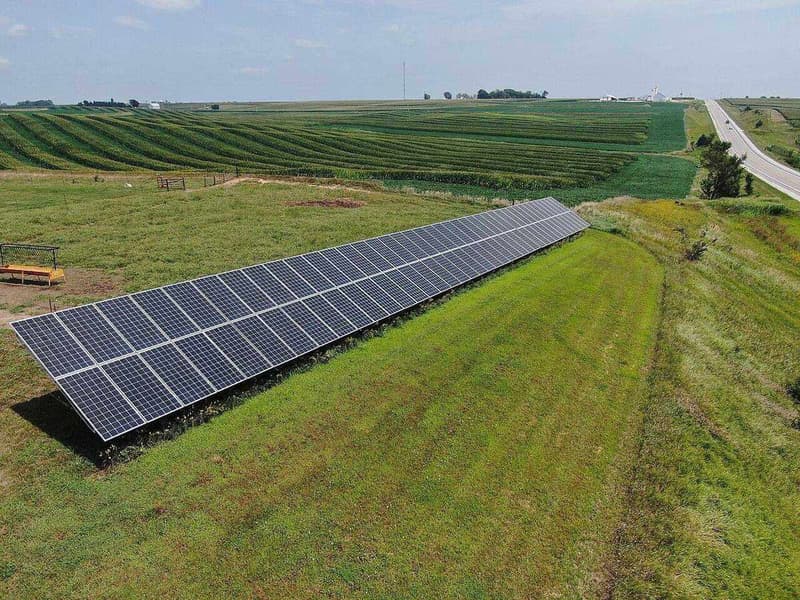
The timing matters because solar dominates REAP. USDA data shows that nearly 64% of REAP projects since 2017 were solar arrays, which let farms generate their own electricity and cut utility bills — a direct use of the grid-economics mechanism explained in our guide to how net metering works for on-site solar. Last year the administration already restricted solar eligibility, with Agriculture Secretary Brooke Rollins arguing that solar arrays were taking prime farmland out of production. The Environmental Law & Policy Center sued the administration in September 2026 over those solar-eligibility changes — a legal fight that is still running in parallel, as ESG News detailed in its account of the $4.8 billion programme.
Rural America feels the cash barrier
The practical question is who can afford to play by the new rules. Veronica McFadden, an Iowa consultant who left a solar company in 2023 to help farmers apply for REAP, laid off all five of her employees in August 2026 after the application freeze destroyed her client pipeline. “Now it’s much riskier. And for small farmers, particularly young farmers … they may not be able to do this, pay it all upfront,” she said.
Michigan dairy farmer Ron Rusk offers a concrete example of what is at stake: he sought a REAP grant toward an $85,000 ground-mounted solar project designed to supply roughly 80% of his farm’s electricity. The grant was never awarded. Richa Patel, a policy specialist at NSAC, said the new sequence puts projects like Rusk’s out of reach: “For a lot of farmers, that just simply won’t be possible, especially with these times already being so financially uncertain.”
Why it matters
The headline numbers describe the scale of the reversal. More than $4.8 billion across 19,000+ projects was delivered through a mechanism that let applicants secure up to 50% cost coverage before construction — and NSAC notes these projects cost anywhere from several thousand to hundreds of thousands of dollars. The new model asks farmers to carry 100% of that cost, plus the risk that the promised savings materialise, before they may even apply. That is not a tweak to eligibility; it is a change of function. REAP stops being a capital-formation programme — money that makes projects happen — and becomes a performance-reward programme: money that recognises projects that already happened. The farmers who need financing most, small and young operations like those McFadden served, are precisely those least able to self-finance. The one-year demonstrated-savings requirement adds a second filter: only projects with predictable, metered output will comfortably qualify, which will in practice tilt the programme toward established technologies and away from first-of-kind farm energy experiments.
The distributional data adds a second layer. A 2025 Brookings Institution analysis found that more than two-thirds of REAP grants went to recipients in Republican-held congressional districts — meaning the rollback concentrates its pain on rural America and on the administration’s own political base. That fact does not make the policy illegal or unusual, but it does reframe the stakes: this is a cut to a programme whose beneficiaries are overwhelmingly the constituencies the administration claims to champion. With the Environmental Law & Policy Center’s September 2026 lawsuit still contesting the solar-eligibility restrictions, the courts may yet have the final word on how much of REAP survives in recognisable form.
What comes next
The rule takes effect on 16 October, but what reopening actually looks like is unclear: applications were frozen through 2026 while the rewrite was under way, and the first grant cycle under the pay-first model has yet to be announced. Farmers considering projects in the meantime face a stark choice — wait for clarity, self-finance and hope, or abandon the project. It is worth noting that REAP is not the only federal channel for rural solar: a federal court recently restored the Solar for All programme, another source of funding for underserved communities, as Joule Post reported. For farmers weighing whether a solar array pencils out without federal help, our explainer on how solar panels actually work walks through the technology and economics step by step.