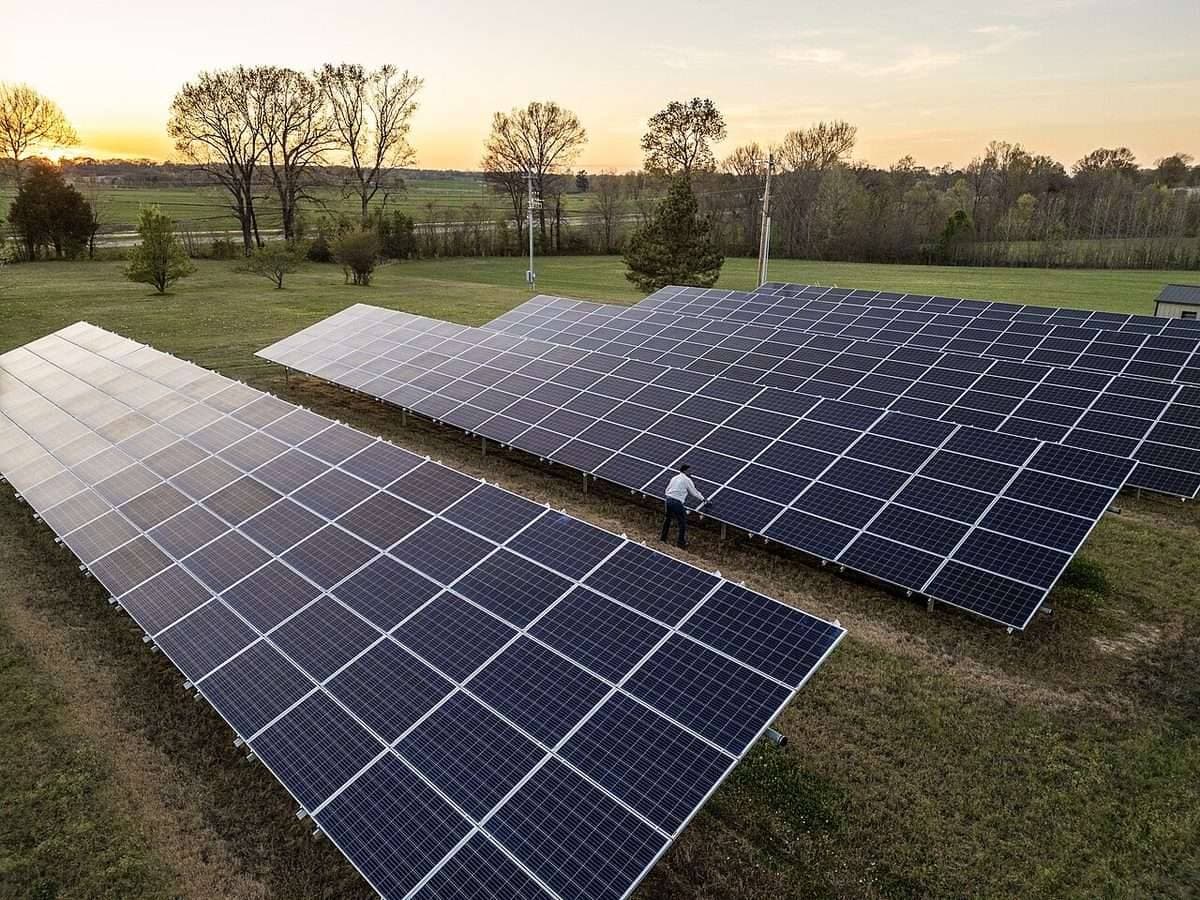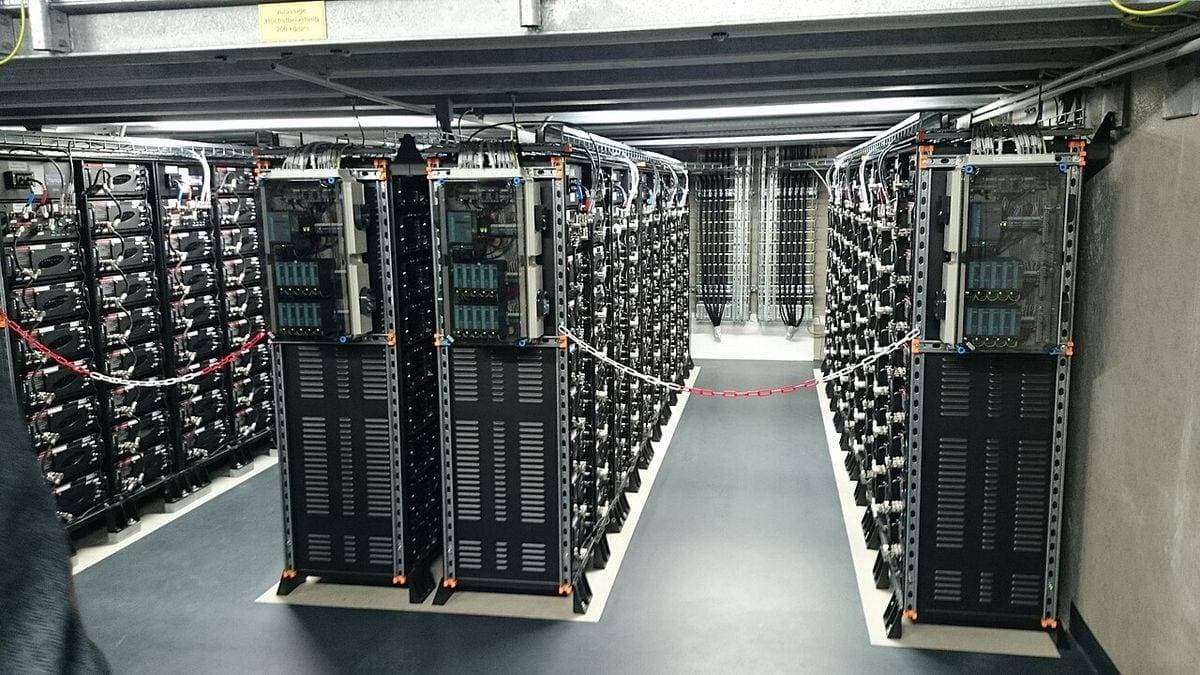
- BW ESS started commercial operations for phase one of Hams Hall, a 350 MW / 1,243 MWh battery in the West Midlands, on 2 November 2026.
- The company describes the project as the largest operating battery in Europe by stored energy, with a second phase taking it to 400 MW / 1,424 MWh.
- A 10-year floor and optimisation agreement with EDF underpins phase-one revenue, and lenders OCBC, Rabobank and Societe Generale provided debt financing.
The commercial structure behind the Hams Hall battery storage project decides financing terms more directly than its scale does. The asset earns money by charging when power is cheap and discharging when power is expensive, and by selling grid services that reward speed and availability. Those revenues swing with weather, demand and market rules, which makes lenders cautious about funding a project on merchant income alone. A floor agreement changes that calculation. EDF guarantees a minimum revenue level for the first phase and optimises the battery through its PowerShift platform, giving the project a revenue base that debt providers can underwrite while preserving upside in strong market conditions.
Financing followed the same logic. BW ESS secured debt financing from OCBC, Rabobank and Societe Generale, with Rabobank acting as facility agent, and the transaction was expected to close at commercial operation. The Hams Hall battery storage project reached commercial operation 20 days after energisation, according to the company announcement reported by Energy Global on 2 November 2026. A 20-day path from energisation to commercial operation is short for a system of this scale, and it reflects commissioning work completed alongside construction rather than after it, with partners including Sungrow, Energy-IO, National Grid and the National Energy System Operator involved in the run-up.
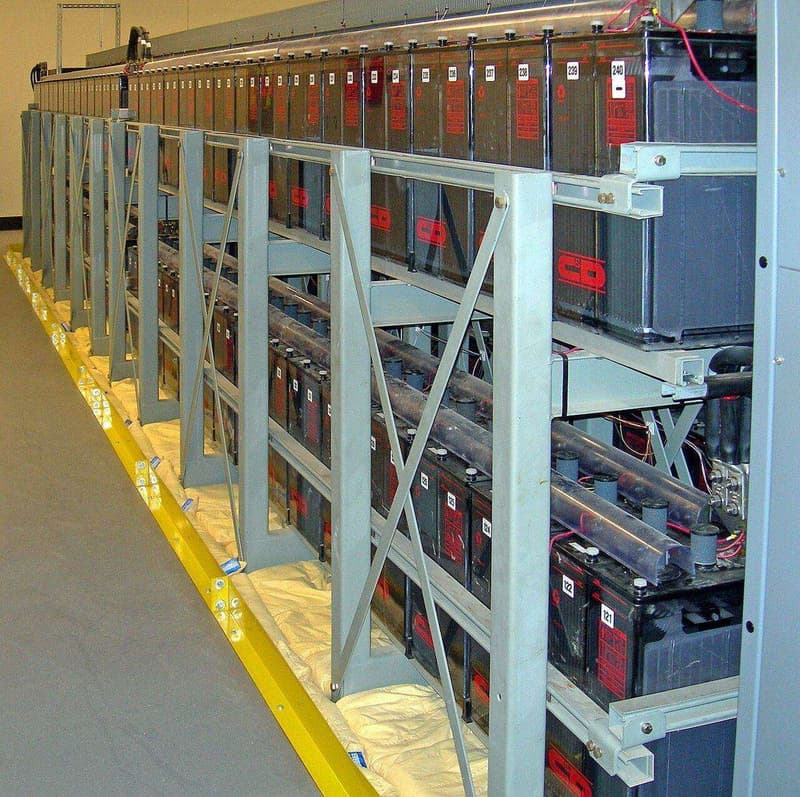
Hams Hall battery storage and the 1,243 MWh first phase
Hams Hall sits adjacent to National Grid Hams Hall substation in the West Midlands, a 400 kV connection point that gives the battery direct access to the transmission network. Location at a strong grid node matters for a battery, because the value of stored energy depends on the ability to charge and discharge at full power without a congested connection throttling output. A battery beside a major substation can respond to grid needs across a wide area, while a battery behind a constrained local connection can only serve the loads and generation on its side of the constraint.
The first phase stores 1,243 MWh at 350 MW of power. Dividing energy by power gives a duration of 3.55 hours at full discharge, which places Hams Hall at the long end of the 2-to-4-hour category that dominates new grid batteries. Duration decides the job a battery can do. A sub-hour battery earns its keep on frequency response. A 2-to-4-hour battery shifts midday solar into the evening peak. A 3.55-hour battery covers a longer evening peak and retains useful capacity for a second, shorter discharge later in the night, subject to the operating strategy EDF sets through PowerShift.
Phase two adds 50 MW of power and 181 MWh of energy, taking the site to 400 MW / 1,424 MWh and a duration of 3.56 hours. The near-identical duration shows that phase two extends the same design rather than changing the operating profile. At full capacity, BW ESS says the project can support the electricity needs of around 1.3 million homes for up to 3.5 hours, a figure the company compares with the number of households across Greater Manchester. Joule Post arithmetic from the company figures gives about 1.10 kWh per home over the 3.5 hours, an average draw of about 313 watts per home, which is consistent with a night-time household load rather than a peak evening load. The homes figure is a scale illustration from the company. It does not mean 1.3 million specific homes will draw power from Hams Hall.
What 3.55 hours of duration buys the UK grid
The UK grid problem Hams Hall addresses is the evening ramp. Solar output falls toward sunset while demand rises as people return home, cook and heat their homes. Wind output varies with weather systems and cannot be scheduled to fill the gap. A battery charged from surplus wind overnight or surplus solar at midday discharges through the ramp, reducing the need to start gas peaking plant for a few hours. The longer the duration, the further into the evening the battery can carry the load, and the fewer peaking starts the grid operator needs to call.
Hams Hall also strengthens the case for more wind and solar connections in the region. A grid with limited storage must curtail renewable output when generation exceeds demand, wasting energy that was already paid for in capital costs. Storage absorbs that surplus and returns it when demand rises, raising the usable output of existing renewable plant without building new generation. The effect is modest for a single project and cumulative across a fleet. For the distinction between power and energy that governs every battery headline, see Battery Energy Storage Explained.
| BW ESS UK battery | Power | Energy | Duration |
|---|---|---|---|
| Hams Hall, phase one | 350 MW | 1,243 MWh | 3.55 hours |
| Hams Hall, full site | 400 MW | 1,424 MWh | 3.56 hours |
| Bramley, Hampshire | Not stated in the announcement | 331 MWh | Not stated |
| Berkswell, under construction | Not stated in the announcement | 857 MWh | Not stated |
The table uses only figures from the BW ESS announcement as reported by Energy Global. Hams Hall phase one stores 3.76 times the energy of Bramley, the other operating BW ESS battery in the UK, and 1.45 times the energy of Berkswell, which is under construction. The three projects together, plus the wider Ardenham portfolio, show a deliberate pattern: large batteries at strong grid nodes, operated under long-term revenue agreements, rather than a scatter of small sites chasing short-term price spikes.
Ardenham portfolio and the European scale claim
Hams Hall forms part of the 2.6 GWh Ardenham portfolio, co-owned by BW ESS and AIP Management, an energy and decarbonisation investor. Portfolio ownership matters for operations, because a fleet of batteries can be optimised together, with one site charging while another discharges, and maintenance scheduled without losing the whole fleet at once. It also matters for financing, because a portfolio diversifies the revenue risk that a single site carries. Lenders and floor providers price that diversification, which is one reason large portfolios attract debt on terms a standalone project cannot match.
The claim that Hams Hall is the largest operating battery in Europe by stored energy rests on the MWh figure. Larger batteries by power exist, and larger batteries by energy are under construction in several countries, including the 7,800 MWh connected in Saudi Arabia reported in our grid battery guide. The European operating record is a moving target, and a project under construction today can take the title at its own commercial operation date. The durable fact in the announcement is narrower and more useful: 1,243 MWh entered commercial operation in the UK on 2 November 2026, under a 10-year revenue floor, at a major substation, 20 days after energisation. That combination of scale, contract and speed is the benchmark other UK projects will be measured against, whether or not the European record survives the next commissioning.
Erik Strømsø, chief executive and co-founder of BW ESS, said the project was built and commissioned on budget and ahead of schedule, calling it a remarkable achievement for a system of this scale and complexity. The statement is a company claim, and the schedule claim can only be checked against the original construction timetable, which the announcement does not publish. The commercial operation date itself is verifiable from the announcement and from the grid connection record that follows it. No completion date for phase two was stated in the announcement, so the full 400 MW / 1,424 MWh figure remains a planned total rather than an operating total.
Sources: