- India’s Union Cabinet approved ₹14,500 crore (Indian rupees) in viability gap funding for grid-scale energy storage on 4 November 2026.
- The scheme supports 92 GWh of capacity not yet commissioned: 60 GWh pumped hydro, 30 GWh batteries and 2 GWh alternative technologies.
- Total investment is estimated at ₹97,600 crore, with the scheme running from FY 2026-27 to FY 2030-31.
The India energy storage VGF 92 GWh scheme covers only about a seventh of the money the projects are expected to need. The grant equals 14.9% of the ₹97,600 crore total investment the government estimates, by Joule Post arithmetic, so private developers and lenders must supply the remaining 85%. The new capacity also equals 170% of India’s present grid-scale storage capacity, which implies a current base of about 54 GWh, again by Joule Post arithmetic from the official figures.
The Union Cabinet, chaired by Prime Minister Narendra Modi, approved the Viability Gap Funding scheme for the development of grid-scale energy storage systems on 4 November 2026. Information and Broadcasting Minister Ashwini Vaishnaw announced the decision at a Cabinet briefing in New Delhi. The funding runs from FY 2026-27 to FY 2030-31 and supports capacity that has not yet been commissioned.
Pumped hydro takes 65% of the India energy storage VGF 92 GWh scheme
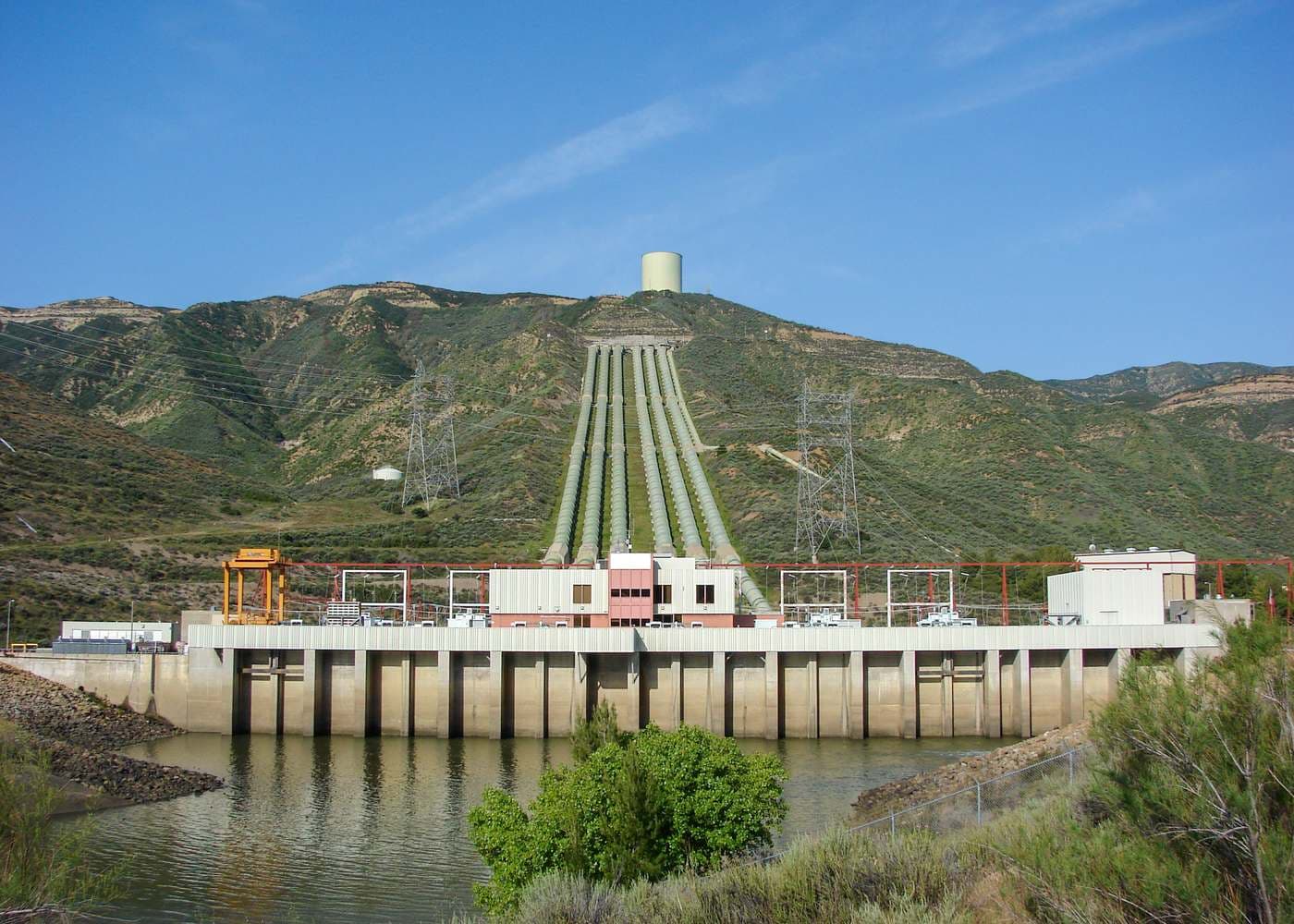
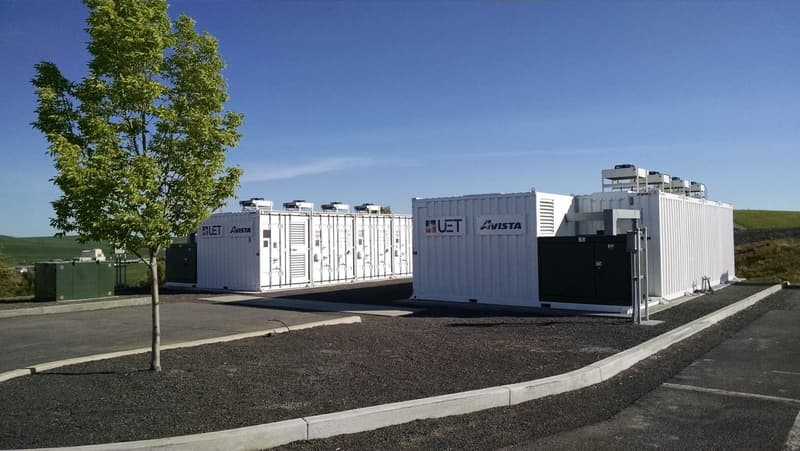
Pumped hydro storage takes the largest share of the scheme at 60 GWh, or 65.2% of the 92 GWh total by Joule Post arithmetic. Battery energy storage systems take 30 GWh, or 32.6%, and alternative storage technologies take the remaining 2 GWh, or 2.2%. The split favours the older, longer-duration technology over batteries, which fits pumped hydro’s role in storing energy across many hours, while batteries handle shorter balancing jobs on the grid.
| Technology | Capacity | Share of 92 GWh | Blended VGF per GWh |
|---|---|---|---|
| Hydro pumped storage | 60 GWh | 65.2% | See note below |
| Battery energy storage (BESS) | 30 GWh | 32.6% | See note below |
| Alternative technologies | 2 GWh | 2.2% | See note below |
| Total | 92 GWh | 100% | ₹157.6 crore |
Spread evenly, the grant averages ₹157.6 crore per GWh of new capacity, by Joule Post arithmetic from the ₹14,500 crore total divided by 92 GWh. That average mixes three technologies with very different costs, so it describes the scheme as a whole rather than the support any single project will receive. The release does not publish a per-technology split of the grant.
Batteries carry a 40% domestic content rule
Battery projects under the scheme must meet a minimum domestic content requirement of 40%, a rule designed to build Indian manufacturing and cut dependence on imported cells and components. Capacity will be allocated through tariff-based competitive bidding. Public and private sector distribution companies are eligible for viability gap funding for battery and pumped hydro projects, while alternative-technology projects will be implemented by public and private sector entities.
The domestic content rule is the scheme’s industrial policy in miniature. India has spent the last two years building battery cell capacity through supply-side incentives, and a demand-side rule that reserves part of every funded battery project for Indian-made content gives those factories a guaranteed market. The risk runs the other way too: if domestic cell supply cannot keep pace with the 30 GWh battery share, the rule could slow bidding or raise project costs until local capacity catches up.
The scheme follows state-level storage policy moves in India, including Tamil Nadu’s battery storage policy covered by Joule Post: Tamil Nadu Battery Storage Policy 2026. How grid batteries store and release power is covered in Joule Post’s storage explainer: Battery Energy Storage Explained. Anujesh Dwivedi, Partner at Deloitte India, said: “With the sharp rise in pace of RE generation capacity addition, especially over the last two years, scaling up energy storage has become an immediate priority for the Indian power system. The focus on pumped hydro, in addition to BESS and alternative technologies is the key highlight of the new VGF Scheme,” as quoted by The Hindu BusinessLine.
92 GWh against a 411 GWh target for 2031-32
The scheme is sized against a much larger requirement. India needs an estimated 411 GWh of grid-scale storage capacity by FY 2031-32, according to the release. The current base of about 54 GWh plus the 92 GWh in this scheme reaches about 146 GWh, leaving roughly 265 GWh still to be built or funded through other routes, by Joule Post arithmetic. The scheme is therefore a first large step rather than the full answer, and later rounds will decide whether the 411 GWh target stays in reach.
The timing matters because India’s renewable build-out has outrun its storage. Solar and wind capacity additions have risen sharply over the last two years, and each new gigawatt of variable generation adds to the evening balancing problem, when solar output falls and demand stays high. Storage fills that gap by charging in the middle of the day and discharging after sunset, which is why the release frames the scheme as a step toward round-the-clock renewable power rather than as a capacity number on its own.
The next data points are the bidding timetable, the first awards under tariff-based competitive bidding, and the split of projects across states, none of which the release specifies. The 40% domestic content rule will also test how fast Indian battery manufacturing can scale to meet the 30 GWh battery share, and the pumped hydro share will test how quickly large hydro projects can move from approval to construction.