- FERC suspended PJM’s one-time Reliability Backstop Procurement — a 6.8 GW emergency capacity auction driven by data center demand — until February 28, 2027.
- The commission accepted the proposal’s core but opened a paper hearing on cost allocation, collateral rules, and transmission-owner exit provisions.
- The order tells PJM to revise its plan so data centers cover the costs of the power they are driving, and warns that PJM’s standard capacity auction has “failed to keep pace” with large-load growth.
The Federal Energy Regulatory Commission has hit pause on the largest emergency power procurement in recent U.S. grid history. On September 29, the commission issued an order accepting — then suspending until February 28, 2027 — PJM Interconnection’s proposed Reliability Backstop Procurement, a one-time auction designed to close a 6,831-megawatt capacity shortfall driven overwhelmingly by data center load growth.
PJM, the nation’s largest grid operator, had planned to start accepting offers the very next day, September 30, and run the procurement through October 21. That timeline is now dead. The grid operator has not set a new one.
What the backstop was supposed to do
The backstop grew out of PJM’s base capacity auction for the 2028/29 delivery year, which came up 6,831 MW short of its reserve margin target — with only 525 MW of new generation clearing. Confronted with that gap, PJM’s board approved a one-time supplemental procurement targeting about 6.8 GW of new capacity, with contracts stretching up to 15 years and an offer cap of $555 per MW-day on a MW-weighted average basis. One trade publication estimated the program’s potential value at roughly $20 billion.
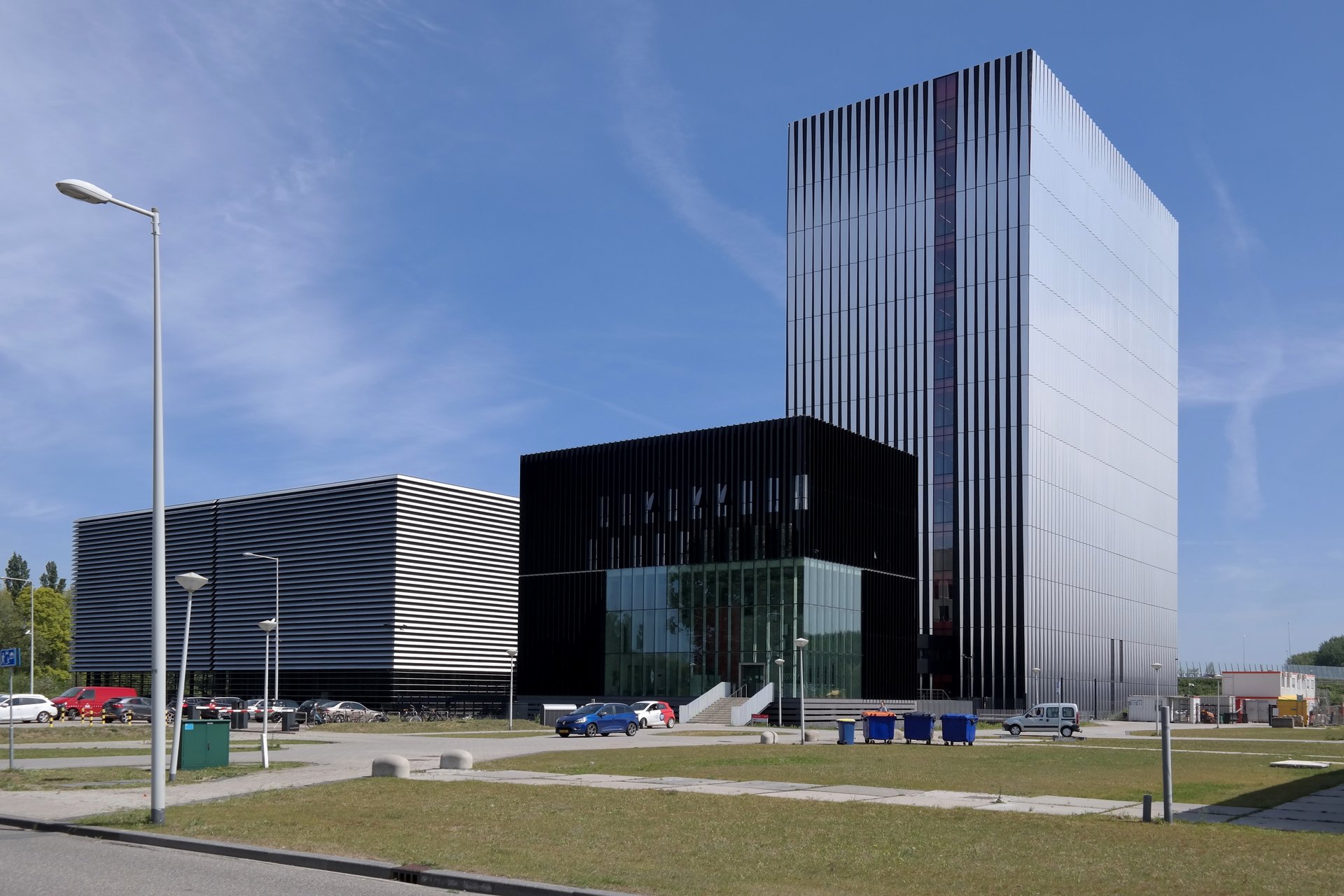
The driver is no mystery. PJM’s tariff filing forecasts peak load growing by 32 GW between 2024 and 2030 — and 30 GW of that is data centers. The board’s decision cites about 70 GW of new large load arriving by 2038, against 15 GW of generation retired since 2022. PJM’s independent Market Monitor measured July peak data center load rising from 5,036.9 MW in 2023 to 8,167.2 MW in 2025 — a 62% jump in two years — and projects 93,916.3 MW of data center peak load operating by June 2031.
FERC’s blunt assessment: the system designed to handle this influx is not working. In the order, the commission said PJM’s existing tariff “may be unjust and unreasonable” because its backstop provisions are “insufficient to prevent the grave resource adequacy concerns” at hand, adding that the standard capacity auction, the RPM, “has failed to keep pace with the unprecedented influx of large load into the PJM Region in recent years.”
The consumer-protection fight
The commission’s core objection was who pays. FERC opened a paper hearing on cost allocation, collateral requirements for load-serving entities, and transmission-owner exit rules — and denied PJM’s request to let municipal utilities and cooperatives opt out of the procurement, finding it would discriminate against load-serving entities hosting data centers.
The message from the commissioners was unusually sharp. FERC Chair Laura Swett wrote:
“This Commission will not be forced into accepting a deeply flawed, eleventh-hour procurement mechanism with billion-dollar implications for consumers.”
Swett also offered a path forward: “We are prepared to promptly act on a subsequent proposal that addresses the concerns raised … the region’s reliability hangs in the balance.”
Commissioner Lindsay S. See, concurring, put the cost-causation principle in a single line:
“Existing customers should not be left paying costs attributable to new demand.”
See expanded on the point, arguing that “customers that drive new costs should bear appropriate responsibility for them” — a principle she called “particularly important here where PJM proposes a backstop procurement specifically to deal with the capacity shortfall that rapid load growth largely drove.” FERC also directed PJM to sharpen its data center demand forecasting, saying it should rely on more up-to-date load forecasts when assigning costs — a nod to the industry-wide problem that many data center interconnection requests turn out to be speculative, leaving planners guessing about real demand.
PJM’s next move
The order leaves PJM with two paths: work through the paper hearing toward the February 28, 2027 effective date, or file a revised proposal under its Federal Power Act section 205 rights “without delay” — a filing FERC said could shorten the delay. PJM spokesman Jeff Shields said the operator is working on incorporating the directives:
“We remain focused on advancing solutions that maintain reliability, appropriately allocate costs to the customers driving those costs, and protect consumers as the region navigates significant demand growth.”
According to PJM’s pre-delay schedule, results from the backstop were expected in early December — ahead of the standard capacity auction for the 2029/30 delivery year. That sequencing is now scrambled, and the grid operator has not said when procurement will begin.

Why this matters for clean energy
At first glance this is a story about data centers and household bills. But the subtext is about what kind of generation gets built next. A 6.8 GW shortfall in the country’s biggest wholesale market is a signal flare for developers — and the commission’s insistence that cost-causers pay is, in practice, an insistence that new large loads underwrite new supply rather than socializing the bill. Watch how PJM rewrites the cost-allocation provisions: if large-load customers end up signing long-term bilateral deals with new generators — wind, solar, storage, and gas alike — the backstop could quietly become one of the biggest drivers of new clean capacity procurement in the eastern U.S.
The harder question is whether any procurement mechanism can move fast enough. The shortfall is real, the data centers are coming regardless, and FERC just took five months off the clock. What fills the gap between now and 2027 — and at what price — will set the terms for the next decade of load growth across 13 states and the District of Columbia.