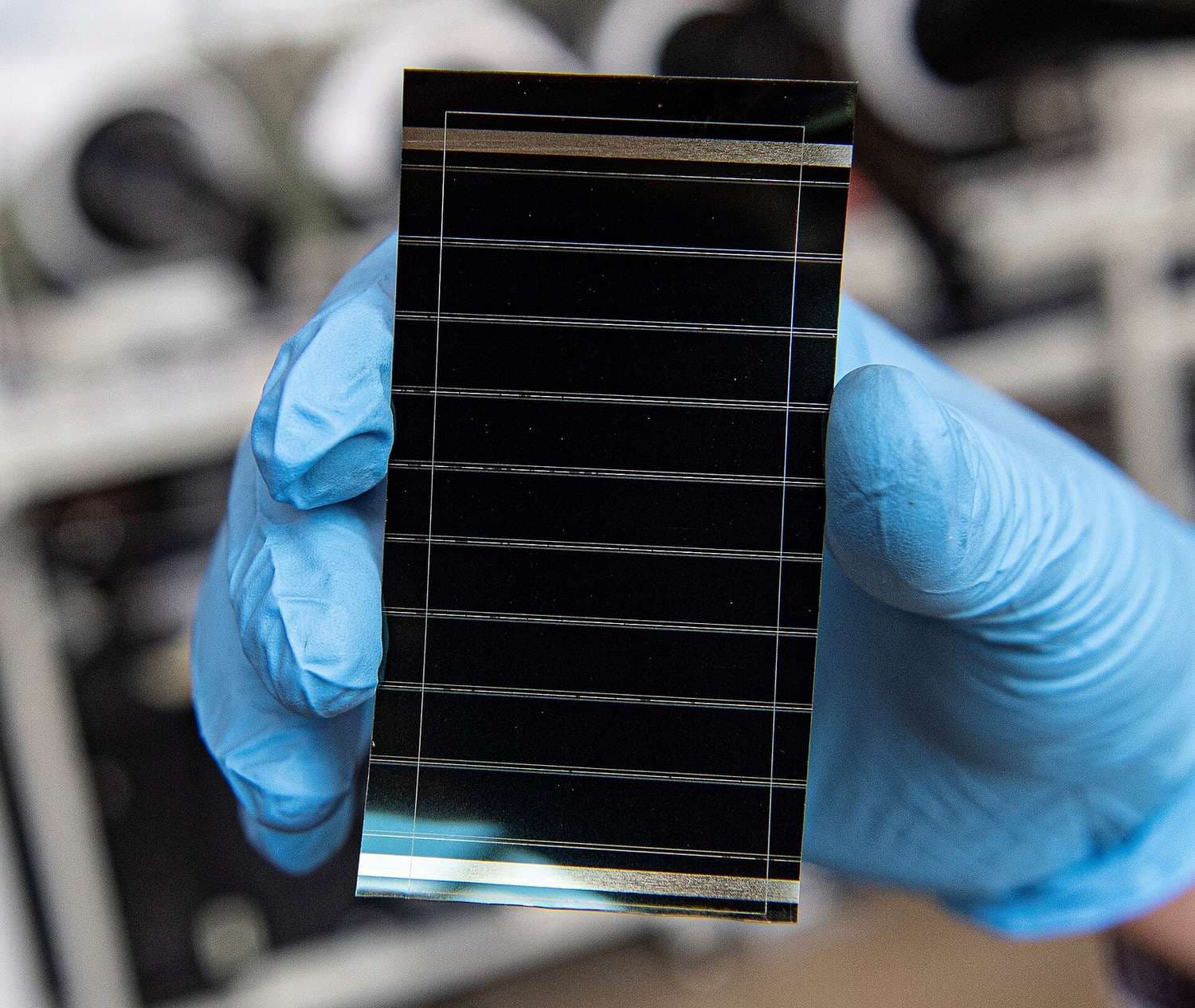

- thyssenkrupp nucera will open its first company-operated central assembly hub for electrolyzer cells in Vila Nova de Gaia, Portugal, consolidating production previously spread across customer-run manual workshops.
- The leased 7,500 m² facility at VGP Park represents a €10–14 million investment, with around €3.7 million in Portuguese government support under COMPETE2030.
- Construction begins this winter and cell assembly starts in 2028 — with the first cells destined for Moeve’s Onuba project in Spain — as European OEMs race to industrialize production against Chinese competitors.
The push to industrialize electrolyzer manufacturing in Europe took a concrete step this week as thyssenkrupp nucera announced its first company-operated central assembly hub for electrolyzer cells. The German electrolysis specialist confirmed on October 6, 2026 that it has leased a building of more than 7,500 square meters at the VGP Park in Vila Nova de Gaia, south of Porto in Portugal, where construction will begin this winter and cell assembly is scheduled to start in 2028.
For an industry whose equipment costs remain the biggest barrier to affordable green hydrogen, the move is less a property announcement than an industrialization milestone. Until now, the cells for nucera’s standardized scalum® 20 MW alkaline water electrolysis units have been assembled in decentralized, customer-operated manual workshops. Centralizing that work in a semi-automated hub is precisely the manufacturing scale-up the green hydrogen sector needs to bring down equipment costs — and it plants a flag for European electrolyzer production at a time when Chinese manufacturers are expanding aggressively.
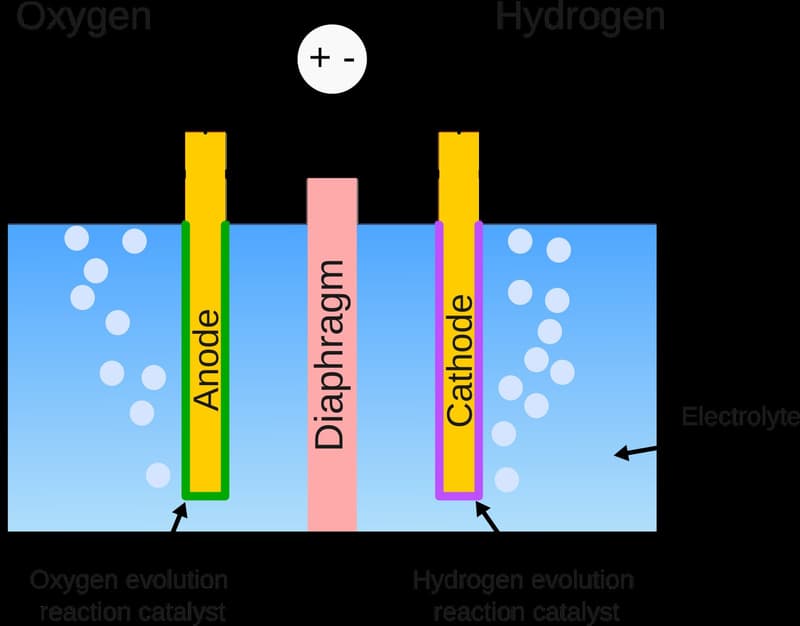
Why Centralized Electrolyzer Manufacturing in Europe Matters
Green hydrogen’s economics hinge on electrolyzer cost. While renewable electricity is the largest single cost component of green hydrogen over a project’s lifetime, the capital cost of the electrolyzer stack — and the speed and reliability with which it can be delivered — shapes how fast projects move from announcement to final investment decision. Industry-wide, electrolyzer pricing has fallen, but progress has been slowed by fragmented, low-volume, manual production.
nucera’s hub directly attacks that bottleneck. By consolidating cell assembly in one facility rather than scattering it across customer sites, the company can standardize processes, automate more steps, and build the kind of production discipline that exists in automotive or battery manufacturing. CEO Dr. Werner Ponikwar described the move as a milestone in automation and assembly efficiency, and “a clear commitment to Europe as an industrial location” — a phrase that reads as deliberate positioning in a market where European original equipment manufacturers (OEMs) are racing to keep pace with Chinese rivals that already benefit from domestic scale.
The Hub in Detail: Vila Nova de Gaia
The facility will sit in VGP Park, a logistics and light-industrial development in Vila Nova de Gaia, just across the Douro river from Porto. The leased building covers more than 7,500 square meters and will initially assemble cells for alkaline water electrolysis — the mature, workhorse technology behind nucera’s scalum® platform of standardized 20 MW modules.
The investment totals between €10 and €14 million, with approximately €3.7 million in funding from the Portuguese government under the COMPETE2030 program, which channels EU and national funding into competitiveness and innovation. The public co-financing is significant beyond its euro value: it signals that Portugal — and by extension the European Union’s regional development apparatus — sees electrolyzer production as strategic industrial capacity worth subsidizing.
Construction and Production Timeline
Construction on the fit-out begins in winter 2026, with cell assembly targeted to start in 2028. The first customer is already lined up: the hub’s initial output will supply cells for Moeve’s Onuba project in Spain, beginning in 2028. Beyond that anchor project, nucera says the hub will serve demand across Europe and neighboring regions — a continental supply strategy rather than a site-dedicated workshop.
The two-year runway to first production is realistic for a new manufacturing footprint, but it also sets up the question the whole sector will be asking: whether the 2028 date holds. Electrolyzer manufacturers including Nel, ITM Power, and John Cockerill have all navigated factory delays or scaled-back timelines as hydrogen project final investment decisions slipped. nucera’s advantage here is the anchor customer: Moeve’s Onuba project gives the hub a demand floor that speculative capacity expansions lacked.
The Competitive Context: European OEMs vs. Chinese Manufacturers
The backdrop to the Vila Nova de Gaia announcement is the growing cost pressure from Chinese electrolyzer manufacturers, which have leveraged domestic gigafactories and aggressive pricing to win share in export markets. European OEMs have argued that standardized, automated production is their answer — competing on efficiency, quality, and bankability rather than chasing the lowest unit price.
nucera’s move is one data point in a broader European manufacturing push. The company is not alone: rivals are similarly investing in factory scale, and the European hydrogen demand picture is taking shape through cross-border pipeline projects like the South Hydrogen Corridor, where five nations signed the Algiers declaration to bring North African green hydrogen into Europe. Demand infrastructure and supply infrastructure have to grow together — pipelines are worth little without competitively priced electrolyzers feeding them.
The comparison with solar manufacturing is instructive, and cautionary. Europe watched photovoltaic production migrate east despite early technological leadership, then spent years trying to rebuild it — as seen in current efforts to reshore solar manufacturing in the United States. nucera’s bet is that the electrolyzer industry, still early in its scale-up curve, can still be industrialized on home soil before cost curves are set elsewhere.
What to Watch Next
Three questions will define whether this hub becomes a template for the industry or a cautionary footnote:
- Competitor response. Will Nel, ITM, and John Cockerill answer with their own centralized assembly strategies, or will nucera’s semi-automated approach set a new benchmark for European production?
- The 2028 timeline. Construction discipline and customer demand both have to hold. Watch for updates on the fit-out progress through 2027 and any pre-commitments beyond the Moeve Onuba anchor.
- Automation depth. The real payoff is per-unit cost reduction. Whether the hub delivers genuinely semi-automated production — or mostly a consolidated manual process — will determine how far equipment costs fall.
If nucera executes, Vila Nova de Gaia could become the reference case for how electrolyzer manufacturing matures from bespoke workshop work into industrial production — and a proof point that Europe can still build the machines for its own energy transition.
Sources: Chemical Engineering, Global Hydrogen Review.