- Virtus Solis Technologies has signed a 20-year power purchase agreement with Brae Systems — described by the companies as the world’s first commercial PPA for space-based solar power.
- The deal starts at 100 MW of continuous orbital baseload power (876,000 MWh per year), delivered to a receiving station in Illinois, with an option to expand to 250 MW.
- Brae will pair the power with subsea GPU data centers; Virtus Solis plans a public wireless power-transfer demonstration in March 2027 and an orbital pilot within about two years.
Solar power collected in orbit and beamed to Earth has been a serious engineering concept since the late 1960s. On September 30, it took its first step toward becoming a commercial business: Virtus Solis Technologies announced a 20-year power purchase agreement to supply continuous, space-based solar power to Brae Systems, a developer of subsea data centers.
The companies describe it as the first solar PPA ever signed for power generated in space — and Virtus Solis says it is the first of a series of commercial offtake agreements it expects to announce over the coming months.
What the deal covers
Under the agreement, Virtus Solis will supply 100 MW of 24/7 orbital baseload solar power, delivering 876,000 MWh per year, through a dedicated terrestrial receiving station to be built in Illinois. The contract includes an option for Brae to expand to 250 MW — 2.19 million MWh per year — within three years of initial commercial operations. The companies describe the arrangement as a multi-billion-dollar lifetime contract commitment.
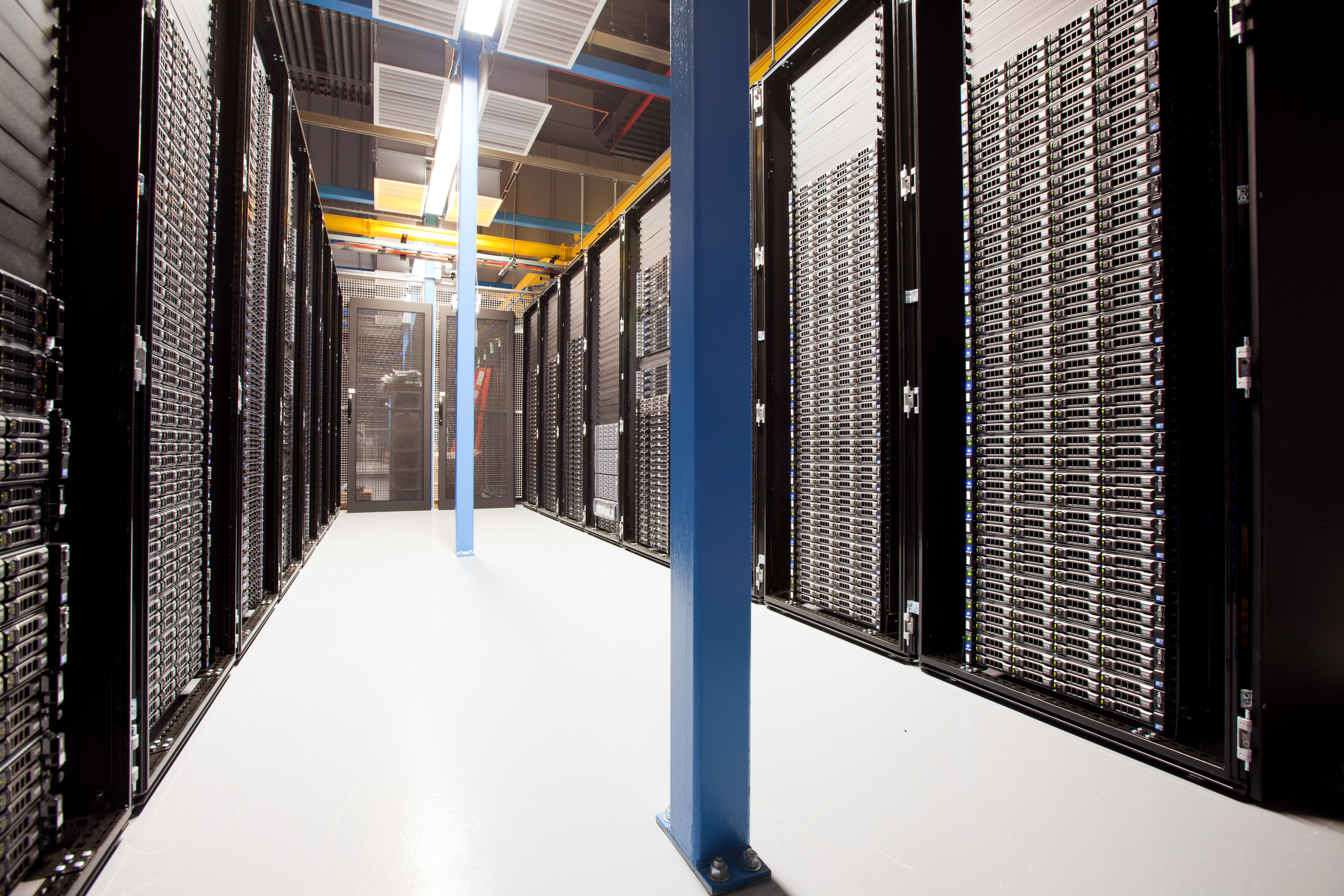
The pairing is deliberately engineered around the two scarcest resources in the AI infrastructure boom: electricity and cooling. Brae Systems builds high-performance GPU data centers designed to sit in underwater environments, where cold water provides effectively unlimited free cooling and marine deployment sidesteps the land constraints and grid queues that throttle terrestrial data centers. Orbital solar power, which never sets, would give those submerged computers a firm clean-power supply that does not depend on the same overloaded regional grids.
“AI workloads require an unprecedented leap in both energy availability and thermal efficiency. Securing a direct 20-year supply of firm, clean power from Virtus Solis ensures our GPU infrastructure operates with predictable power costs and zero carbon emissions, completely insulated from terrestrial grid curtailment.”
— Vishnu Indukuri, CEO of Brae Systems
How space-based solar is supposed to work
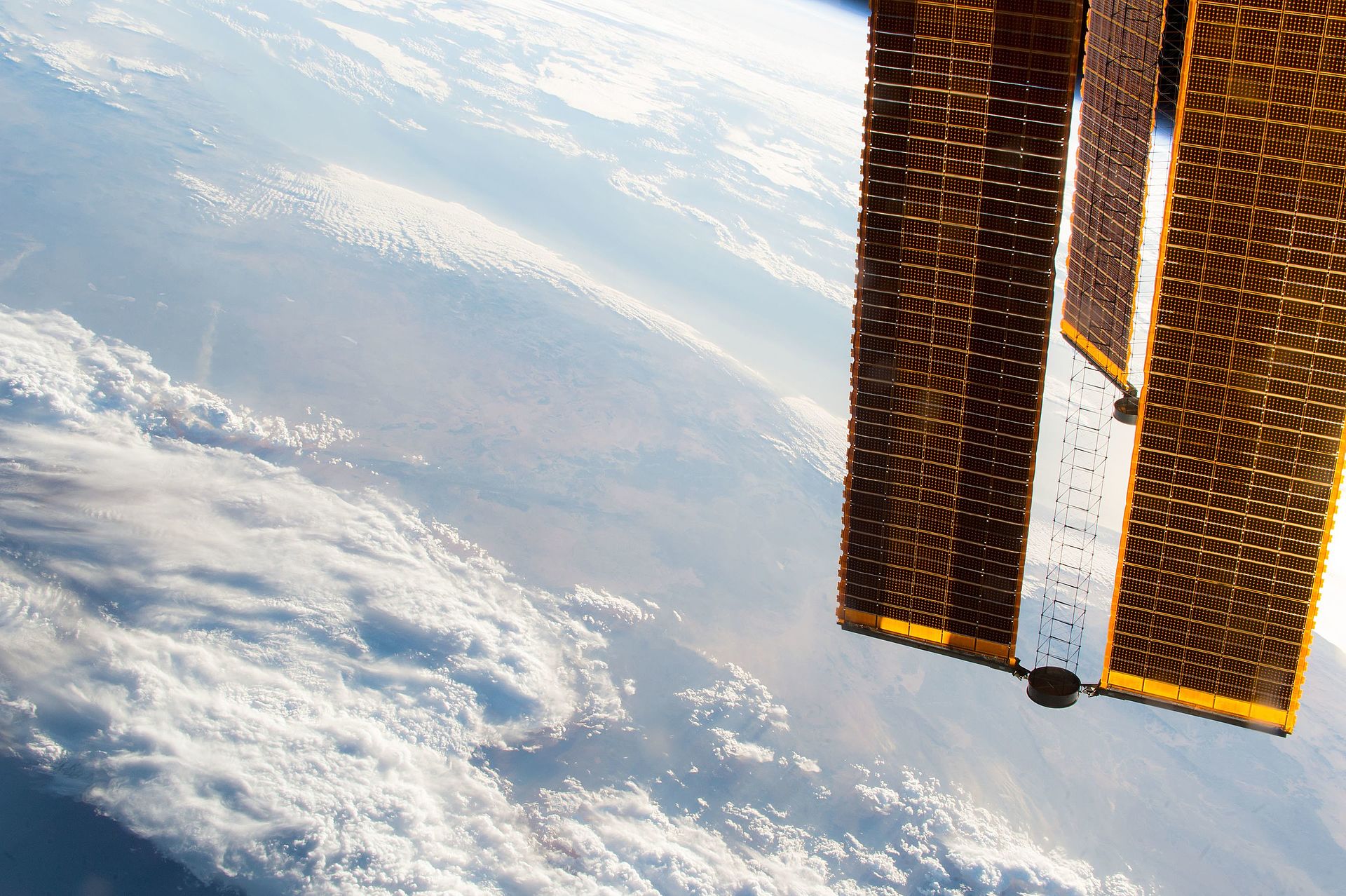
The architecture is well understood in principle. Photovoltaic arrays on satellites collect sunlight above the atmosphere — where it is roughly 30 percent more intense than at the surface and never interrupted by weather or night — and convert it to radio-frequency energy that is beamed to ground-based rectifying antennas, or rectennas, and converted back into electricity.
Virtus Solis claims its system will deliver true baseload generation with 99.9 percent guaranteed uptime, something terrestrial solar and wind can only approximate with expensive battery storage. The company has a $2 million corporate development agreement with ARPA-E, the U.S. Department of Energy’s advanced research arm, to develop the power electronics the business requires.
The next proof point comes in March 2027, when Virtus Solis will stage a public demonstration of its wireless power transmission system that it expects to produce record wireless power transfer efficiencies. After that, the company plans to fly a 100-kW pilot plant in low-Earth orbit within about 24 months — small by power-plant standards, but intended to let regulators and the public evaluate an operating space-based power station. Founder and CEO John Bucknell outlined the plan during the Space Solar Power Symposium in Washington, D.C., on September 30.
“Signing the world’s first commercial RF space solar power purchase agreement represents an inflection point for the global energy transition and the future of compute. High-performance AI data centers demand uninterrupted, gigawatt-scale power that strained terrestrial grids simply cannot deliver cleanly.”
— John Bucknell, founder and CEO of Virtus Solis Technologies
Why it matters — and why it is still early
This deal is significant less for the electrons it will deliver today than for the commercial structure it establishes. A signed 20-year PPA with defined volumes, a receiving site, and an expansion option moves space-based solar power from the realm of feasibility studies into the realm of project finance — the same pipeline that turned terrestrial solar from a curiosity into the cheapest form of new electricity in much of the world.
But the gap between a signed contract and an operating orbital power station is enormous, and the industry’s history counsels patience. The concept dates to engineer Peter Glaser’s 1968 proposal; the first in-orbit wireless power transfer demonstration, by Caltech’s Space Solar Power Project, happened only in 2023. China’s state programs and the European Space Agency’s SOLARIS initiative have kept the research alive, but nobody has yet shown the levelized cost of space-beamed electricity can compete with a terrestrial solar-plus-storage plant.
Virtus Solis is attacking the one customer segment where the economics could conceivably close first: AI data centers whose operators face multi-year interconnection queues, volatile power prices, and a carbon profile their customers and investors scrutinize. A guaranteed 99.9 percent uptime claim, if ever demonstrated, is worth a premium to a GPU fleet where a single training run can burn millions of dollars of electricity.
What happens next
- March 2027: Virtus Solis’s first public wireless-power demonstration, targeted at record transfer efficiencies.
- ~2028: A planned 100-kW pilot plant in low-Earth orbit, giving regulators their first look at an operating system.
- Commercial scale: The PPA’s expansion option gives Brae up to three years after initial commercial operations to grow the deal to 250 MW.
The regulatory questions are as real as the engineering ones: microwave power beaming must clear aviation and environmental safety reviews, and orbital infrastructure needs launch and spectrum approvals. But for the first time, there is now a signed contract — with real money behind it — that gives those reviews a deadline to work toward. Space-based solar has spent half a century as a concept. This week, it became a counterparty.