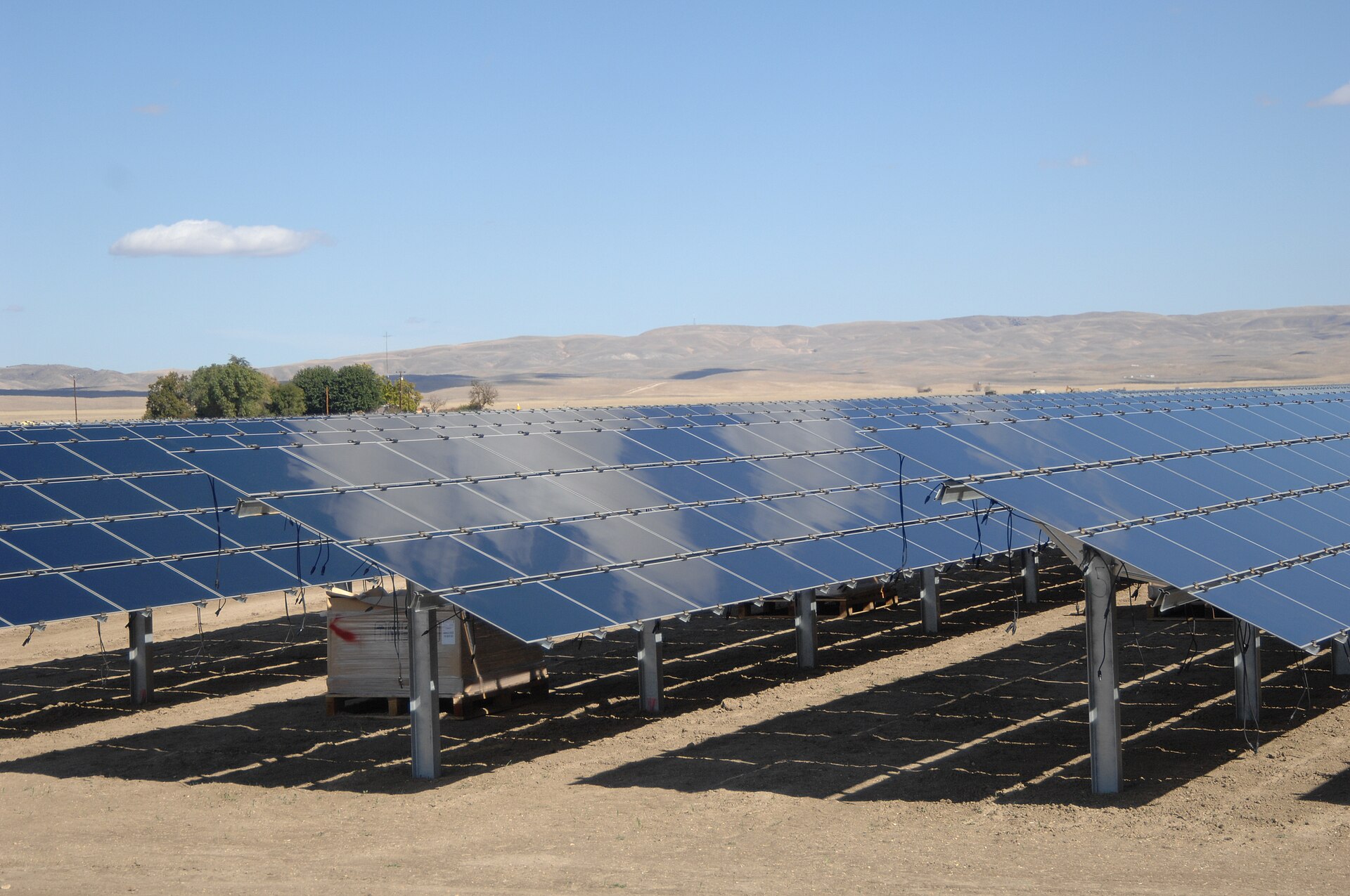
- Black & Veatch has completed the 150 MWdc Three W Solar project near Hillsboro, Texas — and the facility has received its ERCOT approval for grid connection.
- The plant is Mitsui & Co.’s first utility-scale solar project in the United States, marking the trading house’s move from solar investor to solar operator.
- Mitsui plans to sell the power into Texas wholesale markets and to industrial customers through its U.S. energy-marketing arm.
There is a new 150-megawatt solar farm on the Texas grid — or about to be. Black & Veatch announced on September 29 that it has completed the “Three W Solar” project, a 150 MWdc (110 MWac) utility-scale solar plant near Hillsboro, Texas, built for Japanese trading house Mitsui & Co.
The facility has achieved substantial completion and, critically, has received approval from the Electric Reliability Council of Texas (ERCOT) — the final regulatory requirement that allows it to connect to the state’s power grid. The plant, spread across roughly 875 acres in Hill County, is expected to generate enough electricity to serve as many as 45,000 homes.
Mitsui’s first U.S. solar plant — bought before it was built
Three W Solar is Mitsui’s first utility-scale solar project in the United States, and a milestone in the conglomerate’s renewable energy strategy. But Mitsui did not develop the site itself. OCI Solar Power developed the project for roughly two years before selling it to Mitsui in April 2023 at a construction-ready stage, with work then expected to begin in 2024 and operations targeted for 2025.
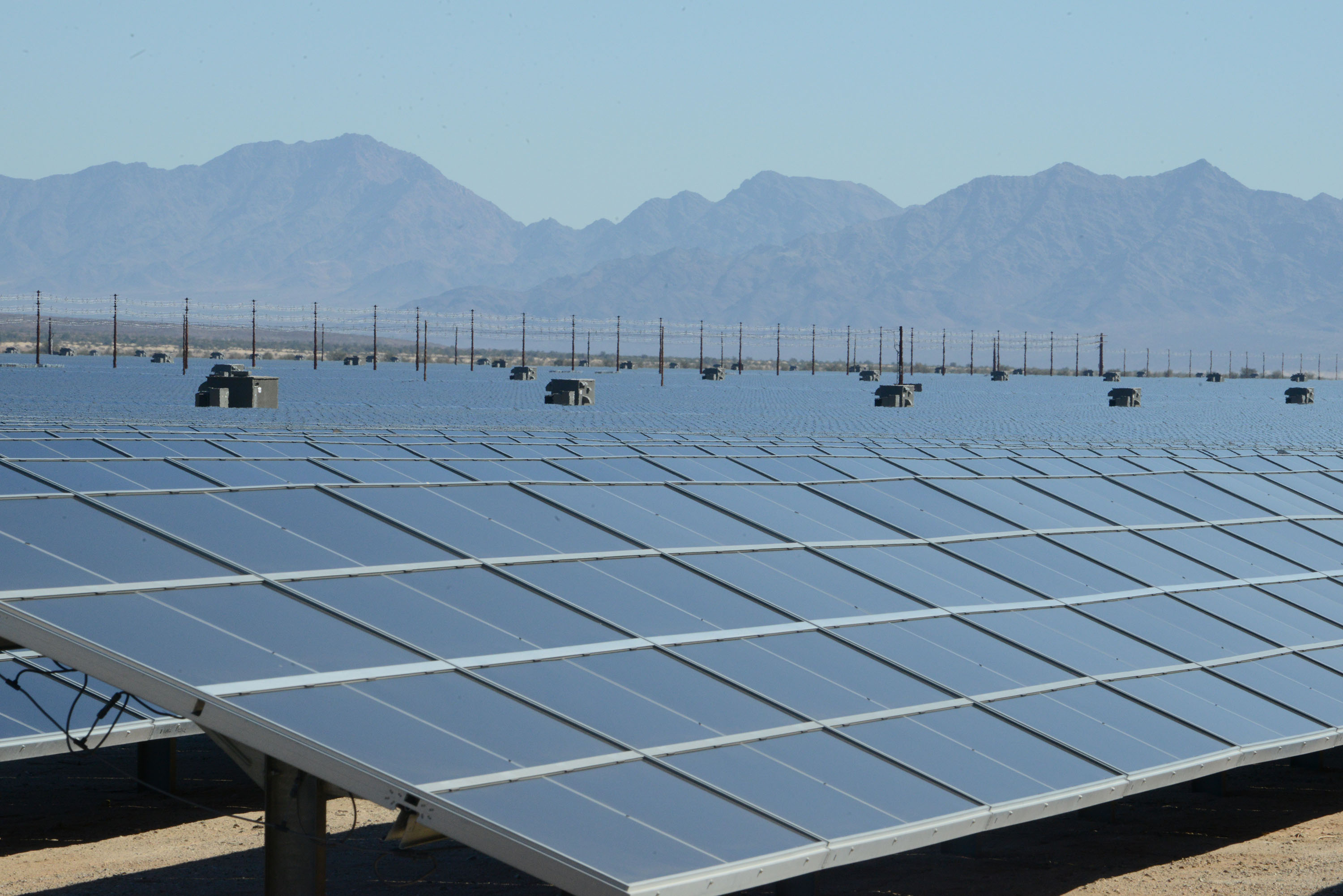
That timeline slipped — independent project trackers still showed Three W Solar under construction in early 2026 — but the project survived to the finish line. Black & Veatch served as the engineering, procurement and construction (EPC) contractor, with its scope running from 2024 through this month: installing all of the racking piles, delivering and setting the generator step-up transformer, building the collector substation infrastructure, and handling commissioning and the ERCOT interconnection process.
“Energy diversification is becoming increasingly important as organizations position themselves for future growth and evolving power needs. We are proud to support Mitsui’s energy strategy through the successful delivery of Three W Solar, a project that strengthens its energy portfolio and contributes to Texas’ growing generation capacity.”
— Narsingh Chaudhary, president of Fuels & Natural Resources for Black & Veatch
Why it matters
Three W Solar is modest by Texas standards — the state has recently brought far larger plants online — but it is a useful lens on how the U.S. solar market actually builds itself. Developers like OCI Solar Power do the slow, site-specific work of securing land, permits, and interconnection positions; capital-heavy owners like Mitsui buy in at the construction-ready stage; and EPC contractors like Black & Veatch turn paper projects into generating assets. The result is a plant that exists because three different companies each did the part they are best at.
The deal also fits a larger pattern: Japanese trading houses have been quietly accumulating U.S. renewable assets for years, and Mitsui has said the Hill County plant is part of a broader push to build an integrated power business in Texas. Mitsui plans to sell Three W Solar’s output in the wholesale market and to industrial customers through its U.S. energy-marketing subsidiary — a strategy that bets on Texas’s famously volatile wholesale prices and its surging industrial load, driven in large part by data centers and electrification.
“Achieving this milestone means a more resilient power grid for communities in Texas and we are proud to be part of the next stage of renewable energy in the region. This represents a commitment to the communities in Texas looking at the future energy demands and the innovative response to the needs these demands present.”
— Shinya Umehara, Senior Vice President and Divisional Operating Officer, MITSUI & CO. (U.S.A.) INC.
Texas keeps building
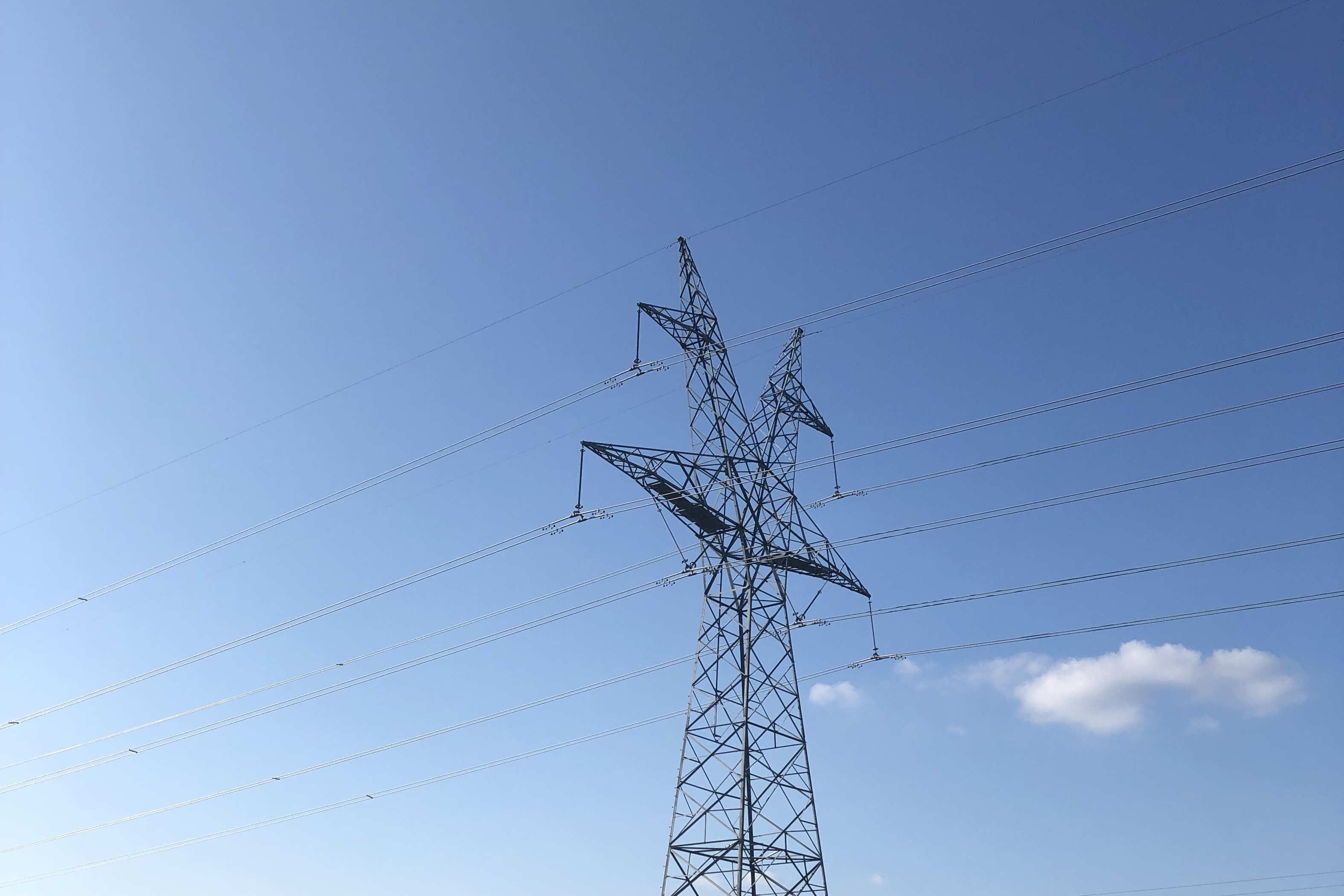
ERCOT’s approval process is the last gate before a plant can inject power into the Texas grid, and Three W Solar’s clearance of it reflects the steady pipeline of solar still moving through the state’s system. Solar generation continues to expand across the ERCOT market, and projects like this one — mid-sized, fully contracted or merchant-exposed, and developed through serial partnerships — remain the backbone of that growth.
That growth is worth putting in context. Texas is the undisputed solar leader in the United States, with gigawatts of new capacity arriving every year, and the state has become a magnet for exactly this kind of transaction: a seasoned developer takes a site through the hardest years — land assembly, permitting, interconnection — and a deep-pocketed owner finances it to the finish. September offered another reminder that experienced developers are still delivering utility-scale solar on or ahead of schedule despite tariff headwinds: ContourGlobal completed the 257 MW Black Hollow Sun project near Severance, Colorado, with its second phase entering commercial operation four months early for offtaker Platte River Power Authority.
Texas’s appeal for owners like Mitsui is structural. ERCOT’s energy-only wholesale market rewards generators that can sell into price spikes, and the state’s industrial electricity demand is climbing — driven by manufacturing reshoring, hydrogen projects, and above all data centers, whose developers have made Texas one of their preferred hunting grounds. A trading house with an energy-marketing subsidiary can do more than clip a coupon on a fixed PPA: it can trade around the asset, serve large industrial customers directly, and use the plant as the anchor of a broader retail and wholesale position.
From investor to operator
For Mitsui, the shift is symbolic as much as commercial: from development stakes and equity positions into actual operation of a U.S. generating asset. The company has been explicit that the Hill County plant is part of building an integrated power business in Texas — generation, trading, and retail bundled together rather than a passive portfolio of project equity.
That model is becoming the norm among large international owners entering U.S. renewables. The pure financial investor — buy a stake, collect the yield — is giving way to the strategic operator that can extract value from market access and customer relationships. Three W Solar is Mitsui’s proof-of-concept operating asset for that strategy; the next acquisition will reveal whether it scales.
“Three W Solar demonstrates how strategic investment in renewable generation can create long-term value for both energy providers and the communities they serve.”
— Arron Lewis, renewables solution leader for Black & Veatch
What happens next
- Handover: With substantial completion and ERCOT approval in hand, turnover to Mitsui’s O&M organization is the remaining step.
- Revenue strategy: Watch how Mitsui structures its wholesale and industrial offtake — whether it leans merchant or locks in corporate PPAs will signal how trading houses see Texas power prices evolving.
- Portfolio: Mitsui’s stated ambition is an integrated Texas power business; Three W Solar is the proof-of-concept operating asset for whatever comes next.