
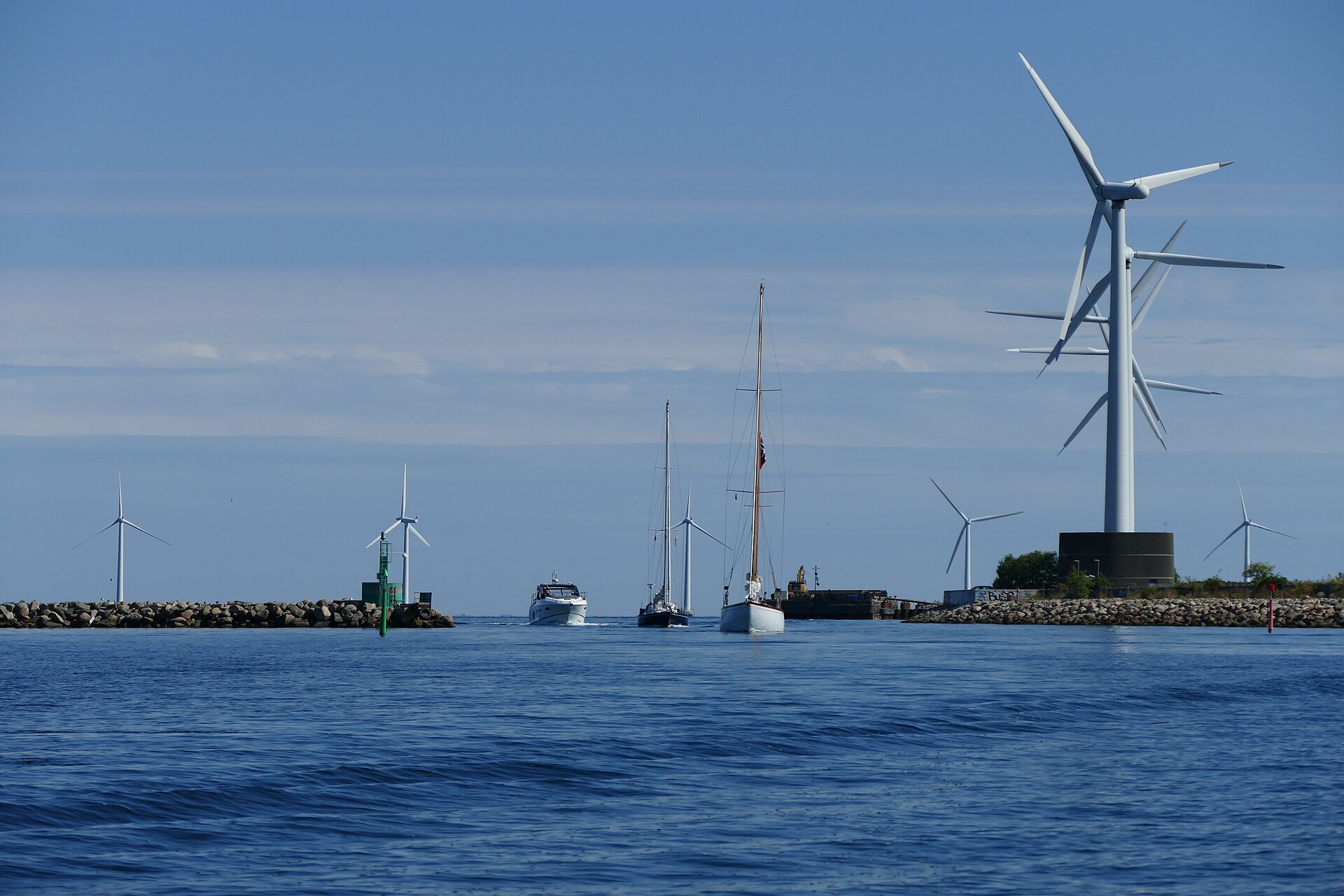
- The 65th and final turbine has been installed at the 704 MW Revolution Wind project off Rhode Island, with full energization expected by the end of 2026.
- The Ørsted–Skyborn Renewables project survived two federal stop-work orders and will become the third large U.S. offshore wind farm, serving 350,000 homes under 20-year contracts.
- First power flowed to the New England grid on March 14; commissioning of the remaining turbines is now the project’s last step.
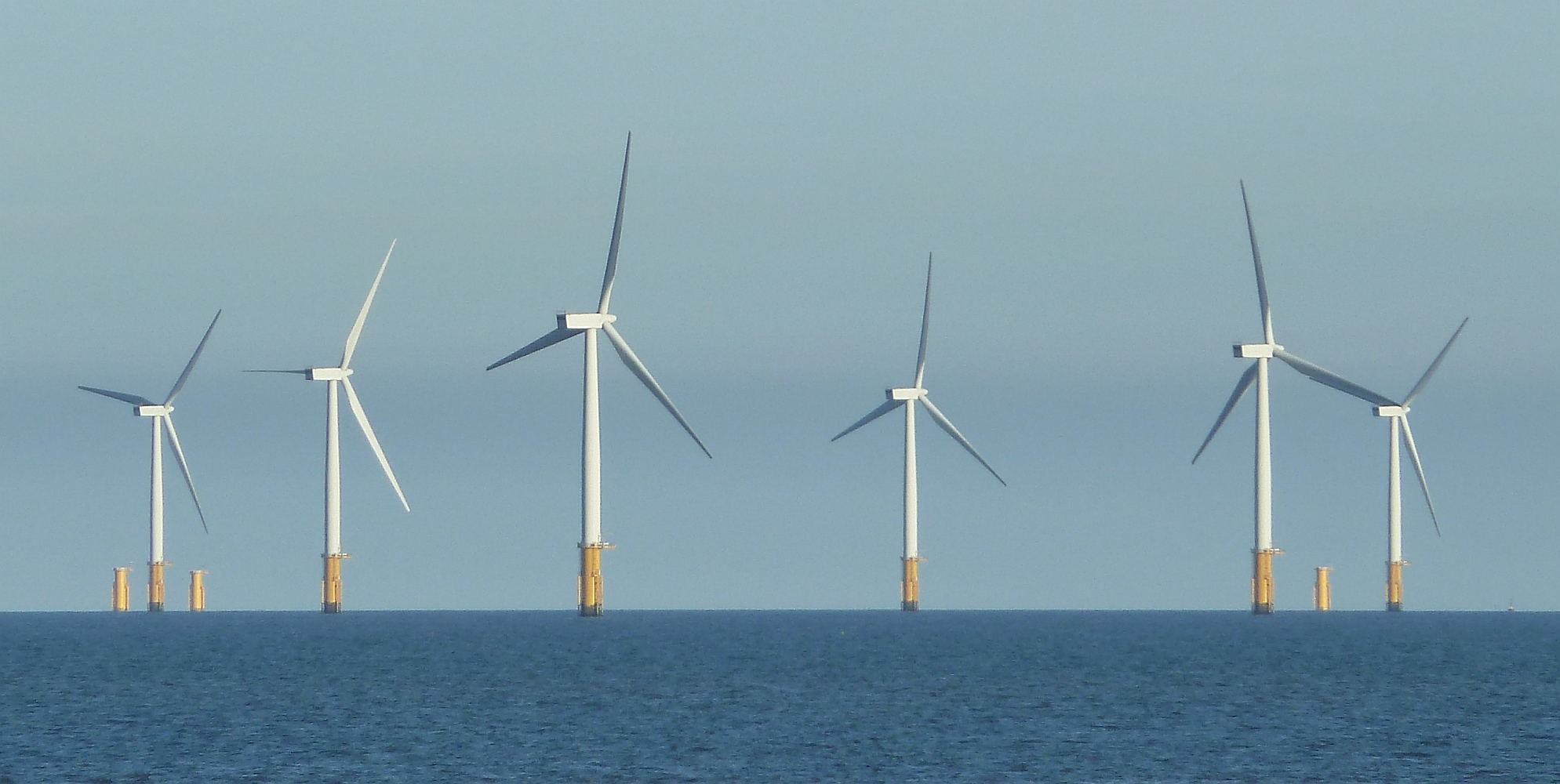
The final turbine is standing. On September 18, installation crews set the 65th and last turbine at Revolution Wind, the 704 MW offshore wind project more than 15 miles south of the Rhode Island coast — capping one of the most politically battered construction projects in American energy history.
The project, a 50-50 joint venture between Ørsted and Global Infrastructure Partners’ Skyborn Renewables, now expects full energization by the end of 2026. Once commissioned, Revolution Wind will supply enough electricity for more than 350,000 homes and businesses across Rhode Island and Connecticut, under fixed-price 20-year power purchase agreements: 400 MW to Rhode Island, 304 MW to Connecticut.
A project that refused to die
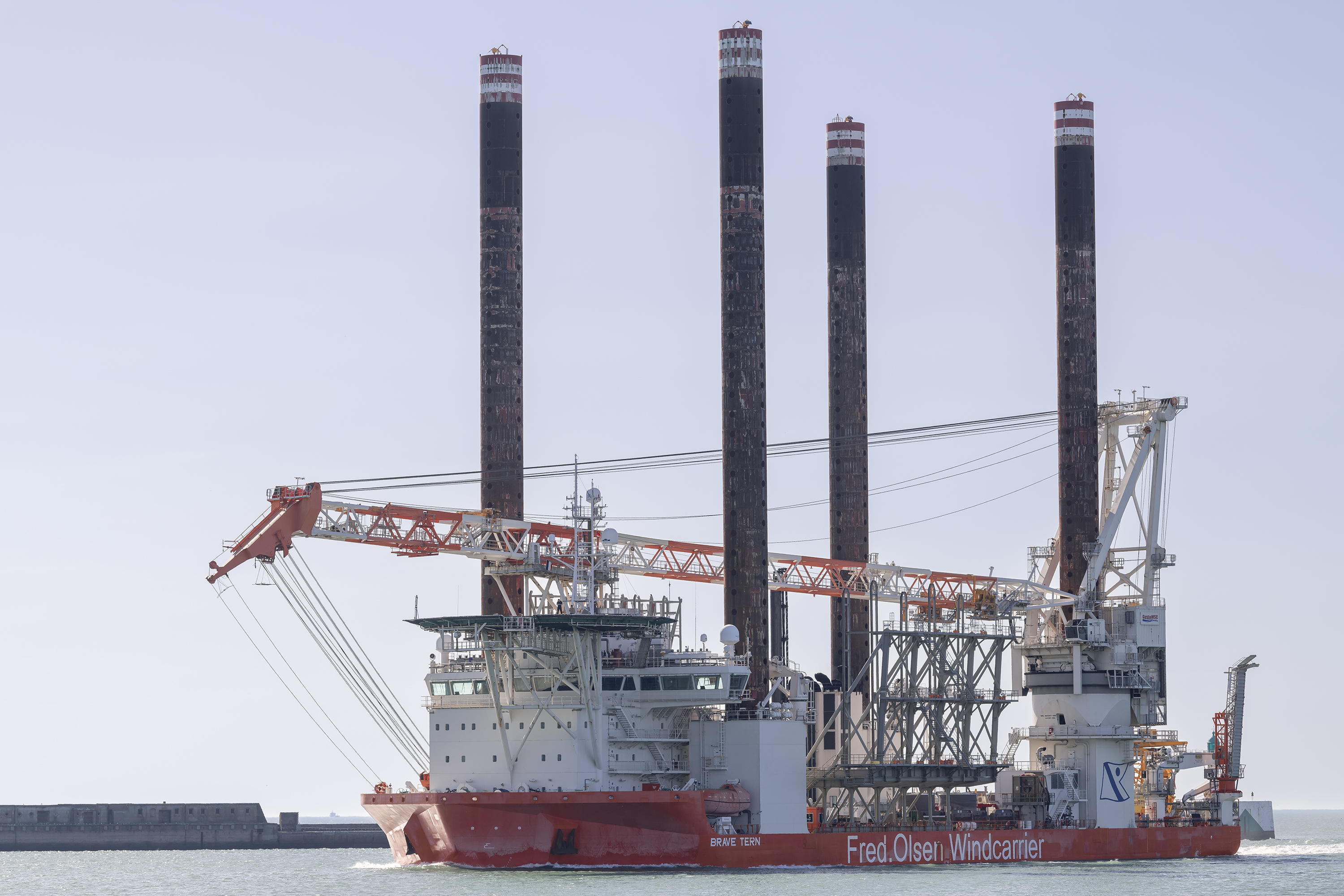
Revolution Wind’s road to this milestone was anything but smooth. The project received its final federal approvals in November 2023 after more than nine years of planning and permitting, began offshore construction in 2024, and set its first turbine in September 2024. By August 2025 it was nearly 80 percent complete, with 45 of its 65 Siemens Gamesa turbines installed.
Then came the politics. The Trump administration ordered the project to halt work in August 2025 — one of two federal stop-work orders that hit Revolution Wind during construction, alongside challenges that claimed offshore wind threatened military radar and marine life. Court rulings lifted the orders and construction resumed, allowing the project to keep a schedule that would otherwise have slipped badly.
Remarkably, the project even began delivering power in the middle of all this: the first electrons flowed to the New England grid on March 14, 2026, making Revolution Wind a generating asset months before its final turbine went up.
“From the beginning, we said we would see Revolution Wind through to the end. Today, with all 65 turbines standing, Rhode Island has reached another major milestone. This project means more energy produced in our own backyard, good-paying union jobs, and a stronger, more reliable energy supply for Rhode Island families and businesses.”
— Dan McKee, Governor of Rhode Island
Why it matters
Revolution Wind will become the third large, commercial-scale offshore wind farm in the United States, following Vineyard Wind and South Fork Wind — both of which are now completed and commissioned in nearby waters. That sequence matters: each completed project builds the domestic supply chain, the specialized workforce, and the installation know-how that the next one depends on. Assembly and staging work for Revolution Wind is based at State Pier in New London, Connecticut, which also serves Ørsted’s other regional projects — including the 924 MW Sunrise Wind, now past the halfway mark and on track for completion in 2027, and the already-finished South Fork Wind.
The project’s $6.2 billion investment figure also underscores the scale of capital that has been willing to stay the course through federal hostility. Stop-work orders are existential threats to projects with this kind of financing — idle installation vessels and crews cost millions per week — and Revolution Wind’s survival demonstrates that judicial review still functions as a backstop for permitted, financed, under-construction infrastructure.
That precedent will matter beyond Rhode Island Sound. Dominion Energy’s 2.6 GW Coastal Virginia Offshore Wind — the largest offshore wind project under construction in the country — was racing its own federal permitting deadlines through 2026, with turbine construction constrained by a May-through-October pile-driving window designed to protect migrating North Atlantic right whales. Every on-schedule milestone in U.S. offshore wind makes the next one easier to finance and harder to stop.
What the opposition claimed — and what the record shows
The federal campaign against offshore wind was not subtle. Over the past year, the administration twice ordered a halt to offshore wind projects under development, with the stated rationales ranging from interference with military radar to threats to marine life. As WAMC reported, military and marine-life experts completely refuted those claims — and court rulings lifted both orders, allowing construction to resume.
The legal record is now lopsided. The administration issued stop-work orders; the courts rescinded them. Revolution Wind kept building through the disruption and hit its final-turbine milestone within weeks of the original plan. For investors and lenders watching the U.S. offshore wind pipeline, that sequence converts political risk from an existential unknown into something closer to a priced, manageable contingency.
Why New England needs it
Revolution Wind’s fixed-price, 20-year contracts are a hedge against New England’s particular energy vulnerability. The region depends heavily on natural gas for both heating and electricity, and pipeline constraints into the Northeast have produced notorious winter price spikes. Offshore wind — strongest in the winter months, when the region’s power demand peaks — is the rare resource that shows up exactly when the grid is most stressed.
The numbers illustrate the scale: 704 MW of nameplate capacity feeding 20-year agreements at fixed prices, against a regional grid that has spent the last decade debating how to keep the lights on during polar-vortex winters without overbuilding gas infrastructure. Revolution Wind will not solve that problem alone, but it is the third large project to prove the model works in U.S. waters.
What happens next
- Commissioning by year-end: With all 65 turbines installed, the remaining work is commissioning — testing and energizing each machine into full commercial operation.
- Sunrise Wind: The next New England project to watch is the 924 MW Sunrise Wind, expected to complete in 2027 from the same State Pier staging ground.
- Policy watch: The legal architecture that kept Revolution Wind alive — court rulings lifting stop-work orders — remains the template for how future federal challenges to permitted offshore wind will be fought.
Sixty-five turbines standing in Rhode Island Sound is, in one sense, just construction news. In another, it is proof that America’s offshore wind industry can finish what it starts — even when the federal government spends a year trying to stop it.

