- FERC rejected TransAlta’s plan to recover $19.9 million for keeping the 730-MW Centralia coal plant in Washington running under a Department of Energy emergency order.
- The commission said the proposal stretched too far geographically — costs should fall only on load-serving entities in the Northwest assessment area, not CAISO or the Southwest Power Pool.
- The order is the latest blow to the DOE’s use of emergency powers to keep aging coal plants from retiring, after a federal appeals court vacated a similar order in Michigan.
The Federal Energy Regulatory Commission has drawn a line on who pays for the Trump administration’s campaign to keep retiring coal plants on life support. On October 1, the commission rejected TransAlta’s plan to recover $19.9 million in expenses for keeping its 730-megawatt Centralia coal unit in Washington operating under a Department of Energy emergency order — ruling that the company’s proposed cost allocation reached far beyond the region the order was meant to protect.
The dispute is about a plant that was supposed to be gone. TransAlta, the Calgary-based power producer, had planned to retire the Centralia unit at the end of 2025. Instead, the DOE issued a 90-day emergency order under section 202(c) of the Federal Power Act in mid-December, directing the company to keep the unit available. Three more 90-day orders have followed — the most recent on September 11 — requiring the facility to stay ready through December 2026.
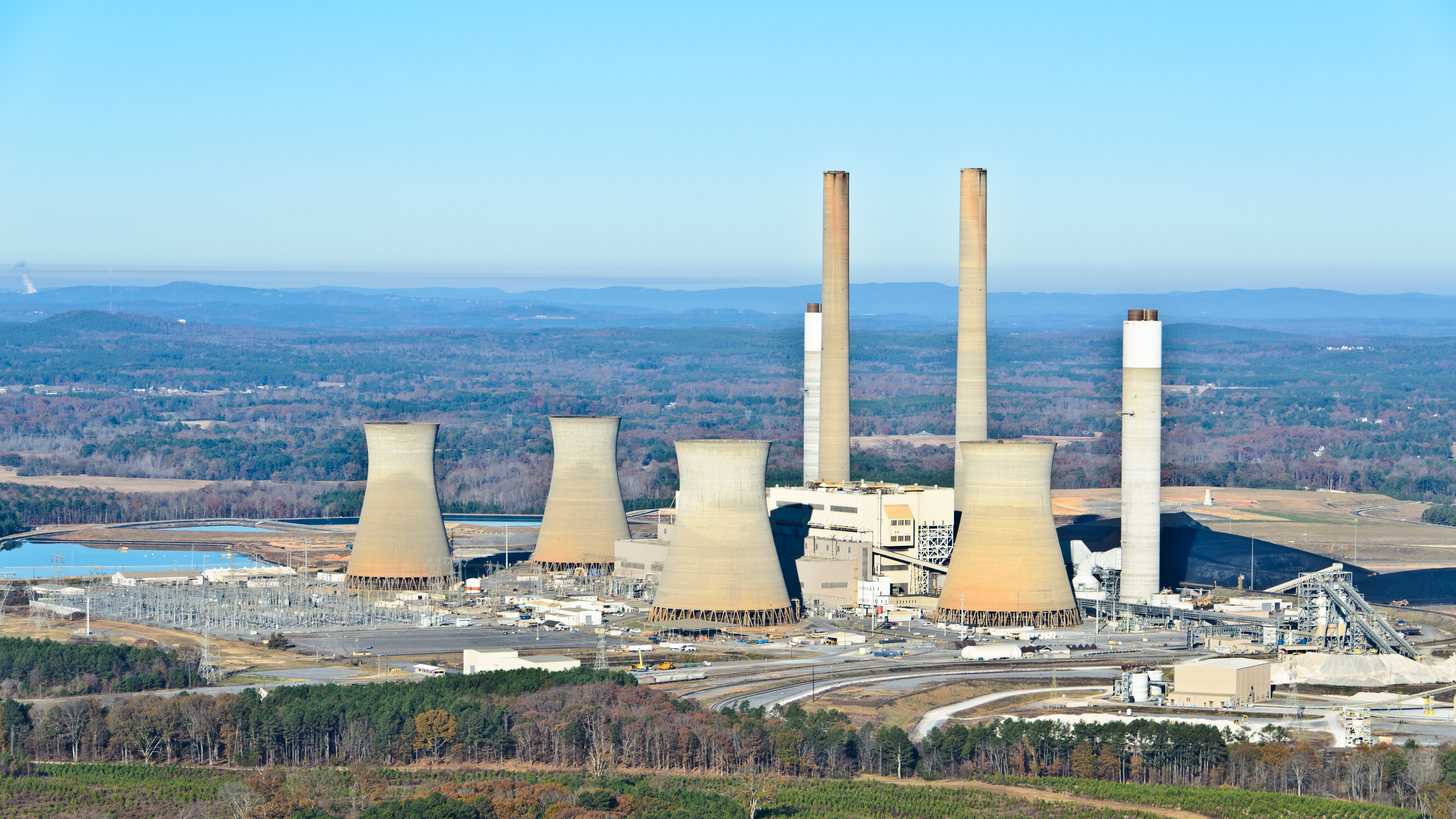
Here is the detail that has turned the episode into a policy fight: the plant has not produced a single megawatt-hour this year. According to U.S. Energy Information Administration data cited in FERC’s decision, the Centralia unit generated zero electricity through July. TransAlta is seeking payment for a coal plant that never ran.
Who pays — and where
FERC’s objection was not to compensation in principle. The commission found that TransAlta’s plan extended too far geographically, sweeping in costs from entities including the California Independent System Operator and the Southwest Power Pool — regions with little connection to the reliability concern behind the order.
The DOE had justified its emergency directive on the North American Electric Reliability Corporation’s 2025–2026 Winter Reliability Assessment, which found that the Northwest assessment area — covering Montana, Oregon, Washington, and parts of northern California and northern Idaho — faced an “elevated risk during periods of extreme weather.” FERC said that if TransAlta wants to file a revised cost recovery plan, it should recoup costs only from load-serving entities inside that assessment area.
The commission also addressed the awkward zero-generation fact head-on. Rejecting arguments that the plant’s silence disqualified TransAlta from any recovery, FERC wrote:
“We find that the Emergency Orders’ statements that Centralia ‘shall not be considered a capacity resource’ do not preclude the commission from approving compensation for the costs that TransAlta incurred to keep Centralia operational.”
In other words: a plant can sit idle for months and still be entitled to compensation for readiness. The question is not whether TransAlta gets paid, but who is asked to pay.
The list of parties opposing TransAlta’s original plan was itself a sign of how broadly the company had cast its net: the Bonneville Power Administration, SPP, CAISO, Snohomish County PUD and other public power utilities, plus Washington state and the Washington Utilities and Transportation Commission.
A string of emergency orders under legal pressure
The Centralia fight sits inside a much larger — and increasingly shaky — legal experiment. Using what Utility Dive described as a novel interpretation of its section 202(c) authority, the DOE has issued a string of emergency orders since May 2025 to keep generating units at seven power plants from retiring — all but one of them coal-fired.
That campaign hit a wall last month when a federal appeals court vacated the DOE’s first emergency order, which had kept Consumers Energy from retiring its majority-owned Campbell plant in Michigan. The court found the department had taken an overly expansive definition of “emergency” to justify the order. Since that September 11 court decision, the DOE has nevertheless reissued 202(c) orders affecting generating units owned by CenterPoint Energy, Northern Indiana Public Service Co., TransAlta, Tri-State Generation and Transmission Association, Platte River Power Authority, Salt River Project, PacifiCorp, and Public Service Co. of Colorado.
The Sierra Club, which has challenged the emergency orders in court, puts the running tab at about $583 million to keep the generating units under 202(c) orders from retiring. Sierra Club Washington State Director Ben Avery responded to the FERC decision with unusually blunt language:
“FERC is right to reject this attempt to make consumers foot the bill for the Trump administration’s costly coal bailout in Washington. Centralia was slated for retirement, yet the administration has illegally forced it to keep running, racking up more than $50 million in costs with little to show for it. Northwest families should not have to pay for keeping an aging, uneconomic coal plant on life support.”
Why it matters beyond Centralia
Strip away the coal politics and the decision reads as a cost-allocation ruling with a wider message. FERC did not question the DOE’s emergency authority itself — that fight is playing out in federal court. It did, however, refuse to let the costs of that authority leak across regional boundaries. A generator following a federal order can recover its costs, but only from the customers the order was actually protecting.
That principle will echo through the other 202(c) orders still standing. If every kept-alive plant files its own cost recovery plan with a maximalist geographic reach, FERC has now signaled the template for trimming them back. For developers of clean energy, the more consequential question is what happens to the underlying emergency orders: a court has already vacated one, and the Sierra Club’s challenge to the Centralia orders continues.
Meanwhile, the plant itself is not long for the coal era either way. TransAlta plans to convert the Centralia unit to burn natural gas — a roughly $600 million, 700-MW conversion expected to be completed in the second half of 2028, with power sold to Puget Sound Energy under a 16-year agreement, according to a September investor presentation. In its filing, TransAlta said it expected to spend an additional $23 million on repairs to keep the unit available in the meantime.
The near-term path is straightforward: TransAlta can refile with a narrower allocation, and the unit stays available through December under the current emergency order. The longer question — whether the federal government can keep ordering retired plants to stay ready, and at whose expense — is far from settled.