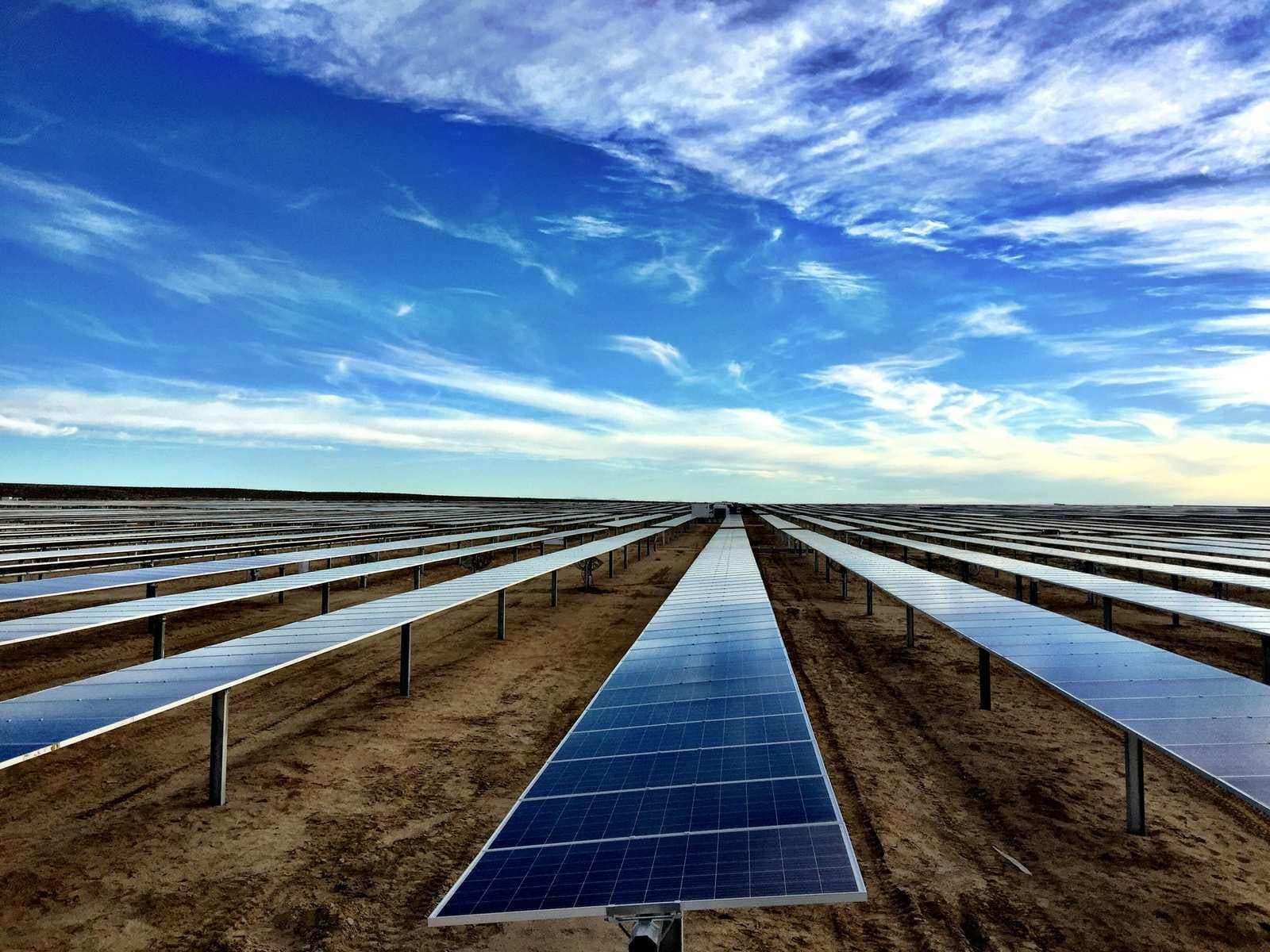
- energyRe has closed an $815 million financing package for five utility-scale solar projects totalling approximately 360 MW across South Carolina — the largest financing in the company’s history.
- Bank of America, CIBC and Santander backed the deal, which energyRe describes as one of the largest solar-only project financings in South Carolina’s history.
- The five projects are contracted under 25-year power purchase agreements and are expected to deliver tens of millions of dollars in revenue to local governments.
energyRe announced on Monday that it has closed an $815 million financing package for the energyRe South Carolina solar portfolio — five utility-scale projects totalling approximately 360 megawatts of new generating capacity across the Palmetto State. The transaction, announced on 12 October 2026, is the largest financing the company has ever completed and, by energyRe’s account, ranks among the largest solar-only project financings in South Carolina’s history.
The deal is a clear vote of institutional confidence in the Southeast’s utility-scale solar pipeline. The financing was supported by Bank of America, the Canadian Imperial Bank of Commerce and Santander, with Bank of America acting as documentation agent and Santander serving as financial advisor to energyRe, alongside lending and tax equity partners.
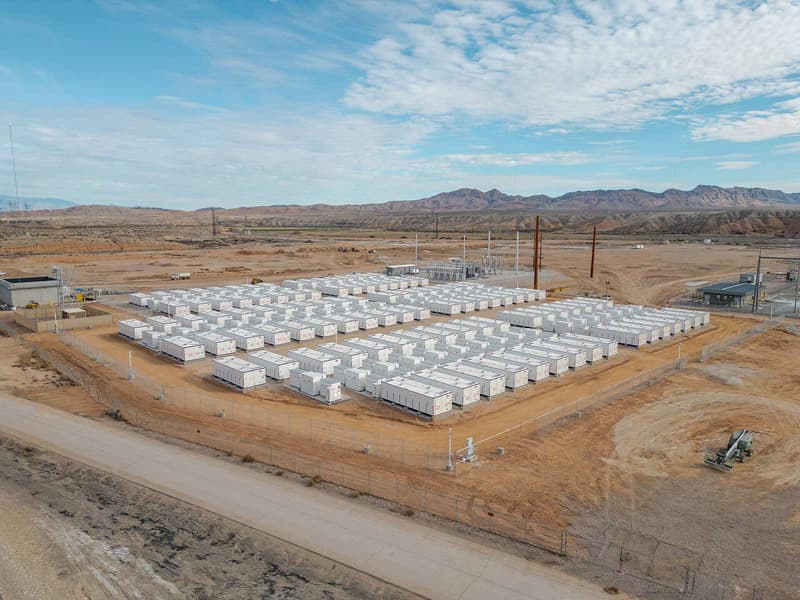
Five projects locked in under 25-year contracts
The transaction covers five solar projects across South Carolina that are contracted under 25-year power purchase agreements and will provide tens of millions in revenue for local governments, according to energyRe’s announcement. Quarter-century offtake contracts of that length are the bedrock of project finance: they give lenders a predictable revenue stream to underwrite against, which is what makes a package of this size possible at all.
“This portfolio financing is our largest to date, and it reflects the confidence our lenders have in both the quality of our assets and our team’s ability to deliver,” said Pedro Pereira, chief financial officer of energyRe. “South Carolina is at the center of our growth strategy, and this closing moves us meaningfully closer to our goal of investing $2 billion in the state by 2030. These projects will create jobs during construction and operations and deliver affordable, reliable power to South Carolina homes and businesses for decades to come.”
The financing was structured and executed by energyRe’s M&A and capital markets team, led by Surya Mohan, working alongside Santander and the company’s lending and tax equity partners. “This financing secures the capital to advance these projects and demonstrates energyRe’s ability to finance its development portfolio at scale,” said Mohan, senior vice president of M&A and capital markets at energyRe.
The banks behind South Carolina solar financing in 2026
The lender line-up reads like a who’s who of clean-energy project finance. Santander’s structured finance arm, which has ranked among the most active renewable energy financiers globally, called the deal a landmark transaction. “We are proud to support energyRe’s portfolio of solar projects across South Carolina, which demonstrates how public and private capital can work together to expand energy resources,” said Omer Farooq, head of asset finance within Bank of America’s global sustainable and infrastructure finance group, adding that the deal reflected the type of investment the bank’s $250 billion Critical Infrastructure Finance Initiative was created to advance.
CIBC’s Ines Serrao, managing director and head of US project finance and infrastructure, said the bank was proud to support energyRe “as it advances its utility-scale solar portfolio in South Carolina, expanding critical energy infrastructure and helping drive the transition to a more reliable and sustainable power system.”
It is worth noting what this lender roster signals. When Bank of America, CIBC and Santander all sign on to a single South Carolina solar financing in 2026, it shows utility-scale solar in the state is now financeable on mainstream commercial terms — not as an experiment, but as infrastructure. That is a meaningful shift from the region’s history, where the Southeast lagged the Southwest and Texas in large-scale solar deployment. For readers interested in how the underlying technology works, our guide How Solar Panels Work: A Complete 2026 Guide breaks down the panels, inverters and grid connections behind projects like these.
Why it matters
Here is the number that deserves a second look: $815 million divided by roughly 360 MW works out to about $2.26 million per megawatt — or $2.26 per watt. Compare that with the latest industry benchmark: in the second quarter of 2026, average US utility-scale solar system prices stood at $0.95 per watt for fixed-tilt systems and $1.06 per watt for single-axis tracking, according to Wood Mackenzie and SEIA pricing analysis reported by pv magazine USA.
So the energyRe financing implies more than double the pure hardware-and-installation cost per watt. That gap is not a mark-up — it is what a portfolio financing actually buys. The $2.26 per watt figure wraps in development costs, land control, permitting, interconnection upgrades, financing fees and the structural costs of tax-equity partnerships. When you read headline financing numbers, remember: the system-price benchmark measures what it costs to build the plant; the financing number measures what it costs to build the business around the plant.
The second number worth pausing on is $815 million against energyRe’s $2 billion South Carolina investment goal for 2030. This single deal delivers roughly 41 per cent of that target in one closing. Combined with the fact that the company has broken ground on approximately 450 MW in the last year and holds nearly 700 MW in operation or late-stage development, the trajectory suggests South Carolina — not the company’s other markets in North Carolina, Nebraska and Oklahoma — is now the engine room of energyRe’s 1.8+ GW, 20-project portfolio.
There is a broader read, too. Twenty-five-year PPAs of this scale are only signed when utilities expect sustained demand at prices that work for both sides. With the energyRe 815 million dollar package closed, South Carolina is effectively pricing two and a half decades of solar power into its grid planning. That is the kind of long-dated commercial commitment that reshapes where developers hunt for the next gigawatt.
What comes next for energyRe’s portfolio
energyRe’s next milestone is the $2 billion South Carolina investment goal by 2030 — and this closing removes a large share of the remaining distance. The company’s 1.8+ gigawatt portfolio across four states gives it one of the larger independent solar development footprints in the Southeast and Midwest, and with more than $1.9 billion now raised in total, it has the balance sheet to keep building.
The five South Carolina projects now move into construction and operations phases that will create jobs locally and, per energyRe, generate tens of millions in revenue for local governments over the life of the assets. Watch for construction updates and the first offtake deliveries — and for how this deal reshapes expectations for utility-scale solar finance elsewhere in the region, from the utility-scale solar buildout in Texas to corporate-backed projects like the DTE solar array supplying Ford in Michigan.