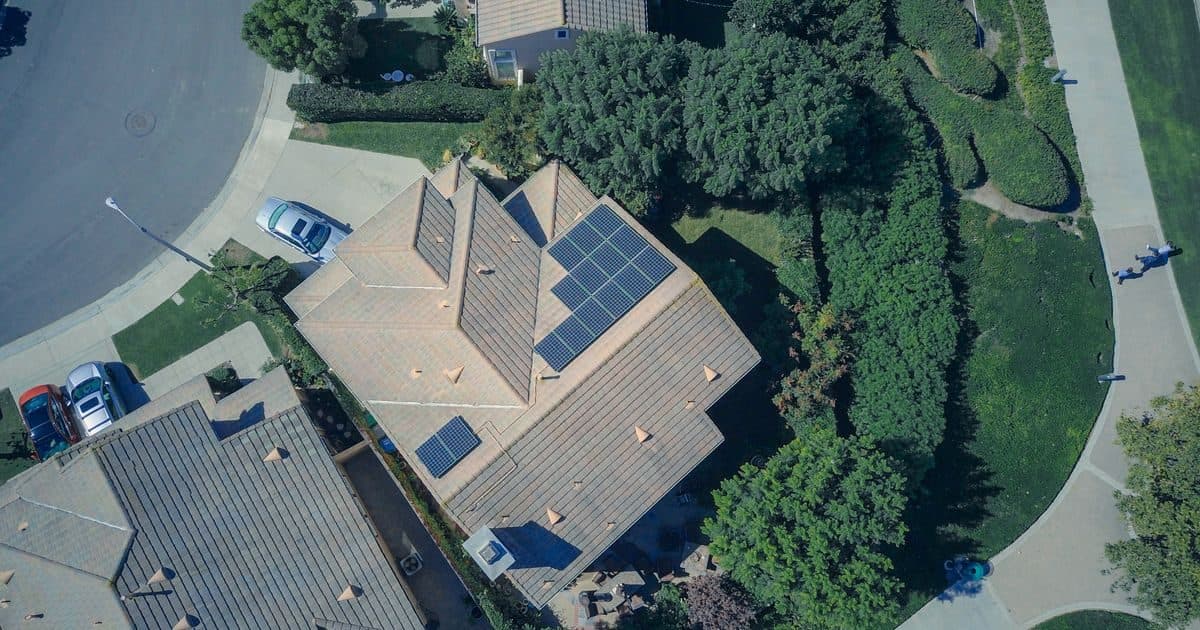
- SunPower has launched the Monolith II, a 522W residential solar panel developed with REC — the most powerful home panel the company has ever sold, announced on 8 October 2026.
- The panel matches the footprint and sub-50 lb weight of the 470W first-generation Monolith, while harvesting sunlight from both faces through REC’s N-type heterojunction cells.
- CEO T.J. Rodgers claims a like-for-like upgrade on a 56-panel California rooftop could generate an extra 46 kWh a day — “worth $3,345 per year in California.”
The Monolith II solar panel has reset the bar for US residential rooftops. SunPower, the Orem, Utah-based manufacturer, announced on 8 October that its newest panel delivers 522 watts — an 11% jump over the 470W first-generation Monolith, in the identical footprint and at the same sub-50-pound weight. Chief executive T.J. Rodgers described it as “the market’s most powerful residential panel,” a title the company has not held since its 333W record panel of 2009.
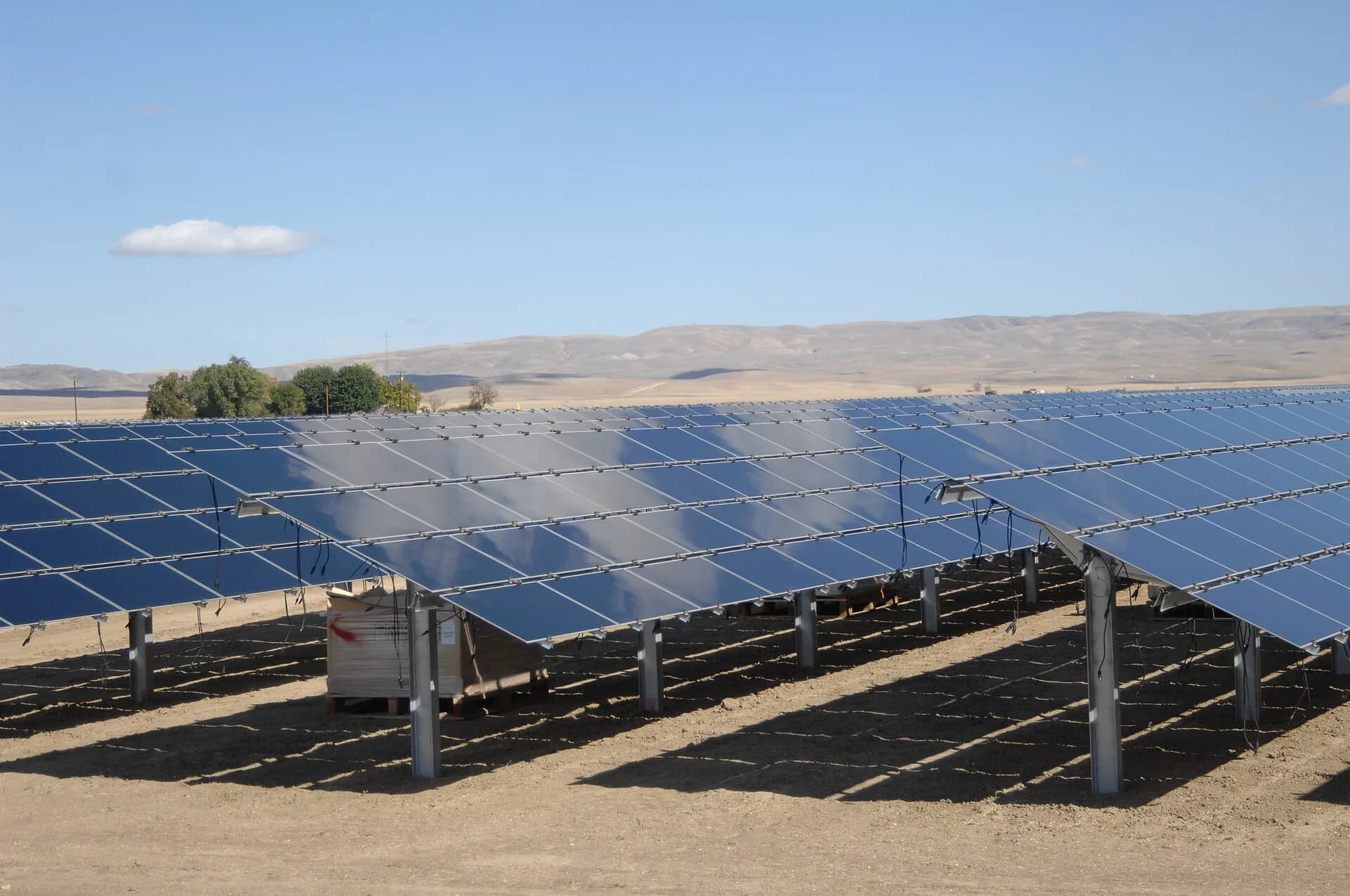
The Monolith II is the second product of SunPower’s Joint Development Agreement with REC, and it is exclusive to SunPower. It pairs REC’s N-type heterojunction (HJT) cell technology with a bifacial, glass-on-both-sides construction that collects light from the front of the panel and from the rear — reflected light from the roof surface that a conventional panel simply wastes. The panel carries a 25-year warranty.
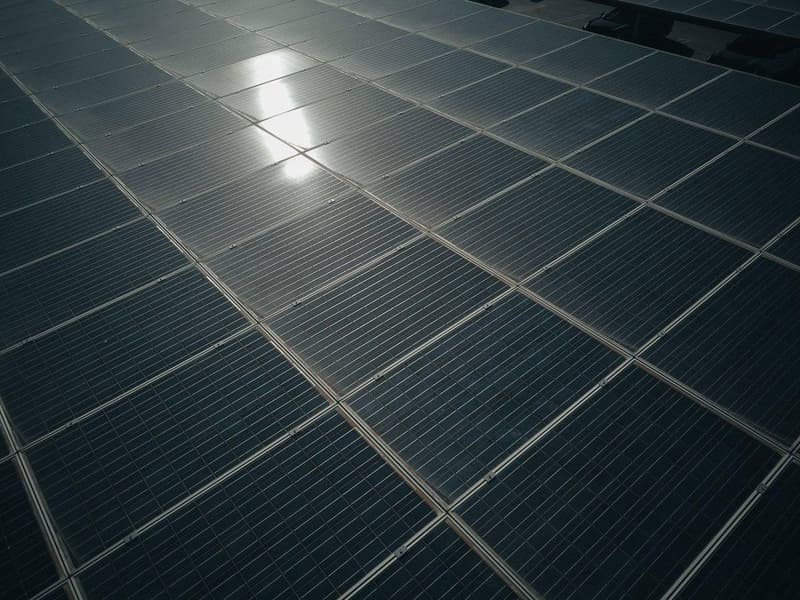
Monolith II solar panel: 522 watts, same footprint, 11% more power
The headline numbers tell the story. Seventeen years after SunPower’s 333W panel set the company’s power record in 2009, the Monolith II delivers 522W — roughly 57% more output from a comparable form factor. Against the first-generation Monolith’s 470W, the gain is 11% with no change in size or weight, which matters more than it sounds: at under 50 pounds, the panel stays within OSHA’s single-worker lifting limit, so installation crews need no extra hands, no special equipment and no redesign of racking.
The bifacial design is doing real work here. Because the rear face harvests reflected light, total energy yield can exceed the 522W front-side rating in bright, reflective conditions — on light-coloured roofing, for instance. SunPower is putting that claim to a public test: the first Monolith II installation, planned for this month at a Cobalt Silicon Valley customer site, will run side-by-side against the original Monolith. As a commercial proof-point, the company notes that 67 Starbucks stores already run its bifacial panels.
For readers new to the technology, our explainer on how solar panels work walks through the photovoltaic effect step by step. The efficiency race continues elsewhere too: researchers recently pushed a perovskite-silicon tandem cell to 30.77% efficiency, a reminder that today’s commercial panels still have headroom.
Why it matters
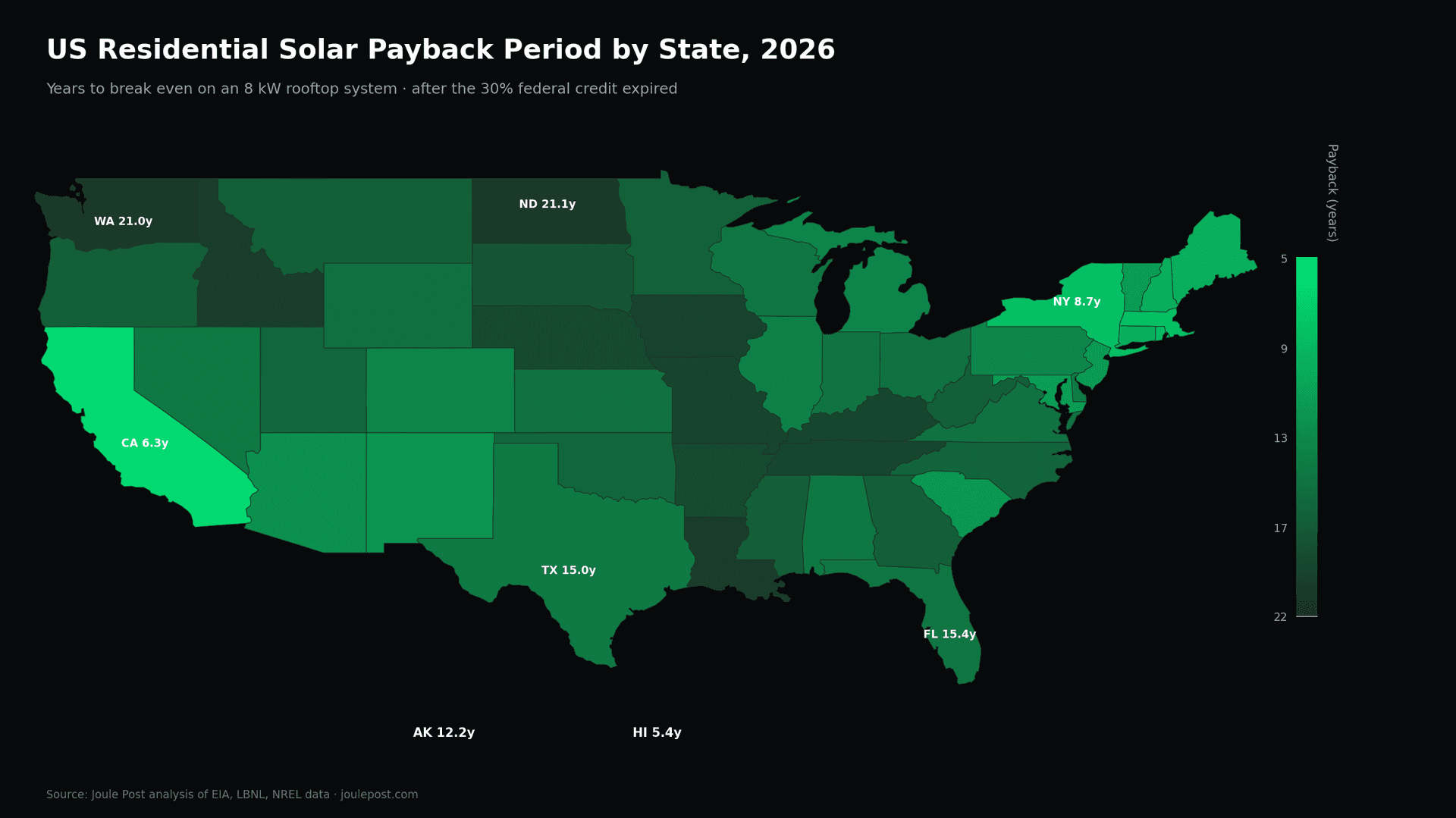
Wattage records are easy to dismiss as marketing. This one is harder to wave away, because the Monolith II changes the arithmetic of a rooftop. Squeezing 522W into the same footprint as a 470W panel means roughly one panel in ten fewer for a given system size — and against a typical 400W panel, the reduction is close to one in four. Fewer panels means less racking, fewer roof penetrations, fewer electrical connections and less labour per installed watt. In a US residential market that has just lost the 30% federal tax credit, installed cost per watt is the battleground — and it is won or lost on exactly these line items, not on the panel’s sticker price.
The timing is also strategic. With tariffs and domestic-content rules forcing US residential installers to rethink their supply chains, the SunPower–REC alliance gives both companies a differentiated, high-wattage product built on REC’s cell technology. Domestic manufacturing momentum is building in parallel: Array Technologies recently opened its Albuquerque solar factory, part of a broader onshoring push across the US solar supply chain.
The $3,345 California claim, checked
Rodgers offered a worked example for SunPower’s 415,000 legacy customers, who are being offered an upgrade path to the new panel. Take a system of 56 older 360W panels — 20,160W in total. Swap in 56 Monolith IIs and the same roof holds about 29,200W, a 45% lift. The extra 9.1 kW of capacity, Rodgers said, would generate an additional 46 kWh per day, “worth $3,345 per year in California.”
The arithmetic is worth a second look, because it reveals the assumptions. An extra 46 kWh a day from 9.1 kW of added capacity implies roughly five peak sun hours daily — a realistic figure for much of California. And $3,345 a year divided by 16,790 kWh implies an electricity rate of about $0.20 per kWh, squarely in line with current California residential tariffs. The claim, in other words, is aggressive but internally consistent — and it sets the benchmark every competing 2026 panel will now be measured against. (Figures derived from SunPower’s announcement via MarketWire News; see also the release via Green Stock News.)
What happens next
The first Monolith II installation lands this month at the Cobalt Silicon Valley site, where its side-by-side comparison with the original Monolith will provide the first real-world data on the bifacial gain.
The panel arrives as SunPower leans harder into its identity as a premium-panel brand. The REC joint development agreement — which produced the original Monolith before this sequel — gives SunPower exclusive access to cell technology its competitors cannot buy off the shelf, a moat that matters more with each round of tariff-driven supply-chain reshuffling.
SunPower is positioning the panel as an upgrade for its large installed base as much as for new rooftops — a sensible play in a market where winning new customers, not hardware supply, is now the binding constraint.