- Enerven has been appointed balance-of-plant contractor for the 400 MW / 1,600 MWh Teebar battery project in Queensland’s Fraser Coast region — a four-hour-duration system that ranks among the state’s largest storage developments.
- The scope covers site preparation, BESS integration, a new 275 kV substation and around 300 metres of 275 kV overhead lines, with mobilisation starting in October 2026 and commercial operation targeted for late 2028.
- Owner Atmos Renewables has reached financial close on Teebar alongside the 470 MW Parron Maam Marang wind farm, taking roughly 970 MW of Capacity Investment Scheme-backed capacity through financial close in 16 months.
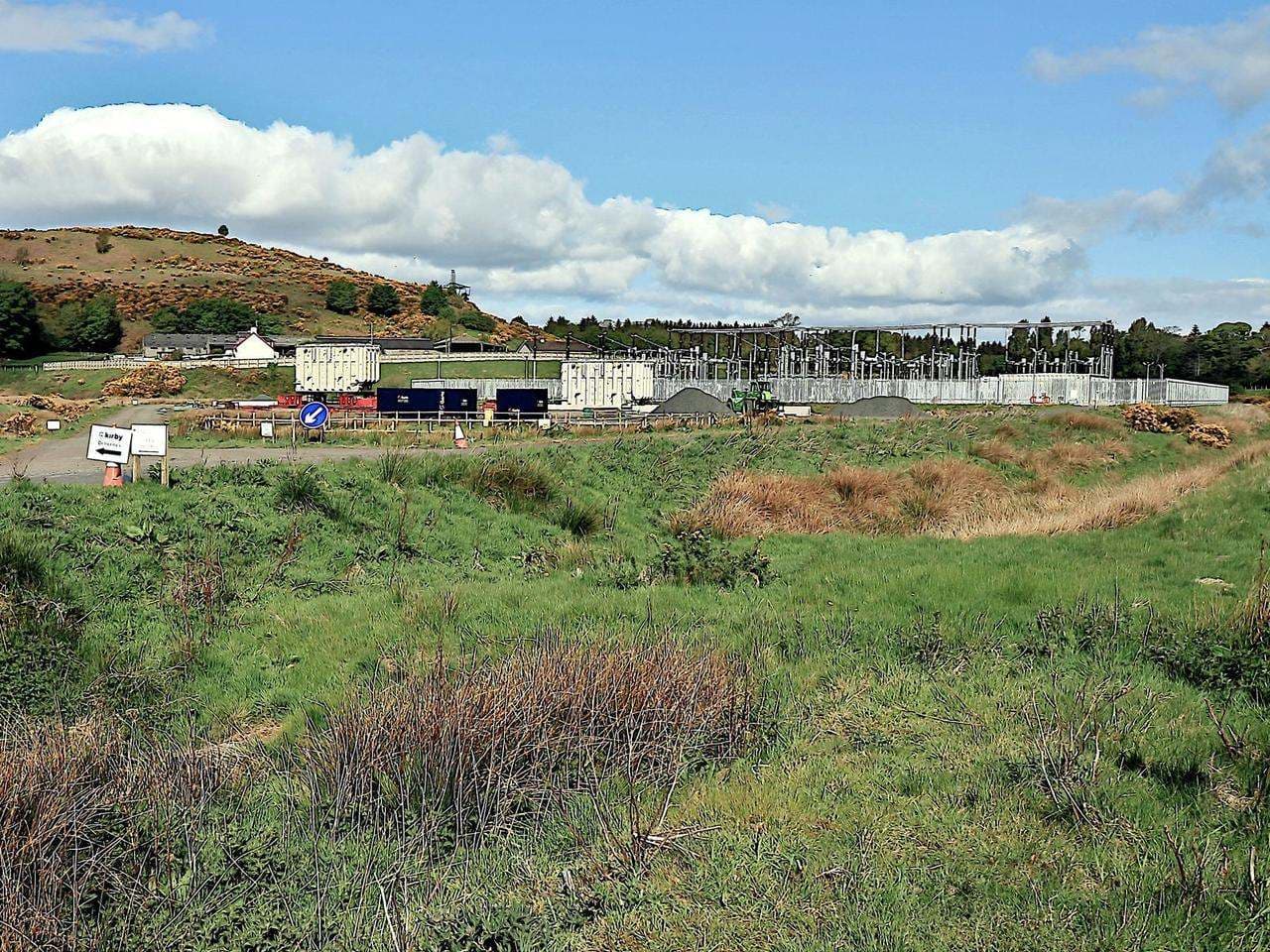
Australian engineering firm Enerven has secured the balance-of-plant contract for the Teebar battery project, the 400 MW / 1,600 MWh battery energy storage system rising in Queensland’s Fraser Coast region. The four-hour-duration project, sited about 60 kilometres west of Maryborough beside Powerlink’s Teebar Creek substation, will become one of the largest storage assets in Queensland when it reaches commercial operation in late 2028.
The appointment, announced in Enerven’s October 8 2026 release, makes Teebar the company’s first major Queensland battery project — and arguably the highest-profile Queensland big battery 2026 story so far. Enerven will mobilise on site in October 2026, with a construction commencement ceremony scheduled for October 20.
Teebar battery project: what Enerven will build
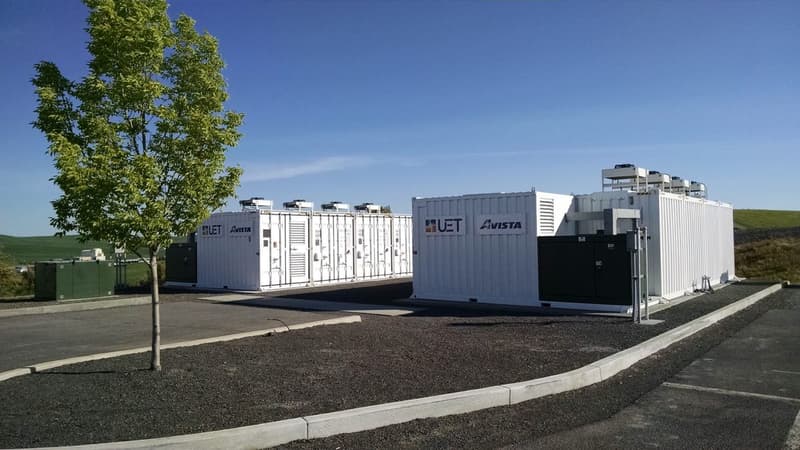
The balance-of-plant (BOP) package covers everything around the battery technology itself: site preparation, integration of the battery energy storage system, construction of a new 275 kV substation, and approximately 300 metres of 275 kV overhead lines connecting the site to the grid.
Atmos Renewables, the project owner and part of Igneo Infrastructure Partners, is supplying the battery technology through Valo. Co-locating the 1,600 MWh system directly beside Powerlink’s Teebar Creek substation is a deliberate design choice: the shorter the connection, the lower the network losses and the simpler the grid-connection process — two factors that regularly make or break large storage projects. For readers new to the technology, our battery energy storage explained guide breaks down how grid-scale batteries earn revenue and why duration matters more than headline megawatts.
Atmos Renewables Teebar reaches financial close under the CIS
The contract win follows Atmos Renewables reaching financial close on the Teebar BESS together with the 470 MW Parron Maam Marang wind farm — a combined portfolio of roughly 870 MW. Teebar is supported by the Australian Government’s Capacity Investment Scheme (CIS), the federal mechanism designed to underwrite revenue for large-scale clean energy and storage projects.
The pace is striking. Atmos reached financial close on the 100 MW / 400 MWh Merredin battery in Western Australia in June 2025. Adding Teebar and Parron Maam Marang takes the developer to around 970 MW of CIS-backed capacity through financial close in just 16 months — making Atmos one of the scheme’s most active participants. The financial close was reported by Industry Queensland on October 7 2026.
Atmos chief executive Nigel Baker was candid about what the milestone does and does not prove: “The CIS provides important long-term revenue support, but an award is only one step. Projects still need to secure financing, grid access, wider commercial arrangements and a credible delivery pathway.”
The point is well made. Australia’s storage pipeline is crowded with CIS-awarded projects that have yet to reach financial close; Teebar demonstrates that an award can actually convert into steel in the ground — but only when financing, grid access and delivery capability line up. Enerven’s appointment supplies the last of those three.
Jobs and construction timeline
The construction phase is expected to generate between 100 and 150 peak construction jobs, falling to just two ongoing operational roles once the battery is running — a jobs profile typical of utility-scale storage, which is capital-intensive but labour-light in operation. Mobilisation begins in October 2026, the construction commencement ceremony is set for October 20, and commercial operation is targeted for late 2028.
That two-year build window reflects the scale of the balance-of-plant works: the substation and 275 kV connection infrastructure are long-lead items, and grid-connection testing for a 400 MW battery is measured in months, not weeks. Similar large-format storage builds internationally follow the same pattern — Dankse’s 200 MW Berkswell project in the UK shows how BOP contractors sequence civil works ahead of battery delivery.
Why it matters
Teebar is a live test case for the most important question in Australian energy policy: does the Capacity Investment Scheme actually get projects built? A government auction can award all the contracts it likes; what matters is whether developers can take them through financial close and into construction. Atmos pushing roughly 1 GW of CIS-backed capacity through financial close in 16 months is the strongest evidence yet that the mechanism works — at least for developers with access to institutional capital and credible delivery partners.
The data comparisons underline the project’s scale. At four hours of duration, Teebar stores twice as much energy per megawatt as the two-hour grid batteries that still dominate most markets — a configuration aimed at the evening peak and overnight firming rather than short frequency-control bursts. Its 1,600 MWh of storage is four times the 400 MWh of Atmos’s own Merredin battery, which reached financial close just 16 months earlier: the Queensland project marks a step-change in the developer’s ambitions. And the jobs ratio — 100 to 150 construction jobs collapsing to two permanent operational roles — is a reminder that utility storage is an infrastructure asset, not an employment engine; its economic value sits in grid services and price arbitrage, not payrolls. For a sense of how alternative long-duration technologies compare, see China’s 100 MW compressed-CO2 storage project in Xinjiang.
For Queensland, the project adds a major dispatchable asset to a grid absorbing record rooftop solar and large-scale renewables. If Teebar hits its late-2028 target, it will stand as proof that the CIS can convert policy intent into operating capacity — and as a template for the storage wave Australia’s energy transition still needs.