- Canadian Solar’s energy-storage business e-STORAGE has signed an agreement to supply and commission a 100 MW / 200 MWh battery system for OX2’s Muswellbrook Solar Farm and Battery in New South Wales.
- The two-hour system uses SolBank 3.0 containers, e-STORAGE’s in-house EQ-S energy management software and a hybrid plant controller, with shipments from Q3 2027 and commercial operation targeted for Q3 2028.
- The deal is backed by a 20-year long-term service agreement — cells, software and performance accountability under one partner — on former coal mine land in the Hunter-Central Coast Renewable Energy Zone.
A new Muswellbrook battery storage deal will put a 100 MW / 200 MWh battery beside one of New South Wales’ newest solar projects. e-STORAGE, the energy-storage business of Canadian Solar, has signed an agreement with developer OX2 to supply and commission the battery energy storage system for the Muswellbrook Solar Farm and Battery, a solar-plus-storage project in the Hunter region. The system will store midday solar output and discharge it into the evening peak, turning a daytime-only solar farm into a dispatchable hybrid plant.
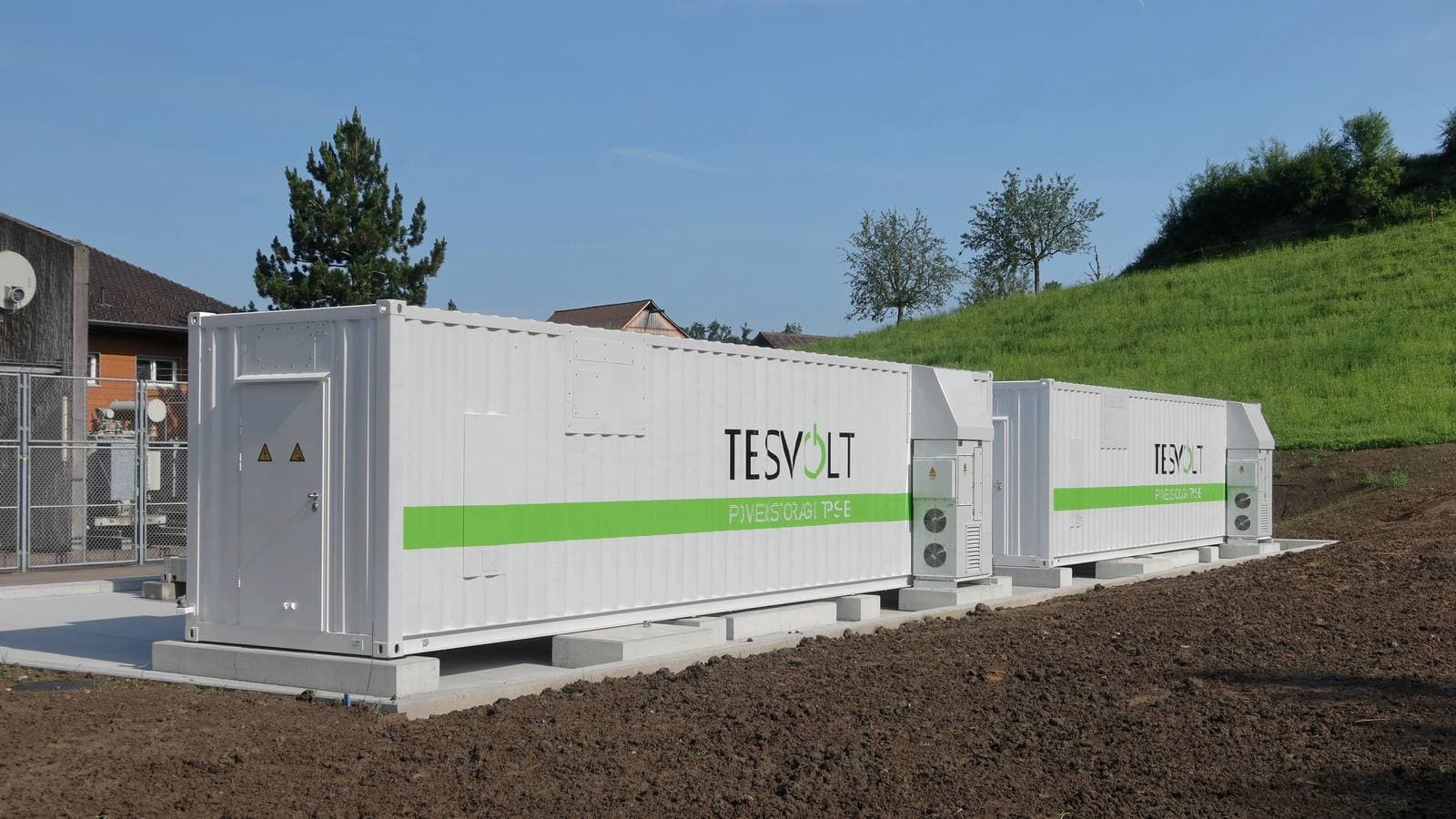
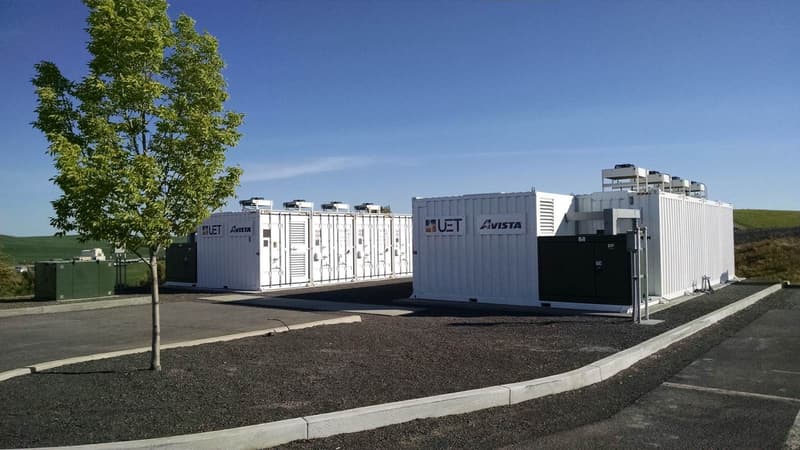
The scope goes well beyond shipping containers. e-STORAGE will supply its SolBank 3.0 battery containers, power conversion systems and plant controls, running on the company’s proprietary EQ-S Energy Management System, developed in-house by its North American software team. It will also carry out the R1 grid-connection studies, deliver a hybrid power plant controller that coordinates the battery with the co-located solar farm, and handle overall integration and commissioning. Both the cells and the SolBank system are manufactured in-house at Canadian Solar facilities. Shipments are scheduled to begin in Q3 2027, with commercial operation targeted for Q3 2028.
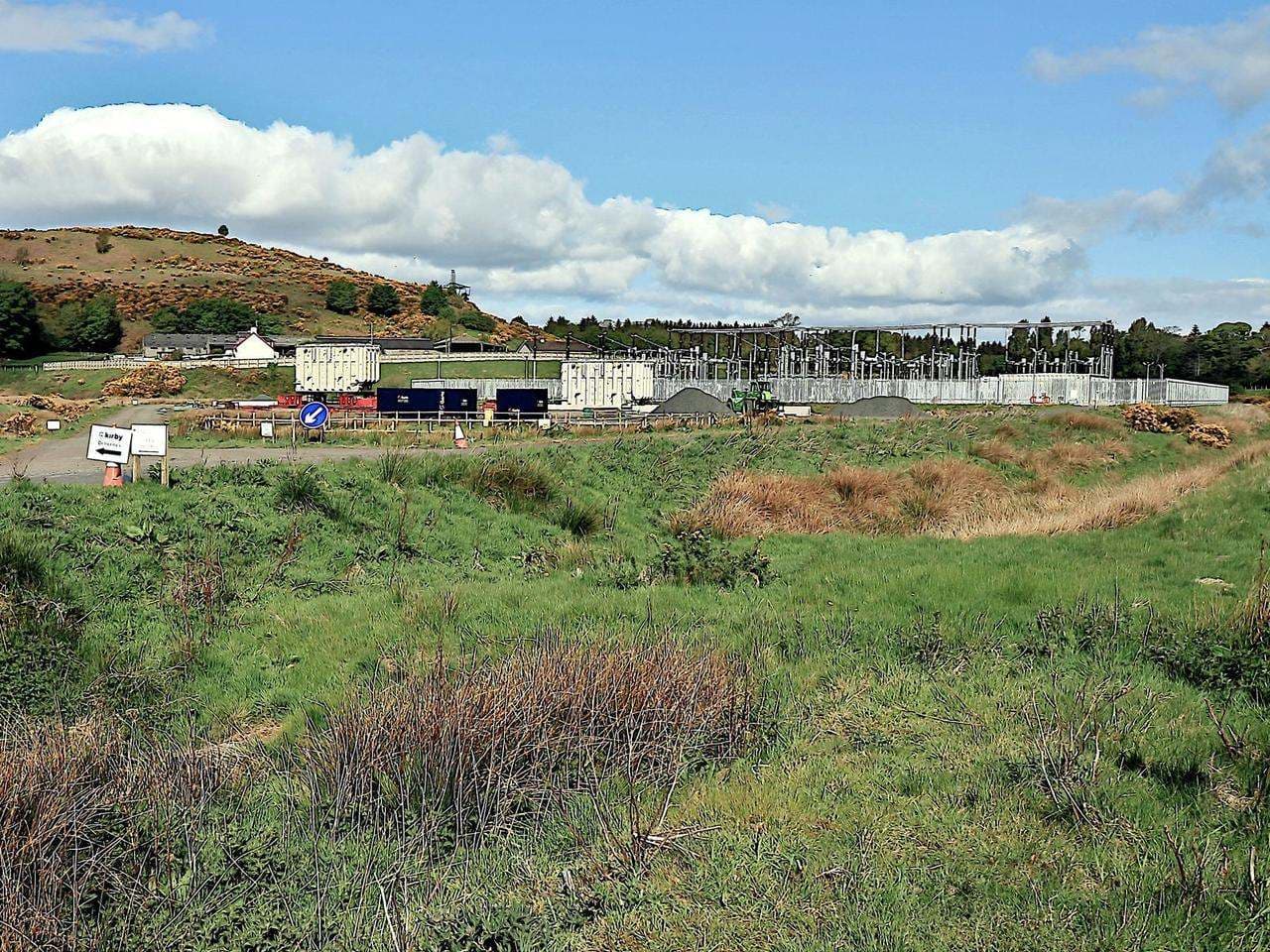
The site itself tells the transition story: roughly 2.5 kilometres east of Muswellbrook, on former coal mine land inside the Hunter-Central Coast Renewable Energy Zone. The two-hour battery is designed to capture energy when the sun is shining and deliver it when the grid needs it most — which, in the Hunter, increasingly means the evening hours once served by coal. The project underpins OX2’s long-term hybrid power purchase agreement for the site. “This battery storage system is what turns Muswellbrook into a true hybrid facility — pairing solar generation with storage so we can capture energy when the sun is shining and deliver it when the grid needs it most. It’s a key step in providing firm, reliable renewable power to the Hunter region,” said Steve Symons, vice president of OX2 Australia.
What the Muswellbrook battery storage system includes
The commercial structure of the deal is as notable as the hardware. The agreement is backed by a 20-year long-term service agreement covering hardware, software and performance — one accountable partner from the cell through two decades of operation. That contrasts with the industry’s typical multi-vendor split, where engineering, procurement and construction, operations and maintenance, and software often sit with different counterparties, and finger-pointing follows every underperformance event. Whether the single-throat model delivers better lifetime economics will only be visible years from now, but the direction of travel is clear: storage buyers are paying for guaranteed outcomes, not equipment.
“Australia’s energy transition is being decided in regions like the Hunter, where storage now has to carry the load that retiring coal once did. We control this project from the cell through to our own energy management software and 20 years of service, which means OX2 has one partner accountable for how the system performs over its full life,” said Jeff Roy, president of e-STORAGE. For readers new to the technology, how grid battery storage works explains the containerised systems behind deals like this one — and how solar panels convert sunlight into electricity covers the generation half of the hybrid.
Coal mine to hybrid plant: the Hunter transition
Muswellbrook sits in the middle of Australia’s most watched coal exit. Liddell Power Station, also in the Hunter Valley, closed in April 2023. AGL’s Bayswater station — roughly 2.6 GW and one of Australia’s biggest polluters — is slated to close by 2033, with the company flagging a possible window of 2030 to 2033. Origin Energy’s Eraring, Australia’s largest coal plant at 2,880 MW, was due to close in August 2027, but in January 2026 Origin pushed the date to April 2029, saying it needed more time for replacement renewables, storage and transmission to be delivered. The e-STORAGE release itself frames the battery against “the early 2030s” coal retirements, and the shape of that exit — Liddell gone in 2023, Eraring out by 2029, Bayswater by 2033 — confirms the frame: a two-hour, 100 MW battery cannot replace a coal giant — it is less than four per cent of Bayswater’s output capacity — but it is exactly the kind of firming asset the evening peak will need as those retirements land.
The project is one node in a much larger Australian buildout. Comparable recent deals include Saft’s 122 MWh battery project with Axpo in France, but the domestic pipeline is where the scale sits: e-STORAGE alone reports more than 23 GWh of battery storage shipped globally, a contracted backlog of US$3.5 billion as of 30 June 2026, and a development pipeline of about 22 GWp of solar alongside 84 GWh of storage.
Why it matters
Two comparisons put the Muswellbrook deal in perspective. First, the scale: 200 MWh is modest — a rounding error against e-STORAGE’s 84 GWh development pipeline and its US$3.5 billion backlog. But that is the point. The storage industry is no longer built on company-making mega-deals; it is built on dozens of 100–400 MW projects stacking into a global order book, each one bankable because the technology is now standardised. Muswellbrook is evidence of the business scaling project by project, not a landmark in itself.
Second, the model: the 20-year single-partner LTSA is a bet that accountability beats procurement optimisation. Splitting a battery project across cell supplier, integrator, software vendor and O&M contractor can shave upfront cost, but it fragments responsibility for the one metric that matters — how the system performs in year twelve. e-STORAGE’s pitch is that controlling the stack from cell to software to service removes that fragmentation. If the model works, expect it to become the default procurement template for hybrid solar-plus-storage plants across the Hunter-Central Coast zone and beyond — which is precisely where the next wave of coal retirements will need it.