- Apollo Power signed a procurement agreement with Tesla Energy Taiwan on October 8 for 260 Tesla Megapack 2XL units totaling roughly 1 GWh of storage capacity (501 MW), with deliveries phased through the end of 2027 and operations starting in 2028.
- Total project investment is about NT$13 billion (~$406.7 million), covering the battery equipment plus installation engineering — the contract price itself was not disclosed under a confidentiality agreement.
- Only about 33 of the 260 units are backed by signed customer contracts so far, with another ~150 in negotiation: Apollo is locking up supply early because, in the chairman’s words, “global large storage supply is tight.”
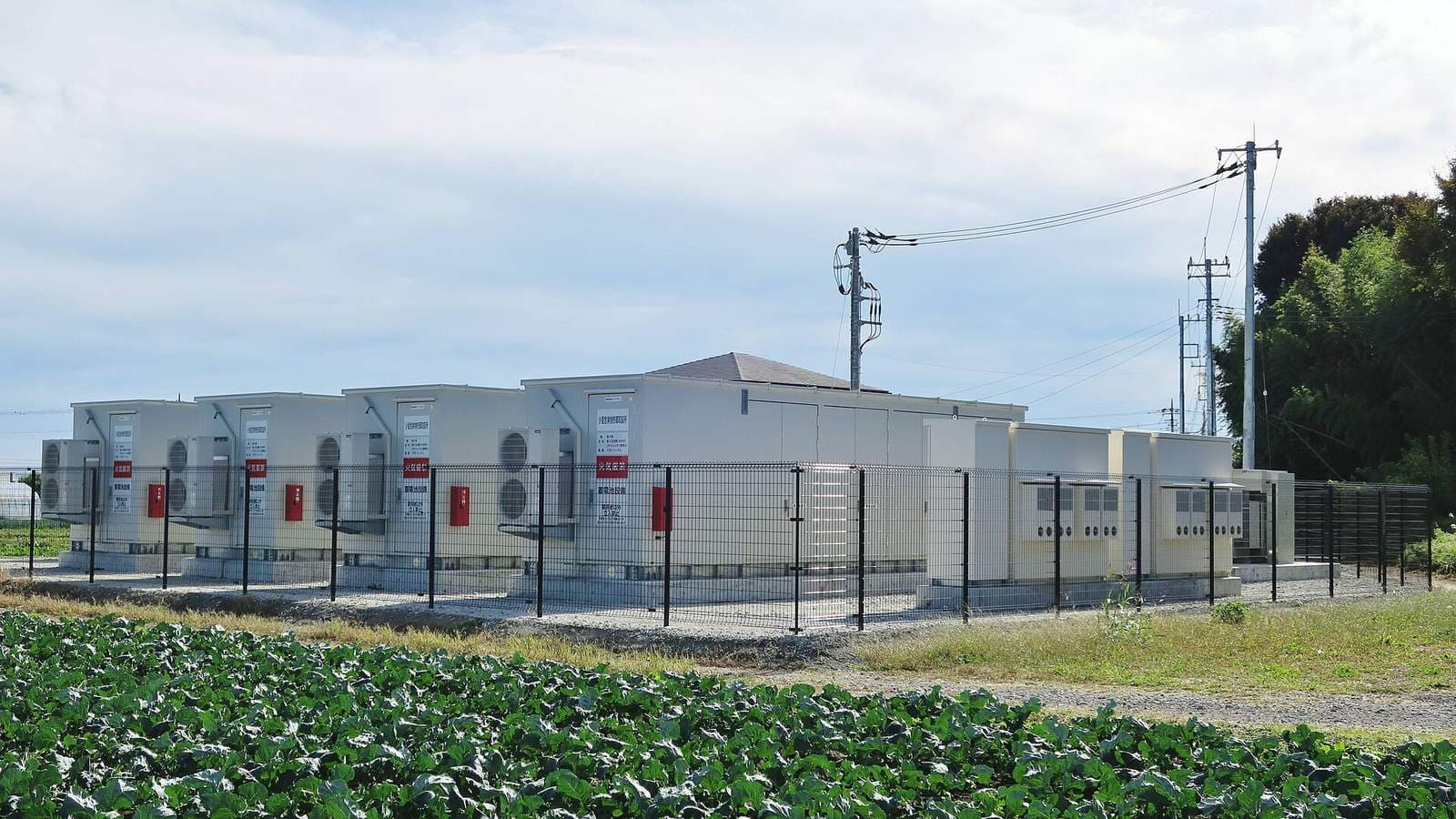
The largest Tesla Megapack Taiwan order to date is now on the books. Apollo Power, a Taiwanese energy company, has committed to 260 Tesla Megapack 2XL units totaling about 1 GWh of capacity, betting that Taiwan’s booming AI data-center industry will need batteries as urgently as it needs chips. The agreement, reported October 13 following the company’s Taiwan stock-exchange filing, puts a slice of Tesla Energy’s output to work backing up data centers, semiconductor fabs and industrial customers in Taiwan’s western industrial corridor.
The scale is striking for a market the size of Taiwan. The 501 MW / ~1 GWh system will be delivered in phases by the end of 2027, with commercial operations beginning in 2028. The NT$13 billion total investment spans not just the Megapack units but the installation engineering around them — roughly 40 to 50 percent of the spend is equipment, according to reporting on the deal.
A 1 GWh order in a tight storage market
The most revealing detail is not the size of the order but how little of it is already sold. Only about 33 of the 260 units sit under signed customer contracts, with roughly 150 more in negotiation — meaning the majority of the 1 GWh is supply Apollo has reserved before demand has fully materialized. The Apollo Power chairman was blunt about the reasoning, saying, per Yahoo Taiwan Finance as cited by Teslarati on October 13: “Global large storage supply is tight, which is why the company locked in the units early.”
That logic reflects a real supply crunch. Utility-scale battery lead times have stretched across the industry as grid operators and hyperscalers compete for the same large-format systems. By reserving manufacturing slots now, Apollo is positioning itself as the intermediary between Tesla’s production line and Taiwan’s power-hungry industrial base — collecting a margin on timing as much as on technology.
The pre-sold math sharpens the gamble. With roughly 33 of 260 units under signed contracts, Apollo has a firm buyer for barely 12.7 percent of the fleet, and ~150 more units (about 58 percent) are still only in negotiation. The company is therefore carrying exposure on the remainder — a deliberate bet that Taiwan’s western industrial corridor will absorb the rest once the batteries are actually deliverable in late 2027. If Taiwan’s AI buildout runs hot, Apollo holds scarce, grid-forming capacity that customers will pay a premium to access. If demand lags, it is sitting on the region’s largest unsold battery inventory.
The AI data-center angle
Apollo is not buying these Megapacks for grid arbitrage alone. Alongside the Tesla agreement, the company launched an “AIDC and Enterprise Grid Resilience Partnership” with Phison, Gigabyte and Shihlin Electric — a coalition aimed at steel, semiconductor, industrial manufacturing, textile and healthcare customers. The pitch: on-site and grid-adjacent storage that keeps factories and server halls running through outages and grid instability.
Grid-forming (GFM) capability is cited as the technical differentiator — the batteries can actively stabilize frequency and voltage rather than merely following the grid, which matters for facilities that cannot tolerate even brief power-quality events. Tesla Energy Taiwan general manager Sun Hsiao-Han traced the arc from a June 2026 demo with Phison to the 1 GWh order in just four months, underscoring how fast the data-center power story has moved.
Why it matters
Put the 1 GWh in context against Tesla Energy’s own numbers and the order’s weight becomes clear. Tesla Energy’s global storage deployment has now surpassed 50 GWh, growing at 2 to 3 GWh per quarter. That means this single Taiwanese order equals roughly one full quarter of Tesla Energy’s global deployment rate — and about 2 percent of all the energy storage Tesla has ever installed, heading to one developer in one mid-sized market.
Within Taiwan, the jump is even sharper: Tesla Energy says roughly 1.5 GWh is already installed on the island, so Apollo’s order would expand Tesla-backed storage capacity in Taiwan by two-thirds if fully deployed. The economics also pencil out interestingly. At 40 to 50 percent of the NT$13 billion project budget, the equipment spend implies roughly NT$5.2 to NT$6.5 per watt-hour for the Megapack hardware — a plausible landed figure for large-format systems in 2026, though the undisclosed contract price means the real number stays private.
The deeper signal is strategic. Apollo’s “reserve supply ahead of demand” move treats battery manufacturing capacity like a commodity future — and it only works if Taiwan’s AI buildout actually materializes the way chip companies expect. If it does, Apollo owns the bottleneck. If not, it owns 227 unsold Megapacks. For context on how storage increasingly competes with fossil generation on cost, see our recent reporting that battery storage is now cheaper than gas peakers in all 43 markets tracked by Wood Mackenzie, and the 100 MW/200 MWh Muswellbrook hybrid project in Australia for a sense of where project sizes are heading globally. New to the technology? Our guide Battery Energy Storage Explained: How Grid Batteries Work covers how systems like these keep the lights on.
Sources: Teslarati (October 13, 2026, citing Apollo Power’s stock-exchange filing); BigGo Finance (October 8, 2026).