- Godawari New Energy, a wholly owned subsidiary of steel producer Godawari Power & Ispat, has received environmental clearance from Maharashtra’s SEAC-3 for a 20 GWh battery energy storage system facility at AURIC Bidkin.
- The company has already deployed ₹501 crore of BESS capex (as of 30 June 2026) and raised its total equity investment in the subsidiary to ₹600 crore, targeting commercial operations in Q1 FY28.
- One 20 GWh plant represents nearly a tenth of India’s projected 208 GWh battery storage requirement by 2030, signalling how fast domestic manufacturing is scaling.
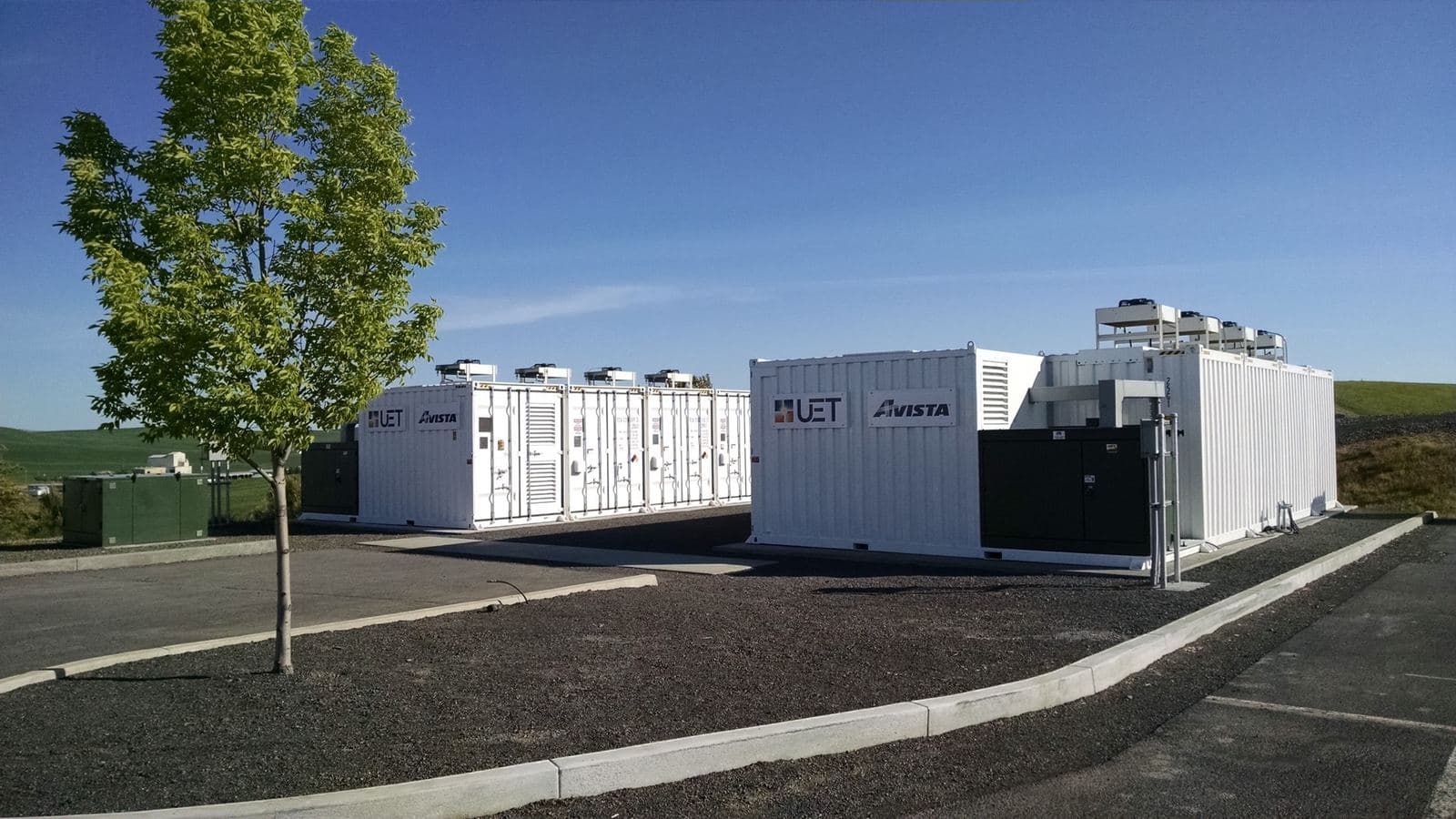
An Indian steel company is moving deeper into the battery business. Godawari New Energy Private Limited, the wholly owned clean-energy subsidiary of Godawari Power & Ispat Limited (GPIL), has secured environmental clearance from Maharashtra’s State Expert Appraisal Committee-3 (SEAC-3) for an industrial building to house a 20 GWh battery energy storage system (BESS) plant — one of the largest India 20 GWh battery storage manufacturing projects announced this year.
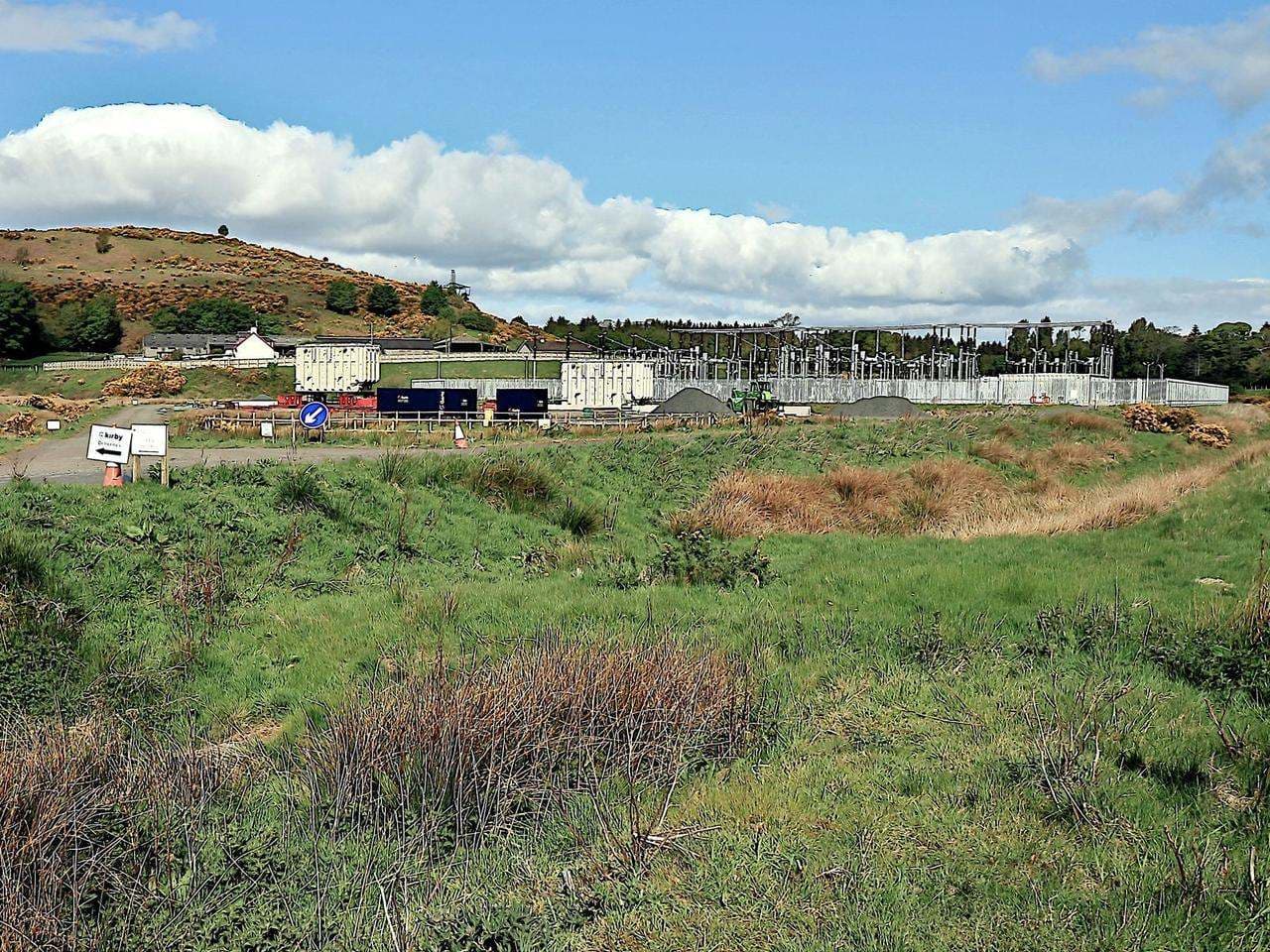
IndiaCSR’s coverage of the announcement confirms the clearance was received on 5 October 2026 and covers the greenfield facility at the AURIC Bidkin Industrial Area in Chhatrapati Sambhajinagar, Maharashtra — a master-planned smart city on the Delhi–Mumbai Industrial Corridor. Market reporting on the SEBI filing notes the company has already incurred around ₹501 crore in capital expenditure on the BESS project as of 30 June 2026, and subscribed to ₹150 crore of equity on a rights basis on 3 July, taking its total investment in the subsidiary to ₹600 crore.
Steel, EPC and batteries: the vertical-integration bet
What sets the Godawari plan apart from most battery announcements is who is making it. GPIL is an integrated steel producer, and its pivot toward clean energy leans on capabilities most battery startups must buy in. The company’s downstream Cold Rolling Mill output can feed the structural steel in battery containers, while large-format Grade-1 LFP cells will come from supply deals with Chinese cellmaker EVE Power — a partnership that brings proven cell chemistry but also the import-dependence risks facing any India-based integrator relying on foreign cells.
The group is also keeping the value chain in-house. On 1 October 2026 it incorporated Godawari Energy Solutions Private Limited as a dedicated EPC and O&M arm for clean energy projects, a move that lets it capture installation and maintenance margins rather than handing them to outside contractors. The clearance itself is what industry analysts describe as a de-risking milestone: it clears the regulatory path for physical construction toward the targeted Q1 FY28 commercial launch, subject to civil works, equipment installation and further approvals.
The company has described the BESS programme at around ₹1,400 crore, and GPIL reported Q1 FY27 consolidated revenue of ₹1,750.47 crore with net profit of ₹222.37 crore — meaning the battery bet, while large, is being funded by a cash-generating core business rather than venture-style dilution. That cushion matters: the same analysts flag that profitability in the near term will still hinge on iron ore pellet realisations, with the BESS segment needing further working capital before meaningful margins in FY28.
Why the India 20 GWh battery storage clearance matters
Scale is the headline here, and the numbers put it in context. India’s Central Electricity Authority projects a requirement of 208 GWh of battery energy storage by 2030 under the National Electricity Plan 2023 — part of a wider 336 GWh storage requirement — to integrate the country’s surging renewable fleet. A single 20 GWh factory is nearly a tenth of that entire national 2030 requirement, from one company that made its name in steel.
The policy backdrop is moving in the same direction. In March 2024 the government approved a viability gap funding scheme with an outlay of ₹3,760 crore supporting 13,220 MWh of large-scale battery storage, followed in June 2025 by a second scheme for 30 GWh backed by ₹5,400 crore from the Power System Development Fund, as KNN’s reporting on the CEA data detailed. New draft rules would also require solar and wind plants commissioned from July 2027 to include co-located storage — a built-in domestic demand pipeline for exactly the kind of systems Godawari plans to assemble.
India is not the only Asian market scaling battery factories — China’s CBAK Energy recently signed a deal for a 12 GWh sodium-ion battery plant in Nanjing — but Godawari’s is among the most vertically integrated attempts, spanning steel, EPC and battery integration. Whether that integration translates into a cost advantage over pure-play cell integrators will be the test to watch as construction gets underway.
For readers wanting the technical background, our Battery Energy Storage Explained guide walks through how grid-scale batteries actually work — from cell chemistries like the LFP format Godawari will use, to the inverters, thermal management and software that make a containerised system dispatchable.
Risks to watch
The execution risks are real and worth stating plainly. Commercial operation by Q1 FY28 depends on smooth civil works and tech transfers without further regulatory bottlenecks. The cell supply chain remains exposed to geopolitical trade barriers and component pricing shifts. And a 20 GWh manufacturing plant is a different business from the deployment contracts it will bid into — tender pipelines, pricing discipline and offtake terms will decide the plant’s economics long after the building is up.
Still, the direction of travel is clear: from EVE Power cells to an AURIC smart-city site, every piece of the plan is aimed at making India one of the places batteries are built at scale, not just bought. The next milestones to watch are the start of civil construction at Bidkin and the first EPC work from the newly incorporated Godawari Energy Solutions.