- PwC Autofacts counted a record 11 million battery-electric vehicle registrations in 43 markets in the first nine months of 2026, up 12 percent, with Europe at 2.5 million, up 42 percent.
- Germany registered 604,000 battery-electric vehicles in the same period, up 58 percent, while the United States fell 29 percent to about 746,000 and China held steady at about 6 million.
- In the United States, battery-electric vehicles were 6 percent of new light-duty sales in the third quarter of 2026, down from 10 percent a year earlier, while hybrids reached 16 percent, according to the US Energy Information Administration.
Electric car registrations in 2026 split the world market into two stories that the global headline hides. American showrooms pulled demand forward into the autumn of 2025, when buyers rushed to claim credits before they expired, and the months after that rush inherited a thinner order book, higher showroom prices, and a model mix tilted toward larger, costlier vehicles. European showrooms faced no equivalent cliff, and factory output kept arriving through dealer networks that had spent the previous year adding chargers and sales staff. The fleet turns over slowly in every market, so a single quarter of showroom movement changes the installed base only slightly, while it changes factory planning, dealer stock, and battery orders immediately.
PwC published the latest edition of its Electric Vehicle Sales Review on 29 October 2026, covering new registrations in 43 markets. The third quarter alone set a record, with 4.3 million battery-electric vehicles registered globally between July and September, including about 236,000 in Germany. In Germany, France, Italy, Spain, and the United Kingdom, registrations rose 66 percent year on year in the third quarter, passing 600,000 vehicles for the first time. Harald Wimmer, global automotive leader at PwC Germany, said the introduction phase of the electric car was over. The PwC figures reached Joule Post through syndicated reporting of the PwC release, and the PwC own publication page was not located for this article, so the figures are attributed to the PwC review as reported. The United States figures in the first paragraph of this article come from the Energy Information Administration analysis published on 19 October 2026, based on Omdia estimates, which gives the domestic split an independent check.
The Energy Information Administration analysis published on 19 October 2026, based on Omdia estimates, records the United States detail behind the split. Battery-electric vehicles were 6 percent of new light-duty vehicle sales in the third quarter of 2026, down from 10 percent in the third quarter of 2025, while plug-in hybrids fell from 1.8 percent to 0.7 percent and hybrids rose to 16 percent. Battery-electric sales were 6 percent of new sales in the first nine months of 2026, down from 8 percent in the same period in 2025. The two credits, the New Clean Vehicle Credit and the Qualified Commercial Clean Vehicle Credit, expired on 30 September 2025, after battery-electric vehicles reached a record 12 percent of sales in September 2025. Hybrid growth slowed in the third quarter as the average new vehicle transaction price passed 50,000 dollars for the first time this year, according to Kelley Blue Book. In the luxury segment, battery-electric vehicles were 12 percent of luxury light-duty sales in the third quarter of 2026, down from 31 percent a year earlier.

Electric car registrations in 2026 show Europe and China pulling in opposite directions
The regional split is the story, because the global total hides two different markets. Europe grew fast from a smaller base, China held a large base flat, and the United States shrank. On the PwC figures, China accounts for about 54.5 percent of the 11 million nine-month total, Europe accounts for about 22.7 percent, the United States accounts for about 6.8 percent, and Germany alone accounts for about 5.5 percent. The third quarter total of 4.3 million is about 39 percent of the nine-month total, which shows the pace quickening into the autumn. The implied prior-year global total, dividing 11 million by the 12 percent growth rate, is about 9.82 million, and the implied prior-year United States total, dividing 746,000 by the remaining 71 percent after a 29 percent fall, is about 1.05 million. Those implied totals are Joule Post arithmetic from the published growth rates, labelled as calculations, and they assume the published percentages were rounded to whole numbers.
| Market, first nine months of 2026 | Registrations | Change | Share of 11 million global total |
|---|---|---|---|
| Global, 43 markets | 11 million | Up 12 percent | 100 percent |
| China | About 6 million | Steady | About 54.5 percent |
| Europe | 2.5 million | Up 42 percent | About 22.7 percent |
| Germany | 604,000 | Up 58 percent | About 5.5 percent |
| United States | About 746,000 | Down 29 percent | About 6.8 percent |
| Global, third quarter only | 4.3 million | Record quarter | About 39 percent of the nine-month total |
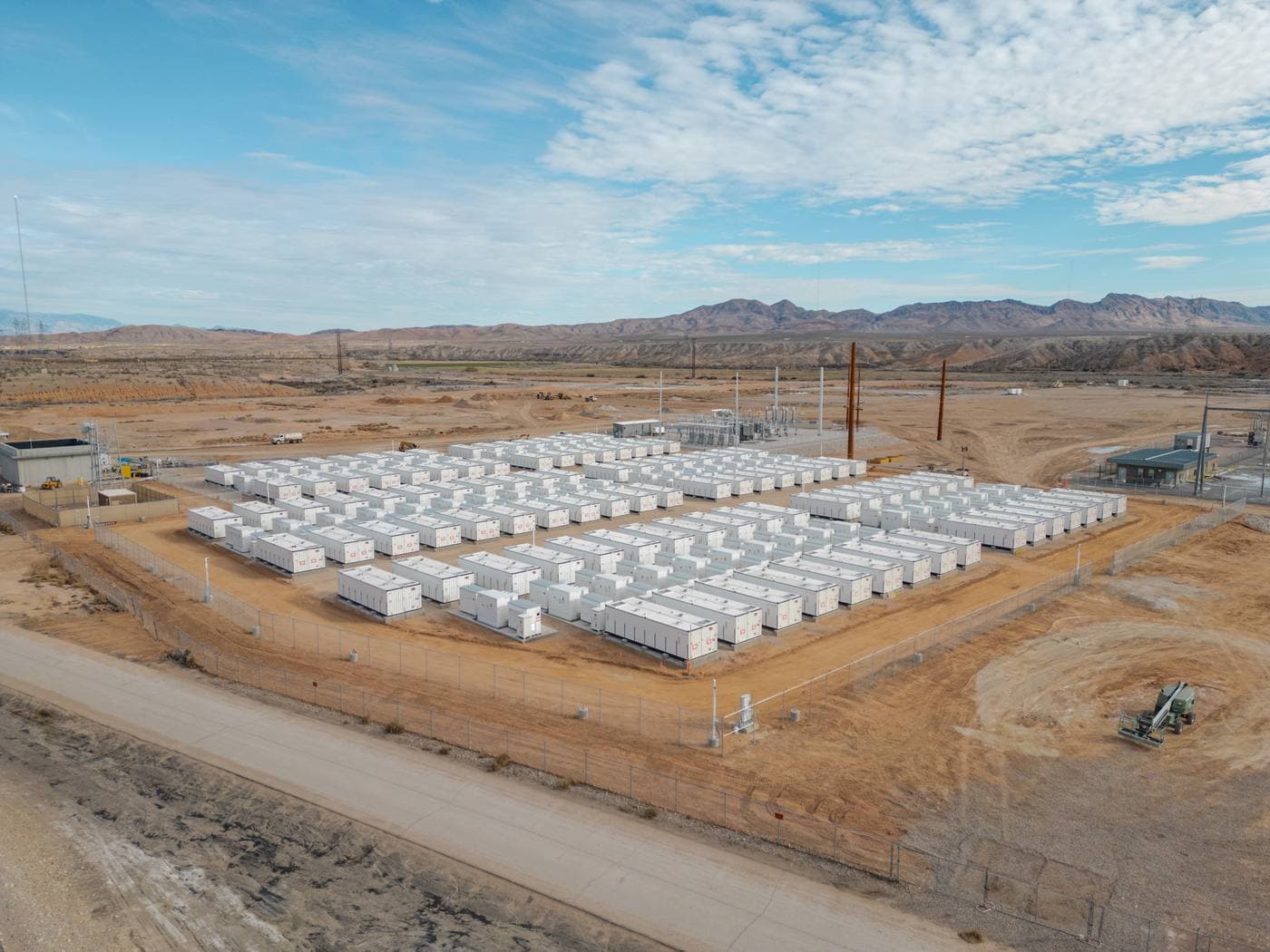
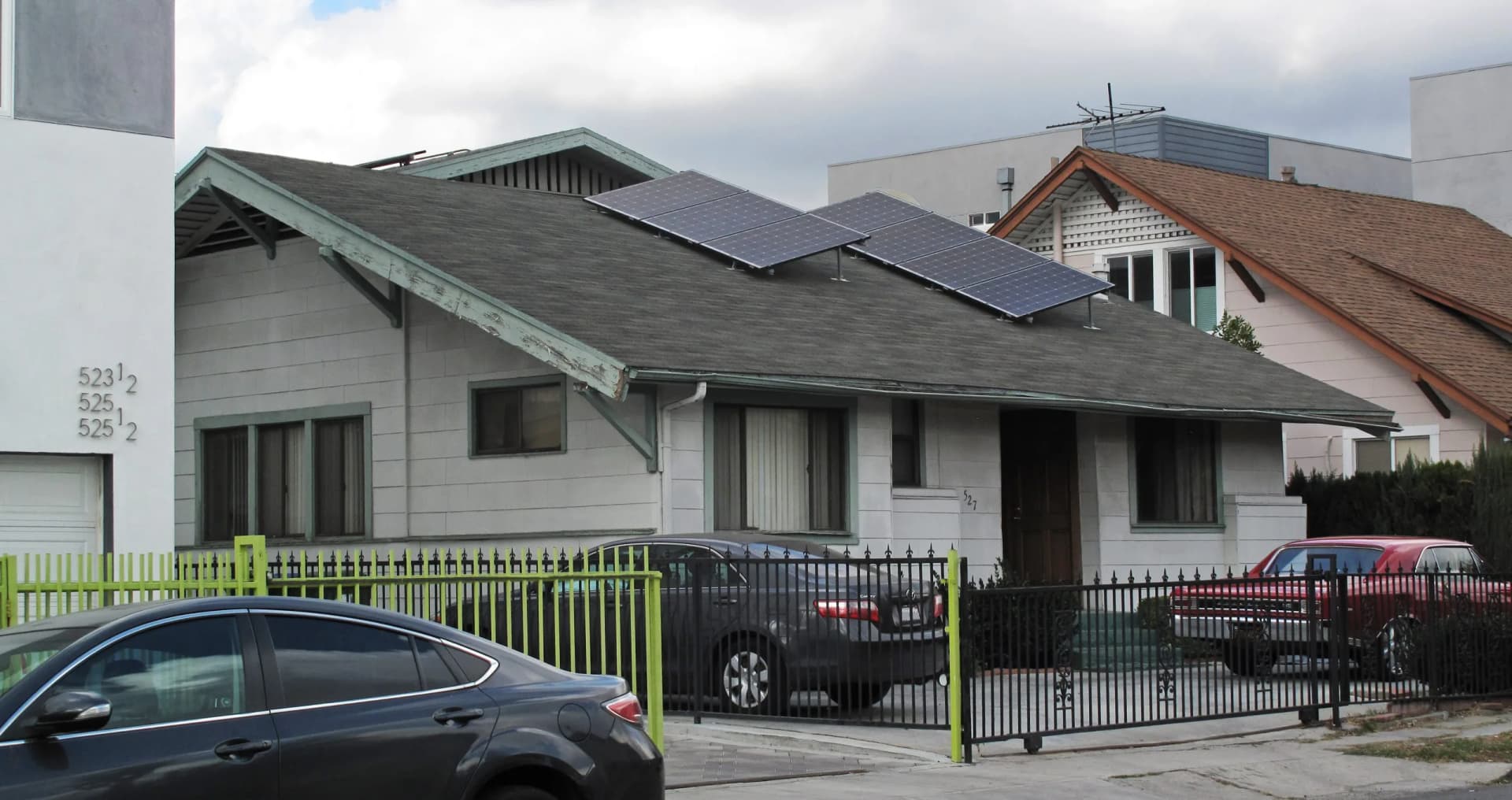
A 6 percent sales share changes the planning math for charging networks and battery supply, because the United States fleet turns over slowly. The Energy Information Administration notes that electric vehicles accounted for 2 percent of all registered light-duty vehicles in the United States in 2024, the most recent fleet-wide data year, so even a strong sales year moves the fleet share slowly. Home charging remains the main use case for most buyers, and the Level 2 home charger cost guide covers the installation decision that follows a purchase. Battery longevity, covered in the analysis of 22,700 cars, matters more when buyers hold cars longer after a price shock, because the battery is the most expensive component and the resale question. Hydrogen remains a footnote at this scale: a little over 19,000 fuel cell vehicles have been sold or leased in the United States since 2012, including 233 through August 2026, according to the Hydrogen Fuel Cell Partnership, beside 746,000 battery-electric registrations in nine months. The battery storage explainer covers the grid side of the same shift, where batteries paired with solar are changing when electricity is available and what it costs at peak times.
The global record and the United States decline can both be true, because the markets run on different incentives. Europe added models, charging, and purchase support while Germany surged, China held volume at a scale no other market matches, and the United States removed a credit that had pulled sales forward into September 2025. The next test is the fourth quarter, when United States comparisons run against the weak months that followed the credit expiry, which should flatter the year-on-year picture even without a demand recovery. Buyers should watch the share figures, the transaction price, and the model mix, rather than the global headline alone, because the headline records a record while the largest Western market moves the other way.
Sources: US Energy Information Administration, hybrid sales rise while battery electric sales remain lower after tax credit expiration, 19 October 2026; PwC Autofacts Electric Vehicle Sales Review figures as reported, published 29 October 2026; Hydrogen Fuel Cell Partnership webinar recap, October 2026.