- Wood Mackenzie’s latest global LCOE report finds four-hour battery storage is now cheaper than open-cycle gas turbines in all 43 markets where both were modelled.
- The crossover is being pushed from both sides: battery manufacturing scale is driving storage costs down while turbine shortages and fuel volatility push peaking costs up.
- North America is the exception on solar, where tariffs are expected to raise module prices about 5% a year through 2030 — even as storage keeps its cost advantage through the ITC’s 2038 phase-out.
Battery storage is now cheaper than gas peakers on every continent where the two technologies compete. Wood Mackenzie’s latest global levelised-cost-of-electricity (LCOE) report, released October 8 — the most comprehensive battery-vs-gas-peaker LCOE comparison published in 2026 — finds that four-hour battery storage undercuts open-cycle gas turbines — the workhorse technology for meeting peak electricity demand — in all 43 markets where both were modelled, spanning Europe, North America, Latin America, Asia Pacific, the Middle East and Africa.
The headline figure is less a milestone than a verdict. For decades, grid planners treated gas-fired peaking plants as the default answer to the question of what keeps the lights on when demand spikes. According to Wood Mackenzie principal analyst Ahmed Jameel Abdullah, that assumption has now been overturned globally: “This economic shift is decisive and widening.”

The numbers behind the crossover
The report’s regional detail shows how fast the ground is moving. In the Middle East and Africa, utility-scale solar now leads at $37 per megawatt-hour, and four-hour battery storage costs are forecast to fall 33 percent — from $120/MWh in 2026 to $80/MWh by 2035. Solar LCOE in Saudi Arabia and the United Arab Emirates is on track to fall below $20/MWh by 2033, a figure that would have sounded like a typo a decade ago.
Asia Pacific tells the same story with a different protagonist. China has become the global benchmark for storage costs, coming in more than 55 percent below the rest-of-region average of $134/MWh, driven by the sheer scale of its domestic battery supply chain. Across the full sample, single-axis tracker solar is now the lowest-cost new-build technology in 43 of the 48 modelled markets, with onshore wind leading in the remaining five. Gas does not lead anywhere.
Crucially, the crossover is not happening because batteries alone got cheap. As Abdullah put it: “Gas turbine shortages and rising fuel volatility are driving up peaking costs, while expanding battery manufacturing continues to push storage costs down.” Open-cycle turbine waitlists are growing, and backlogs for larger closed-cycle machines now extend into the early 2030s — partly because AI data-centre developers are buying turbines for their own captive power, tightening supply for everyone else. The economic case for new gas peaking capacity is being closed off from both directions at once.
Why it matters: the crossover that made battery storage cheaper than gas
Compare the two trajectories and the significance sharpens. On one side: four-hour battery storage in the Middle East and Africa falling from $120 to $80/MWh within nine years — a one-third cost decline driven by manufacturing scale that compounds annually. On the other: gas peaking costs rising because the equipment itself is increasingly scarce, with order backlogs stretching into the 2030s and fuel prices whipsawing. A developer choosing between the two today is not weighing a cheaper technology against a pricier one; they are weighing a technology getting cheaper every year against one getting harder to buy. That asymmetry is why Abdullah calls the shift “decisive and widening” — and why, in Abdullah’s words, “from Latin America to Asia Pacific, the combination of falling storage costs and world-class renewable resources is closing off the economic case for new gas peaking capacity.”
There is also a US-specific sting in the data. The same storage technology that wins in 43 of 43 markets globally faces a policy-imposed handicap at home: tariffs, anti-dumping and countervailing-duty actions, and Section 232 import restrictions are expected to push US module prices up roughly 5 percent a year through 2030, with residential and commercial segments hit harder still — up 6 percent in 2027 and 14 percent in 2028. Meanwhile China builds the same batteries at more than 55 percent below the rest-of-Asia average. The result is a measurable “tariff premium”: American developers are paying above the global benchmark for the technology that just won the global cost race. To put it plainly, US trade policy is taxing the cheapest peaking technology on the planet.
How four-hour batteries won the peaking job
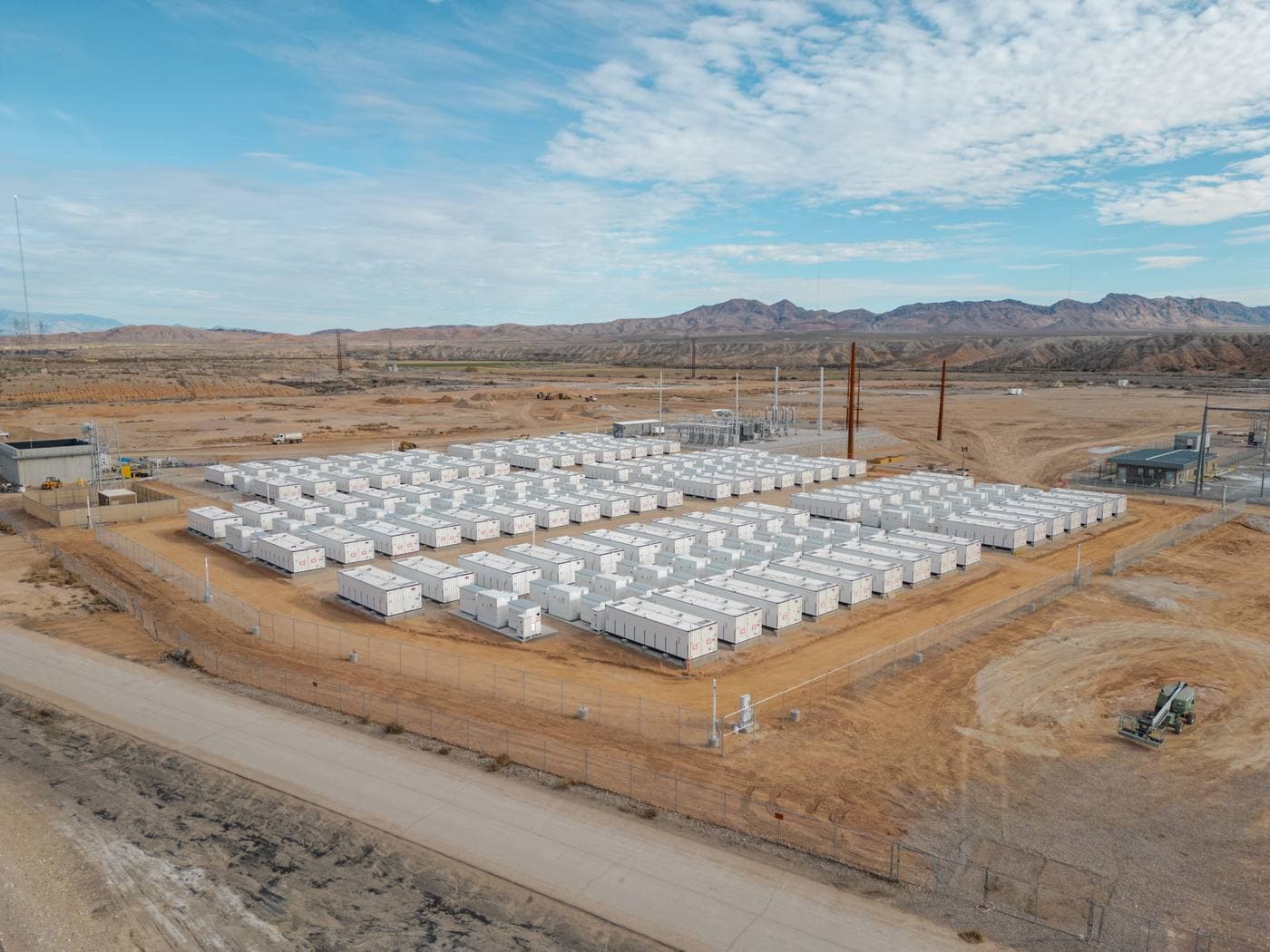
The four-hour duration is not arbitrary. It matches the shape of the daily demand peak: batteries charge during the midday solar surplus, when wholesale prices are lowest, and discharge through the evening ramp when gas peakers historically earned their keep. Our explainer on how grid-scale battery storage works walks through the mechanics — but the economic logic is simple. A battery’s fuel is surplus sunshine; a gas peaker’s fuel is a commodity whose price spiked repeatedly over the past five years. The report’s finding is, at bottom, a statement about which of those two fuels an investor would rather bet on for twenty years.
That logic extends beyond lithium-ion. Long-duration alternatives are moving from pilot to commercial scale — China has connected the world’s first 100-MW compressed-CO₂ energy storage plant to the grid — and each new chemistry that reaches bankability chips further at the remaining niches where gas still holds an edge.
The North American caveat
The United States is not about to stop building gas plants tomorrow. Wood Mackenzie expects North American investment in gas generation to enter “a supply deficit cycle through the late 2030s, driven by data centre load growth” — meaning demand for firm capacity will outrun the industry’s ability to build it, whether gas or otherwise. But two cushions protect US storage economics in the near term: 168 gigawatts of safe-harboured capacity partially shields utility-scale solar from the tariff wave, and storage retains an investment-tax-credit cost advantage until the credit’s 2038 phase-out, after which the report anticipates a cost spike before new chemistries and domestic supply chains pull storage LCOE down another 10 percent by 2060.
Even so, the direction of travel is unmistakable. When the cheapest way to meet peak demand on six continents is a battery, the remaining question for grid planners is not whether storage displaces gas peakers, but how fast procurement, interconnection, and market rules can catch up with the economics. The turbines’ defenders used to argue that batteries were a promise and gas was a plan. Wood Mackenzie’s 43-market sweep suggests those roles have now reversed.