- India sold 304,701 electric passenger vehicles between 1 January and 9 November 2026, the first time the segment has passed 300,000 units in a calendar year, up 66% on the same period last year.
- The 2026 total already beats the whole of 2025, when 195,571 electric cars were sold, by 109,130 units, with 52 days of the year still to run.
- Tata Motors leads with 120,895 sales and about 40% of the market, Mahindra has overtaken MG for second place, and the top three brands hold about 81% of sales between them.
A niche stopped being a rounding error this year. Sales first passed 30,000 in June and have stayed above that level for five straight periods, a run that turned steady growth into a milestone: the segment’s first 300,000-unit calendar year. The demand is now visible in showrooms, with the two leading makers together holding about three-fifths of sales and waiting lists that outrun supply.
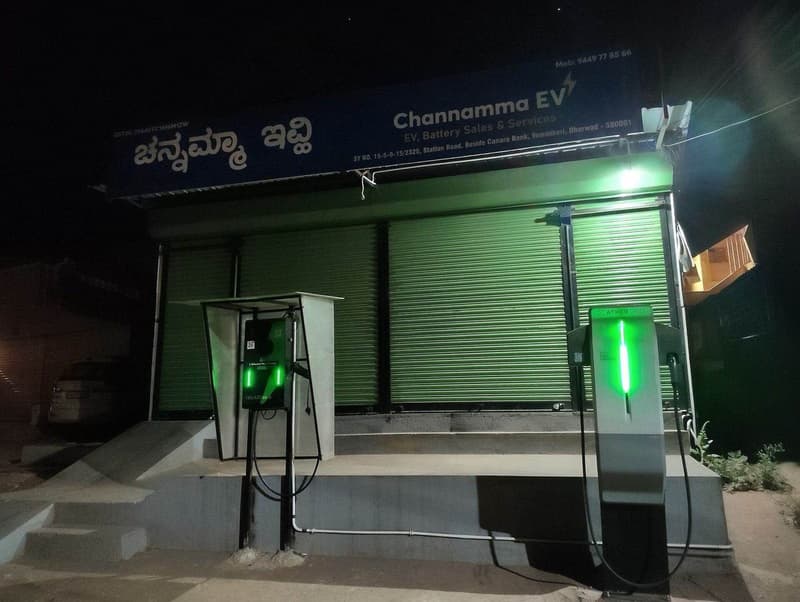
India electric car sales 2026 month by month
The growth has been steady rather than a single spike. Monthly sales first crossed 30,000 units in June and stayed above that level for five straight months through October. September was the strongest month yet at 38,440 units, up 108% on a year earlier, followed by October at 37,516. The first nine days of November added another 10,031 units, which Autocar describes as a strong start to a festive November.
| Month (2026) | Electric cars sold | Change on 2025 |
|---|---|---|
| January | 21,568 | +62% |
| February | 16,300 | +56% |
| March | 25,502 | +77% |
| April | 25,984 | +76% |
| May | 28,416 | +93% |
| June | 33,640 | +120% |
| July | 34,717 | +94% |
| August | 32,587 | +61% |
| September | 38,440 | +108% |
| October | 37,516 | +79% |
| 1–9 November | 10,031 | Not reported |
The quarters tell the same story in bigger steps. The first quarter delivered 63,370 units, the second jumped to 88,040, up 39% on the first, and the third was the strongest yet at 104,744, up 87% on the third quarter of 2025. The market has now run above 30,000 units a month for five consecutive months, a run that began in June and has not broken since.
Autocar attributes the surge to more product choice, better real-world range and prices that compare well with petrol cars. The data supports the first of those claims at least: the market now has credible electric options from Tata, Mahindra, MG, VinFast, Maruti Suzuki, Kia, BYD and Hyundai, where a few years ago it had two or three.
Tata holds 40% as Mahindra passes MG for second
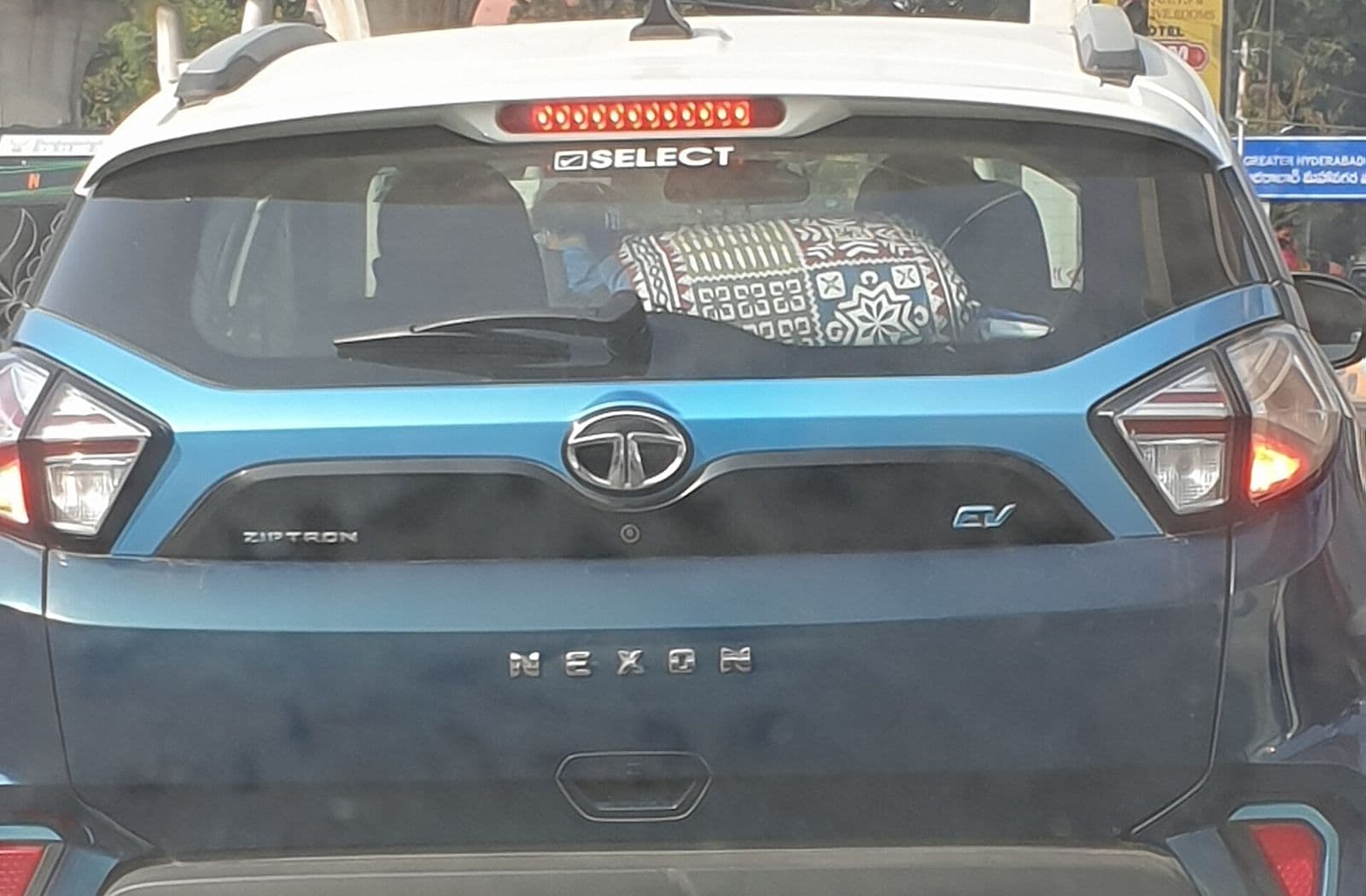
Tata Motors remains comfortably in front with 120,895 electric cars sold in 2026, a 39.67% share, and it became the first Indian carmaker to sell more than 100,000 electric vehicles in a calendar year, reaching the mark at the end of September. Its sales are up 58% on the 76,644 it sold in the same period of 2025. The Nexon EV is its best seller, with the Tiago EV and Punch EV also rising, and its best month was September with 15,719 units, 41% of that month’s total market.
Mahindra has moved ahead of JSW MG Motor into second place with 69,660 units, a 22.86% share, up from 19% and 37,247 units a year ago. Its line-up is built on the BE 6 and XEV 9e, with the newer XUV 3XO EV and XUV400, and its best month was October with 8,702 units. MG is now third with 56,988 units, an 18.70% share, and needs 252 more sales to pass its 2025 total of 57,239. Its best seller is the Windsor EV.
| Brand | Electric cars sold (1 Jan–9 Nov 2026) | Market share | Best seller |
|---|---|---|---|
| Tata Motors | 120,895 | 39.67% | Nexon EV |
| Mahindra | 69,660 | 22.86% | BE 6, XEV 9e |
| JSW MG Motor | 56,988 | 18.70% | Windsor EV |
| VinFast | 15,867 | 5.20% | Not reported |
| Maruti Suzuki | 12,390 | 4.06% | e-Vitara |
| Kia | 7,612 | 2.49% | Not reported |
| BYD | 6,755 | 2.21% | Not reported |
| Hyundai | 6,013 | 1.97% | Not reported |
The top three brands command about 81% of the market between them, and Tata and Mahindra alone account for about 62%. The challengers are growing from a small base: VinFast, which entered India about 15 months ago, has sold 15,867 units for a 5.20% share, and Maruti Suzuki’s e-Vitara has reached 12,390. Hyundai has slipped to eighth, down from fourth in 2025. Luxury electric cars are a small slice, 7,323 units or 2.40% of the total, up 29% on last year, with BMW leading at 4,273, Mercedes-Benz at 1,416 and Tesla at 1,153.
Charging keeps pace, but two-wheelers still dominate
Electric cars are still a minority of India’s electric vehicles. They account for 10% of the 2.97 million electric vehicles sold in India in 2026 so far, up from 8% in 2025. Electric two-wheelers dominate at 62%, or 1.85 million units, followed by electric three-wheelers at 26%, or 785,965. Electric commercial vehicles are about 1%, or 28,865. The car milestone matters because cars are the segment where buyers spend the most and where charging infrastructure matters most.
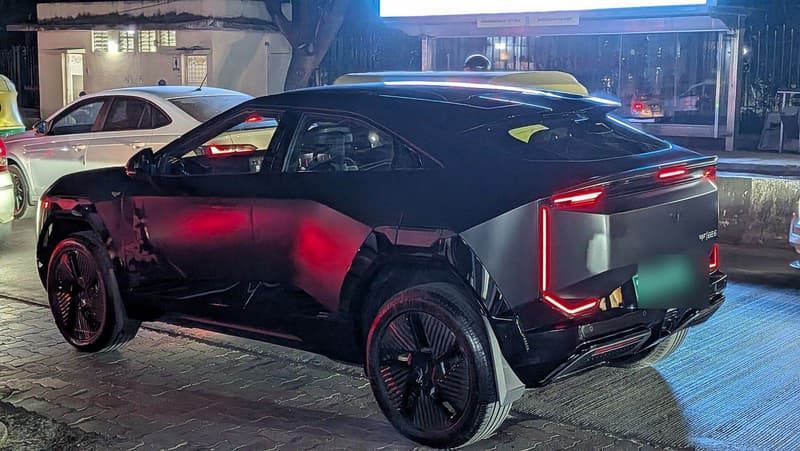
That infrastructure is growing. India had 52,718 public charging stations as of the Ministry of Heavy Industries’ written reply to the Lok Sabha on 21 July 2026, of which 16,561 are equipped with fast chargers for cars. The ministry has allocated 912.50 crore Indian rupees under the FAME-II scheme and 2,000 crore Indian rupees under the PM E-DRIVE scheme for public charging stations. A separate ministry count of 67,657 installed individual chargers, including 1,139 battery-swapping interfaces, as of August 2026 measures chargers rather than stations, so the two figures should not be mixed.
What 300,000 electric cars means for India’s car market
The milestone is real, but its scale needs context. Electric cars were 6.9% of all passenger vehicles sold during the festive buying period that ended on 11 November, up from 3.8% a year earlier, while petrol cars alone accounted for about 301,000 sales in the same window, nearly seven and a half times the electric total. More than 93 out of every 100 new passenger vehicles sold in India are still not fully electric. The electric segment is growing at 66% a year from a small base, which is how a market changes, but the petrol market it is replacing is still roughly fourteen times its size.
The comparison with other markets sharpens the picture. Battery electric vehicles were about 6% of United States new-car sales in the third quarter of 2026, with hybrids at 16%, according to Joule Post’s earlier reporting on EIA data. India’s electric car share of about 7% during the festive period sits close to the United States figure, but the two markets got there differently: India through cheap, small electric cars from domestic makers, the United States through larger, pricier models. China’s new-energy vehicles, by contrast, reached 74.9% of passenger car retail sales in the first eight days of November, a level neither India nor the United States is near.
What happens next depends on whether the 30,000-a-month run holds through December and into 2027. Autocar’s projection of 350,000 to 360,000 units for the full year assumes it does. The test will be whether Tata and Mahindra can lift monthly supplies, Tata has said it was fulfilling only about 60 to 65% of demand and wants to raise monthly supplies from roughly 16,000 to nearly 20,000 units, and whether the charging network keeps pace in smaller cities, where most of the next wave of buyers lives.
Sources
- Autocar Professional: Annual Electric Car and SUV Sales Cross 300,000 Units for the First Time in India, 12 November 2026
- Autocar India: Annual EV Sales Cross 3 Lakh Mark for the First Time in 2026, 11 November 2026
- Government of India, Ministry of Heavy Industries: Lok Sabha Unstarred Question No. 453, answered 21 July 2026
- Cartoq: EVs Outgrow Petrol, Diesel Cars During Festive Season, 16 November 2026
- CnEVPost: China NEV Retail Sales Fall 7% in First 8 Days of November as Penetration Reaches 74.9%, 11 November 2026
- Joule Post: Level 2 EV Home Charger Installation Cost in 2026: What US Homeowners Pay
- Joule Post: US EV Sales in Q3 2026: Hybrids at 16%, Battery EVs at 6%, and the Luxury Squeeze
- Joule Post: Bidirectional Charging Powers Homes for 3 Days From a 131 kWh EV Battery