- BMW Group delivered 110,257 fully electric vehicles worldwide in Q3 2026 (+7.2% year over year); in Europe, BEV deliveries surged 37.5% to 81,941 — 34.7 percent of every BMW sold on the continent, roughly one in three.
- Overall group deliveries still fell 6.3% to 551,072, dragged down by a 24.8% plunge in China to 114,355 vehicles — a market split between an electric Europe and a collapsing China.
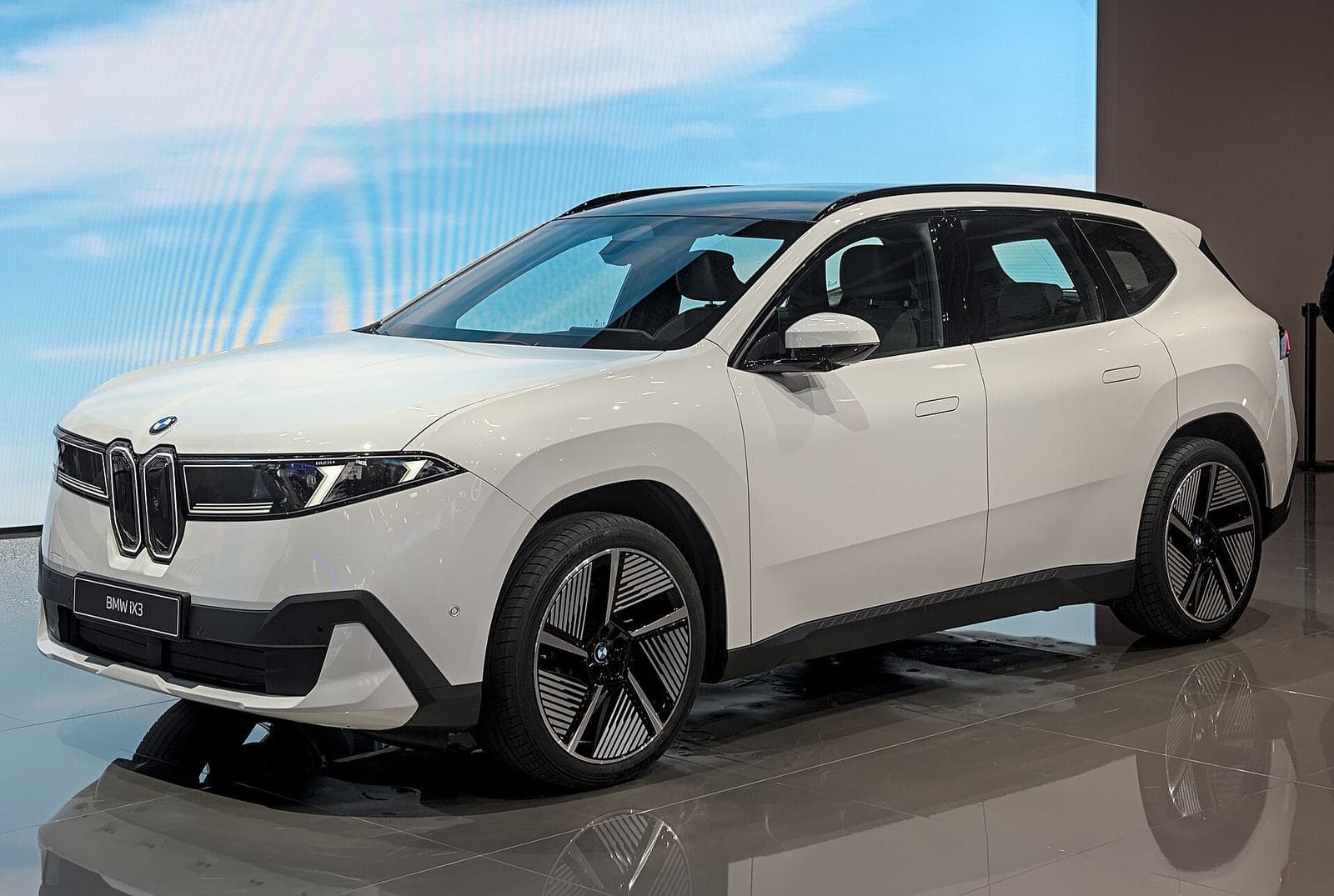
- The new iX3, the first of BMW’s Neue Klasse generation, has passed 100,000 orders in Europe within a year of launch — the most successful market launch of any BMW Group model to date, the company says.
BMW electric vehicle sales are defying the broader slowdown in Europe — and the numbers are hard to misread. In the third quarter of 2026, BMW Group delivered 81,941 fully electric vehicles across Europe, up 37.5 percent from a year earlier. That is 34.7 percent of all BMW Group vehicles delivered in Europe in the quarter: roughly one in three BMWs sold on the continent now runs on batteries alone. Germany, the brand’s home market, did even better with BEV deliveries up 38.5 percent.
The company-wide picture is more mixed. Total BMW Group deliveries fell 6.3 percent year over year to 551,072 vehicles in Q3, driven by a steep 24.8 percent collapse in China — just 114,355 vehicles there. Europe grew 2.7 percent and the US 2.5 percent, and worldwide BEV deliveries of 110,257 rose 7.2 percent. Year to date, BEV deliveries stand at 314,552, still 2.7 percent below last year. The results were published in a BMW Group press release on October 13 and covered by Reuters the same day.
Europe carries the quarter
BMW’s electric momentum is overwhelmingly a European story. The continent accounted for nearly three-quarters of the brand’s global BEV volume in Q3 — 81,941 of 110,257 vehicles. Jochen Goller, the BMW AG board member responsible for customers, brands and sales, struck a cautiously confident tone: “In difficult market conditions, we were able to hold our own in Europe and the US. The continued strength in new orders for our fully electric vehicles, in particular, confirms our course.”
The 37.5 percent growth rate matters for another reason: it lands in a year when European EV sales hit a record 1.64 million with 45 percent growth, driven by affordable models. BMW, traditionally a premium player, is riding a wave that is increasingly powered by buyers further down the price ladder — and its own growing electric lineup is catching that demand rather than being drowned by it.
The China collapse, in one number
The counterweight to Europe’s surge is China. A 24.8 percent quarterly drop is not a blip; it is the continuation of a brutal squeeze on foreign legacy brands as domestic Chinese EV makers compress prices and cycle new models far faster than the traditional five-year rhythm. For BMW, China went from growth engine to the single largest drag on global volumes in the span of a few years.
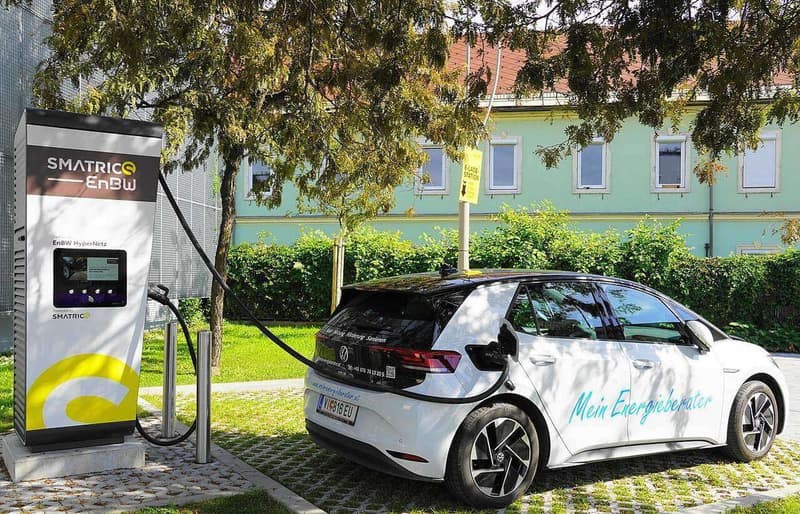
The contrast between the two regions now defines the company. In Europe, the electric transition is paying off — the product mix is shifting toward higher-margin BEVs on home turf, supported by the new model offensive from rivals like Volkswagen’s ID. Tiguan. In China, the brand is fighting a price war it cannot win on its old terms.
Why it matters
Two calculations sharpen the picture. First, compare Europe’s 34.7 percent BEV share with the global figure: 110,257 electric out of 551,072 total vehicles is almost exactly 20.0 percent worldwide. Europe is running 14.7 percentage points ahead of the brand’s global electric share — a gap that shows how uneven the EV transition remains even within a single carmaker’s lineup, and how much BMW’s electrification story depends on European regulations, incentives and charging networks rather than a global technology pull.
Second, the iX3 figure deserves scrutiny rather than applause alone. BMW says the first Neue Klasse model passed 100,000 European orders within a year of launch, calling it the most successful launch in the company’s history. That claim blends pre-orders with converted sales and says nothing about delivery margins — but 100,000 expressions of intent is nevertheless the strongest early evidence yet that BMW’s dedicated-EV platform can compete with Tesla and Chinese rivals on their own terms, at least on the continent.
For BMW investors and policymakers alike, the question for Q4 is whether Europe’s 37.5 percent pace can hold as the year-to-date BEV deficit (-2.7%) gets chased, and whether the company can stabilize China before the decline starts eating the European gains.
The road to 2027
The year-to-date arithmetic sets up a demanding fourth quarter. With 314,552 BEVs delivered in the first nine months and a 2.7 percent year-over-year deficit to close, BMW needs Q4 electric volume to run materially above the Q3 pace of 110,257 just to end the year flat — let alone in growth. The company is counting on the iX3 ramp and continued order strength to do the lifting, with Goller explicitly pointing to new-order momentum for fully electric vehicles as confirmation of the strategy.
The longer game is the Neue Klasse rollout. The iX3 is only the first of the dedicated-EV generation; its 100,000-order debut sets the bar for the models that follow. If the platform sustains this reception across segments, BMW’s European BEV share — already at one in three — could plausibly approach one in two within a few years. That would make Europe not just the company’s electric stronghold but one of the first major premium markets to approach majority-electric sales. The counterweight remains China, where no amount of European momentum offsets a quarter of global volume sliding 24.8 percent. BMW’s 2027 story will be decided by whether the Neue Klasse can be exported back into the market that invented the pace of the EV transition.
Sources: BMW Group press release (October 13, 2026, with full Q3/YTD tables); Reuters (October 13, 2026).