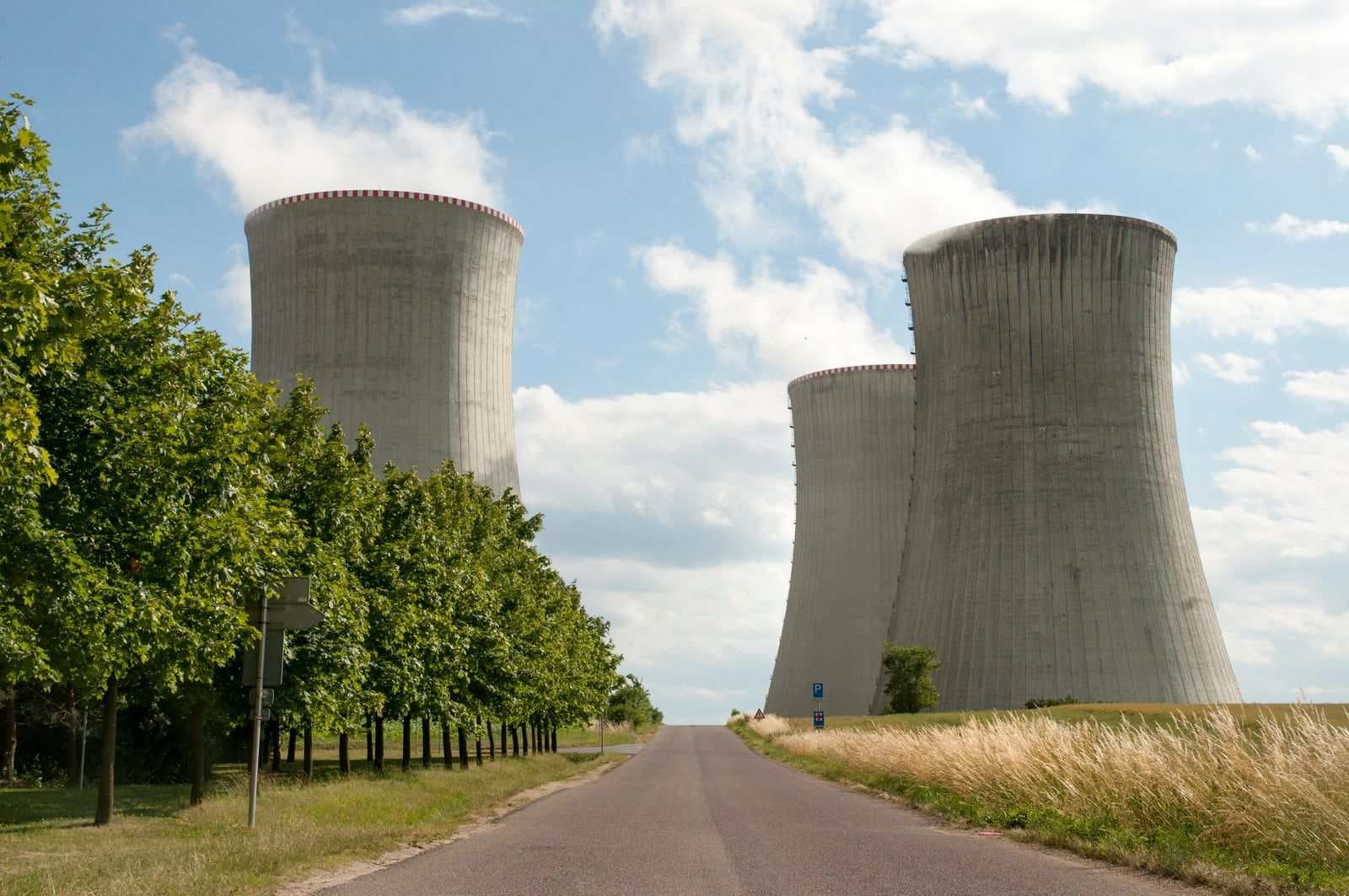
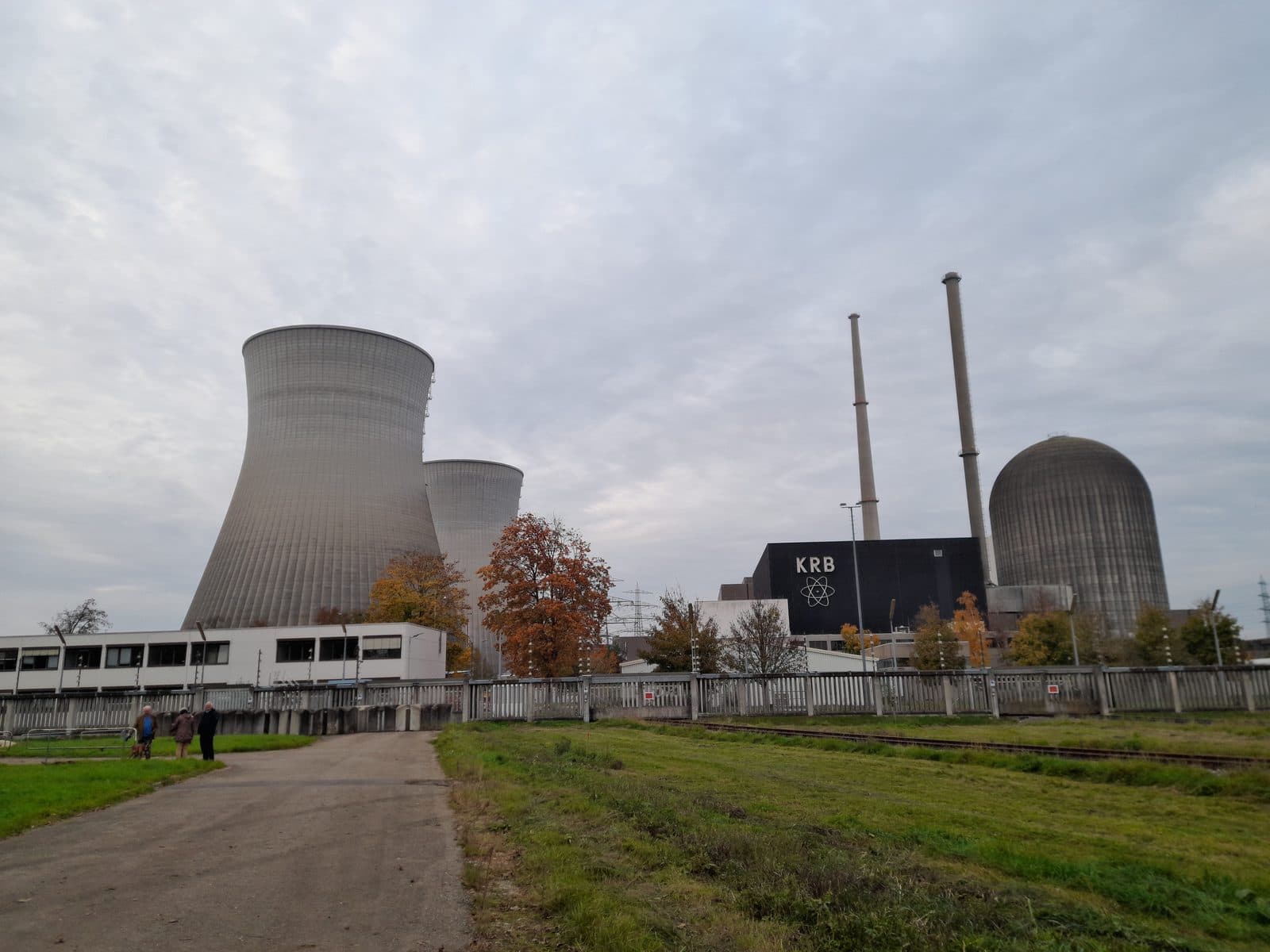
- Tianwan Unit 7, China’s first VVER-1200 reactor, delivered first electricity to the grid on 8 October 2026.
- The grid connection was marked by a video-link ceremony attended by Xi Jinping and Vladimir Putin.
- Once all eight units are running, the site will reach 9,138 MW, the largest nuclear station in the world.
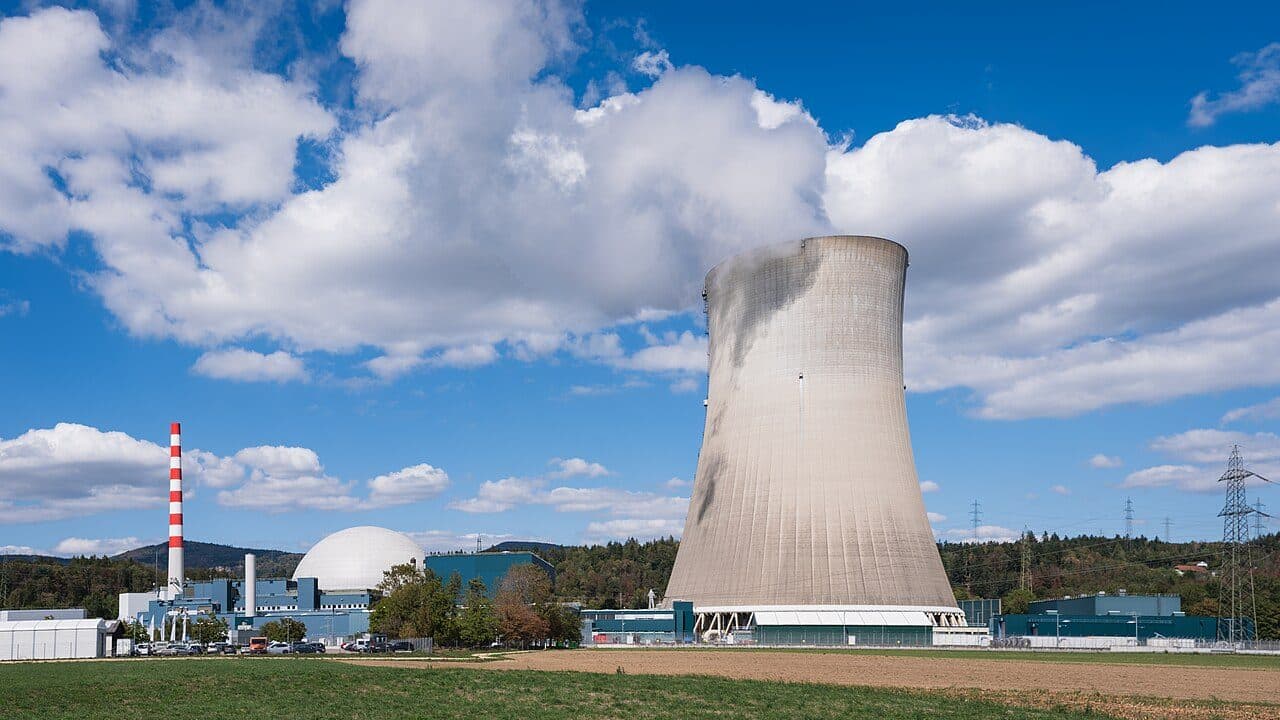
The Tianwan nuclear power plant has taken a decisive step toward becoming the largest nuclear power station on Earth. Unit 7 of the Chinese plant, a Russian-designed Generation III+ VVER-1200, was connected to the national grid on 8 October 2026, just over a week after it achieved a self-sustaining chain reaction, owner China National Nuclear Corporation (CNNC) has announced. Commercial operation is expected before the end of the year.
The milestone was marked by a ceremony attended via video link by Chinese President Xi Jinping and Russian President Vladimir Putin, according to Nuclear Engineering International, a signal of how central nuclear cooperation has become to the Beijing–Moscow relationship. Construction of Unit 7 began in May 2021, making it roughly five and a half years from first concrete to first electricity.
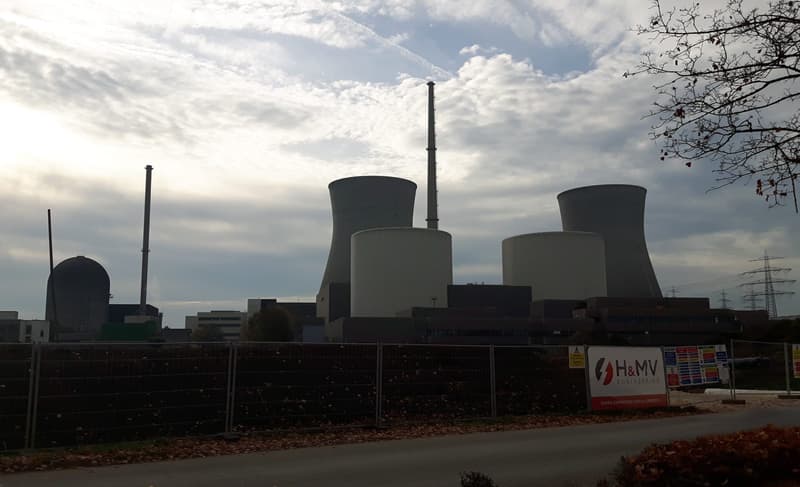
VVER-1200 arrives at the Tianwan nuclear power plant
Tianwan 7 is the first Generation III+ VVER-1200 to begin operating in China, an evolutionary step up from the older VVER-1000 reactors that power units 1–4 at the site. The newer design roughly doubles the expected operating lifespan to 60 years, refuels around two-thirds less often, and carries advanced passive safety systems. Grid connection took place once the reactor reached about 25% of nominal power; a long stage of gradual power increases now follows before full commercial operation and a two-year warranty run.
The VVER-1200 units are the product of agreements signed by Russia and China in June 2018. Construction of Unit 7 began in May 2021, with Unit 8, also a VVER-1200, following in February 2022 and now scheduled for commercial operation in 2027. The earlier units at the Lianyungang, Jiangsu site were built in two waves: units 1–4 with Russian VVER-1000 technology, commissioned between 2007 and 2018, and units 5–6 with Chinese ACPR-1000 reactors, commissioned in 2020 and 2021.
The plant is owned and operated by Jiangsu Nuclear Power Company, a joint venture in which CNNC holds 50%, China Power Investment Corporation 30%, and Jiangsu Guoxin Group 20%. CNNC said that throughout construction “all parties maintained a rigorous and meticulous work attitude, and collaboratively completed key operations such as reactor protection logic verification, reactor criticality, turbine start-up, and generator short-circuit test”. A series of further tests will verify performance before commercial operation.
Tianwan is also the base for China’s first industrial nuclear steam supply project, Heqi No 1, which draws secondary-circuit steam from units 3 and 4 through an independent heat-exchange system to supply the Xuwei petrochemical industrial base around 23 kilometres away.
9,138 MW vs. 3.9 GW: Tianwan Against the World’s Largest
The headline number: once all eight units are in operation, Tianwan will total 9,138 MWe of installed capacity, more than double the output of Palo Verde in Arizona, the largest nuclear station in the United States, at roughly 3.9 GW. CNNC expects the full site to generate more than 70 TWh of electricity a year and avoid 57.4 million tonnes of carbon dioxide annually.
| Measure | Tianwan (full build, 8 units) | Palo Verde, Arizona (US largest) |
|---|---|---|
| Installed capacity | 9,138 MWe | ~3,900 MWe |
| Newest units | Units 7–8: 2 × VVER-1200, 18.8 TWh/yr | n/a |
| Full-site annual output (expected) | >70 TWh | n/a |
| CO₂ avoided (expected) | 57.4 Mt/yr | n/a |
| Unit 7 build time (first concrete to grid) | ~5.5 years (May 2021 – Oct 2026) | n/a |
Units 7 and 8 alone are expected to produce 18.8 TWh a year at full capacity, more than many national nuclear fleets generate.
The schedule matters as much as the scale. Five and a half years from construction start to grid connection for a first-of-a-kind 1,200 MW reactor in China is a pace the Western industry has not matched in decades. Compare it with the American nuclear story in 2026: the year’s biggest US milestones were construction permits, not completions. The Nuclear Regulatory Commission issued one to TerraPower’s 345 MWe Natrium reactor in Wyoming in March and another to TVA for a 300 MWe BWRX-300 small modular reactor at Clinch River on 29 September. China connected an actual 1,200 MW unit to the grid the week after that second permit was signed. One country is licensing; the other is switching on.
There is a geopolitical undercurrent too. The Xi–Putin video ceremony underlines how Russia has become the technology partner of choice for China’s most ambitious nuclear builds, even as its nuclear ties with Europe collapse. In Finland, the cancelled Hanhikivi project has left Rosatom and Fennovoima fighting over a €7 billion arbitration ruling, a dispute that shows how far the same company’s fortunes diverge between East and West.
Meanwhile, reactor builders everywhere are scrambling for the same scarce resources: fuel and people. Thorizon and Urenco’s molten-salt fuel partnership is one answer on the fuel side; on the talent side, Oklo is funding Ohio State’s first nuclear engineering major as data-centre reactor demand outruns the workforce. Tianwan 7 shows what a well-oiled construction machine can do when supply chains, financing and political backing all point the same way.
From Grid Connection to Commercial Operation: Unit 7’s Test Sequence
Unit 7 will now work through staged power increases, with tests and checks at each level until it reaches full power and commercial operation, expected later this year. Unit 8, whose construction began in February 2022, is scheduled for commercial operation in 2027. Once both are running, the 9,138 MW station will stand alone at the top of the global nuclear league table, and China will have added, in the space of about a year, more nuclear capacity at a single site than many countries own in total.