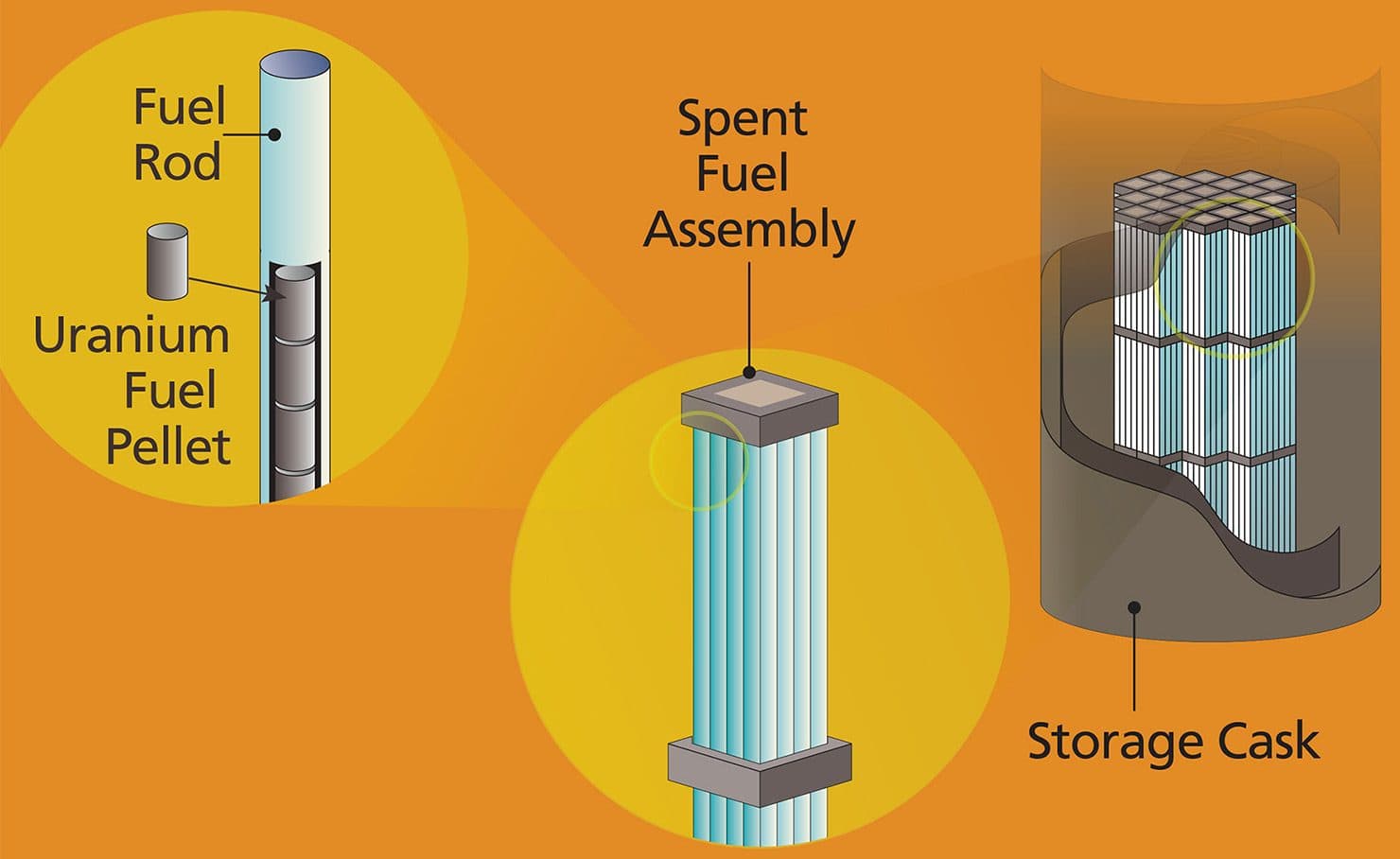
- Holtec recovered the tilted Palisades fuel assembly DD41 with a purpose-built device conceived, engineered, manufactured and delivered in two weeks, removing a key obstacle to restart.
- Three US restarts now target a combined 2,250 MW: Palisades at about 800 MW, Crane at about 835 MW and Duane Arnold at 615 MW.
- Federal loans backing the three projects total $4.42 billion, but the loan per kilowatt differs sharply across the three plants.
At Palisades in Michigan, Holtec International recovered a tilted fuel assembly that had stalled fuel loading, while Crane in Pennsylvania and Duane Arnold in Iowa advanced toward their own returns to service. The Associated Press puts the combined output at enough for about two million homes and businesses.
The Palisades recovery centred on assembly DD41. Fuel loading began on 30 August 2026, and DD41 tilted that day. Holtec conceived, engineered, manufactured and delivered a purpose-built Fuel Movement Device in two weeks. On 21 October 2026, the company announced it had used the device to lift the assembly from the reactor vessel into a transfer canister and move it to the spent fuel pool. The US Nuclear Regulatory Commission approved the license amendment covering the recovery methodology, with the approval dated 13 October 2026.
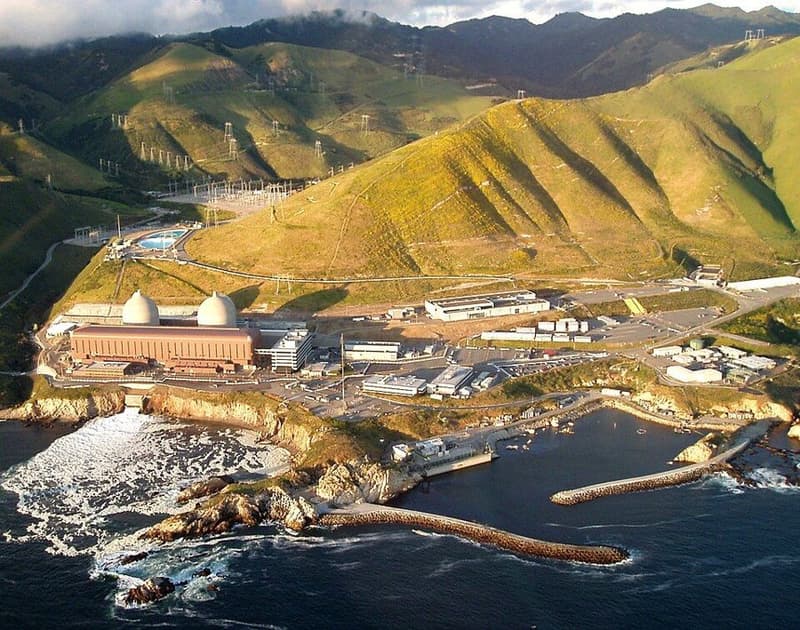
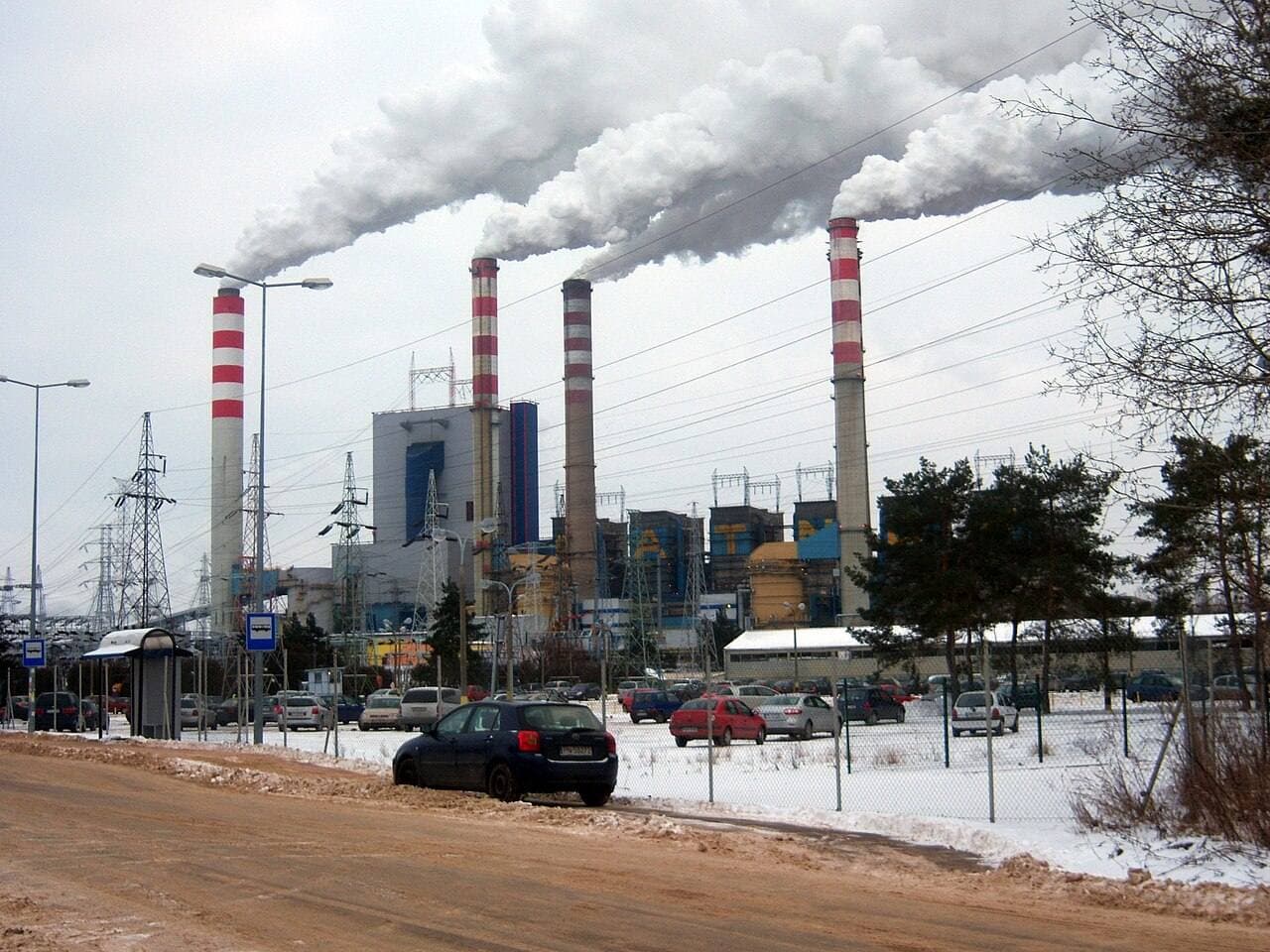
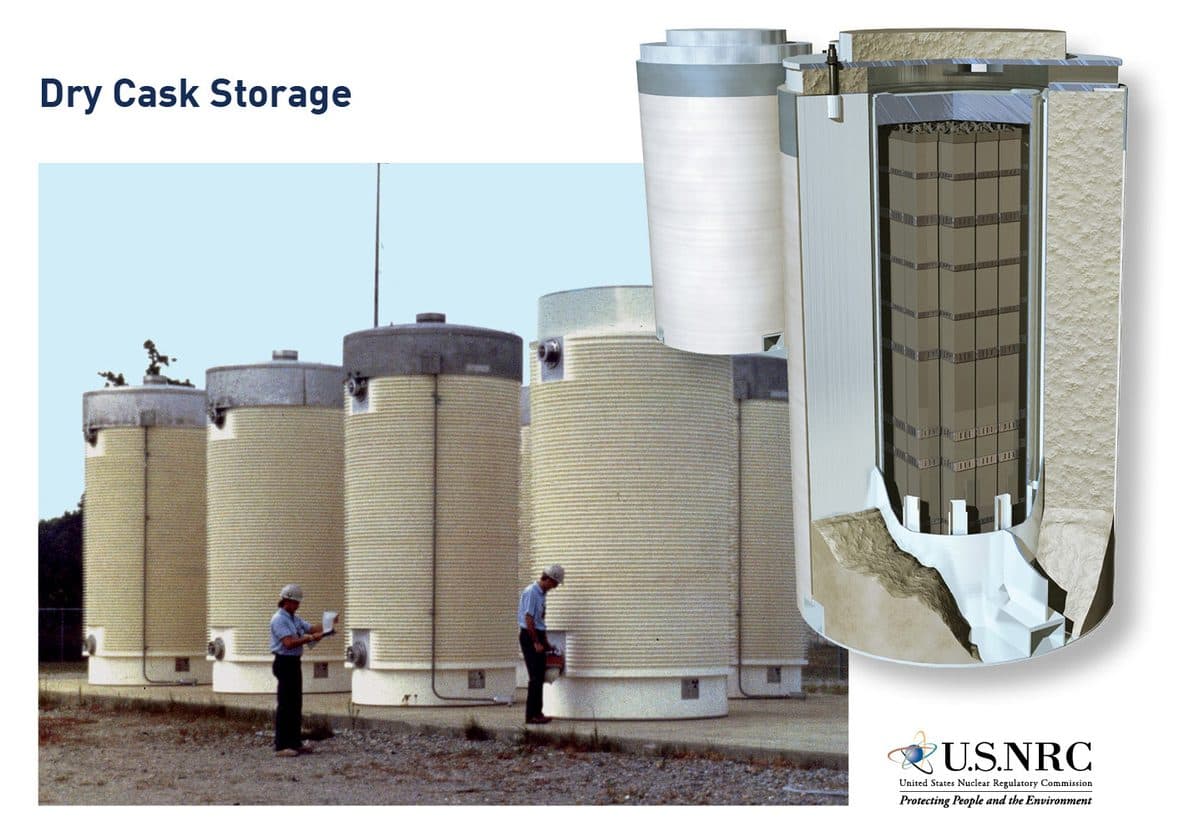
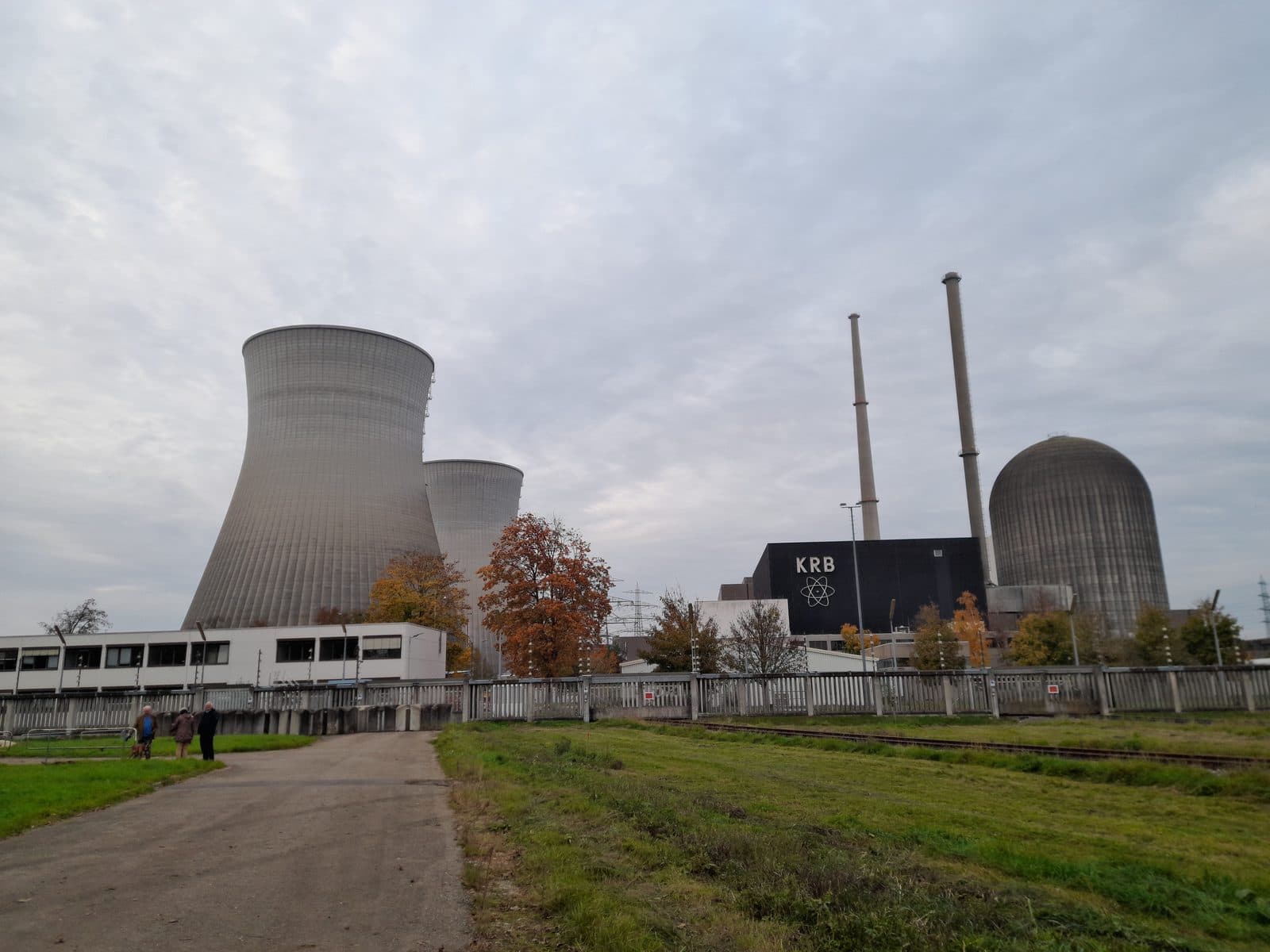
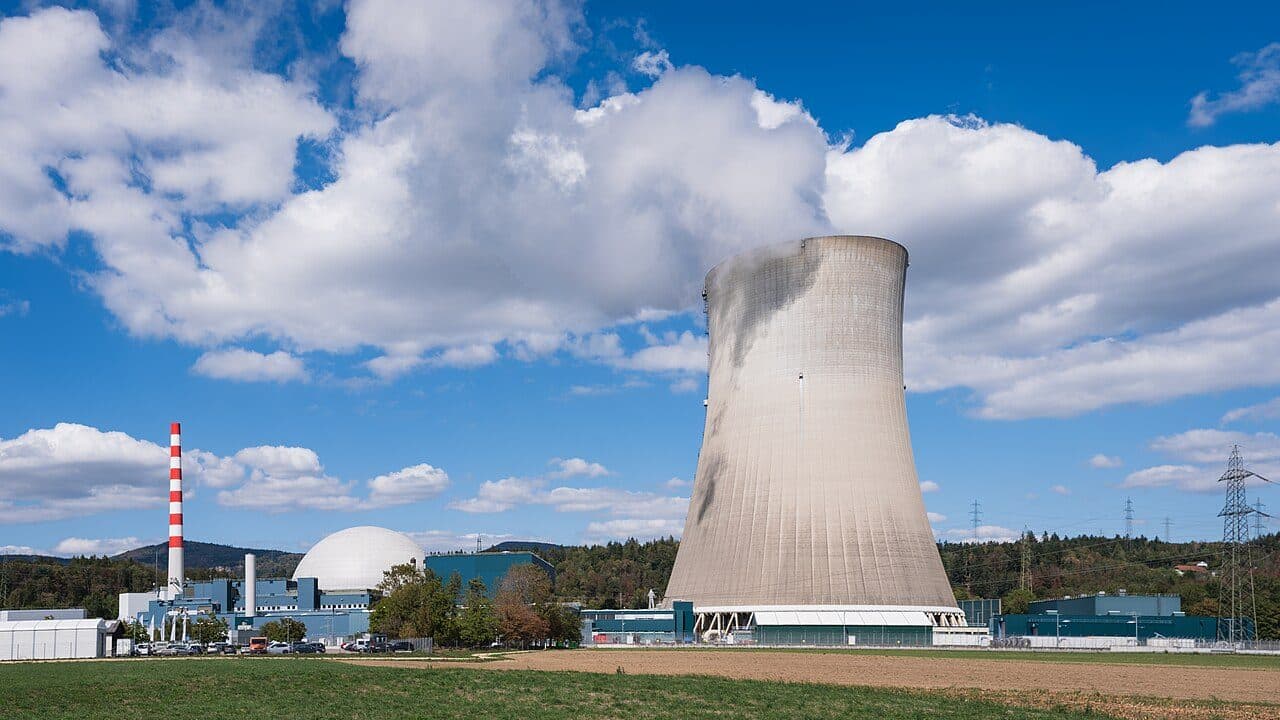
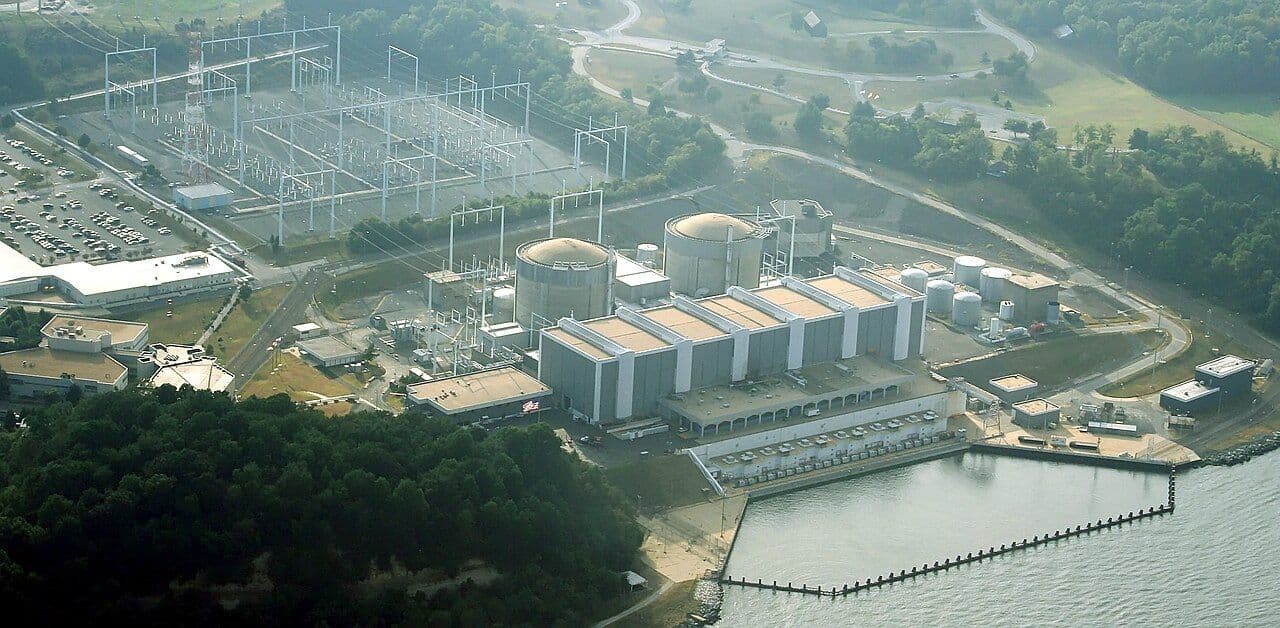
The photographs in this article are illustrative examples of US nuclear plants; they do not depict Palisades, Crane or Duane Arnold. The hero image shows Calvert Cliffs, and the inline images show Diablo Canyon and Calvert Cliffs.
“When we encounter a challenge, what matters is how we respond,” said Fadi Diya, Holtec International’s Chief Nuclear Officer, in Holtec’s 21 October announcement on the DD41 recovery. The six-week gap between the tilt on 30 August and the NRC approval on 13 October shows how much regulatory review sits between a technical fix and permission to use it inside a reactor vessel.
US nuclear plant restarts: three plants, 2.25 GW
The Palisades restart targets about 800 MW. The project is backed by a US Department of Energy loan of up to $1.52 billion, which closed in September 2024. Palisades is the furthest advanced of the three, with fuel loading already under way, and its progress sets the pace for the wider restart programme.
The Crane Clean Energy Center in Pennsylvania targets about 835 MW. Its restart is underpinned by a 20-year agreement with Microsoft and a Department of Energy loan of $1 billion, which closed in November 2025. On 18 September 2026, the NRC issued its final environmental assessment and finding of no significant impact for the project, clearing an important licensing step. A detailed explainer of how a US nuclear plant restart works walks through the licensing and engineering steps each of the three projects must complete.
The Duane Arnold restart in Iowa targets 615 MW. Its Department of Energy loan of up to $1.9 billion closed on 8 September 2026, and the project carries a 25-year agreement with Google. Restart is targeted for early 2029, with late 2028 the earliest possible date.
| Plant | Capacity | Federal loan | Long-term buyer | Key milestone |
|---|---|---|---|---|
| Palisades, Michigan | 800 MW | Up to $1.52 billion | Not stated in sources used | Fuel loading began 30 August 2026; DD41 recovered October 2026 |
| Crane, Pennsylvania | 835 MW | $1 billion | Microsoft, 20-year agreement | NRC final environmental assessment, 18 September 2026 |
| Duane Arnold, Iowa | 615 MW | Up to $1.9 billion | Google, 25-year agreement | Restart targeted early 2029, earliest late 2028 |
| Total | 2,250 MW | $4.42 billion |
The three projects differ in size, buyer and timing, but they share one feature: each pairs a large corporate power purchase agreement with federal loan support. For readers tracking the wider nuclear revival, Joule Post’s explainer on small modular reactors sets out how new-build technology differs from these restarts, and the thorium reactor explainer covers an alternative fuel cycle often raised in the same debate.
What $4.42 billion in federal loans means per kilowatt
The arithmetic behind the headline is straightforward, and it is worth stating because the round numbers hide real differences. Capacity adds up exactly: 800 plus 835 plus 615 equals 2,250 MW. Federal loans add up to $1.52 billion plus $1.0 billion plus $1.9 billion, or $4.42 billion in total. Dividing each loan by its plant capacity gives $1,900 per kilowatt at Palisades, about $1,198 per kilowatt at Crane and about $3,089 per kilowatt at Duane Arnold. Across all three, the average is about $1,964 per kilowatt.
Those per-kilowatt figures need a plain caveat: they cover loan amounts only, while total project costs run higher. The spread therefore reflects financing structure and project scope rather than a like-for-like cost ranking. Duane Arnold carries the highest loan per kilowatt despite being the smallest plant, while Crane carries the lowest despite sitting in the middle on capacity. The three loans were also closed in different years, 2024, 2025 and 2026, so direct comparison should be cautious. What the figures do establish is the scale of public financial backing now committed to bringing shuttered reactors back: $4.42 billion across 2.25 GW.
The counterweight at Palisades: a chilled work environment finding
On the same day the NRC approved the DD41 recovery method, 13 October 2026, the regulator also found a chilled work environment in Palisades supply chain and quality assurance departments, with workers reluctant to raise safety concerns. In its 13 October 2026 letter, the NRC requested a copy of Holtec’s plan for conducting an evaluation within 30 days, including associated corrective actions and how their effectiveness will be measured. The finding matters because a restart licence depends on safety culture as much as on hardware: a workforce unwilling to raise concerns can hide the next tilted assembly, or worse. It is the counterweight to the engineering success of the DD41 recovery, and it will remain open until the NRC is satisfied with the correction.
What to watch next
Three dates now anchor the story. At Palisades, the question is whether fuel loading completes and the plant moves toward return to service after the DD41 recovery and the work-environment correction. At Crane, the September 2026 environmental clearance moves the project toward its own restart steps. At Duane Arnold, the long runway to late 2028 or early 2029 means its loan and Google agreement will be tested against construction and licensing milestones long before any power flows. Together, the three projects will test whether the United States can bring back 2.25 GW of nuclear capacity it had already written off.