- ARRAY Technologies (NASDAQ: ARRY) opened a $50+ million, 216,000-square-foot manufacturing facility in Albuquerque, New Mexico — roughly triple the size of its previous local site.
- The plant will support about 300 jobs and lets ARRAY bring tracker-component production in-house, with several components qualifying for the Section 45X advanced manufacturing tax credit.
- The opening continues a wave of U.S. solar factory announcements as manufacturers bet on domestic content demand and tariff protection.
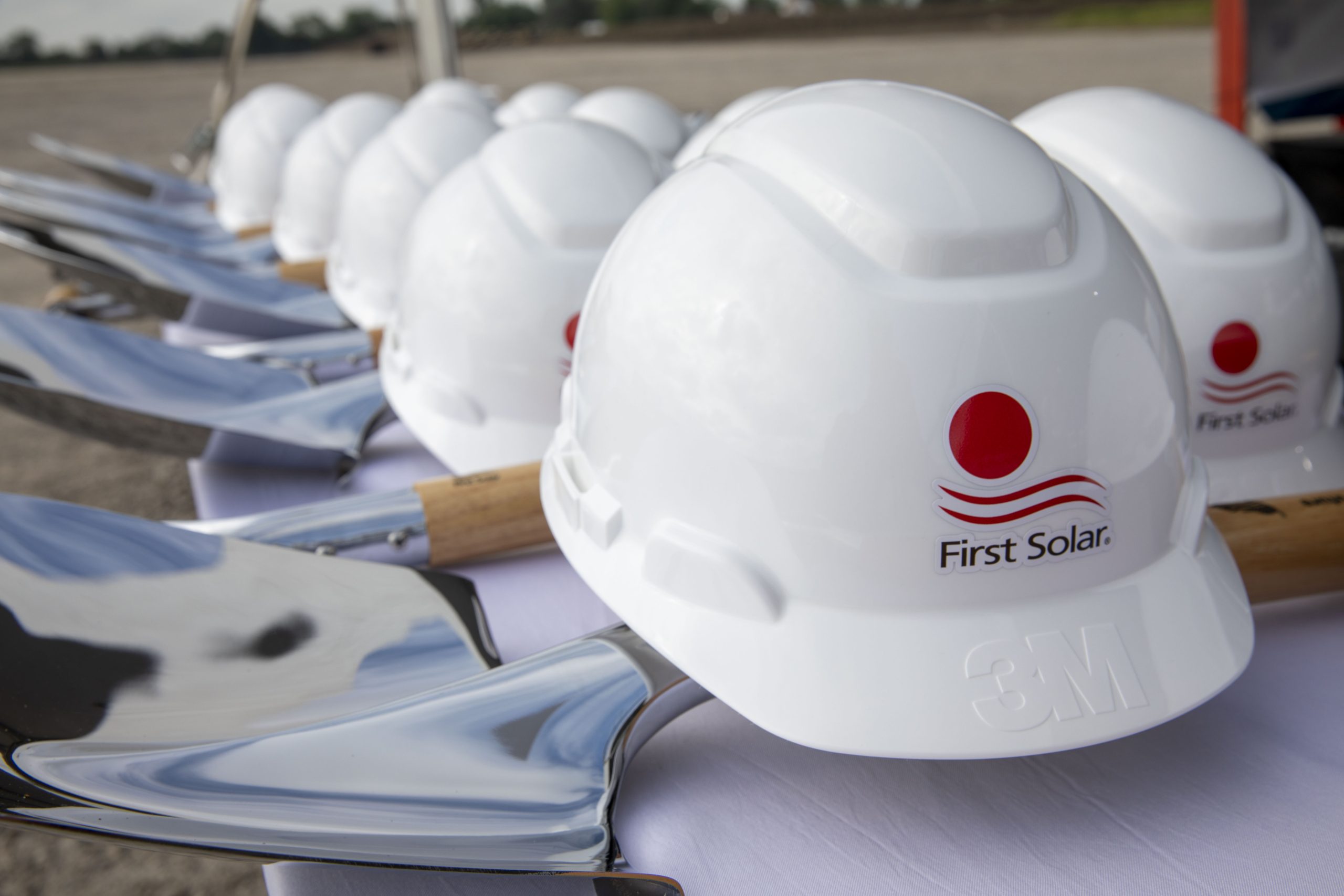
ARRAY Technologies, one of the world’s biggest makers of solar trackers, has opened the largest factory in its history — a $50+ million manufacturing facility in its hometown of Albuquerque, New Mexico. The company celebrated the opening with a ribbon-cutting ceremony on September 9.
The numbers tell the scale story. The 216,000-square-foot facility is roughly three times the size of ARRAY’s previous Albuquerque site and will support approximately 300 jobs across production, assembly, design, engineering, customer service, and other functions. Founded and headquartered in Albuquerque for more than 35 years, ARRAY has grown into a global solar technology company with more than 100 GW of tracker deployments worldwide.
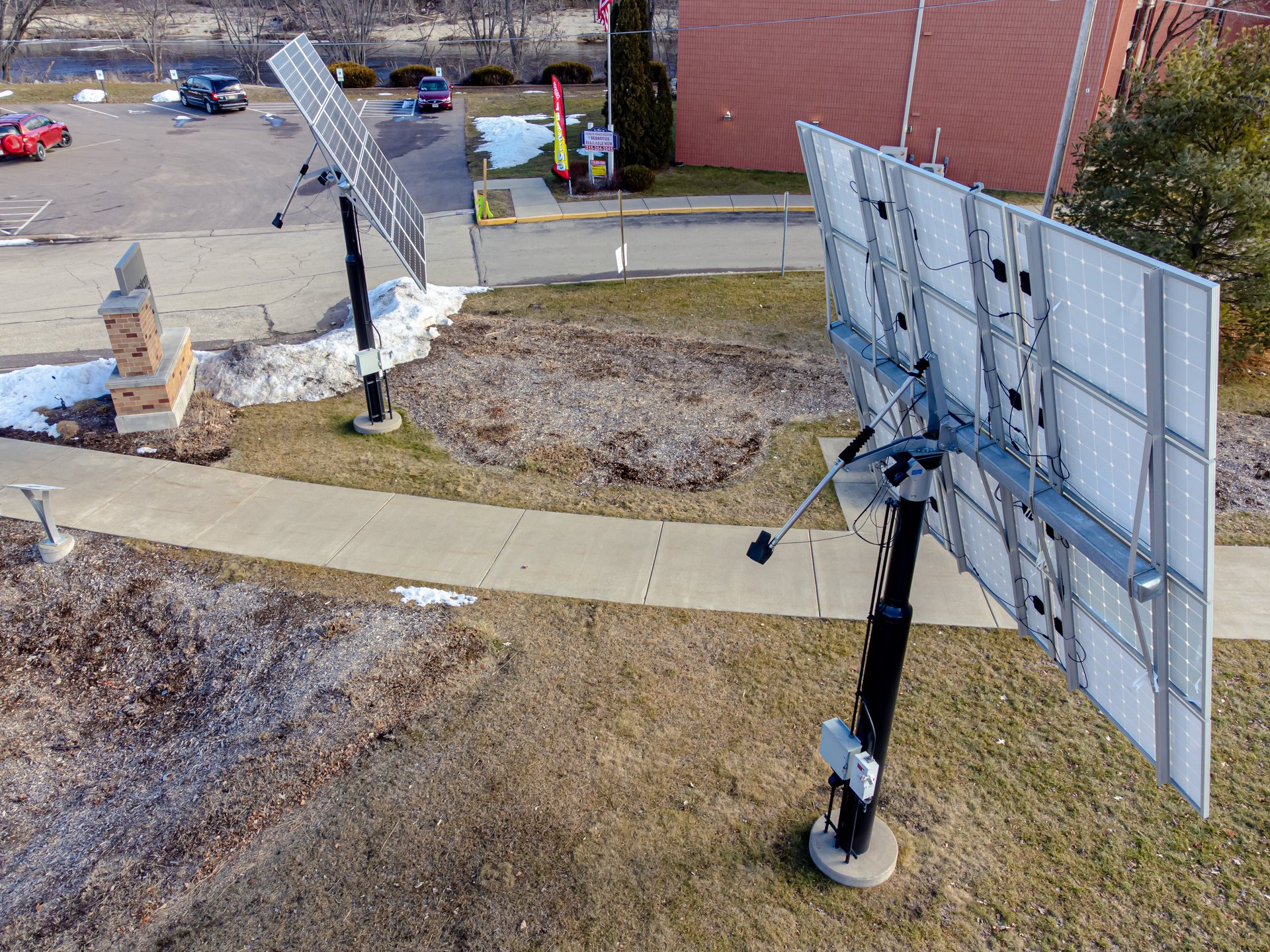
Trackers — the motorized steel structures that tilt solar panels to follow the sun — are the quiet workhorses of utility-scale solar. A tracker can boost a plant’s energy yield by 10 to 25 percent compared with fixed mounts, and the hardware is essentially industrial steel fabrication: heavy, bulky, and expensive to ship. That makes it a natural candidate for domestic manufacturing, and ARRAY’s new plant leans into exactly that logic.
Vertical integration, with a tax credit attached
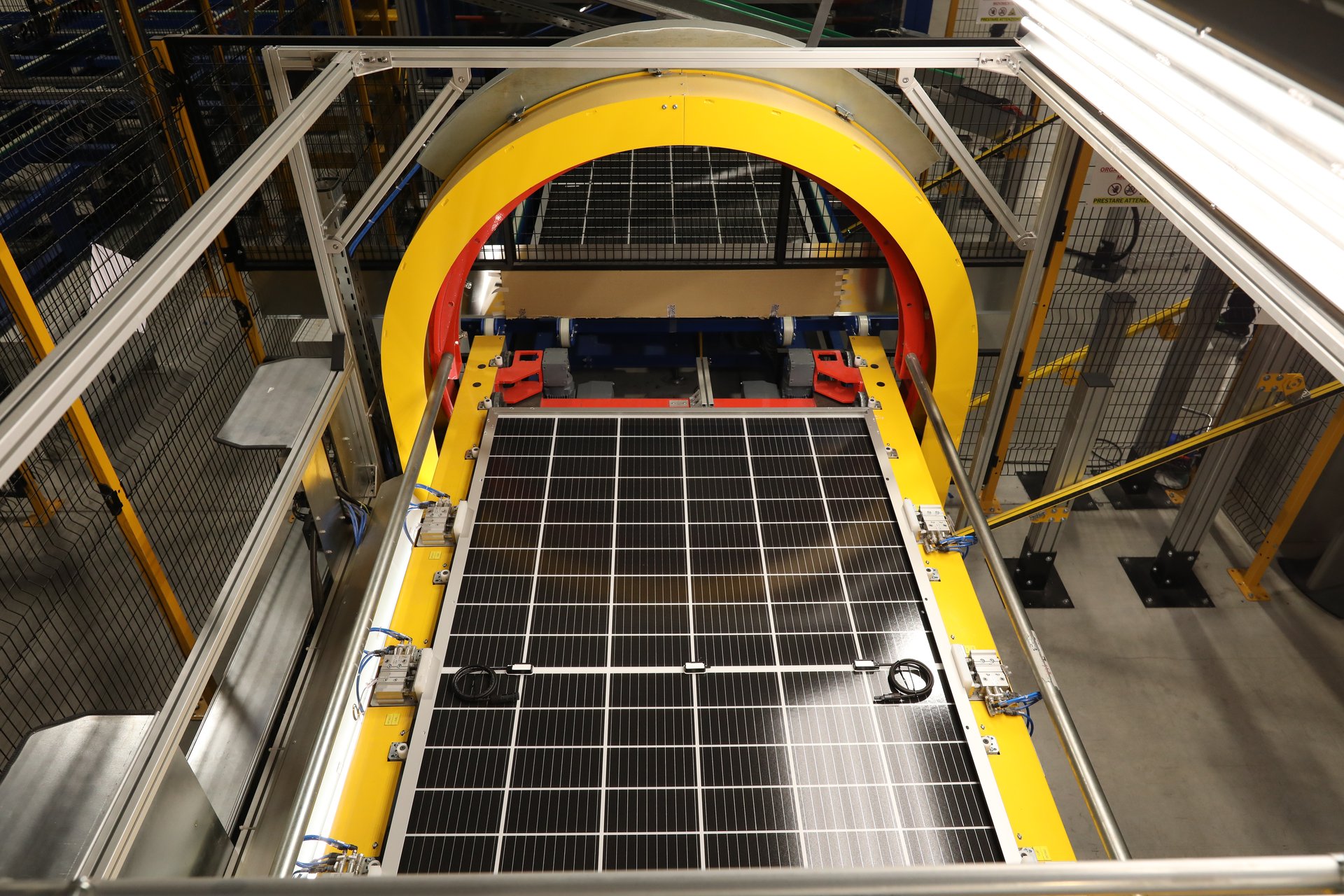
Built around lean manufacturing principles, the facility lets ARRAY bring production in-house for components it has historically sourced from outside suppliers. That matters for two reasons: control over supply chains and delivery times, and eligibility for the Section 45X Advanced Manufacturing Production Tax Credit. Several components manufactured at the facility qualify for the credit, which pays manufacturers directly for each eligible clean-energy component produced in the United States.
CEO Kevin Hostetler framed the investment as a long-term bet:
“ARRAY was founded here in Albuquerque, and manufacturing has been at the heart of our company from the beginning. This investment reflects our confidence in the future of ARRAY, our commitment to our customers and our continued belief in American solar manufacturing. By expanding what we can produce here at home, we are strengthening our supply chain, creating skilled career opportunities and building capabilities that will help us serve our customers for years to come.”
The jobs are the kind that don’t require a college degree to start: the company cited openings including stamping press operators, tooling and die technicians, and process engineers. The LEED-certified building is designed to support current production needs while leaving room for future growth across the company’s broader portfolio.
Public money, private bet
The facility came together through a public-private partnership: $2.5 million from New Mexico’s Local Economic Development Act (LEDA) job-creation fund, plus $250,000 each in LEDA funding from the city of Albuquerque and Bernalillo County, and partial property-tax abatement through an Industrial Revenue Bond. County Commissioner Barbara Baca said the expansion shows “what’s possible when we work together to strengthen our local economy and create high-quality jobs.”
The Solar Energy Industries Association was quick to claim the opening as evidence for the domestic-manufacturing story. SEIA CEO Tim Pawlenty said:
“America needs more low-cost, reliable electricity and ARRAY’s proving we can build it with American workers, American manufacturing, and American ingenuity.”
Why a tracker factory matters right now
Most headlines about U.S. solar manufacturing focus on modules — and there have been plenty lately, from SEG Solar’s new HJT production line in Tomball, Texas, to TOYO’s $240 million in binding U.S. module supply agreements announced the same month. But trackers are where a different dynamic plays out. Unlike cells and wafers, tracker components are steel-intensive and freight-sensitive, which means domestic production has a structural cost argument even before subsidies.
The tracker market itself is also consolidating around scale. ARRAY competes globally with players like Nextracker, and the fight is increasingly about who can offer developers a fully documented, tariff-clean bill of materials alongside the hardware. Tracker contracts are won on bankability as much as on price: lenders and tax-equity investors want to see supply chains that will not be disrupted by trade cases or component shortages. Owning the factory floor — rather than renting capacity from third-party fabricators — gives ARRAY tighter control over quality, lead times, and the documentation trail that underpins domestic-content claims.
ARRAY’s move is also a bet on what its utility-scale customers are being asked to prove. With foreign-entity-of-concern sourcing rules tightening on clean-energy tax credits and domestic-content adders worth real money, developers increasingly need to document where their equipment comes from. A vertically integrated U.S. tracker supply chain — eligible for 45X credits that directly lower the cost of goods sold — gives ARRAY something its offshore-dependent competitors can’t easily match: a paper trail.
There is a New Mexico angle, too. The state has been courting clean-energy manufacturing for years, and the LEDA package behind the ARRAY plant is part of a broader pitch: cheap land, a trained industrial workforce, and proximity to the sun-drenched Southwest markets where most of the company’s trackers end up installed. For a company founded in Albuquerque more than three decades ago, the expansion is as much a homecoming investment as a strategic one — doubling down on the place that built it.
The open question is demand. The U.S. utility-scale pipeline remains strong, but interconnection queues are clogged and interest rates have kept project financing expensive. ARRAY is building capacity now on the assumption that those projects eventually clear — and that when they do, buyers will prefer American steel. The ribbon is cut; the market gets to vote next.