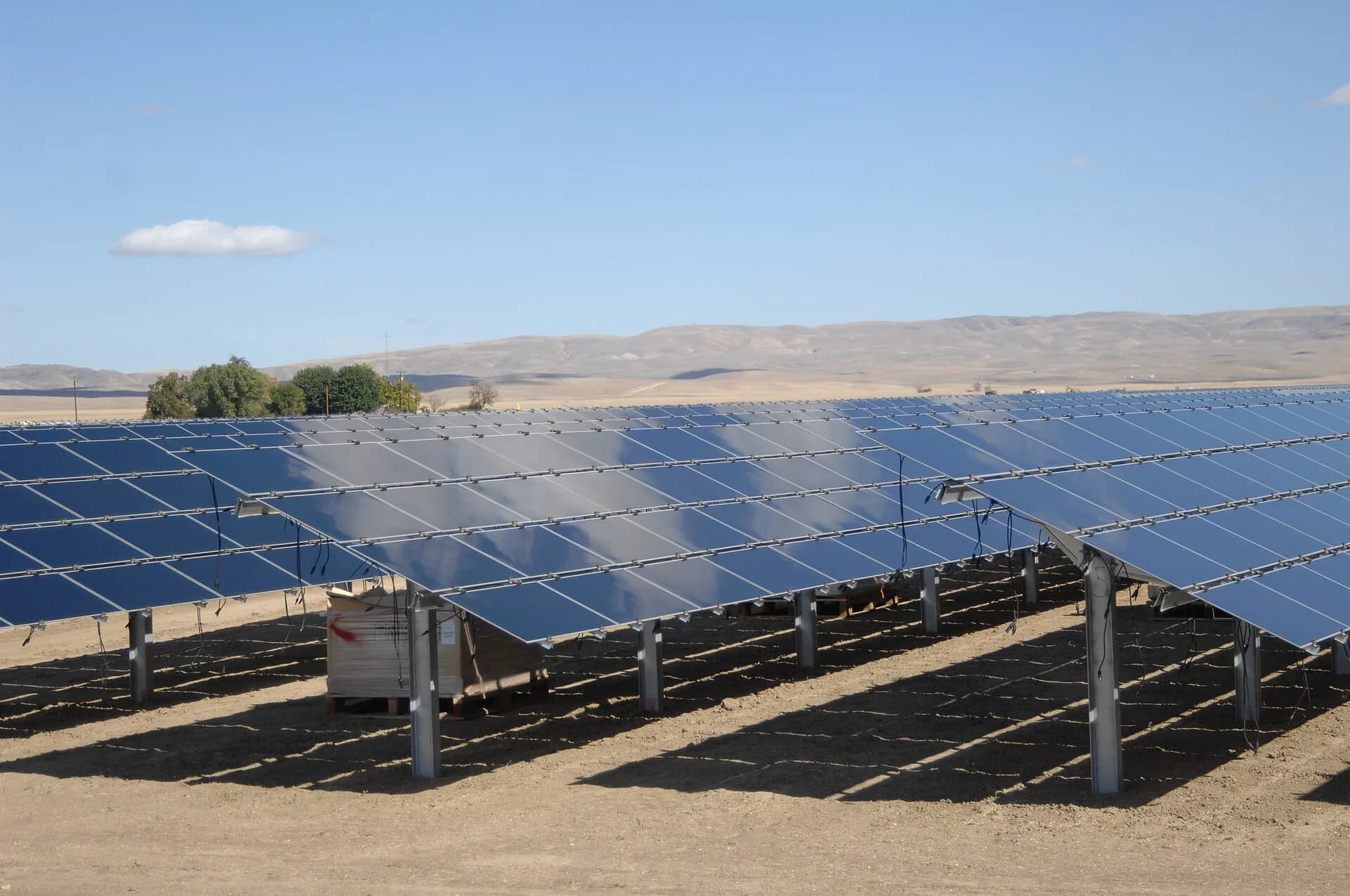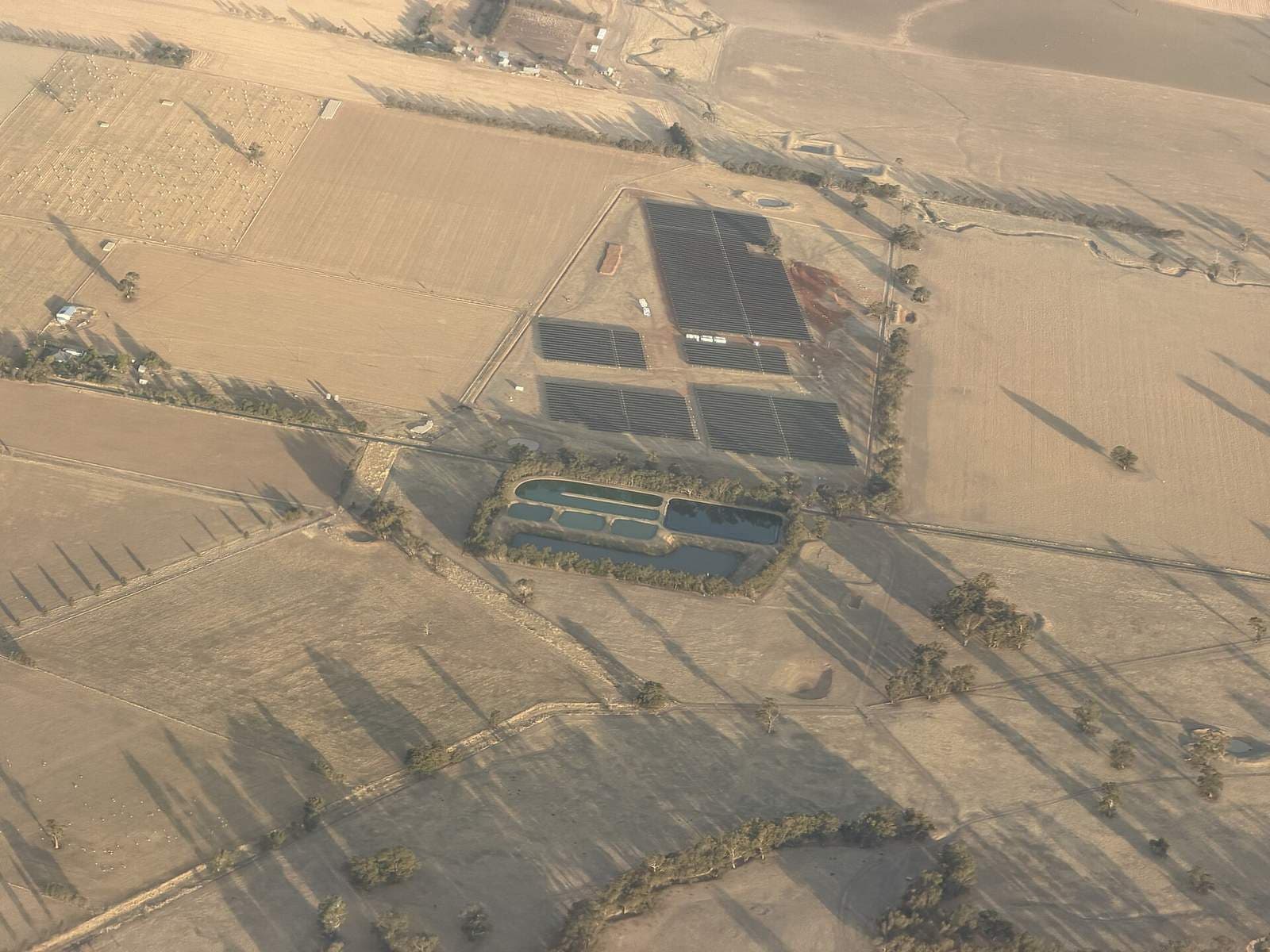
- Arevon Energy has executed three 20-year Indexed Renewable Energy Credit (REC) contracts with Ameren Illinois, ComEd and MidAmerican Energy for the 200 MWac / 275 MWdc Panther Energy Project in Perry County, Illinois, announced October 13, 2026.
- Panther Energy was selected in the Illinois Power Agency’s Summer 2026 Indexed REC procurement, approved by the Illinois Commerce Commission, to deliver 421,131 RECs in its first operating year — construction starts in 2027, with completion expected in 2028.
- The project promises roughly 200 construction jobs, about $20 million in lifetime property-tax payments and enough electricity for more than 37,000 Illinois homes; Arevon owns and operates over 6.3 GW of solar and storage across 18 states.
Twenty years of guaranteed revenue is the rarest currency in American solar — and the Arevon Panther Energy solar project just secured it three times over. Arevon Energy has signed three 20-year Indexed Renewable Energy Credit (REC) contracts with Illinois utilities Ameren Illinois, ComEd and MidAmerican Energy for its 200 MWac (275 MWdc) Panther Energy Project in Perry County, the developer announced on October 13, with independent coverage from Blackridge Research.
The contracts emerged from the Illinois Power Agency’s Summer 2026 Indexed REC procurement, approved by the Illinois Commerce Commission. That procurement awarded contracts for 1.55 GW of new renewable capacity in total, including four utility-scale solar projects totaling 740 MWac — Panther Energy is one of the four. Arevon’s Tommy Greer, the company’s Chief Commercial Officer, said: “We look forward to delivering reliable, homegrown energy to the grid while creating jobs, generating long-term economic benefits, and investing in the local community.”
Three utilities, twenty years
Indexed REC contracts are Illinois’s answer to a financing problem. Instead of a fixed price, the developer receives a payment indexed to wholesale electricity prices — if market prices fall, the REC payment rises to keep total revenue stable; if they rise, it falls. The result is a predictable 20-year revenue floor that banks will lend against, without locking ratepayers into a price that looks bad in hindsight. Three separate contracts, one per utility, split the project’s output across Ameren Illinois, ComEd and MidAmerican Energy territories.
For Arevon, which owns and operates more than 6.3 GW of solar and storage across 18 states, the deal is a textbook use of state procurement to de-risk a large project. Construction is slated to start in 2027 with completion in 2028.
The project at a glance
The numbers on Panther Energy are solidly mid-sized for American utility solar but meaningful for rural Illinois. The first-year delivery obligation is 421,131 RECs — each REC representing one megawatt-hour of renewable generation — from 200 MWac of capacity. That implies a first-year capacity factor of roughly 24 percent (421,131 MWh ÷ 200 MW ÷ 8,760 hours), which sits squarely in the expected range for Midwest solar and suggests Arevon’s yield estimates are realistic rather than optimistic.

The local economics are the part that will resonate in Perry County: around 200 construction jobs, approximately $20 million in lifetime property-tax payments and power for more than 37,000 homes. Spread across those homes, the $20 million tax benefit alone works out to roughly $540 per household over the project’s life — a tangible fiscal transfer from a solar farm to a rural tax base that otherwise has few new revenue sources. For a primer on the technology behind projects like this, see our guide How Solar Panels Work: A Complete 2026 Guide.
Why it matters
The real story here is the procurement, not the panels. Illinois’s Summer 2026 round contracted 1.55 GW of new renewables in a single shot — Panther’s 200 MWac is about 13 percent of that total and more than a quarter of the 740 MWac of utility-scale solar awarded. State-run REC procurements have quietly become one of the most effective solar deployment tools in the US, precisely because they solve the revenue-certainty problem that stalls projects even when equipment costs fall.
The contrast with purely merchant projects is instructive. Recent financings like energyRe’s $815 million close for 360 MW in South Carolina show that large solar can still get funded on contracted cash flows — but they require a creditworthy buyer at the other end. Illinois’s indexed REC structure institutionalizes that buyer. And while the UK is consenting 950 MW of solar in 48 hours through planning reform, Illinois is doing it through procurement design. Two different regulatory levers, same outcome: utility-scale solar moving from announcement to steel in the ground.
The procurement numbers also put Panther Energy’s size in perspective within the Illinois pipeline. Of the 1.55 GW contracted in the Summer 2026 round, four utility-scale solar projects totaled 740 MWac — Panther’s 200 MWac is more than a quarter of that solar tranche and roughly 13 percent of the entire round’s capacity. Arevon is not the biggest winner of the round, but it is a significant one, and the three-utility split of its contracts shows how a single large project can be sliced across service territories. With 6.3+ GW of solar and storage already owned and operated across 18 states, Arevon has the balance sheet to take a 200 MWac project from contract to commissioning on the 2027–2028 timeline it has promised.
For Illinois ratepayers, the indexed structure means the 20-year cost is tied to actual market conditions rather than a developer’s guess — a fairer deal than the fixed-price contracts of the last decade. For Perry County, it means two decades of tax revenue from what is currently farmland. Watch the 2027 construction start: with RECs priced and utilities committed, this project has cleared the financing hurdle that kills most solar proposals.
Sources: Arevon press release via PRNewswire (October 13, 2026); Blackridge Research (October 2026).