- NTPC chairman Gurdeep Singh said on October 13, 2026 that the Indian power giant is in talks with potential buyers in Japan, South Korea and Germany for green ammonia and other low-carbon fuels — but no buyer, volume or price has been named.
- The talks concern NTPC Green Energy’s proposed green hydrogen hub at Pudimadaka near Visakhapatnam, Andhra Pradesh: more than 1,200 acres, expected to consume 7 GW of renewable energy and export 2.5+ million tonnes of green chemicals a year at full build.
- India backs its hydrogen ambitions with about $2.1 billion in subsidies and a 5 million tonnes-per-year by 2030 target — while globally, developers struggle to secure the long-term offtake agreements needed to finance large plants.
India’s biggest power company wants to sell green fuel to the world — if it can find anyone willing to sign. NTPC green ammonia moved a step closer to reality this week when NTPC chairman Gurdeep Singh said the company is in talks with potential buyers in Japan, South Korea and Germany for green ammonia and other low-carbon fuels. The remarks, made at an Indian Chamber of Commerce event and reported by Reuters on October 13, put a spotlight on the single hardest problem in the green-hydrogen economy: offtake.
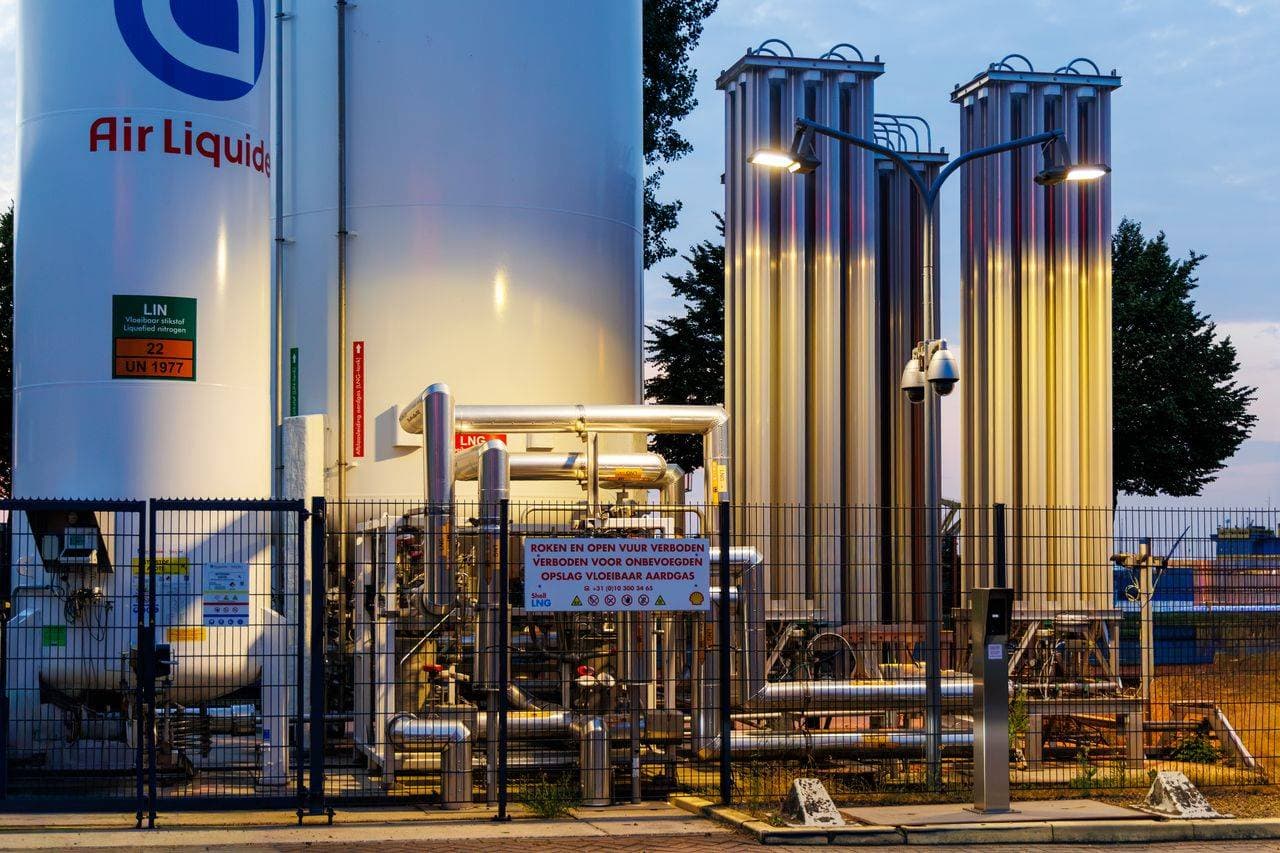
The fuel would come from NTPC Green Energy’s proposed green hydrogen hub at Pudimadaka near Visakhapatnam in Andhra Pradesh. The scale is enormous: more than 1,200 acres, an expected 7 GW of renewable energy feeding the site, and exports of 2.5+ million tonnes of green chemicals a year at full build, according to Equitypandit. Notably, the product focus is green ammonia and green methanol rather than hydrogen itself — both are far easier to ship across oceans than pure hydrogen.
A hub built for export
The Pudimadaka hub is designed around a simple geographic bet: India has abundant solar and wind, cheap land near a deepwater port, and a government willing to subsidize. Japan, South Korea and Germany have the opposite profile — strong industrial demand for clean molecules and limited domestic renewable potential. Green ammonia bridges the gap because it liquefies at modest pressure and carries hydrogen’s energy in a form ships already transport by the millions of tonnes.
Singh’s framing was characteristically blunt: “We have to make hydrogen a business.” That sentence captures the industry’s inflection point better than any project rendering. The technology works; the electrolyzers exist; what is missing is a bankable revenue stream.
The offtake problem nobody has solved
Here is the uncomfortable context. Globally, green-hydrogen developers are struggling to secure the long-term offtake agreements needed to finance large plants. Without a 10- to 15-year purchase commitment, banks will not fund multi-billion-dollar hubs — and without funded hubs, there is no supply for buyers to commit to. The industry is stuck in a chicken-and-egg loop that has already killed or delayed projects on every continent.
NTPC’s talks are, at this stage, exactly that: talks. No buyer has been named, no volume agreed, no price disclosed. That does not make them meaningless — early engagement with Japanese, Korean and German buyers is how every eventual contract starts — but it does mean Pudimadaka remains a proposal with a marketing deck, not a financed project. The honest read is that NTPC is testing whether Asian and European buyers will anchor its hub before it commits the capital.
Why it matters
Run the numbers against India’s national ambitions and the hub’s scale becomes startling. India has set a target of 5 million metric tonnes of green hydrogen per year by 2030, backed by roughly $2.1 billion in subsidies. Pudimadaka’s planned 2.5+ million tonnes per year of green chemicals at full build is about half of the entire national target — one hub, one company, potentially delivering 50 percent of India’s 2030 ambition. That concentration is either a sign of NTPC’s seriousness or a warning about how much of the target rests on projects that have not yet broken ground.
The comparison that matters most is with deals that actually closed. ITM Power’s Hydropulse unit just signed a 150 MW green-hydrogen deal with a European oil refinery — its largest commitment yet — showing that real offtake is possible when the buyer is industrial, the volumes are credible and the contract terms work. NTPC needs to convert its conversations into something resembling that: named buyers, committed volumes, binding terms.
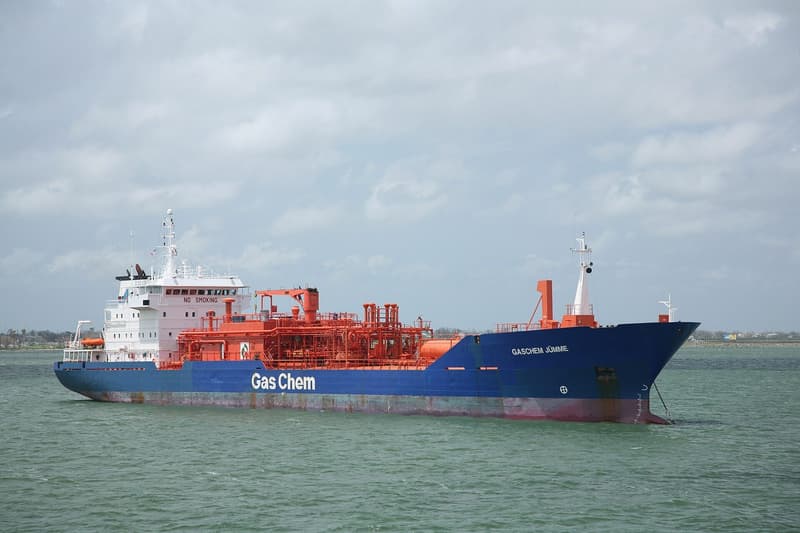
There is also a methanol angle worth watching. By including green methanol alongside ammonia, NTPC is targeting the shipping industry — where projects like the 500 MW JadeWeser hub in Germany are betting on maritime fuel demand. Methanol is liquid at room temperature, which makes it the easiest green molecule to handle; ammonia carries more hydrogen per tonne. Offering both hedges the bet on which fuel shipping lines actually choose.
For now, the Pudimadaka hub remains the largest unfinanced green-chemical proposal in India’s pipeline. If Singh returns from Japan, Korea and Germany with signed offtake, this story becomes the most important hydrogen announcement of 2026. Until then, it is a chairman doing exactly what the industry needs: trying to make hydrogen a business.
The timeline to watch is India’s own 2030 target. With about $2.1 billion in subsidies committed under the national hydrogen program and a 5 million-tonne annual goal, the government has created the supply-side incentives — but incentives do not substitute for buyers. Every quarter that passes without anchored offtake pushes the full-build timeline further out, and rival export hubs in the Middle East, Australia and Chile are courting the same Japanese, Korean and German buyers. NTPC’s advantage is scale and a state-backed balance sheet; its disadvantage is that it is late to a conversation that has been running for years. The next headline on this story will not be another statement of intent — it will be a named buyer, a committed volume and a price.
Sources: Reuters (October 13, 2026); Equitypandit (October 13, 2026).