- The US Department of Energy closed a $5.1 billion loan package to Alliant Energy for new gas-fired generation, energy storage, and upgrades in Iowa and Wisconsin.
- The package supports more than 2.6 GW of new or upgraded capacity, enough for nearly 1.8 million homes on the department’s figure.
- The loan grew from a $3 billion conditional commitment proposed in January 2025 to $5.1 billion at close, a 70% increase.
The financing intensity sets the scale of the bet. Spread across 2.6 GW, the package works out to about $1,962 per kW of new or upgraded capacity, or about $2,833 per home powered on the department’s household figure. Those loan figures cover a mix of gas plants, storage, and upgrades rather than a single technology, so they cannot be read as a price for any one asset class.
What the DOE Alliant $5.1 billion loan covers
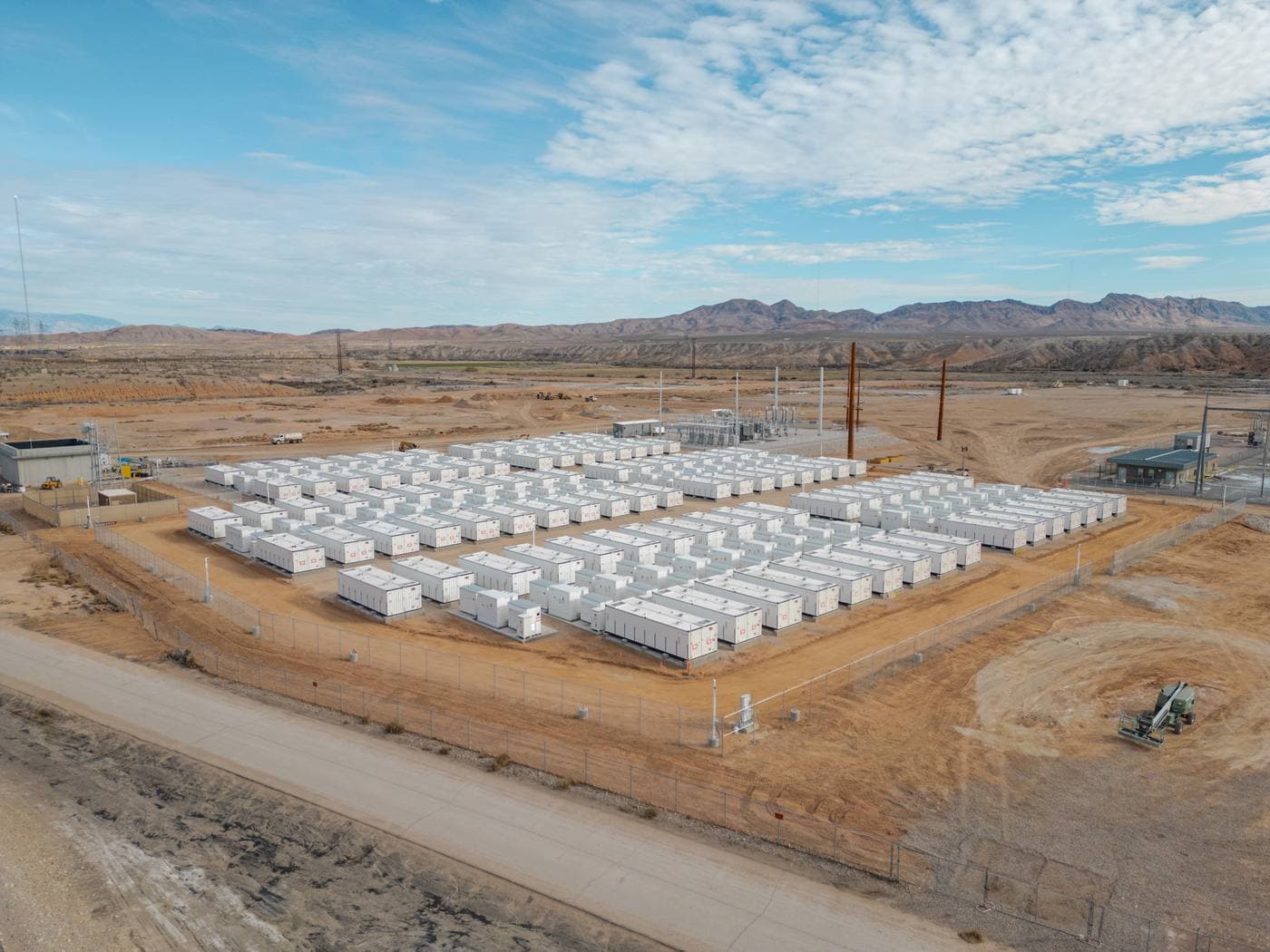
The department announced the close on October 28, 2026, through its Energy Dominance Financing office, formerly the Loan Programs Office. The investments support new natural gas-fired power plants, energy storage systems, and upgrades to existing generation facilities at Alliant Energy plants in Iowa and Wisconsin. The department says the loans will create hundreds of construction-related jobs.
Gregory Beard, director of the loan office, said the investment brings new, dependable power online, strengthens energy security, and lowers electricity costs for families and businesses across Iowa and Wisconsin. Any effect on bills will take years to arrive, since the loans run over decades and the plants themselves are yet to be built or upgraded.
The package has a history that crosses administrations. It was originally proposed in the final days of the previous administration in January 2025 as a conditional loan of $3 billion. The closed package is $2.1 billion larger, a 70% increase over the conditional figure. The department has not published a project-by-project breakdown in the announcement reporting, so the split between gas, storage, and upgrades remains undisclosed.
How the Alliant loan compares on its own numbers
| Measure | Calculation | Result |
|---|---|---|
| Loan per kW of capacity | $5.1 billion divided by 2.6 GW | $1,962 per kW |
| Loan per home powered | $5.1 billion divided by 1.8 million homes | $2,833 per home |
| Capacity per home powered | 2.6 GW divided by 1.8 million homes | 1.44 kW per home |
| Growth from conditional to closed loan | ($5.1 billion minus $3.0 billion) divided by $3.0 billion | 70% increase, $2.1 billion |
| Capacity in homes terms | Department figure | Nearly 1.8 million homes |
The per-kW figure is best read as a financing intensity. A gas plant, a battery system, and a plant upgrade have very different capital costs per kW, and a blended loan across all three hides that variation. What the figure does show is leverage: a single federal loan package now finances a multi-gigawatt, two-state program that would otherwise require separate project financings.
The shift in the loan office’s mission is the wider story. Under the previous administration, the office supported emerging clean energy projects that struggled to get bank loans. The current office includes support for natural gas projects that typically can get bank loans, while energy storage, which typically includes batteries, was supported in both the initial and the closed loan. Energy Secretary Chris Wright has said the bulk of the office’s financing will support nuclear power, which frames this gas-and-storage package as one part of a broader financing portfolio rather than a standalone direction.
What the loan means for Iowa and Wisconsin grids
Both states sit in the Midcontinent grid, where wind output is strong and evening peaks are rising with electrification and data center load. Gas plants in that context provide dispatchable capacity that can run when wind fades, while storage shifts midday energy into the evening. The combination is conventional, and its climate effect depends on how often the gas plants run and how much storage displaces gas peaker starts, neither of which the loan announcement quantifies.
For ratepayers, the relevant question is not the loan total but the revenue requirement it creates. Federal loans lower financing cost relative to commercial debt, which should reduce the carrying cost of the assets, but the assets still earn a return through rates or market revenue over decades. A lower financing cost on a larger asset base can still raise bills if the assets are built at scale, and the department’s cost-lowering claim should be tested against the utility’s rate filings as projects reach construction.
How loan-office financing differs from a grant
A loan is not a subsidy in the grant sense, and the distinction shapes how the $5.1 billion should be judged. Alliant must repay the loan with interest over decades, so the federal role is to lower the cost of capital and extend tenor beyond what commercial lenders would offer for a multi-technology program. If the projects perform, taxpayers are repaid. If they underperform, the loan office bears part of the risk, while ratepayers still bear the cost of any assets that enter the rate base.
The conditional-to-closed growth also deserves attention. A conditional commitment is not a disbursement, and the jump from $3 billion to $5.1 billion suggests the final project scope, cost estimates, or financing structure changed materially between proposal and close. Without a published breakdown, observers cannot tell whether the increase reflects more capacity, higher costs, a larger storage share, or a refinancing of existing assets. That transparency gap is normal at loan close, when commercial terms are still sensitive, but it limits how much the public can verify about the package today. The test will come in utility filings and construction updates, where project-level costs become visible.
Related reading: our home battery guide covers storage economics at household scale, and our time-of-use guide explains how storage value depends on peak pricing. For large-scale storage, see battery energy storage explained.