- The Department of Energy offered Constellation Energy a conditional loan commitment of up to $5 billion for nuclear uprates and modernization at eight plants in Illinois, Maryland and Pennsylvania.
- The uprates could add nearly 1.1 GW of capacity, enough for more than 930,000 homes, across 15 operating reactors.
- The commitment is conditional, and Constellation says no individual uprate is guaranteed to proceed.
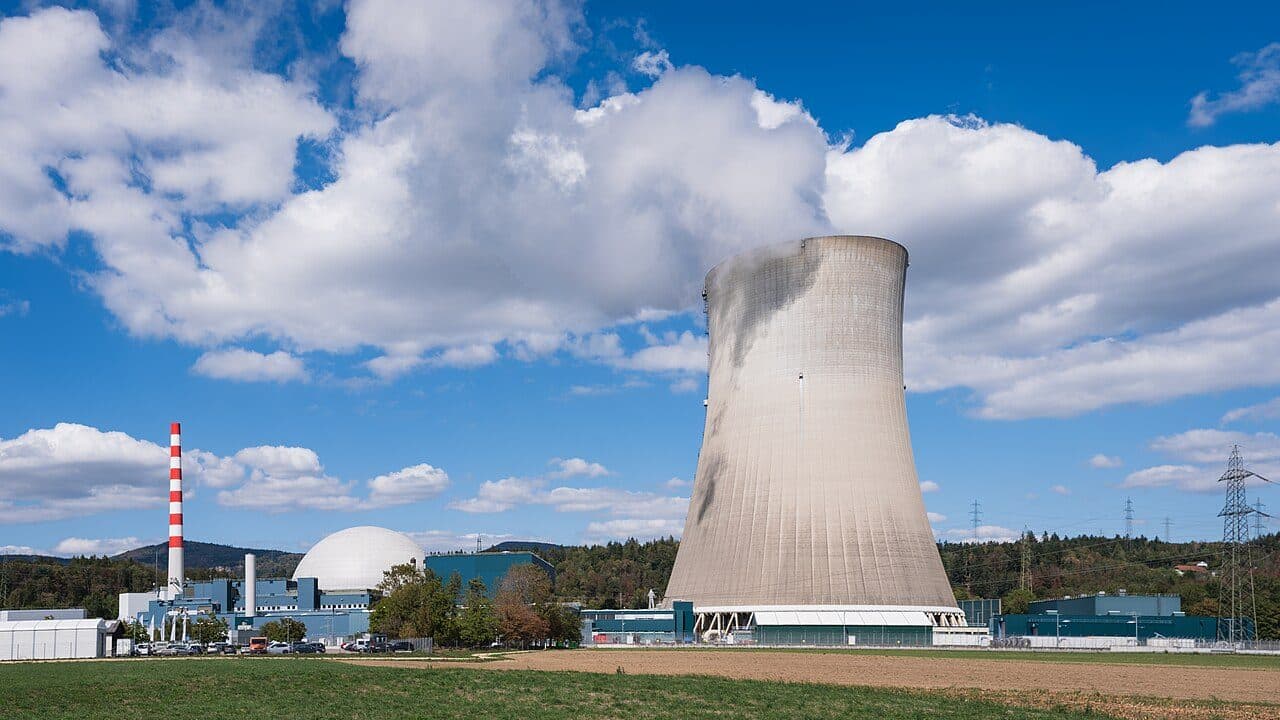
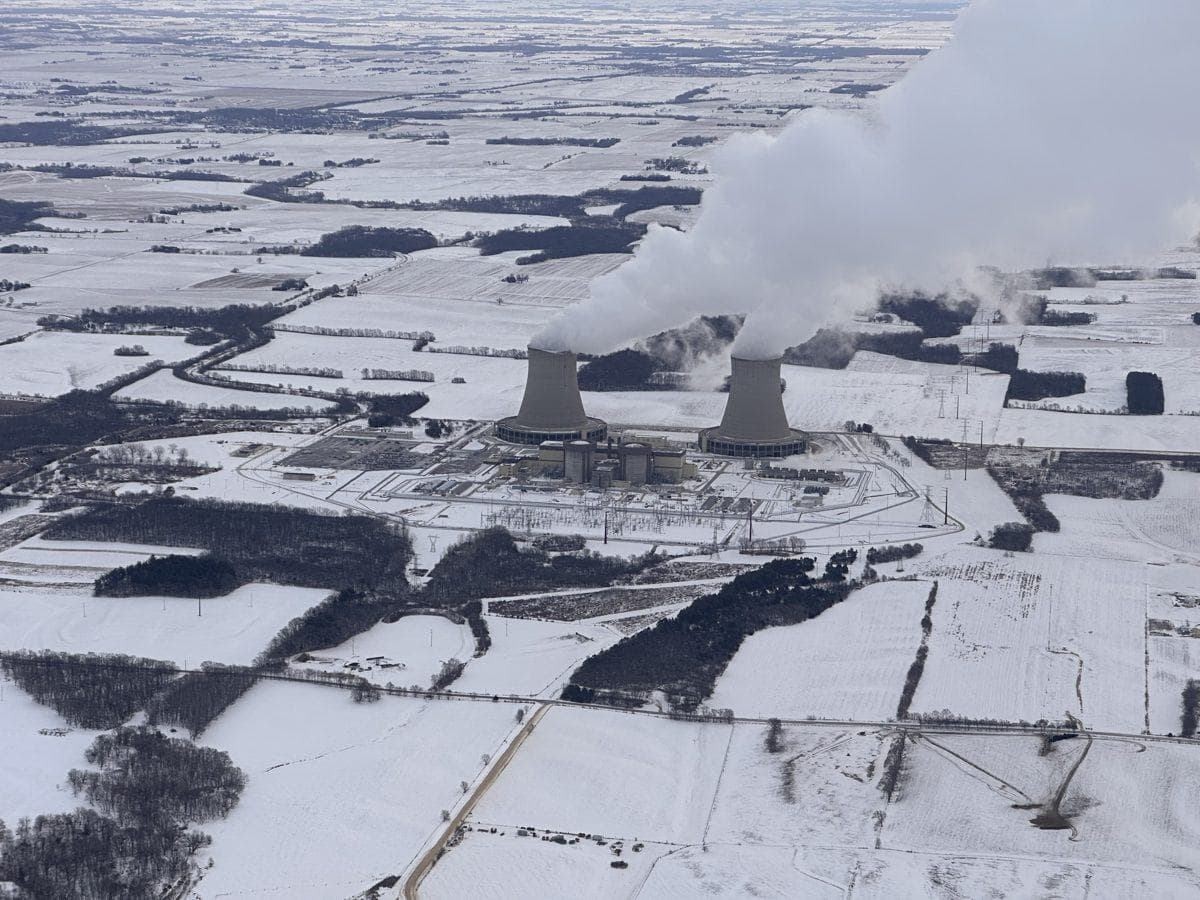
The eight plants cover 15 reactors split across two designs: three pressurized water reactor sites with six reactors (Braidwood at 2,386 MW and Byron at 2,350 MW in Illinois, and Calvert Cliffs at 1,789 MW in Maryland) and five boiling water reactor sites with nine reactors (Clinton at 1,092 MW, Dresden at 1,845 MW, LaSalle at 2,320 MW and Quad Cities at 1,403 MW in Illinois, and Limerick at 2,315 MW in Pennsylvania). The uprates would expand output across the PJM and Midcontinent grids, two regions where the Department has issued emergency orders this year to keep generation available during tight reserve margins. Constellation is expected to submit 12 power uprate applications to the Nuclear Regulatory Commission between the fourth quarter of 2026 and the end of 2030, including five extended power uprates and seven smaller measurement uncertainty recapture uprates, according to the regulator’s expected-applications list.
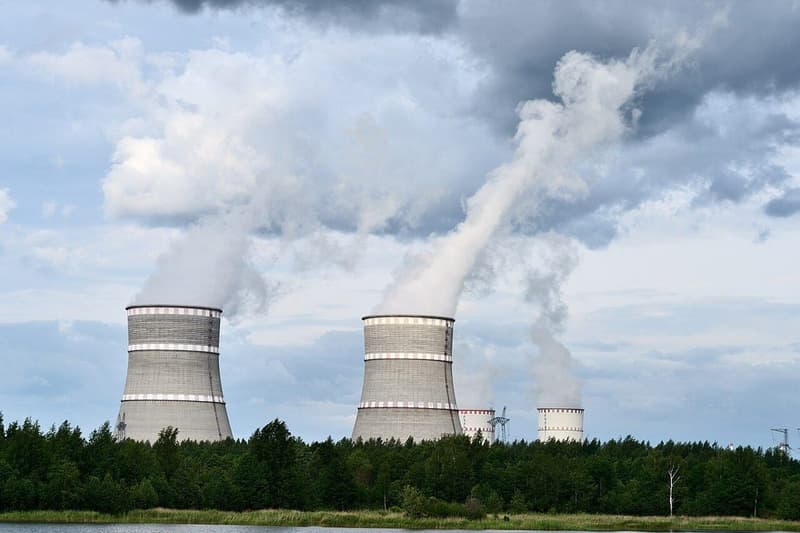
The Department of Energy announced the commitment on 27 October 2026 during Secretary Chris Wright’s visit to the Byron Generating Station, through its Office of Energy Dominance Financing. “This is how America wins the race for energy abundance, by pairing private-sector demand and investment with smart federal financing to unlock more power from the nuclear plants we already have,” said Joe Dominguez, Constellation’s chairman, president and chief executive, in the Department’s fact sheet on Project Uprise. Constellation added that the federal financing could reduce borrowing costs and potentially accelerate development or support a broader portfolio of projects.
Constellation nuclear uprates build on $7 billion of customer-backed investment
The federal loan would stack on top of private money already committed, which is the most important context for judging it. Constellation says its recent 20-year agreements with Google and Amazon have incentivized more than $7 billion in investment to add approximately 1,080 MW of nuclear capacity. Google-backed capacity is expected to begin delivering in 2028 and complete by the end of 2032, while Amazon’s Calvert Cliffs uprate is scheduled for 2030 to 2032. A separate Meta agreement supports a 30 MW expansion at Clinton, and a Walmart agreement covers Dresden at 176 MW including 30 MW of planned uprates. The commercial logic is straightforward: long-term purchase agreements give Constellation revenue certainty for equipment upgrades, and the federal loan, if it closes, lowers the cost of financing the same work.
That overlap is also where scrutiny belongs. The Department’s own caution states that Constellation must satisfy technical, legal, environmental and financial conditions before definitive financing documents are signed and any money flows, and Constellation emphasized that the commitment does not constitute a final investment decision for any individual uprate. Readers should therefore treat the 1.1 GW as a ceiling for a portfolio of candidate projects. The test of whether Washington is accelerating private investment or refinancing it will be visible in the project list: if uprates that already had customer backing move faster or expand in scope, the loan added something, while if the same megawatts arrive on the same dates, it mainly changed who funded them.
What $5 billion for 1.1 GW means against the wider Uprise portfolio
Dividing the headline figures gives a useful benchmark, with a plain caveat attached. Five billion dollars divided by 1.1 GW is about $4,545 per kilowatt, but that is a loan amount for a portfolio that also covers modernization, so it should be compared with financing figures. The table below places the Constellation commitment inside the Department’s Uprise portfolio as itemized in its own fact sheet.
| Uprise project group | Added capacity | Federal financing | Status |
|---|---|---|---|
| Constellation uprates (8 plants) | Nearly 1.1 GW | Up to $5 billion | Conditional commitment, 27 Oct 2026 |
| Vistra uprates (Beaver Valley, Davis-Besse, Perry) | 433 MW | Up to $4.2 billion | Conditional commitment, 5 Oct 2026 |
| Southern Co. uprates (Hatch, Vogtle) | Over 300 MW | Part of $26.5 billion package closed Feb 2026 | Package closed; uprates in review |
| Restarts: Palisades, Crane, Duane Arnold | 2,250 MW | $4.42 billion | Loans closed 2024-2026 |
| Uprise total claimed by DOE | About 4.7 GW (95% of 5 GW 2029 goal) | Mixed | See gap note below |
Two features of that table deserve attention. First, uprates are the smaller but faster half of the programme: the 1.1 GW of Constellation uprates plus 433 MW from Vistra totals about 1.5 GW, against 2.25 GW of restarts, and the uprate projects start delivering in 2028 while the restart projects run to 2029 and beyond. Our analysis of the three restarts covers the other half of the portfolio in detail, and the distinction matters: restarts return shuttered plants to service, while uprates squeeze more megawatts from plants already running, through turbine, steam-cycle and control upgrades that can raise licensed thermal power by up to 20%.
Second, the arithmetic in the Department’s fact sheet does not fully add up. As POWER magazine noted, the six project groups itemized in the fact sheet total approximately 4.1 GW, roughly 600 MW short of the claimed 4.7 GW, and the Department did not explain the difference. The Southern figure shows the same looseness: more than 300 MW attributed to Southern exceeds the approximately 201 MW specified in the September Hatch and Vogtle project documents, though the Department has identified additional future upgrades under that financing programme. None of this invalidates the Constellation commitment itself, but it means the 95% of goal claim should be read as approximate until the Department itemizes the missing megawatts.
What to watch next for the 1.1 GW
Three milestones will show whether the commitment converts into megawatts. The first is the Nuclear Regulatory Commission application queue: 12 uprate applications expected from Constellation between late 2026 and the end of 2030, though the regulator lists individual plants as proprietary, so applications cannot yet be matched to the eight facilities in the loan portfolio. The second is the conversion from conditional commitment to definitive financing documents, which requires the technical, legal, environmental and financial conditions to be satisfied. The third is delivery timing: Google-backed capacity from 2028, Amazon-backed Calvert Cliffs capacity in 2030 to 2032, and Vistra’s uprates as late as 2034 all extend beyond the programme’s interim target of 2.5 GW by 2027, which suggests the 2029 goal of 5 GW will be met on paper through commitments well before the power itself reaches the grid. Energy Secretary Wright’s visit to Palisades on 29 October keeps the political spotlight on the programme, but the megawatt count will be settled by licensing dockets and financing documents.