- The EU Council and Parliament agreed on 18 November 2026 to cap solar equipment permits at 3 months, down from waits of up to 9 years for renewables.
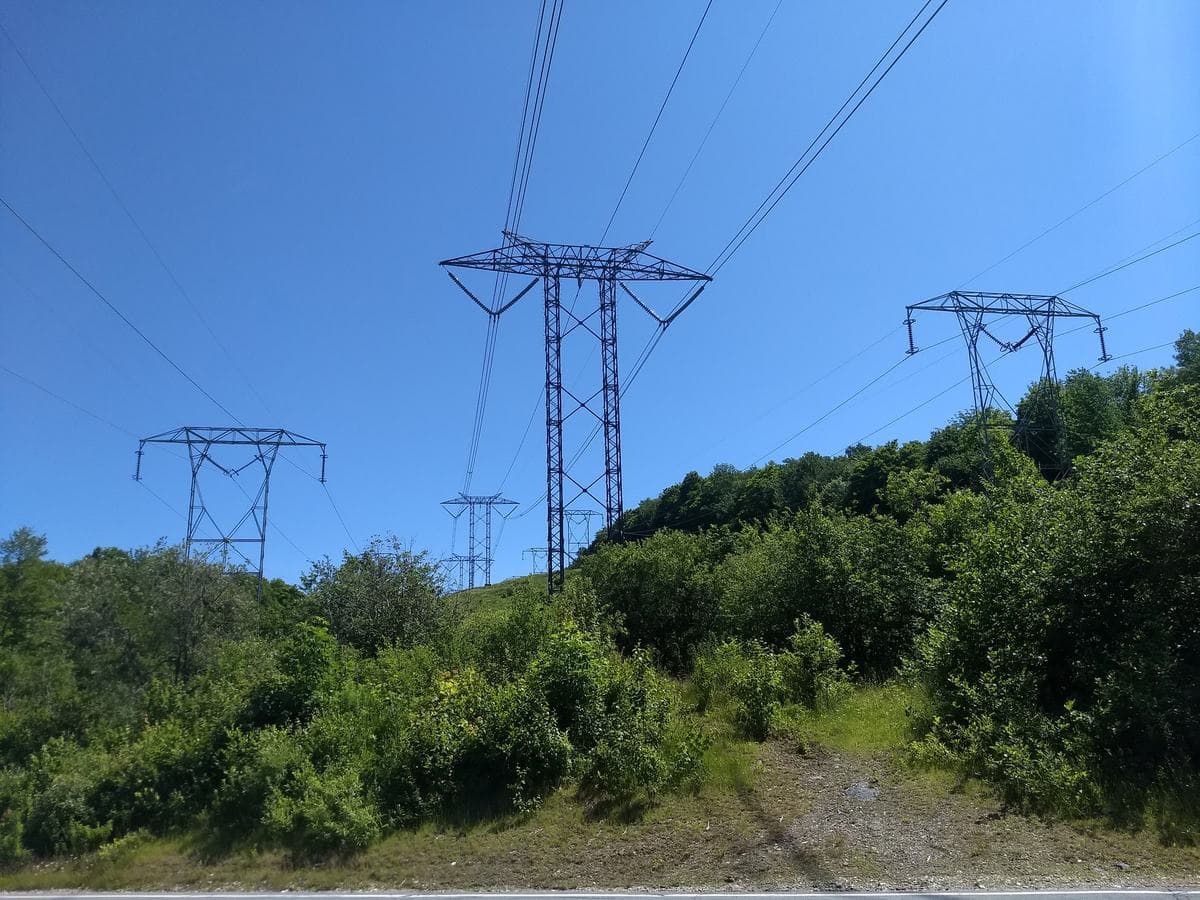
- Grid connection permits get a 3-month deadline, against transmission projects that now take about 10 years, with permitting taking more than half of that time.
- Member states have 1.5 years to transpose the rules after formal adoption, and may apply tacit approval to intermediate permitting steps.
EU renewable energy permitting will run through a single national digital portal under a provisional agreement reached by the Council and the European Parliament on 18 November 2026, with member states able to treat renewables and grids as overriding public interest and to apply tacit approval to intermediate steps. The deal, part of the EU grids package, sets binding maximum deadlines for the first time across the main categories of clean energy projects.
The agreement was announced in the early hours of 18 November 2026. It still needs endorsement by the Council and the Parliament, followed by formal adoption after legal-linguistic revision. Member states then have 1.5 years to transpose the rules into national law. The European Commission proposed the package on 10 December 2025 as part of the grids package under the Competitiveness Compass and the Clean Industrial Deal.
EU renewable energy permitting deadlines, before and after
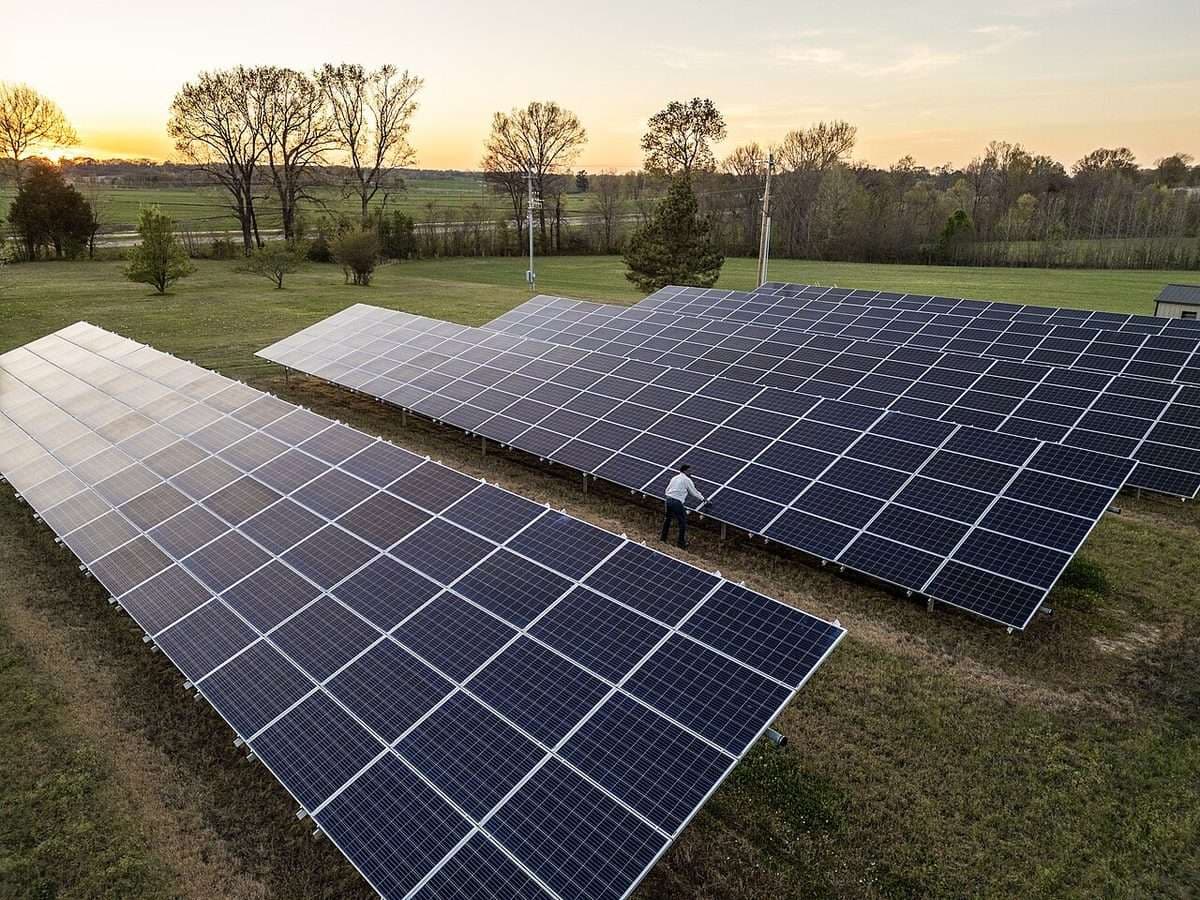
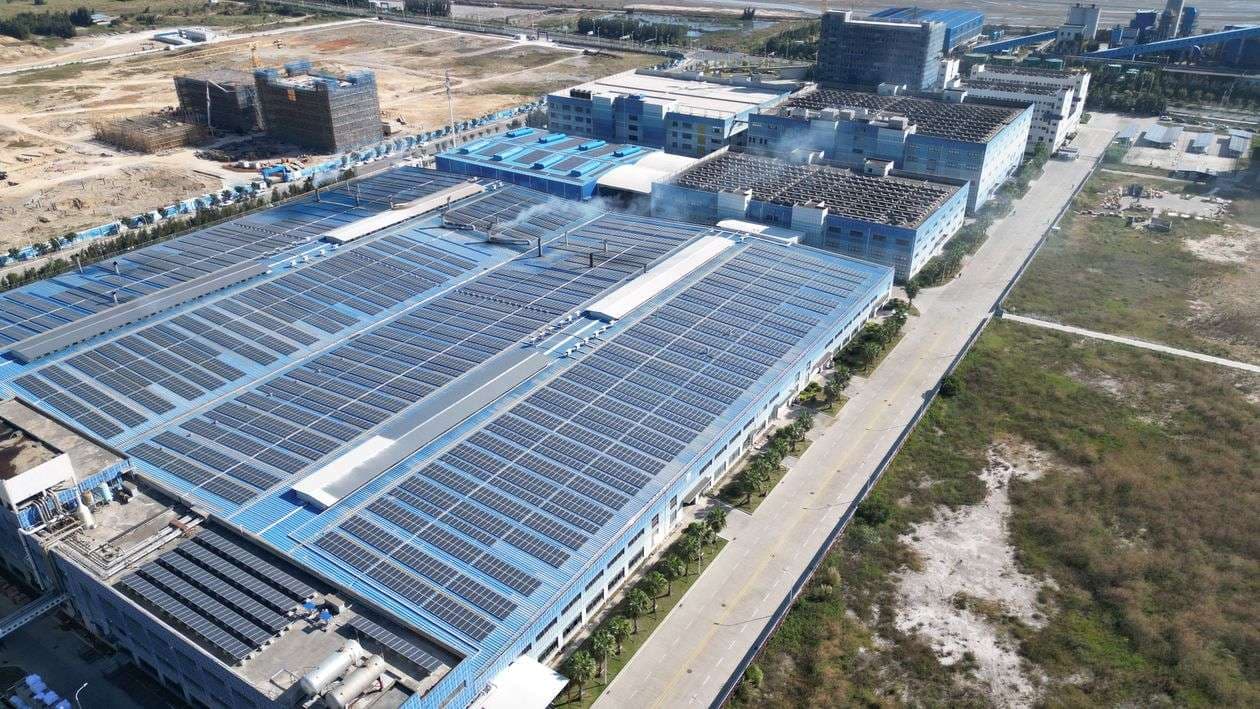
The deadlines are the centre of the deal. Solar equipment, including co-located storage, gets a maximum permit time of 3 months. Standalone storage and recharging stations get 6 months. Pumped hydropower storage gets 2 years. Grid connection permits get 3 months, or 6 months where justified.
| Project type | Before: current waits | After: new maximum deadline |
|---|---|---|
| Solar equipment, including co-located storage | Renewables permitting can take up to 9 years | 3 months |
| Standalone storage and recharging stations | Renewables permitting can take up to 9 years | 6 months |
| Pumped hydropower storage | Renewables permitting can take up to 9 years | 2 years |
| Grid connection | Transmission grids take about 10 years, permitting more than half | 3 months, or 6 if justified |
The contrast with today is stark. Permitting of renewables can take up to 9 years depending on the member state and the technology, according to the Council and the Parliament. Transmission grids take about 10 years to complete, and permitting accounts for more than half of that time. A solar project that once waited years for approval will now have a legal right to an answer within a single season.
One portal for every permitting step
The deal also changes how permits are handled, not only how fast. Each member state will run a single national digital portal covering all permitting steps for a project, replacing the sequence of separate applications to different authorities that developers face today. The agreement sets up an EU-wide permitting framework for grid infrastructure, so cross-border lines are no longer governed by a patchwork of national timelines.
Member states may deem renewables and grids to be of overriding public interest, a status that can speed up environmental and planning assessments. They may also apply tacit approval for intermediary steps, meaning a step is treated as approved if the authority does not respond within the deadline. Citizen engagement and benefit-sharing are built into the package for projects above 7 MW, so local communities have a defined role and a share of the value from large projects built near them.
Why the deal targets grids as well as generation
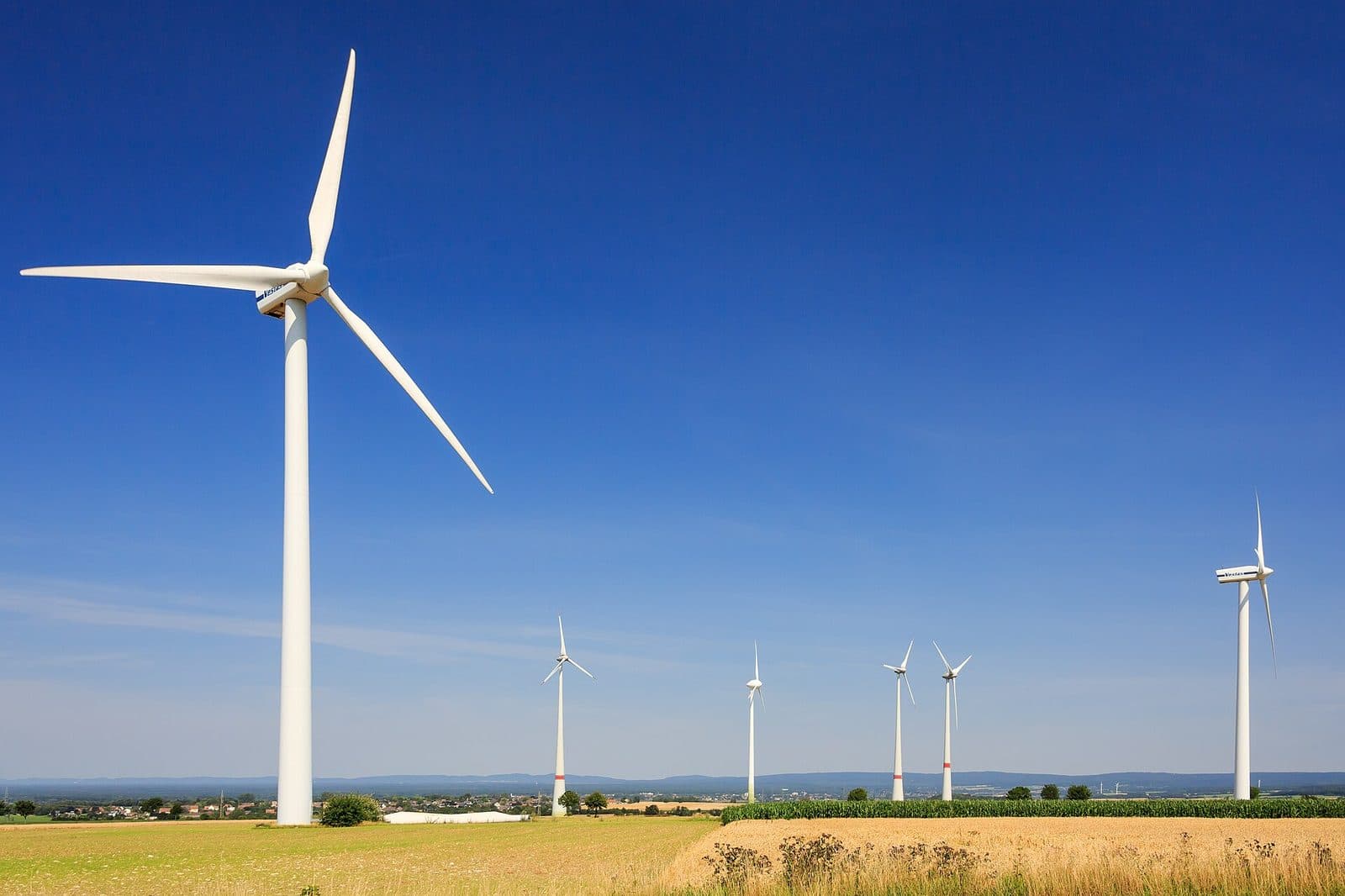
Permitting reform that covered only generation would leave the bottleneck in place. New wind and solar capacity is of limited use if the transmission lines needed to carry it take a decade to approve and build. By putting grid connection permits on a 3-month clock and creating an EU-wide framework for grid infrastructure, the agreement treats the network as part of the same problem as the power plants it serves.
The timing reflects pressure on both fronts. Renewable projects have faced waits of up to 9 years in some member states, while transmission grids take about 10 years from planning to completion, with permitting taking more than half of that span. The Commission proposed the grids package in December 2025 precisely because slow permitting was delaying the electrification that the EU’s climate and competitiveness plans depend on.
Darragh O’Brien, Ireland’s Minister for Climate, Energy and the Environment, said: “Faster, streamlined permitting will help accelerate electrification in Europe. We need grid infrastructure for clean, affordable, and homegrown energy and to break our dependence on imported fossil fuels.”
What the 3-month solar deadline means for Europe’s buildout
The practical test of the deal will be whether a 3-month deadline holds up in national practice. The agreement gives member states 1.5 years to transpose the rules, and the deadlines will only bite once national authorities staff their single digital portals and apply tacit approval in the way the text allows. A deadline on paper still depends on the capacity of the offices that must meet it.
The before-and-after numbers show the scale of the intended change. Solar equipment moves from a system where renewables permitting can take up to 9 years to a 3-month maximum, a cut of roughly 97% against the worst current waits. Grid connections move from a process where permitting alone can consume more than 5 years of a 10-year build to a 3-month deadline, or 6 months where justified. Pumped hydropower storage, the longest deadline in the package at 2 years, still sits far below the 9-year waits some renewables face today.
If member states transpose the rules on schedule and the portals work as designed, the binding constraint on European clean energy shifts from paperwork to construction. The deal does not build a single solar panel or lay a single kilometre of cable, but it removes the delay that has kept projects waiting longer than it takes to build them.
Sources
- Council of the European Union, “Grids package: Council and Parliament agree to streamline permitting for a faster clean energy transition,” 18 November 2026
- European Parliament, “Electricity grids: MEPs reach deal with Council on faster project permitting,” 18 November 2026
- Reuters, “EU reaches provisional deal to speed permits for renewable energy projects,” 18 November 2026