- COP31 launched the 35-by-35 Global Electrification Pledge on 10 November 2026, aiming to lift electricity from about 23% of global final energy use today to 35% by 2035.
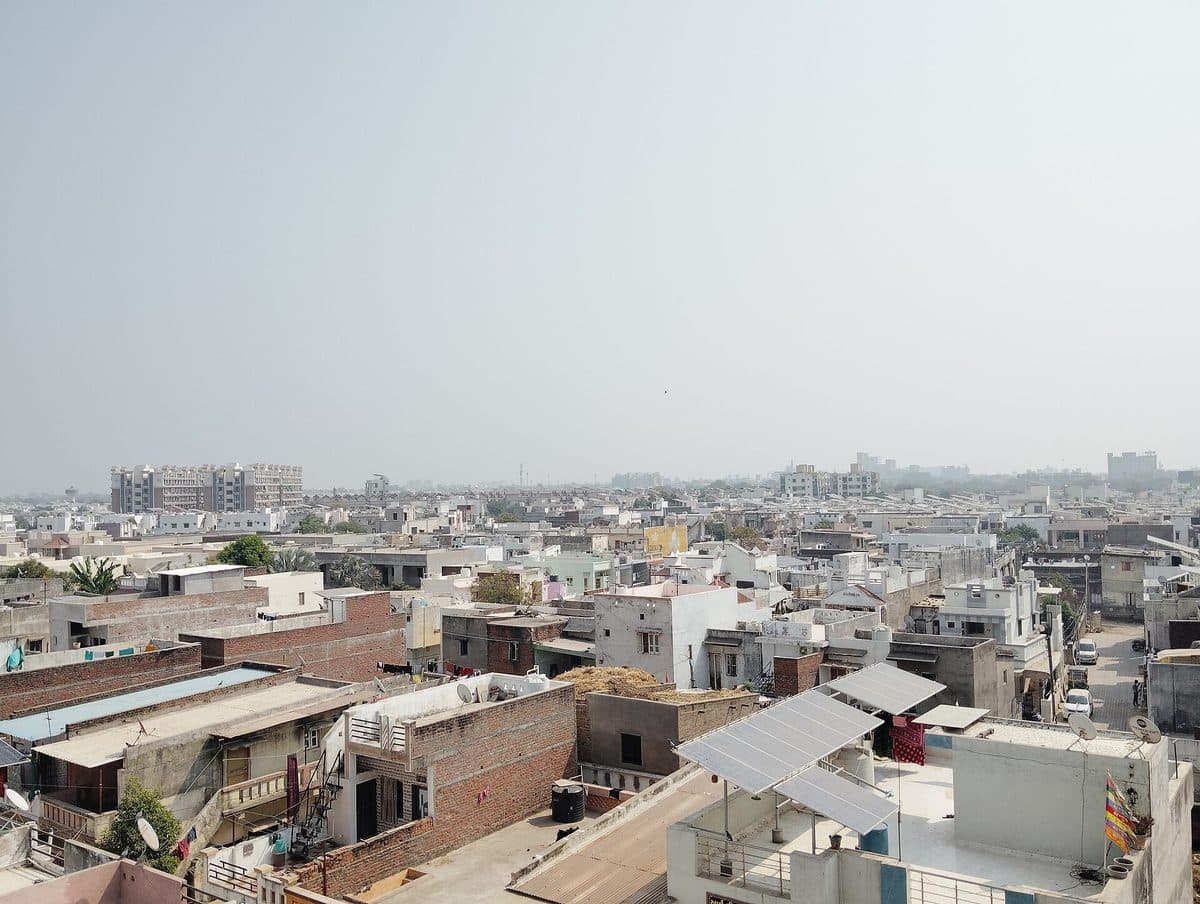
- The same Energy Day produced a Global Rooftop Solar Declaration backed by six countries, targeting at least 300 million solar-powered homes by 2030, up from about 150 million today.
- The IEA says current policies reach only 28% electrification by 2035, leaving a 7-point gap that would need the post-2010 pace of electrification to quadruple.
The pledge’s fate will be decided by wires and money, not by the target itself. The COP31 Presidency paired the 35-by-35 goal with a finance coalition, a tracking mechanism run by the IEA and a grid programme from IRENA, because the distance between the ambition and current policies is a build-out problem: more demand, faster, on networks already struggling to connect new renewables.
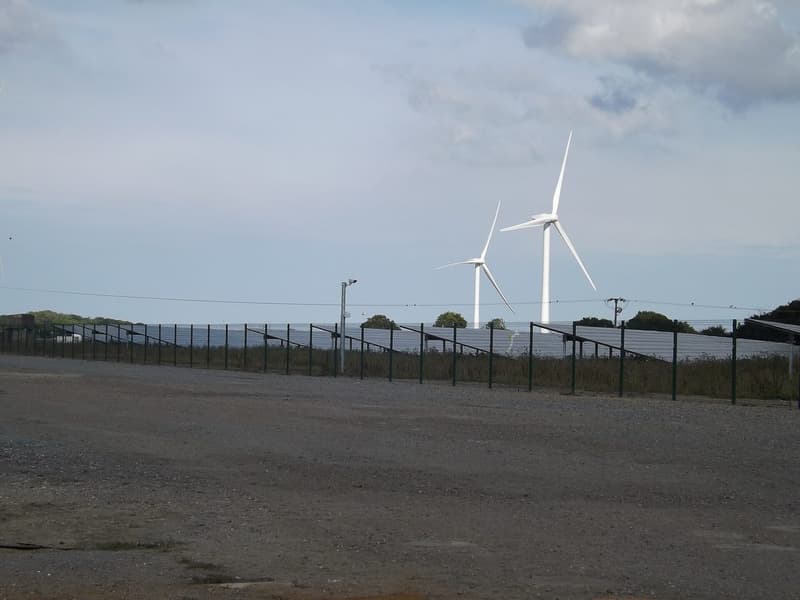
The pledge, formally the 35-by-35 Global Electrification Pledge, was launched by the COP31 Presidency on the summit’s Energy Day. It calls for electricity to reach 35% of final energy consumption by 2035, up from about 23% today, by electrifying transport, buildings and industry. The target rests on analysis by the IEA and the International Renewable Energy Agency (IRENA) of what keeps warming within 1.5 degrees Celsius of pre-industrial levels, according to the COP31 Presidency.
What the COP31 35-by-35 electrification pledge commits to
The pledge is voluntary and collective. It sets no binding national quota and does not require the additional electricity to come from renewable sources, a point critics raised on the first day. Its weight comes from the machinery attached to it: the IEA will run a Global Electrification Tracking Mechanism, the presidency is co-hosting an Electrification Forum with the European Union that will continue after the summit, and the World Bank and the African Development Bank will co-chair a new Electrify Now Finance Coalition from 2027 to fund electrification in emerging and developing economies.
COP31 President Murat Kurum framed the target as a response to the energy crisis that followed the Iran war, which broke out at the end of February 2026 and disrupted the Strait of Hormuz. “We need the 35-by-35 target because until now electrification has not been underpinned by a clear global goal,” Kurum said. “This year’s energy crisis has shocked us out of our complacency and demonstrated the inherent vulnerability of dependence on energy imports.”
Private-sector backing arrived with the pledge. The We Mean Business Coalition mobilised more than 180 companies, including Volvo, Uber, IKEA and Siemens, with combined annual revenue above US$1.69 trillion, in support of faster electrification. The Utilities for Net Zero Alliance raised its annual grid, renewables and storage investment commitment from US$148 billion to US$156 billion, an increase of US$8 billion, or about 5.4% (Joule Post arithmetic).
The 7-point gap between the pledge and current policies
The IEA’s Special Report on Electrification, released on 22 September 2026 at the request of Türkiye and Australia, puts the scale of the task in plain numbers. Current policies take electricity to about 28% of final energy use by 2035. Cost-competitive technologies alone, at prices similar to those before the current supply crisis, could reach 33%. The 35% goal needs the high-electrification pathway on top of that.
| Scenario | Electricity share of final energy, 2035 | Gap to the 35% goal |
|---|---|---|
| Today (2026) | About 23% | 12 points |
| Current policies (IEA) | About 28% | 7 points |
| Cost-competitive technologies (IEA) | 33% | 2 points |
| COP31 35-by-35 pledge | 35% | 0 |
| Paris-aligned pathways (Climate Action Tracker) | 34% to 41% | Within range |
Electrification has grown by an average of 0.3 percentage points a year since 2010, according to the IEA. Reaching 35% by 2035 would require that pace to roughly quadruple. The IEA estimates the goal needs electricity demand to grow by about 1,400 TWh a year, double the roughly 700 TWh average of the past decade, with grids expanding about 40% faster. A Climate Action Tracker briefing published in November 2026 puts the median of 1.5°C-aligned pathways at 34% in 2035, within a 34–41% range, so the 35% target sits one point above the median and is consistent with the most ambitious climate scenarios, even though current policies fall 7 points short.
The payoff the IEA attaches to closing the gap is measured in import bills. Achieving the 35-by-35 target could help fuel-importing countries cut annual energy import bills by more than US$400 billion, and the IEA’s analysis puts the avoided oil use at about 18 million fewer barrels a day by 2035. The Global Renewables Alliance puts the cost of inaction in the same units: every day of the latest fossil-fuel crisis costs importers an extra US$1.8 billion, which compounds to roughly US$657 billion over a full year (Joule Post arithmetic).
300 million solar homes by 2030
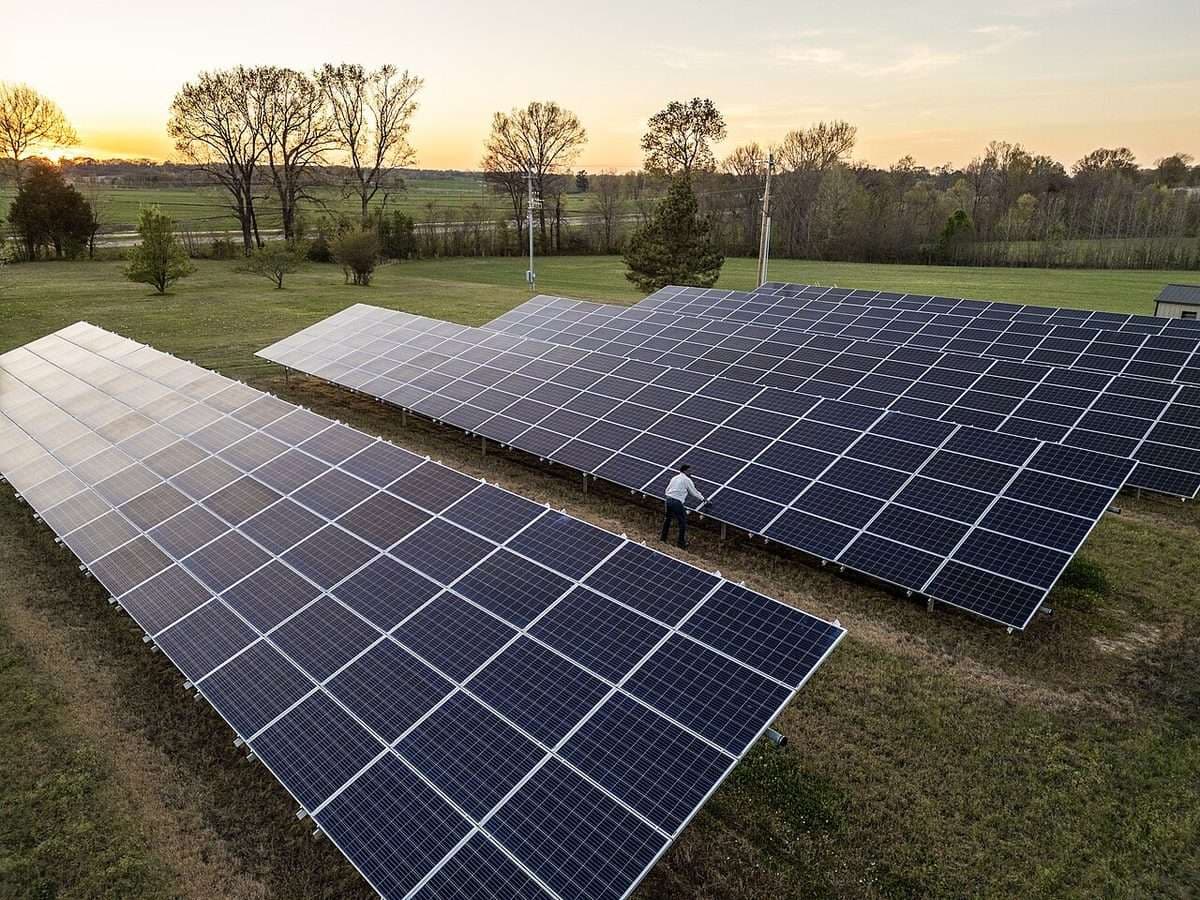
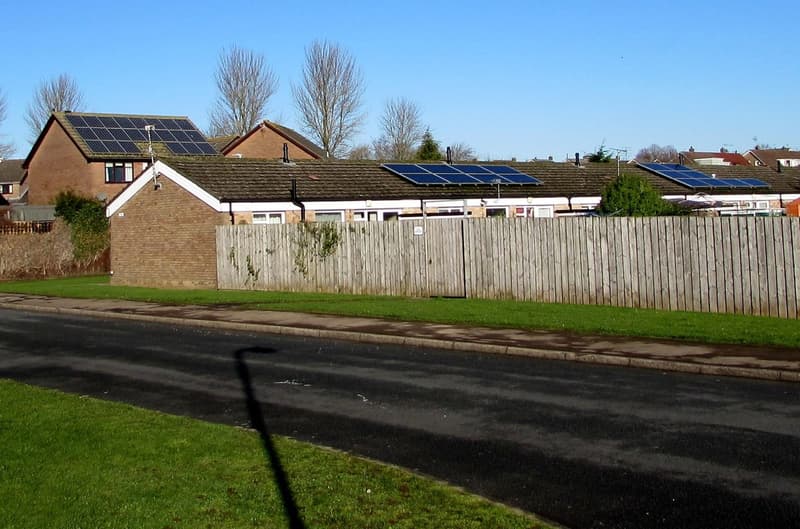
The second Energy Day announcement was the Global Rooftop Solar Declaration, which aims to double the number of homes with rooftop solar from about 150 million today to at least 300 million by 2030. Australia, Bangladesh, Kenya, Nigeria, Palau and Vanuatu endorsed it, with lawmakers from 21 other countries and Indonesia’s state-owned utility PT PLN also backing the initiative, according to Associated Press reporting from Antalya on 10 November 2026.
Doubling in four years means about 37.5 million net additional solar homes a year on average (Joule Post arithmetic: 150 million homes divided by four years). The declaration is voluntary and non-binding, and it sets no country quotas or funding commitments. Its practical lever is the ask it makes of governments: simplify permits, widen access to affordable finance and modernise grids so distributed generation can connect.
Bangladesh gave the first national number attached to the declaration, committing to 5,500 MW of rooftop solar capacity by 2030 across about 870,000 rooftops. That works out to about 6.3 kW per rooftop on average (Joule Post arithmetic), a typical size for a family home system. Australia, which endorsed the declaration first at a Pacific pre-COP meeting in Fiji on 8 October 2026, holds it up as a model built on its own rooftop solar record.
What the 7-point gap means for solar, wind and grids
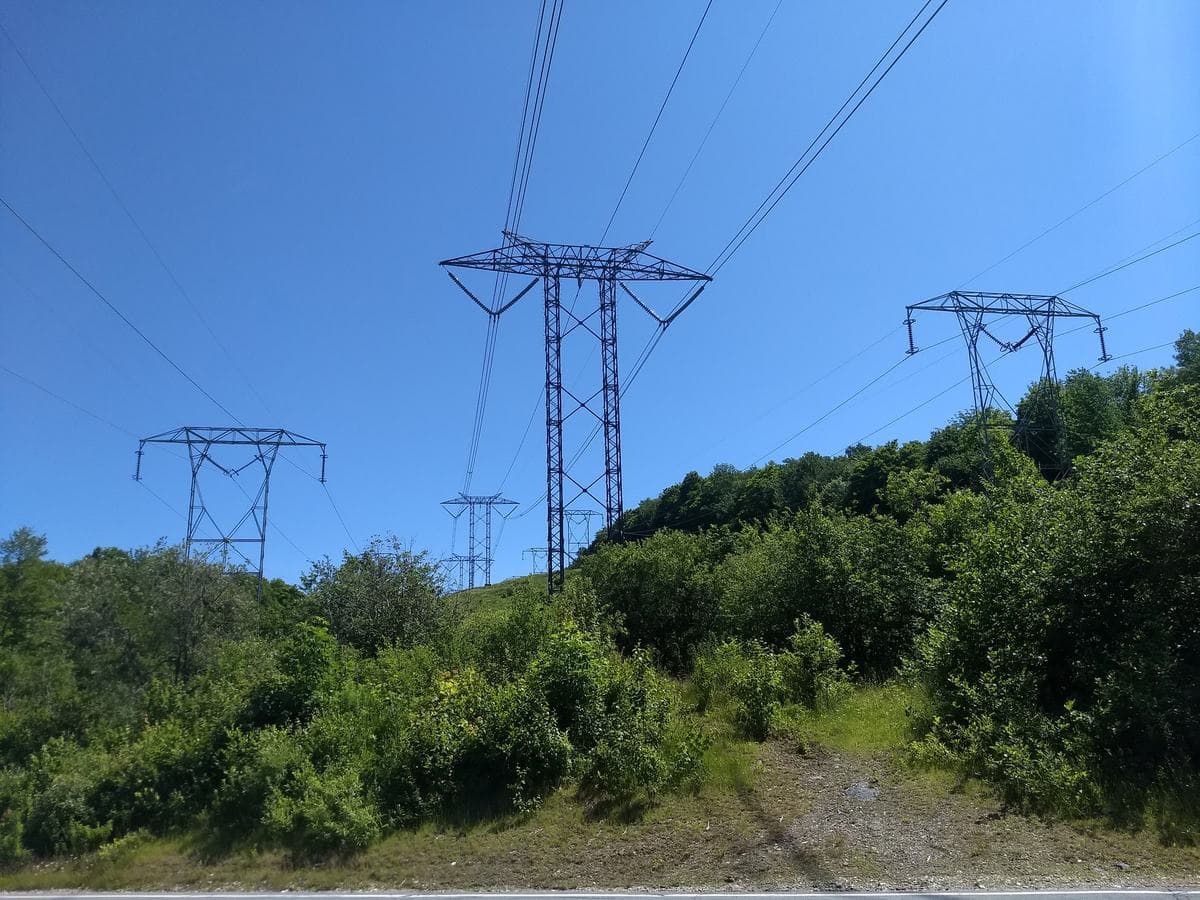
The pledge’s honesty test is the grid. The IEA’s Renewables 2026 report, published on 6 November 2026, found 3,000 GW of advanced-stage renewable and storage projects waiting for grid connections worldwide, up 60% in a year. Electrifying transport, buildings and industry adds demand faster than grids are currently expanding, so the 35% target is, in practice, a grid-building target as much as a clean-energy one. IRENA’s D-GRIDS programme, which will help developing countries identify grid investment needs and prepare projects, is the infrastructure pillar of the initiative for that reason.
For readers weighing rooftop solar, the declaration changes the policy weather rather than the price of a panel. More governments have now publicly committed to cutting the permitting and finance friction that decides whether a household system pays back, and the 300-million-home goal gives installers and lenders a visible demand signal. The US$156 billion annual utility commitment and the finance coalition matter more for the grid side: they are the money that decides whether new solar and wind can actually connect. Homeowners considering a system can start with the panel-count math for their own roof, and the storage that makes a rooftop system useful after dark is now a standard part of the package. Readers weighing an electric car face the same grid question from the other side, since every new EV adds demand that the same wires must carry.
The summit runs until 20 November 2026, with thematic days on resilient cities, finance and industry still to come. Türkiye is seeking to write the 35% target into the summit’s formal outcome, which needs unanimous approval. Whether the pledge becomes a plan will be decided by what governments bring to those days: grid investment, permitting reform and the finance the coalition promises.
Sources
- COP31 Presidency, “COP31 flicks the switch on ‘age of electricity'”, COP31 Türkiye, 10 November 2026
- Associated Press, “Nations promise to install more rooftop solar at UN climate talks”, via Barchart, 10 November 2026
- Le Monde, “Why electrification is at the heart of COP31 talks”, 11 November 2026
- IEA, “Electrification: Special Report”, International Energy Agency, 22 September 2026
- Climate Action Tracker, “Unpacking electrification for a 1.5°C-aligned world”, November 2026