- Hydropulse, ITM Power’s build-own-operate subsidiary, has signed heads of terms for a 150 MW green hydrogen project at a European oil refinery.
- The planned 10-year agreement targets a final investment decision in 2027, with hydrogen production from 2029.
- CEO Dennis Schulz called it the company’s largest commercial commitment to date; shares rose 5.3% on the news.
ITM Power’s Hydropulse hydrogen business has landed its biggest deal yet. The London-listed electrolyser maker announced on 12 October 2026 that Hydropulse, its build-own-operate (BOO) subsidiary, has signed heads of terms with a European oil refinery for a 150 MW green hydrogen project using ITM’s Alpha electrolyser platform. Under the planned 10-year agreement, Hydropulse would build, own and operate the plant on the refiner’s site — selling hydrogen as a service rather than selling equipment.
The deal is preliminary, not final: the two sides are already working through a joint Front End Engineering Design (FEED) study, targeting a final investment decision in 2027 and first hydrogen in 2029. Notably, the refiner is expected to provide the site and utilities, including electricity — an arrangement ITM said limits Hydropulse’s exposure to power price swings, historically the killer variable in green hydrogen economics. Hydropulse is also in talks with banks about project-level financing to fund Hydropulse’s expansion without stretching the parent company’s balance sheet.
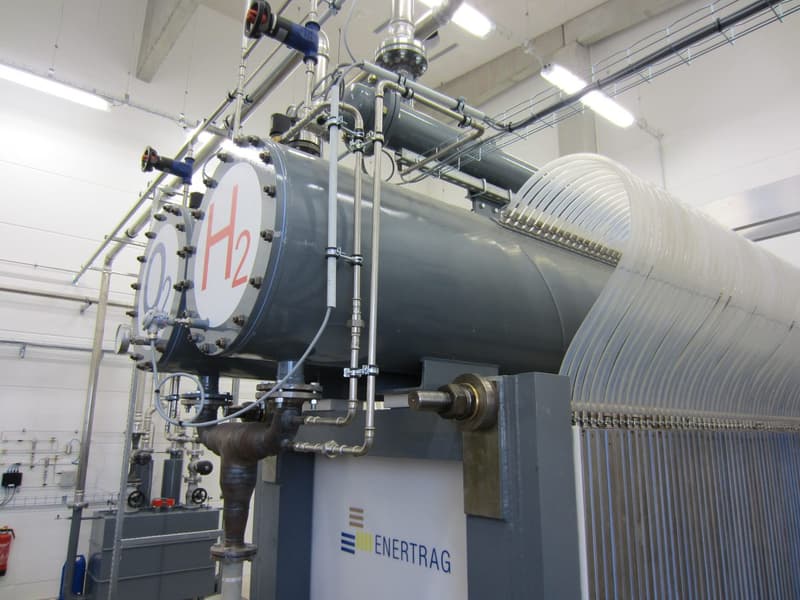
ITM Power’s Hydropulse hydrogen deal — the largest commitment in company history
Chief executive Dennis Schulz said: “This is an important milestone for our company. At 150 MW and with a planned 10-year contract duration, this project demonstrates the scale and potential of our BOO model. If progressed to definitive agreements, it would represent our largest commercial commitment to date and establish a material long-term contracted revenue stream for the Group. We are delighted to be working with a leading European refinery and look forward to progressing the engineering, commercial and financial workstreams through FID.”
The market liked what it heard. ITM shares rose 5.3% to 98.80p on the morning of the announcement, and Berenberg — which rates the stock a ‘buy’ with a 200p price target — called the heads of terms “potentially the largest commercial commitment in the company’s history”. The bank added: “The Hydropulse model could materially reshape the financial structure of the business.”
The logic is straightforward. ITM Power’s core business has been selling electrolysers — lumpy, project-by-project equipment revenue. Hydropulse, launched as the company’s BOO arm, keeps ownership of the plant and sells hydrogen under long-term contracts instead. That turns one-off sales into recurring, contracted revenue — a fundamentally different financial profile, and one investors tend to reward with higher valuations.
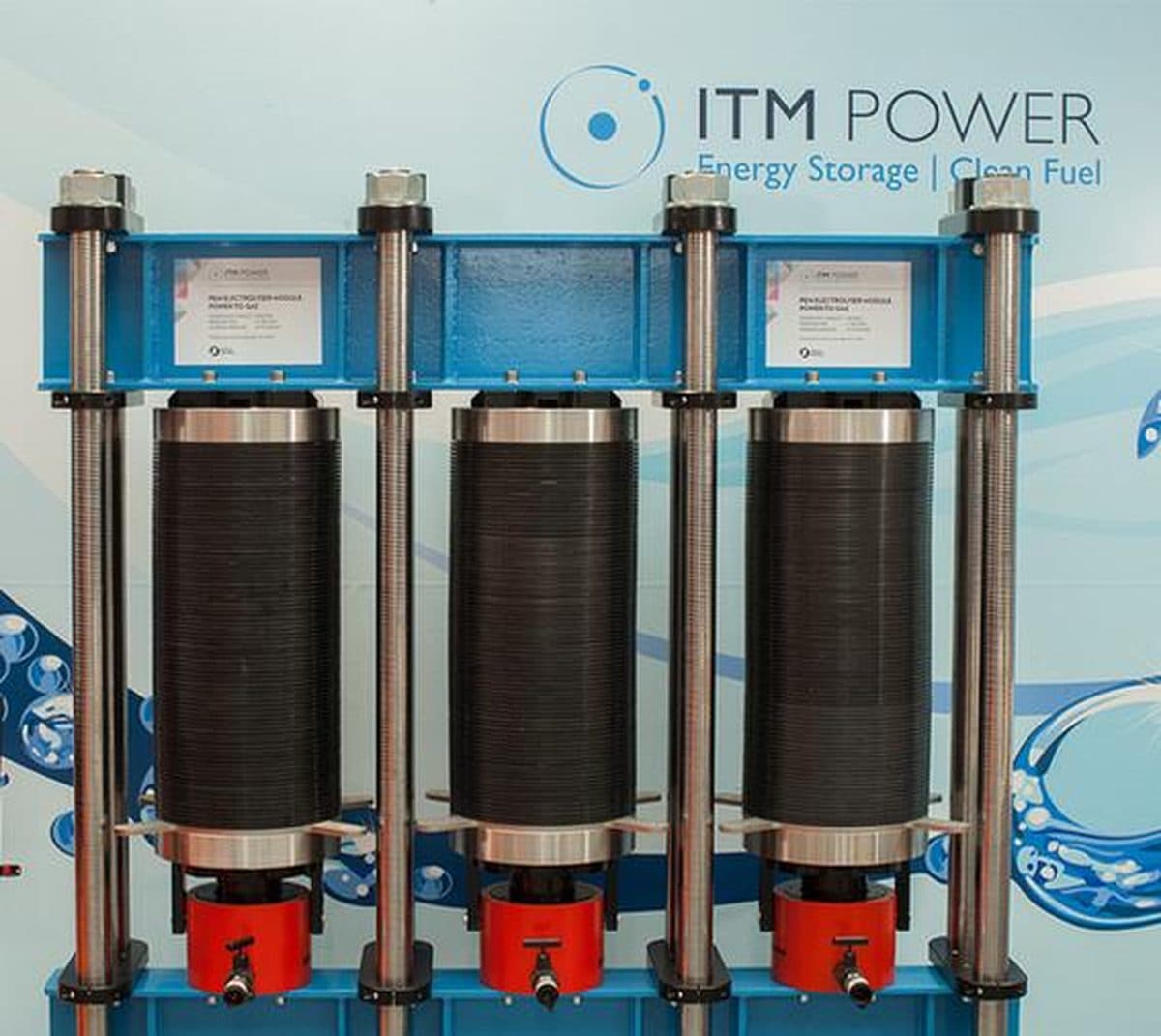
ITM Power, headquartered in the UK, designs and manufactures industrial-scale electrolysers using its own PEM (proton exchange membrane) technology, with vertically integrated manufacturing and in-house engineering. The company is listed on London’s AIM market and holds the Green Economy Mark, awarded to firms that generate more than half their revenues from green products and services. That manufacturing base is what the Hydropulse model is meant to monetise: standardised, high-performance plants built in volume, then financed and operated as long-term contracted assets.
Why it matters
Size is the first thing that stands out. At 150 MW — three of ITM’s 50 MW Alpha systems, according to Hydrogen Insight — this project dwarfs the 10–50 MW pilots that dominate refinery hydrogen announcements in the trade press. It is also half as large again as Galp’s 100 MW hydrogen plant in Sines, one of the more advanced Iberian projects. And while EWE and Verbund’s 500 MW JadeWeser project in Wilhelmshaven is bigger still, that scheme is chasing import-heavy supply chains and cavern storage; Hydropulse’s proposition is simpler — a refinery, a site, and a decade of contracted hydrogen.
The economics hint at the value at stake. ITM launched its Alpha 50 “full-scope” 50 MW plant at around €50 million last October, which puts the implied equipment value of a 150 MW installation at roughly €150 million — before a decade of hydrogen revenues even begins. That is the bet the BOO model is making: capture the long tail of recurring revenue instead of booking a one-off equipment sale.
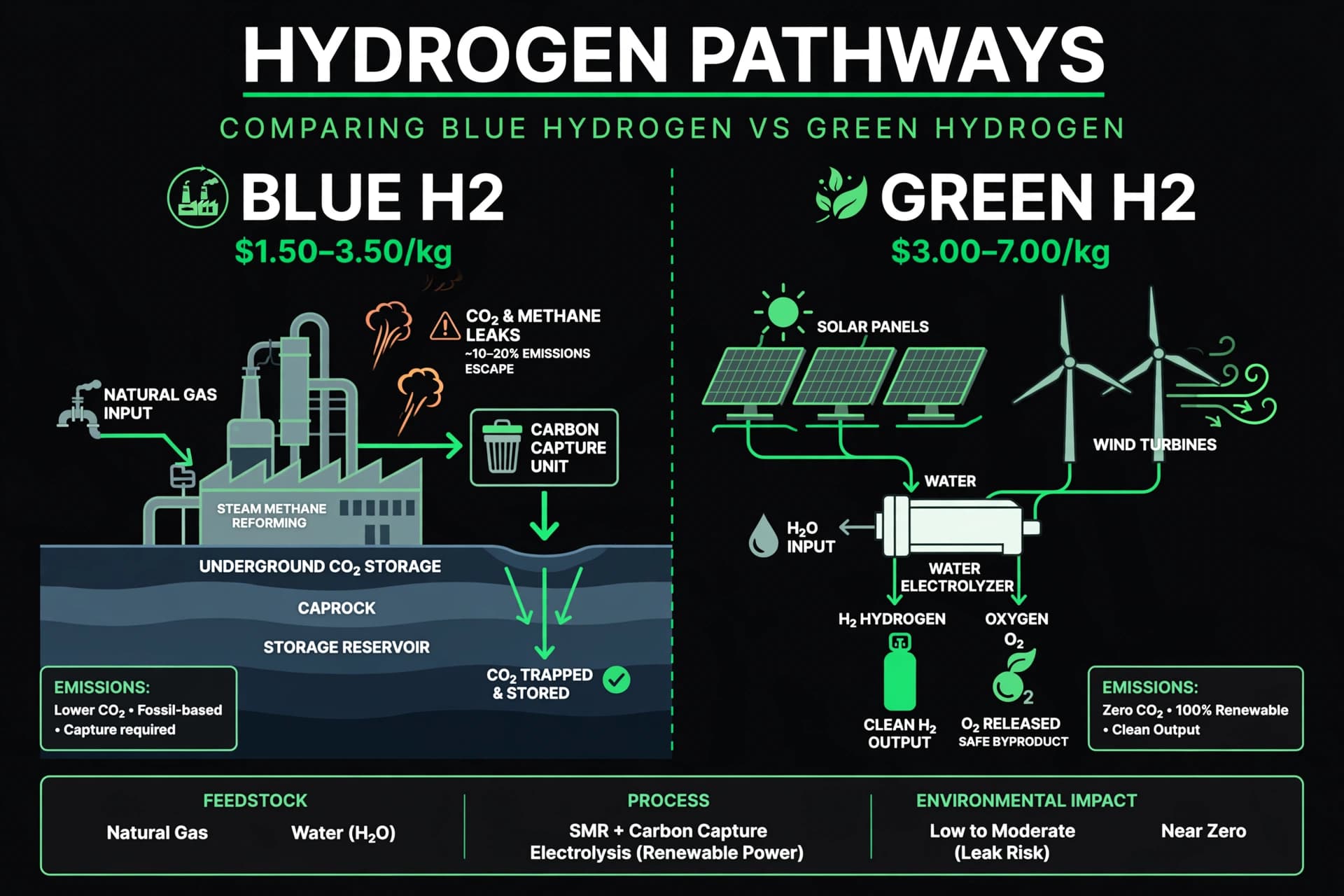
The second thing that matters is what this says about refineries. Oil refiners are among the largest existing consumers of hydrogen — grey hydrogen, made from natural gas, used to strip sulphur from fuels. Replacing even part of that demand with green hydrogen is one of the fastest routes to real industrial decarbonisation, because the customer, the offtake and the industrial demand already exist. A refinery that signs up for 150 MW of green hydrogen is not running an experiment; it is starting to rewire its core processes.
For ITM, the stakes are existential in the opposite direction. Europe’s electrolyser manufacturers have spent two years watching project pipelines shrink as subsidies wobbled and final investment decisions slipped. A 10-year contracted revenue stream, financed at project level and insulated from electricity price volatility by the customer supplying power, is precisely the kind of bankable deal the hydrogen industry keeps promising but rarely signs.
What happens next
Heads of terms are a promise to negotiate, not a contract — the project still has to survive FEED, reach a final investment decision in 2027, and close project financing with banks. The refiner remains unnamed, which is standard for deals at this stage. But if the engineering and commercial workstreams hold together through 2027, Hydropulse would begin producing hydrogen in 2029 — and ITM Power would have its proof point that selling hydrogen by the decade beats selling electrolysers by the unit.