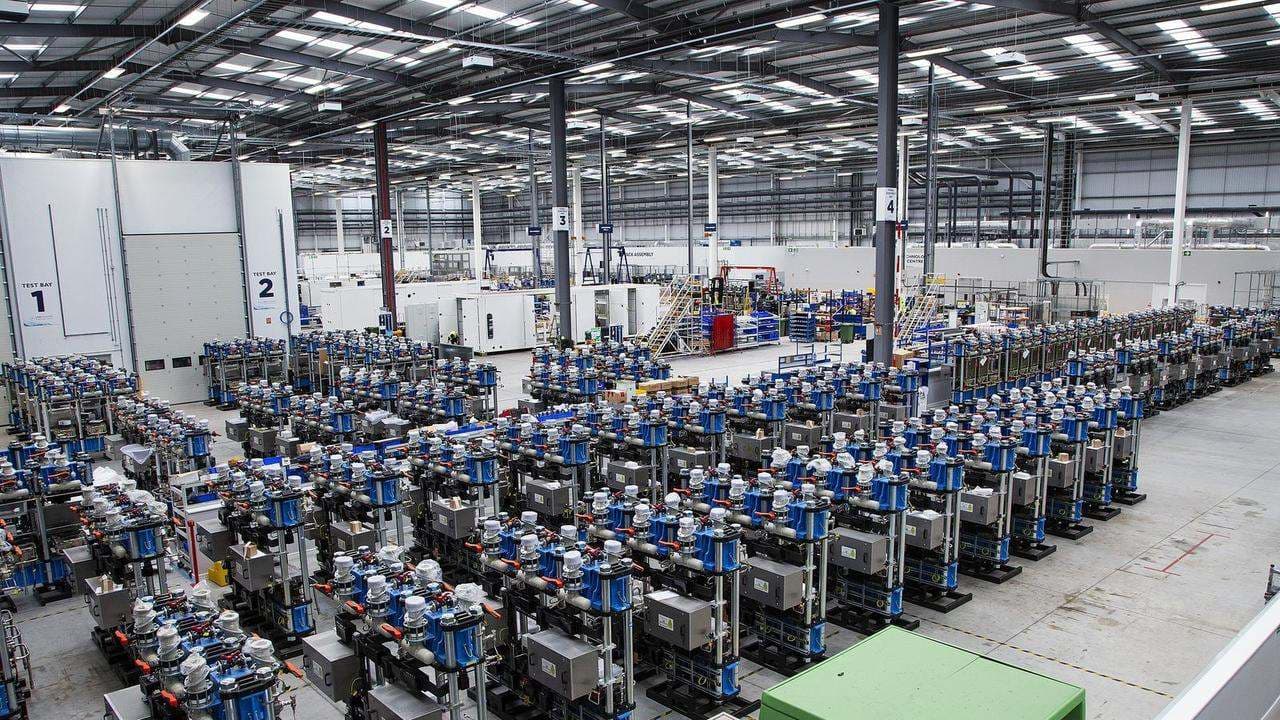
- Siemens will digitalise Galp’s 100 MW GalpH2Park renewable-hydrogen facility in Sines, Portugal — one of Europe’s largest — using its Hydrogen Performance Suite.
- The system builds a predictive Digital Process Twin from physics-based models, real-time plant data and external signals such as grid and market conditions.
- Siemens estimates the software could cut the plant’s energy use by up to 15% — a significant margin at a facility targeting 15,000 tonnes of hydrogen a year.
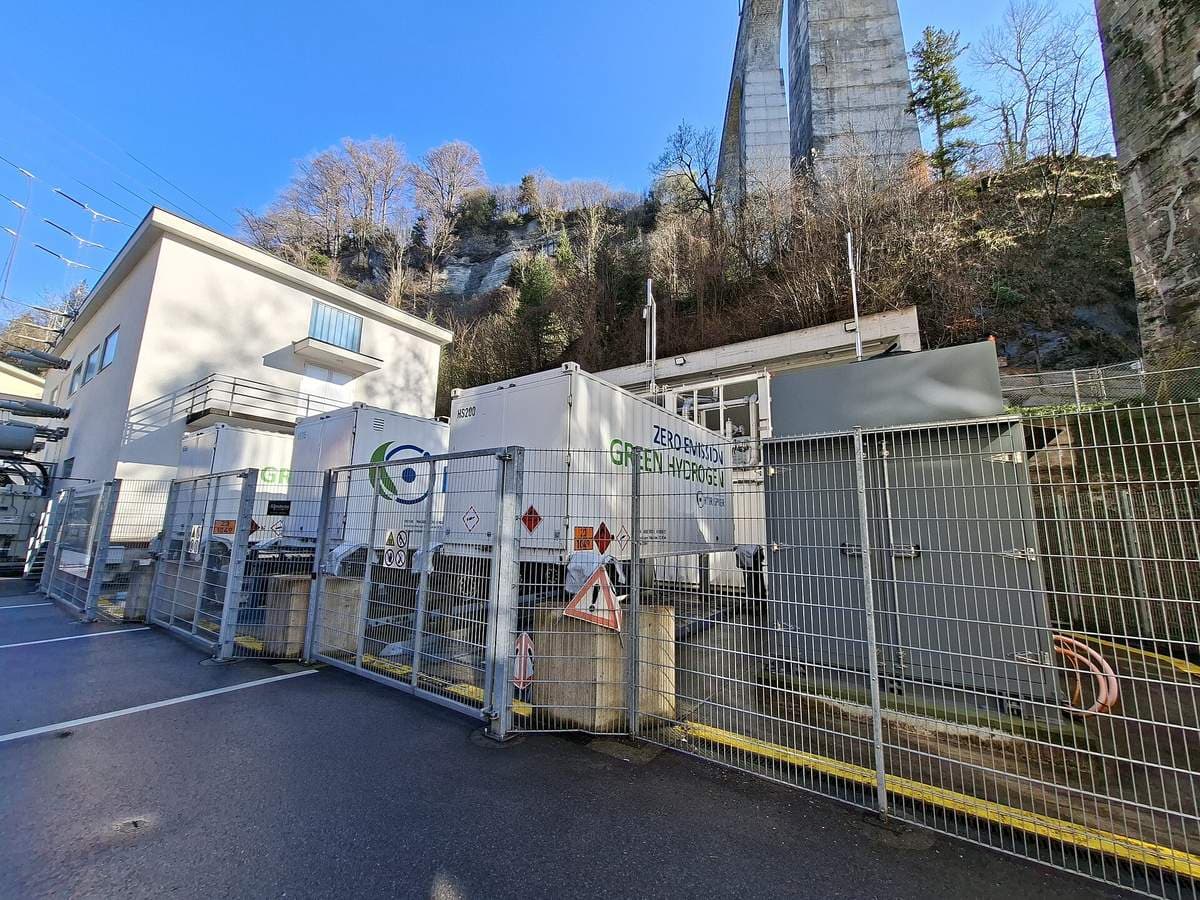
The Galp hydrogen plant in Sines, Portugal, is about to get a virtual twin that will help run it. Siemens’ Digital Industries business has signed an agreement with Galp Energia to digitalise the 100 MW GalpH2Park facility, a first-phase renewable-hydrogen project scheduled to start operating at the end of 2026 and described by the companies as one of Europe’s largest of its kind. The announcement was made by Siemens in Erlangen on 8 October 2026.
At the centre of the agreement is Siemens’ Hydrogen Performance Suite (HPS), a software package that builds what the company calls a predictive Digital Process Twin of the plant. The twin combines physics-based models of the process with live operating data and external signals — from grid operators and energy markets — to forecast how the plant will behave and optimise how it runs. According to Siemens’ announcement, the company estimates the suite could deliver energy savings of up to 15% at Sines.
That percentage is a projection, not a measured result — Siemens presents it as the potential benefit of running the twin, and it will only be proven once the plant is in operation. But even as a target it illustrates where the economics of green hydrogen are heading. Electricity is the largest single cost driver in renewable hydrogen production — the IEA’s Global Hydrogen Review has repeatedly identified power costs, not electrolyser hardware, as the dominant component of the levelised cost of green hydrogen. Anything that trims energy consumption strikes directly at that cost base.
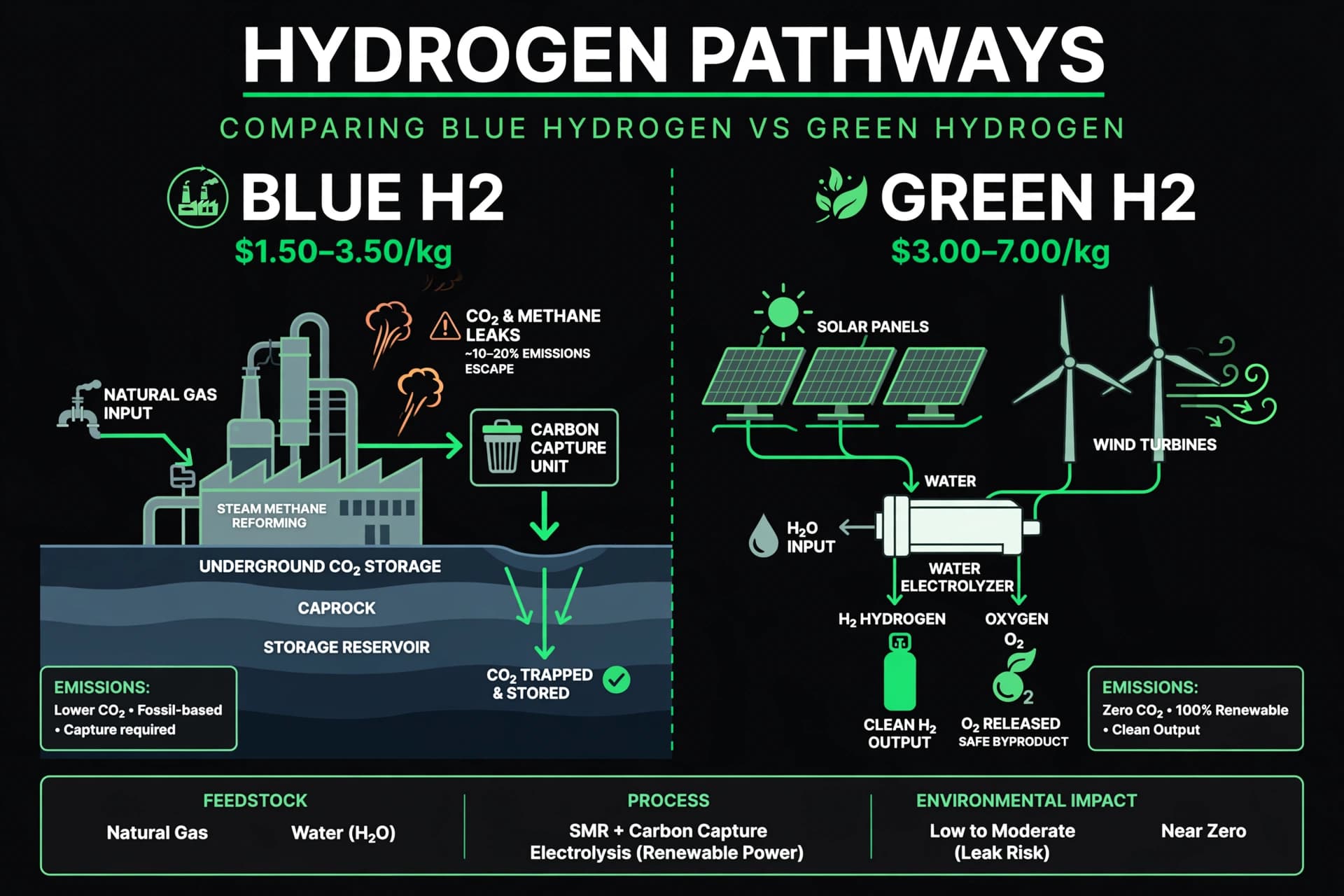
Galp’s plant is designed to produce up to 15,000 tonnes of renewable hydrogen a year, cutting roughly 110,000 tonnes of carbon-dioxide-equivalent emissions annually (Scope 1). The facility will run on renewable electricity secured through long-term supply agreements and Galp’s own renewable generation portfolio, as reported by Mobile World Live.
How the digital twin will run Galp’s Sines hydrogen plant
The concept is straightforward to describe and hard to execute. A digital twin is a live computational model that mirrors the physical plant: it knows how the electrolysers, compressors, cooling systems and power feeds are behaving right now, and it can simulate what happens if conditions change. The “predictive” part at Sines comes from layering external signals onto the process model — day-ahead power prices, grid-balancing requests, renewable generation forecasts — so the twin can recommend operating schedules that minimise electricity cost per kilogram of hydrogen.
This is different from the way most electrolyser plants are run today, where setpoints are adjusted by operators reacting to conditions. The promise is continuous, model-driven optimisation: running the stacks harder when power is cheap and renewable, easing off when the grid is tight, and coordinating auxiliaries — compression, drying, cooling — so the whole plant’s specific energy consumption drifts downward over time.
Why it matters
The electrolyser hardware race is crowded. Stack manufacturers compete over single percentage points of efficiency, and the gains are getting harder and more expensive to win. GalpH2Park shifts the battleground to the operations layer: if software can shave even a few percent off a 100 MW plant’s energy bill, that can be worth more, in absolute terms, than another point of stack efficiency — because it applies to the entire energy flow, year after year, with no hardware replacement.
The arithmetic is worth spelling out. A 15% reduction in electricity use for the same hydrogen output is, in economic terms, equivalent to producing roughly 15% more hydrogen — about 2,250 tonnes a year against Galp’s 15,000-tonne target — for the same electricity bill. That is a striking number, but it carries two caveats that matter. First, it is Siemens’ pre-operational estimate; no plant has yet demonstrated the full benefit. Second, the savings will apply to the plant as a whole, and real-world results will depend on how much of the time the twin’s recommendations can actually be followed given grid constraints and hydrogen offtake schedules.
There is also a template argument. If the Hydrogen Performance Suite performs at Sines, Siemens will have a reference installation — on one of Europe’s largest renewable-hydrogen plants — that it can pitch to every large electrolyser project in the pipeline behind it. Software that scales across projects is a fundamentally different business proposition from one-off engineering, and it is no accident that this deal comes from Siemens Digital Industries rather than the company’s energy-hardware side. Axel Lorenz, Siemens’ executive vice president for Automation Process Industries, called GalpH2Park “a lighthouse for Europe’s energy transition” and said “digital innovation is the key to making renewable hydrogen economically viable.”
The economics of digitalisation at 100 MW scale
Scale is what makes this interesting. On a laboratory electrolyser, a 15% efficiency gain is an academic result. On a 100 MW plant consuming hundreds of gigawatt-hours a year, a 15% saving is a line item that can make or break a project’s bankability — especially in Europe, where industrial electricity prices remain elevated and green hydrogen’s cost gap with fossil-derived hydrogen is measured in euros per kilogram.
The external-signals element of the twin is the most commercially consequential part of the design. A plant that can respond to real-time market and grid conditions can do more than save energy: it can time its consumption to the cheapest and cleanest hours, participate in balancing markets, and avoid producing hydrogen during the most expensive grid peaks. In effect, the twin turns the plant from a passive electricity consumer into an active participant in the power system — which is exactly the flexibility that grids with high renewable penetration are willing to pay for.
Sines and Europe’s hydrogen infrastructure map
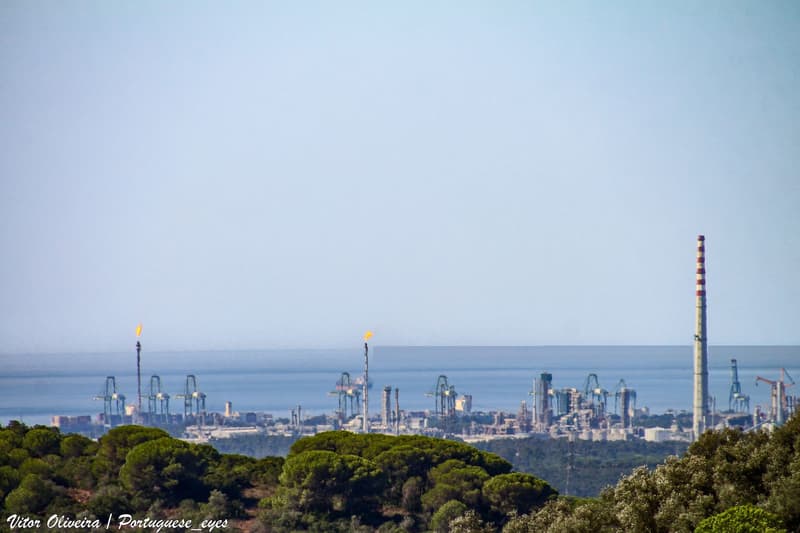
Sines, on Portugal’s Atlantic coast, is becoming one of southern Europe’s strategic energy hubs — hosting refining, LNG and increasingly renewable-fuel infrastructure. The GalpH2Park project fits a broader pattern of industrial hydrogen plants being built next to existing industrial clusters, where offtake for refining and chemicals is already nearby. Industrial offtake is the decisive variable for hydrogen project economics, as we noted in our reporting on EWE’s green hydrogen supply plans for Emden: molecules need buyers, not just molecules.
The project also lands in the middle of Europe’s hydrogen corridor buildout — from production sites like Sines to demand centres further north. The South Hydrogen Corridor initiative, backed by the Algiers declaration of five nations, shows how seriously European governments now take cross-border hydrogen infrastructure. A well-run 100 MW plant at Sines could feed exactly the kind of early market volumes those corridors will need.
What to watch
GalpH2Park is due to start operating at the end of 2026, which means the digital twin’s first real test arrives quickly. The figure to watch is not the headline 15% estimate but the plant’s actual specific energy consumption — megawatt-hours per tonne of hydrogen — as reported once the facility is running. If Siemens can publish operating data showing the twin delivering sustained savings, expect digital-process-twin language to appear in every major electrolyser procurement in 2027. If not, it will be a reminder that software, like hardware, has to earn its claims on the plant floor.