- Nel ASA and Rheinmetall AG signed a non-binding MoU on October 13, 2026, to explore decentralized synthetic fuel production for defense and critical infrastructure.
- Nel contributes alkaline and PEM electrolyser technology; Rheinmetall brings its Giga PtX plant concept and systems-integration expertise, with Norway as the natural starting point.
- Nel is the third electrolyser maker to join the program after Sunfire and ITM Power. Each Giga PtX module could yield up to 7,000 tonnes of drop-in fuel a year.
Norway’s Nel ASA has signed a memorandum of understanding with Germany’s Rheinmetall AG to explore a joint push into decentralized synthetic fuel production for defense and critical infrastructure, making the Norwegian electrolyser maker the third equipment manufacturer to join the arms company’s Giga PtX e-fuel network. The Nel Rheinmetall synthetic fuels agreement, announced October 13, 2026, pairs Nel’s electrolyser technology with Rheinmetall’s modular plant concept and systems-integration capabilities, according to Nel’s official press release.
The memorandum is explicitly non-binding: the two companies will jointly assess technical and commercial feasibility (potential sites, infrastructure requirements, renewable power access, sustainable carbon sources and priority use cases), with possible pilot projects to validate the modular concept. Rheinmetall is positioning Nel as its partner for the Norwegian market, following a stated strategy of announcing tie-ups with local champions in each market. Norway is, in the companies’ words, a “natural starting point,” and the reasoning is about security rather than climate: the country operates only one oil refinery, exporting crude to Europe for refining and transporting refined products back: a supply chain that sits partly beyond national control when disruption hits.
How the Nel–Rheinmetall synthetic fuels concept would work
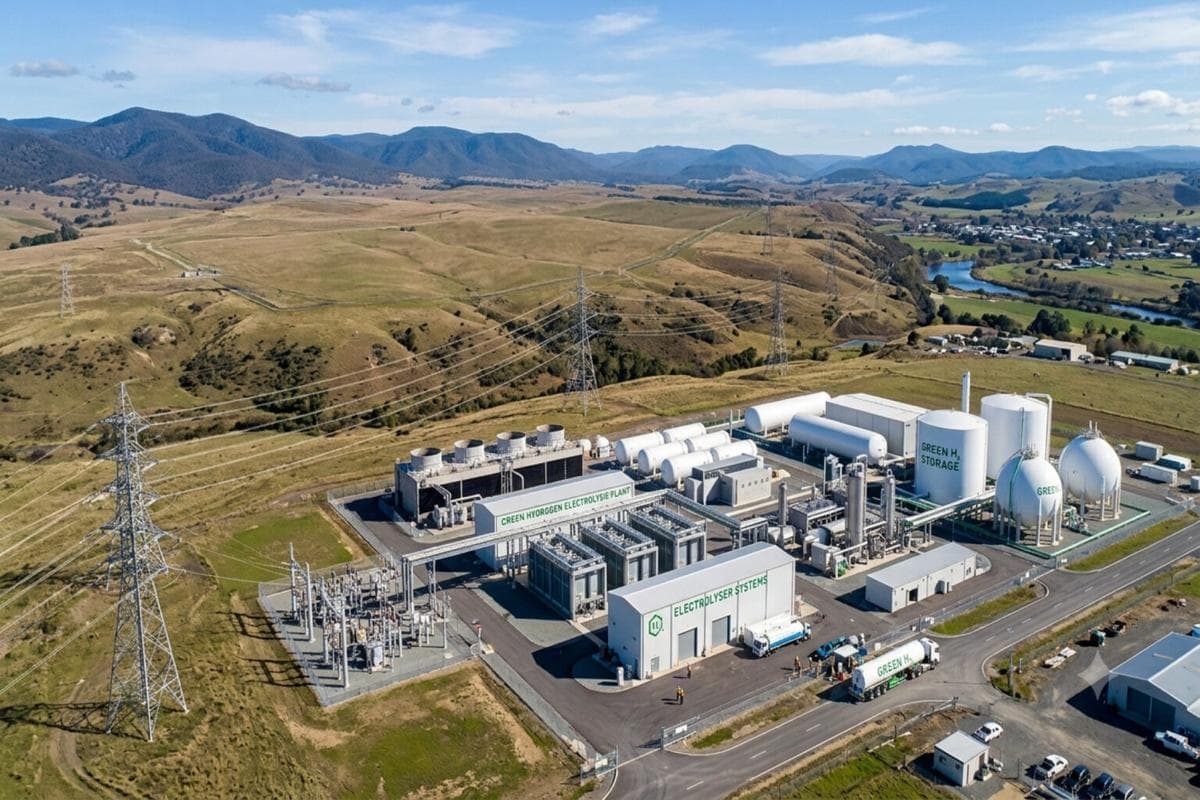
The Giga PtX vision is not a single megaproject but a network: hundreds of standardized, modular e-fuel plants distributed across Europe, each carrying up to 50 MW of electrolyser capacity and producing up to 7,000 tonnes per year of drop-in synthetic fuels for NATO forces, according to gasworld’s reporting. Drop-in means the fuel can substitute conventional diesel and jet fuel without modifying engines, aircraft or existing fuel infrastructure. That is the critical property that makes e-fuels military-relevant where batteries and hydrogen tanks are not.
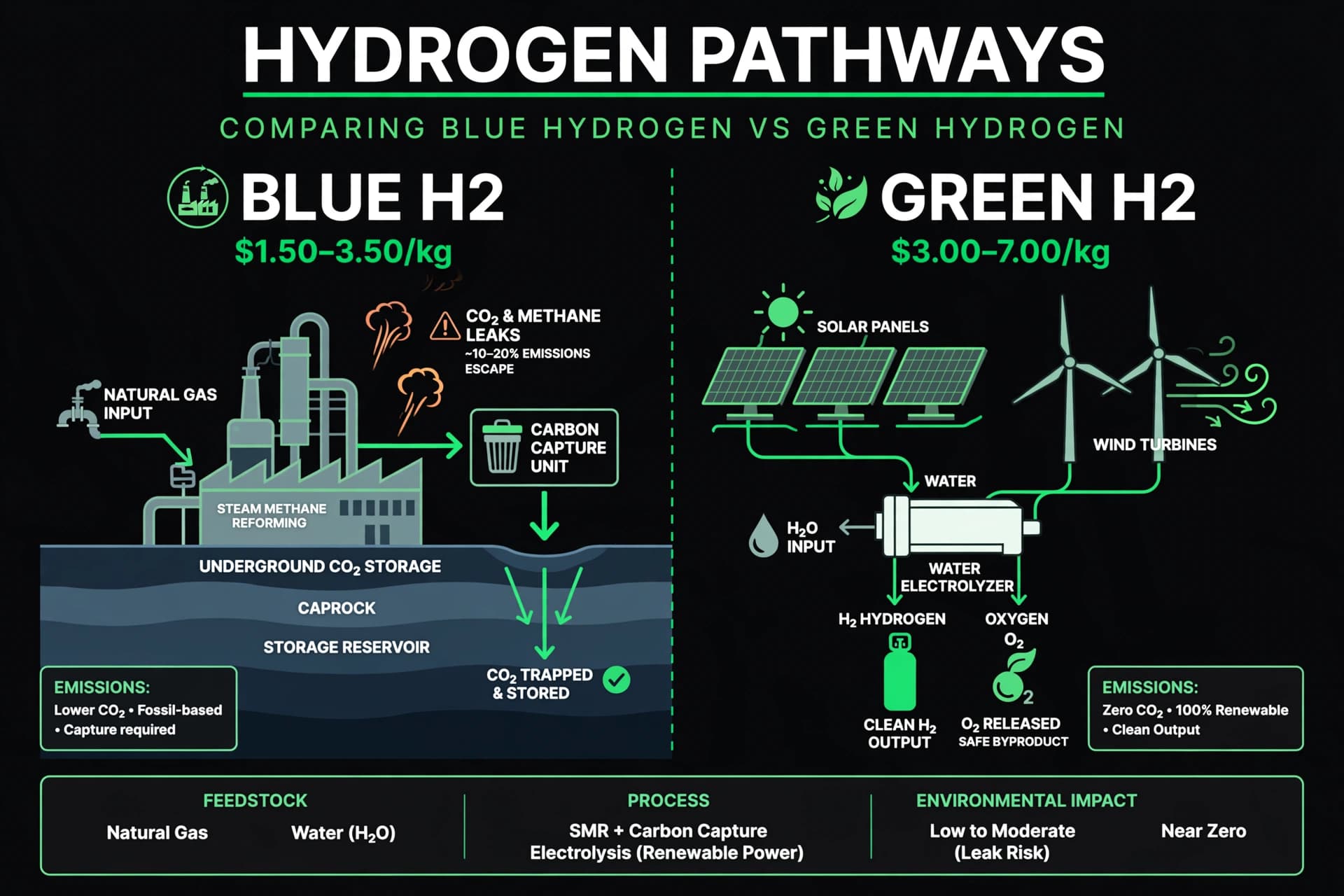
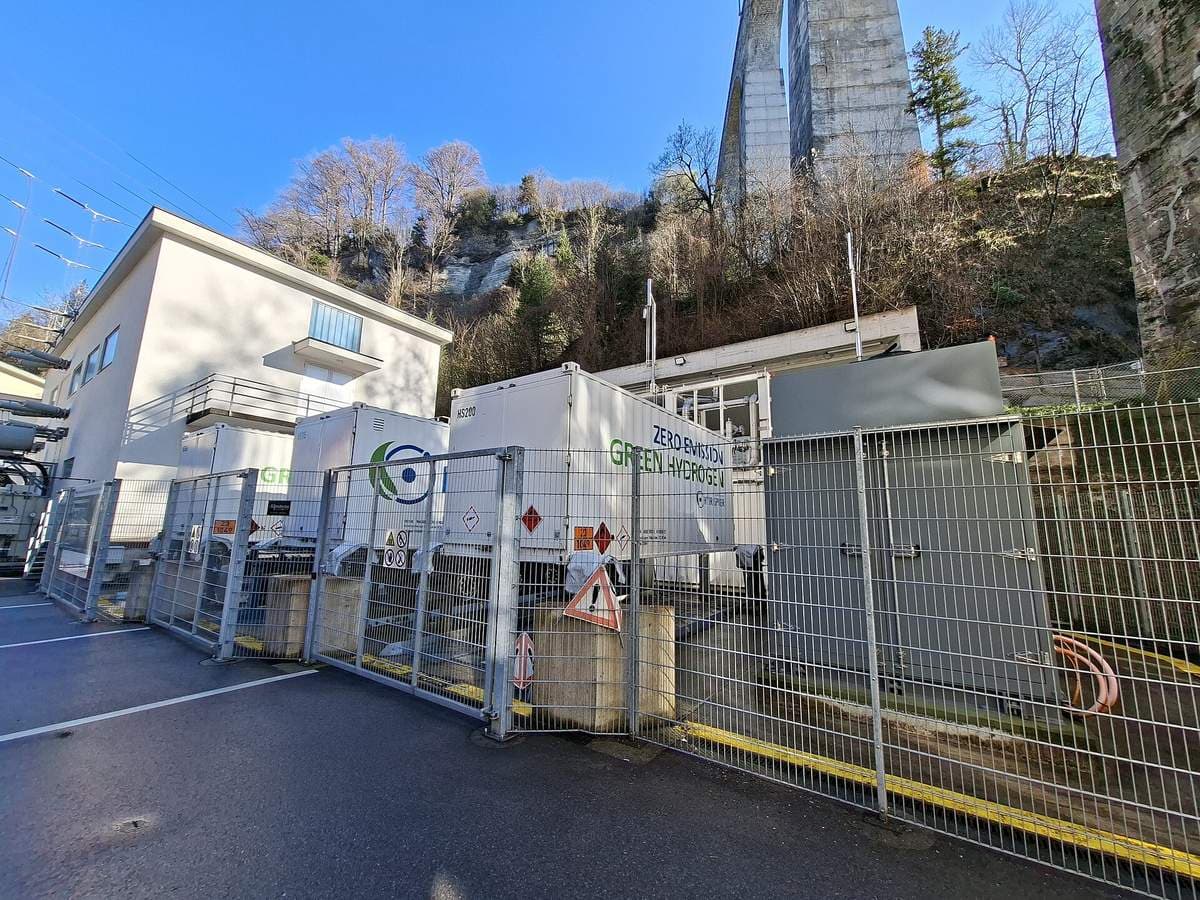
Each module would sit close to demand centers, converting locally available renewable electricity (including curtailed power that would otherwise go unused) into hydrogen via electrolysis, then combining it with sustainably sourced carbon dioxide into finished fuel. The hydrogen-economics backdrop is covered in our blue vs. green hydrogen cost and emissions comparison. Norway’s energy system, the companies note, is characterized less by a shortage of generation than by constraints in transmission and distribution; converting power into fuel close to the source relieves pressure on the grid while creating a storable reserve. Nel supplies the front end: alkaline and PEM electrolysers for renewable hydrogen production. Rheinmetall brings the plant concept, systems integration and what it calls experience in strategic infrastructure, plus, ultimately, the customer.
A different deal from ITM’s Hydropulse refinery project
Context matters, because Europe’s electrolyser makers have had a crowded October. One day before the Rheinmetall announcement, ITM Power’s Hydropulse subsidiary signed heads of terms for a 150 MW green hydrogen plant at a European oil refinery: a commercial, refinery-decarbonization deal built around ITM’s build-own-operate model, selling hydrogen as a service over a planned 10-year contract. The Nel–Rheinmetall agreement is an earlier-stage, non-binding deal aimed at military-grade fuel supply rather than industrial decarbonization.
The distinction is worth one clean sentence: ITM is trying to sell hydrogen by the decade to industry; Nel and Rheinmetall are exploring whether armies can manufacture their own fuel closer to home. Nel is also Rheinmetall’s market-specific partner for Norway, following Germany’s Sunfire (November 2025) and the UK’s ITM Power (April 2026), with e-fuel specialist Ineratec supporting the Fischer-Tropsch synthesis step. The pattern, local electrolyser champions per market, one defense integrator, suggests Rheinmetall is assembling a coalition it can take to governments, which it has already pitched the program to as a government-led concept.
Why Defense Is the Customer Hydrogen Has Been Waiting For
This is green hydrogen’s pivot from climate policy to hard-power logistics, and it reframes the economics debate the industry has been losing for two years. The global green-hydrogen buildout has stalled on a single problem: offtake. As we reported this week, NTPC is courting buyers across three continents for a green ammonia hub that remains, for now, a proposal with a marketing deck. Defense buyers change that equation fundamentally: a military does not need a 10-year bankable contract to justify fuel. It needs the fuel to exist. Governments have always subsidized energy-security stocks, from Cold War petroleum reserves to today’s strategic stockpiles; Giga PtX is a bid to extend that logic to synthetic production capacity.
The honest numbers keep the ambition grounded. One 50 MW Giga PtX module producing ~7,000 tonnes a year sounds substantial until you run the comparison: a “network of hundreds” of such plants implies multi-gigawatt of distributed electrolyser capacity: a genuine industrial program. But gasworld notes that e-diesel will still cost at least €2 per litre more than wholesale fossil diesel in 2030. This only works as long as governments are willing to pay an energy-security premium for military fuel. That is precisely the question Rheinmetall is posing to European capitals: will you fund domestic production the way you once funded crude stockpiles? The non-binding nature of the MoU tells you how far away the answer is.
Run the arithmetic one level further and the premium becomes concrete. Seven thousand tonnes of fuel is roughly 8.3 million litres; at a €2-per-litre premium, each module’s annual output carries on the order of €16–17 million in energy-security surcharge over fossil diesel. A 200-module network would therefore be asking European governments to underwrite roughly €3.3 billion a year in fuel premiums: real money, but the same order of magnitude as existing strategic petroleum reserve programs. That is the trade Rheinmetall is really proposing: a production capacity that can be switched on, rather than a stockpile that can only be drawn down.
“Countries that depend on long and vulnerable fuel supply chains face increasing uncertainty. We believe renewable hydrogen can play an important role in enabling more resilient fuel systems while reducing emissions,” said Kjell Christian Bjørnsen, CFO of Nel, in the announcement. Shena Britzen, Head of Hydrogen Program at Rheinmetall AG, added: “By working with Nel, we are exploring decentralised synthetic fuel solutions that can support both civilian and defence-related needs.”
Feasibility Studies, Pilot Plants, and the €3.3B Question
The immediate work is feasibility: site assessments, renewable power access studies, carbon-source mapping and priority use-case analysis, potentially followed by pilot plants to prove the modular design. The MoU commits neither company to construction. Further steps are subject to mutual agreement and ongoing assessments, and Rheinmetall has not put a deployment timeline on the record.
| Item | Detail |
|---|---|
| Agreement | Non-binding MoU, October 13, 2026 |
| Giga PtX module output | Up to 7,000 tonnes of drop-in fuel a year |
| Electrolyser makers in program | 3 (Nel third, after Sunfire and ITM Power) |
| Fischer-Tropsch step | Ineratec |
| E-diesel premium | ~€3.3 billion a year for European governments |
| Comparison deal | ITM Hydropulse 150 MW refinery plant, build-own-operate, 10-year hydrogen-as-a-service contract |
| Deployment commitment | None; no timeline on the record |
Watch for two signals: whether a Norwegian pilot site materializes within the next year, and whether any European government publicly attaches procurement funding to the concept. Until one of those happens, Giga PtX remains an architecture in search of an anchor customer.