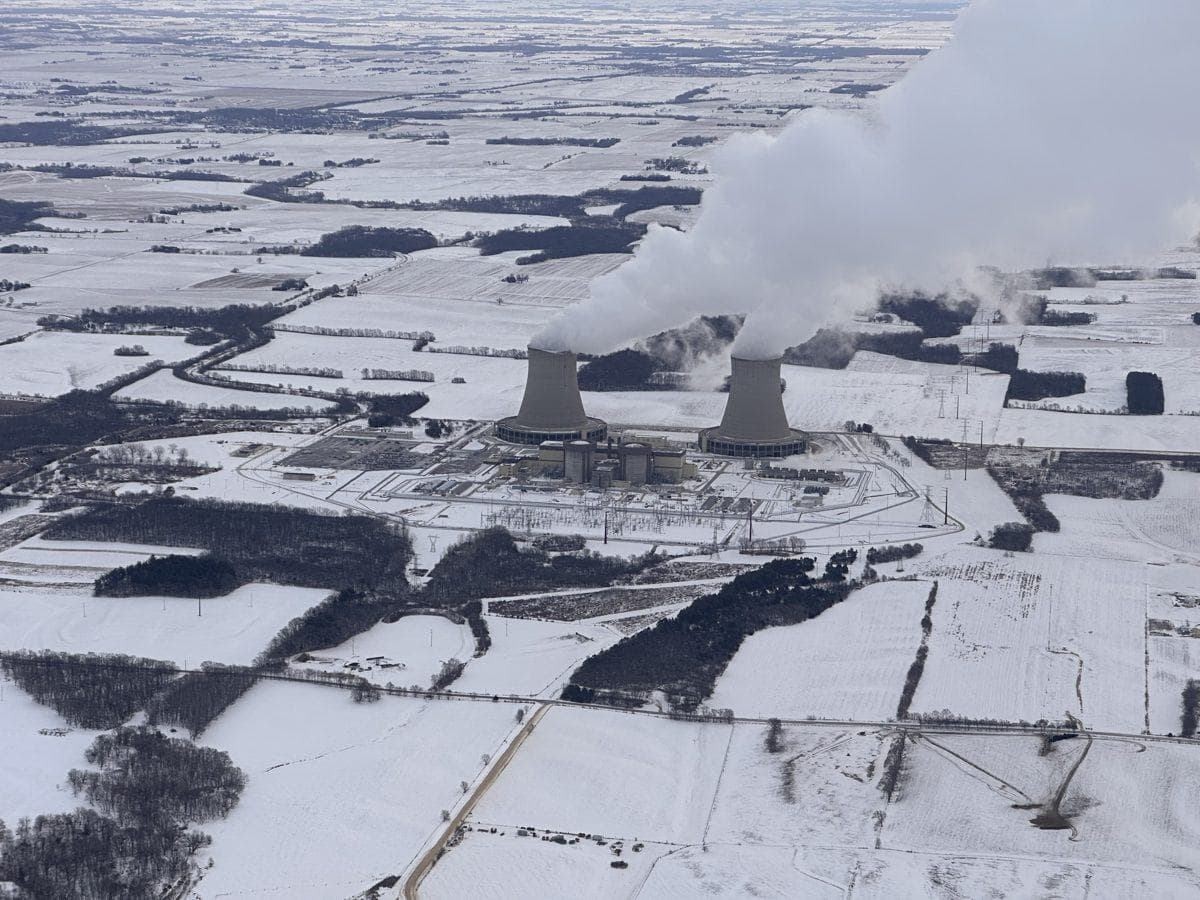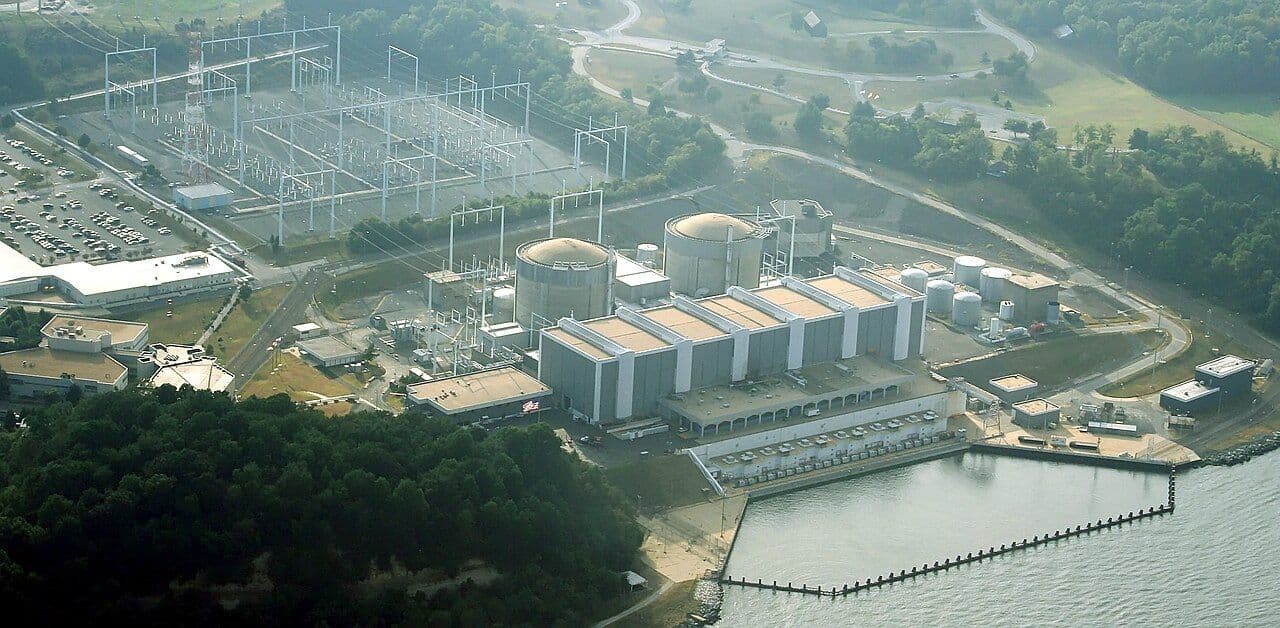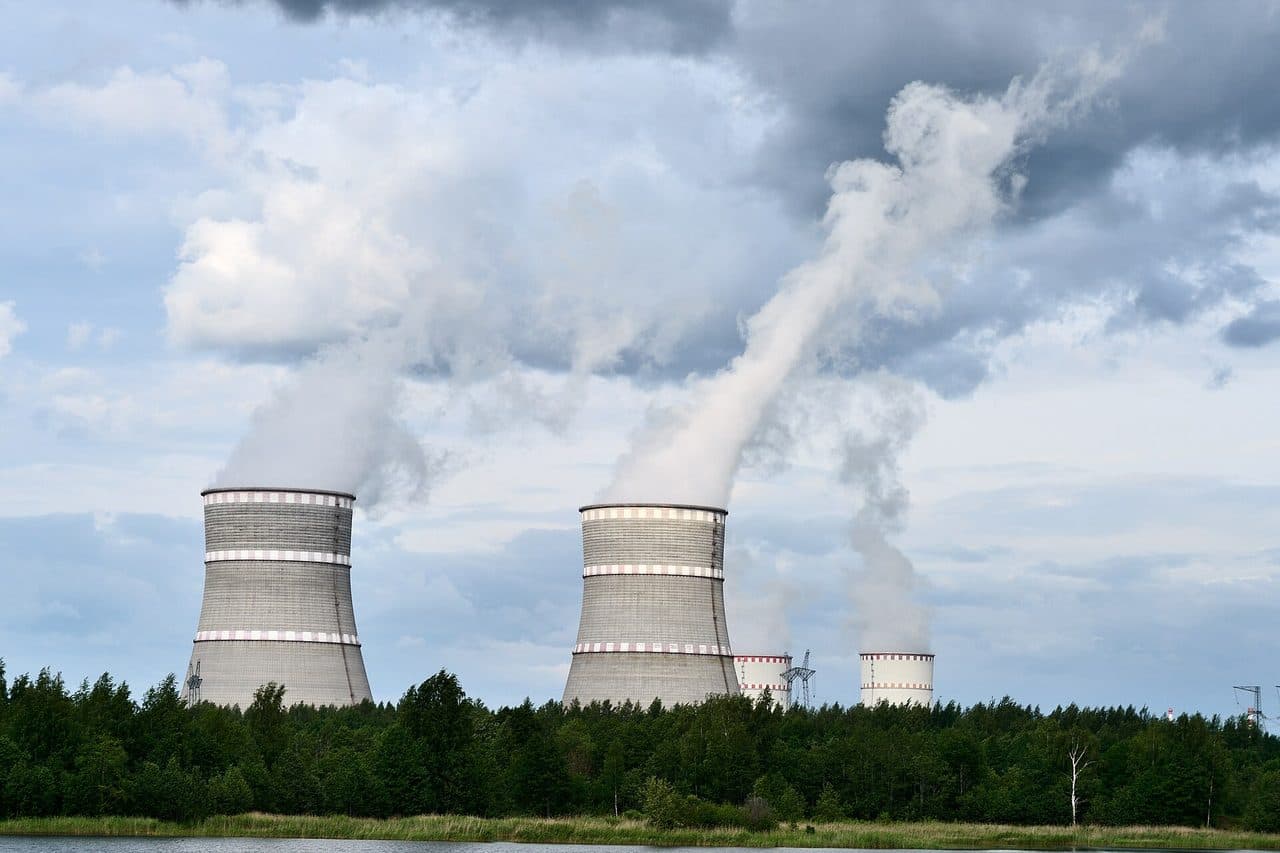
- The NRC issued a construction permit on 9 November 2026 for four Xe-100 reactors at Dow’s Seadrift chemical site in Texas, the first US permit for a gas-cooled reactor in nearly 60 years.
- The 320 MW Long Mott plant will supply electricity and high-temperature steam to the chemical complex, replacing energy and steam assets near the end of their life.
- The permit authorises construction only; a separate operating licence is still needed before fuel loading.
A chemical complex on the Texas Gulf Coast may soon draw its process heat from atoms instead of boilers. The permit clears a plant whose main product is industrial steam rather than grid power, sited inside a facility that has operated for decades, and it sets a licensing template other industrial users can follow. The Xe-100 construction permit names the Long Mott Generating Station at Dow’s UCC Seadrift Operations site as the location.
The plant will hold four X-energy Xe-100 reactors, each rated at 80 MWe and 200 MWt, for a combined 320 MWe and 800 MWt. Dow’s wholly owned subsidiary Long Mott Energy holds the permit. The project sits under the Energy Department’s Advanced Reactor Demonstration Program, and Dow and X-energy signed a joint development agreement for it in 2023. The four first-of-a-kind units are expected to provide clean industrial power to the site for 60 years.
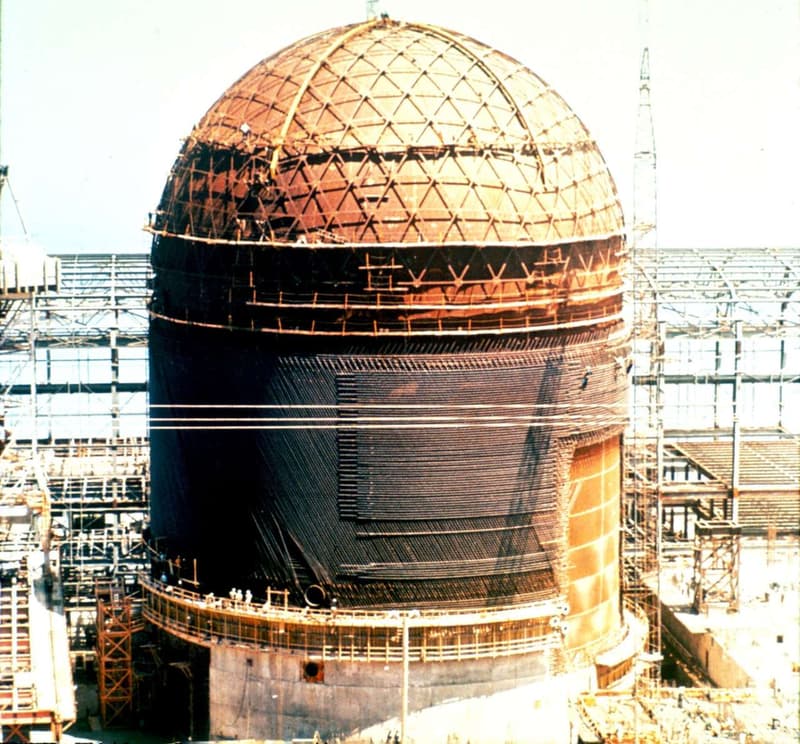
What the Xe-100 construction permit covers
The permit carries several firsts: the first advanced nuclear facility approved for an industrial site in the United States, the first NRC construction permit approval for a high-temperature gas-cooled reactor in nearly 60 years, and the first ever approval of a pebble-bed high-temperature gas-cooled reactor. It is also the NRC’s first approval of a multimodule advanced reactor facility and of a design with online refuelling.
The Xe-100 uses TRISO-X coated-particle fuel, which the US Department of Energy has described as “the most robust nuclear fuel on earth.” Each fuel particle carries its own containment for fission products, stable at very high temperatures, and the design relies on that passive physics plus traditional defence-in-depth systems. That safety profile is expected to support a 400-metre emergency planning zone, against 10 miles for conventional light-water reactors.
Steam is the point of the project. The Seadrift complex needs high-temperature steam for chemical production, and the Xe-100 plant will deliver it alongside electricity, replacing energy and steam assets near their end of life. Nuclear power has spent seventy years selling electricity to grids. Long Mott sells heat to a factory.
A 400-metre safety zone changes where reactors can sit
The emergency planning zone is the number that makes this siting plausible. A conventional light-water reactor carries a 10-mile planning zone, about 16 kilometres. The Xe-100 is expected to need only 400 metres. A Joule Post calculation from those two figures gives a radius roughly 40 times smaller, and since land area scales with the square of the radius, a planning area roughly 1,600 times smaller: a 10-mile circle covers about 800 square kilometres, a 400-metre circle about half a square kilometre. That difference lets a reactor sit inside a working industrial site rather than on a remote plot with a large exclusion area around it.
The design helps in a second way. Pebble-bed reactors, the class covered in our guide to what a small modular reactor is, refuel online, feeding fresh fuel spheres in while the reactor runs, so the plant avoids the long refuelling outages that take conventional reactors offline for weeks. For a chemical site that needs steam around the clock, that continuity is worth as much as the capacity itself.
The permit timeline ran ahead of schedule
Dow submitted the construction permit application for the Dow Seadrift nuclear plant in March 2025, with X-energy as technical and licensing lead. The NRC docketed it in June 2025 on an 18-month review schedule, issued its Final Safety Evaluation Report on 30 October 2026, and granted the permit on 9 November, slightly ahead of schedule. NRC Chairman Ho K. Nieh said: “Today, the new NRC is issuing America’s first construction permit for a high-temperature gas-cooled reactor in more than half a century. We delivered on the 18-month schedule, proving we can do rigorous safety reviews on predictable timelines that move advanced nuclear technology from design to construction.”
The permit does not commit Dow to build. The company is expected to consider a preliminary investment decision in 2027, and full-scale construction would begin only after a final investment decision by Dow’s board. Construction could begin later this decade, with start-up early next decade and first delivery targeted for the early 2030s. In the meantime the companies will finalise the design, mature the supply chain for long-lead components, and prepare an operating licence application. X-energy chief executive J. Clay Sell said the milestone “is further validation of the XE regulatory approach that can be replicated across our growing commercial pipeline, giving our customers greater confidence in the regulatory process and a clearer path to deployment.”
Dow’s Edward Stones, business vice president for energy and climate, called it “a testament to the thoughtful, thorough and efficient review conducted by the NRC,” and said Dow will keep evaluating the project on “competitiveness, execution readiness, and capital affordability before any decision regarding construction is made.”
Two SMR flagships moved in opposite directions
The same week Long Mott won its permit, the other flagship small modular reactor project in North America slipped. Ontario Power Generation said on 11 November that the first BWRX-300 unit at Darlington will no longer meet its October 2030 commercial operation target or its C$7.7 billion (Canadian dollars) cost estimate, about US$5.4 billion. OPG expects to complete a revised cost and schedule assessment by mid-2027, and it blamed GE Vernova Hitachi’s ongoing first-of-a-kind engineering, with effects on construction and the supply chain.
| Project | Long Mott, Texas | Darlington Unit 1, Ontario |
|---|---|---|
| Reactor | Xe-100 high-temperature gas-cooled, pebble bed | BWRX-300 water-cooled, natural circulation |
| Capacity | 4 units, 320 MWe total | 1 unit, 300 MWe |
| Customer and use | Dow chemical site: electricity plus high-temperature steam | Ontario grid: electricity |
| Regulator | US NRC, construction permit 9 Nov 2026 | Canadian Nuclear Safety Commission, licence to construct April 2025 |
| Status | Permit issued; investment decision expected 2027; no cost estimate disclosed | Under construction; October 2030 date and C$7.7bn estimate no longer expected to hold |
| Review record | 18-month NRC review delivered slightly ahead of schedule | First-of-a-kind engineering overruns under assessment until mid-2027 |
Darlington is a grid plant already under construction, carrying first-of-a-kind engineering risk in concrete and steel. Long Mott is an industrial heat plant still on paper, carrying its risk in the investment decision ahead of it. Licensing speed and construction cost are different problems, and Long Mott has solved only the first so far. Our earlier coverage of BWXT’s Cambridge expansion and the Darlington delay sets out the Canadian project’s background.
What the first industrial-site permit means for US nuclear
The permit matters most as a precedent. The NRC has now found that an advanced reactor can be safely sited and built inside an operating industrial site, and the review produced a licensing record that X-energy says will make future Xe-100 applications more efficient. Long Mott would be the first industrial nuclear plant in the US. If the precedent holds, the next industrial customer faces a shorter path than Dow did.
Three caveats keep the story honest. First, the permit authorises construction. Operation needs a separate licence, and fuel loading cannot begin until that licence is granted. Second, Dow has made no final decision to build, and no cost estimate for the project appears in the release, so the price of industrial nuclear heat remains unknown. Third, the 60-year operating life and early-2030s delivery date are targets, and first-of-a-kind projects have a record of missing targets, as Darlington showed. The permit is a genuine milestone, and it is the start of the project rather than its completion. Spent fuel from the eventual plant would join the inventory already stored at US reactor sites, covered in our explainer on spent fuel storage pools and dry casks.
Sources
- Dow, X-energy Proposed SMR Project Receives Historic Construction Permit for Nuclear-Powered Industrial Site, X-energy / Dow, 9 November 2026
- US issues landmark construction permit for Texas SMR plant, World Nuclear News, 10 November 2026
- OPG set to revise timeline and cost of first SMR unit, World Nuclear News, 11 November 2026