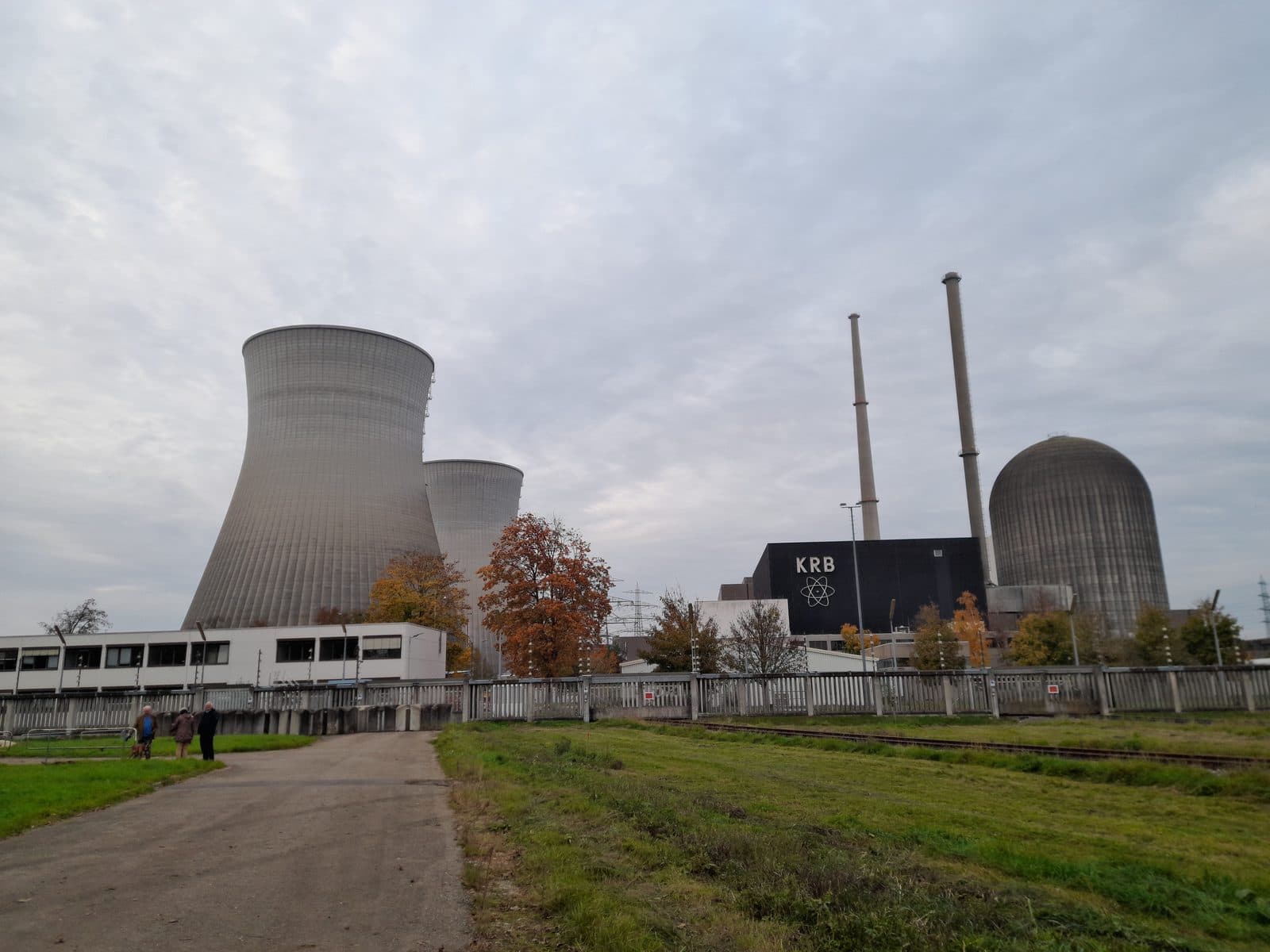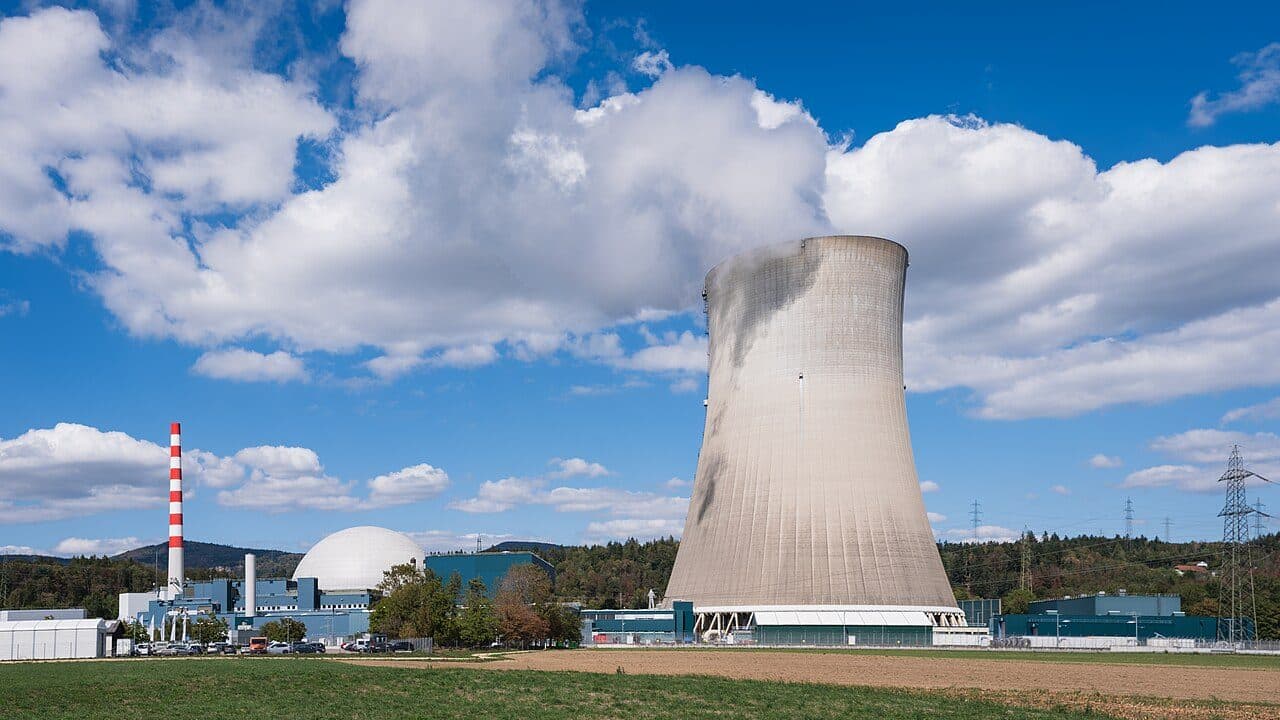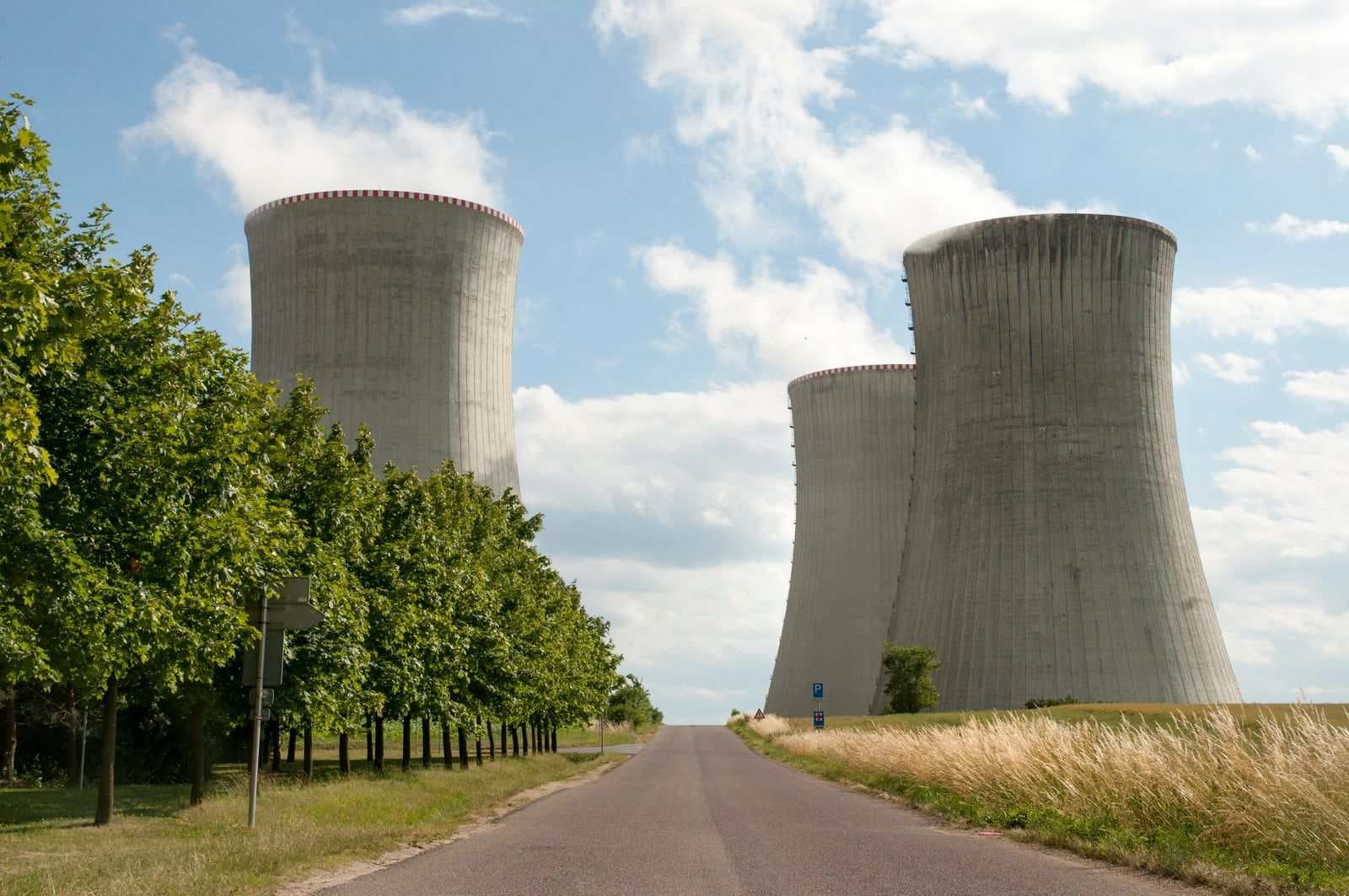
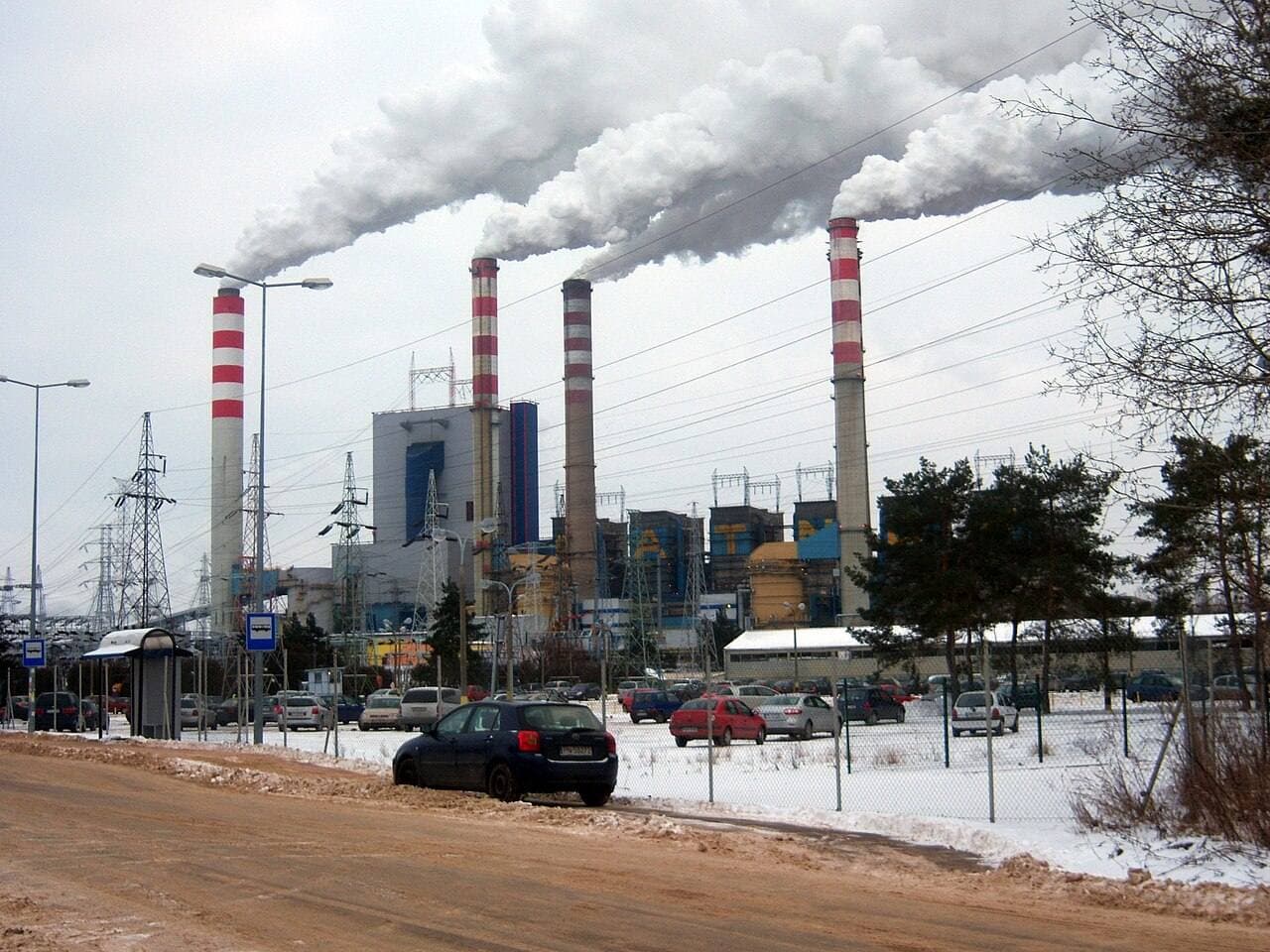
- ZE PAK and Synthos Green Energy (SGE) signed an October 13 agreement to form a joint venture that would build up to six GE Vernova Hitachi BWRX-300 small modular reactors (1,800 MW in total) on the site of ZE PAK’s existing coal plant at Pątnów, Poland.
- The structure blends land rights contributed to the venture with a PLN 300 million land sale payable between 2028 and 2030, plus a €100 million put option letting ZE PAK’s project vehicle sell its stake if milestones are hit within five years.
- If completed, the six-unit plant would rank among Europe’s largest SMR commitments to date, and it would make Pątnów the flagship deployment site for the BWRX-300 design now being built in Canada and permitted in the United States.
Poland’s SMR nuclear ambitions just moved from strategy documents to a signed contract. On October 13, SGE and ZE PAK agreed to establish a joint venture to build a nuclear power plant at Pątnów, Poland, housing up to six BWRX-300 small modular reactors, a combined 1,800 MWe of capacity on ground that today belongs to a coal-fired power station. The deal, reported by World Nuclear News, repurposes an operating coal site for nuclear generation, the deployment model SMR developers now treat as their default route to market.
Under the agreement, ZE PAK contributes land rights to the joint venture, with the option to remain as a minority shareholder or sell its stake to SGE. Part of the land is transferred as an in-kind contribution; the rest is being sold to the venture for up to PLN 300 million net, with payments scheduled between 2028 and 2030, according to Nuclear Engineering International’s account of the deal’s economics. A further clause gives ZE PAK’s project vehicle a put option to sell its project stake for €100 million if development milestones are met within five years of the special-purpose vehicle’s formation. SGE founder Michał Sołowow and ZE PAK president Piotr Żak both publicly backed the project in comments carried by World Nuclear News.
The Pątnów deal in detail
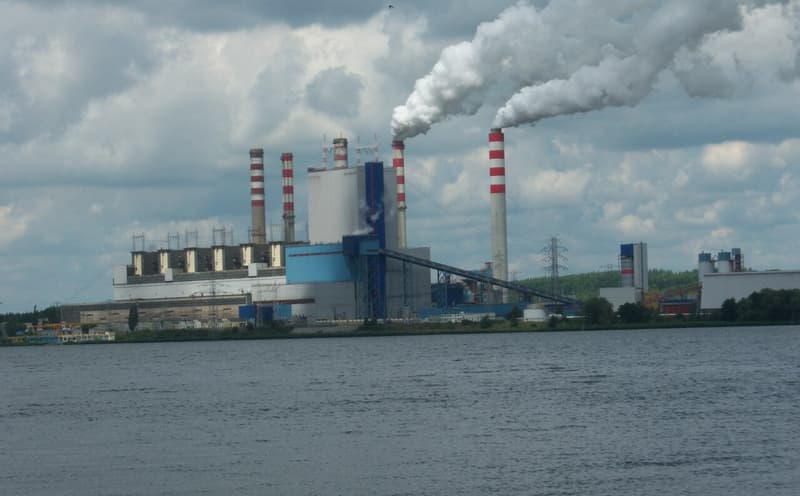
The agreement’s architecture is worth reading closely, because it solves the two problems that kill most SMR projects: site control and money. ZE PAK, Poland’s second-largest lignite power producer, controls the land, the grid connection, and the local workforce pipeline at Pątnów, assets that would take a greenfield developer a decade to assemble. By contributing land rights directly into the joint venture, the coal company becomes a partner with skin in the game rather than a seller cashing out.
At the same time, ZE PAK is hedging. The PLN 300 million land sale (roughly $81 million at a recent ~0.27 USD/PLN rate) converts part of its coal-era real estate into cash on a 2028–2030 schedule, while the €100 million put option functions as a floor: if the nuclear project reaches its development milestones within five years, ZE PAK can exit at a fixed price. It is an unusually explicit allocation of development risk between the coal incumbent and the nuclear newcomer, and it suggests both sides have modelled the scenario where Poland’s first SMRs arrive late, an industry habit worth keeping.
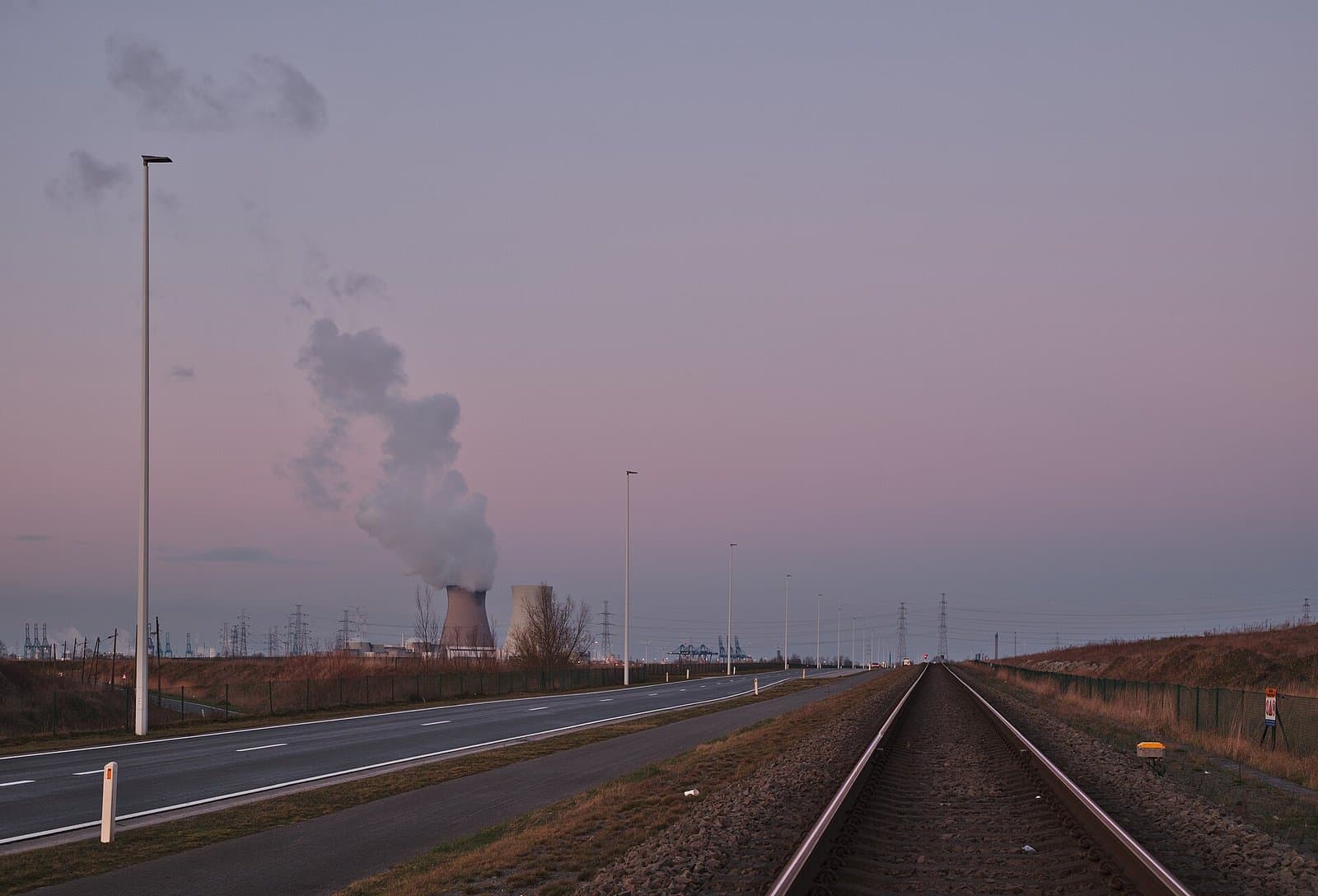
The choice of Pątnów is no accident. The site sits in Poland’s lignite heartland, where coal plants have anchored local employment for generations. Converting it to nuclear preserves the economic identity of the place while retiring the emissions, a political argument that has carried coal-to-nuclear projects from Wyoming to its counterparts in Central Europe.
Why coal-to-nuclear is the SMR industry’s favourite playbook
The BWRX-300 is a 300 MW boiling-water reactor designed to be built in multiples on a compact footprint. The reason developers keep gravitating toward retired or retiring coal sites is brutally practical: the transmission lines already exist, the cooling-water rights are already permitted, the local community already accepts a power plant as a neighbour, and the workforce already understands shift work at an energy facility. Every one of those items is a multi-year permitting battle on a greenfield site.
Pątnów goes one step further by building alongside an operating coal plant rather than a retired one, so the transition happens in place, without a gap in the region’s economic base. For Poland, which generates the bulk of its electricity from coal and has committed to a nuclear buildout as its exit strategy, the symbolism is matched by arithmetic: six BWRX-300 units would add 1,800 MWe of firm, dispatchable capacity exactly where the grid already expects a large generator to sit.
The BWRX-300: where Poland’s SMR nuclear fleet fits in
The Pątnów order is large precisely because the BWRX-300’s track record is still being written. The first unit of the design is under construction in Canada at Ontario Power Generation’s Darlington site, a single 300 MW machine. Across the Atlantic, the US Nuclear Regulatory Commission issued a construction permit on September 29, 2026 for a first BWRX-300 at the Tennessee Valley Authority’s Clinch River site, as Joule Post reported: again, a single unit.
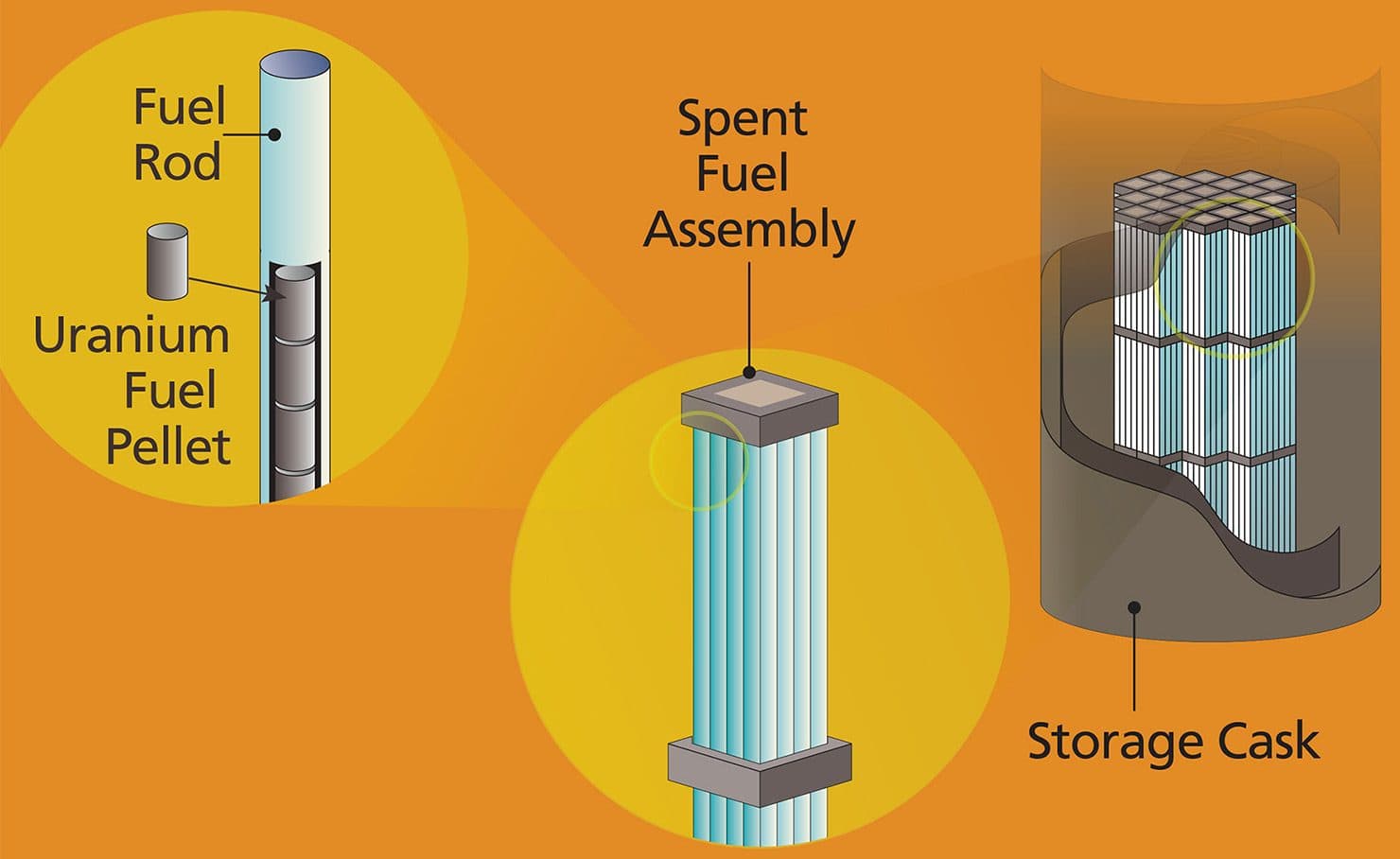
Six units at Pątnów would be an order of magnitude jump: the first multi-unit BWRX-300 commitment anywhere, and the first on European soil. The design’s fuel story is simpler than the advanced-reactor crowd’s: it runs on standard low-enriched uranium, sidestepping the HALEU supply bottleneck that Thorizon and Urenco are racing to solve for their molten-salt reactors. That fuel simplicity is part of why the BWRX-300 has moved faster than most competitors from design to dirt.
A fifth of a Tianwan on a coal site
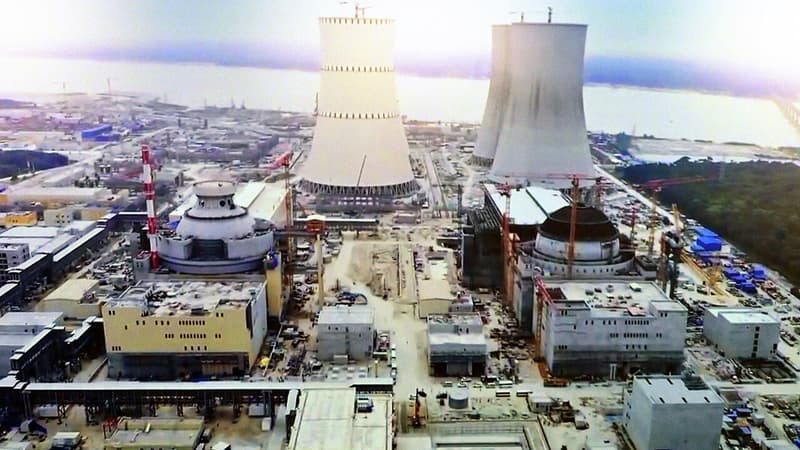
Start with the arithmetic, because it frames everything else. Poland’s planned 1,800 MWe at Pątnów is roughly one-fifth the size of what will be the world’s largest nuclear station, China’s Tianwan plant, which connected its seventh unit to the grid on October 8 and will total 9,138 MWe across eight reactors. A single coal-site conversion in Poland delivering a fifth of a Tianwan is a serious contribution to a national grid, not a pilot.
The more telling comparison is with the SMR industry’s other flagship commitments. Oklo’s planned 16-reactor campus in Ohio targets about 1,200 MW across advanced reactors that have not yet been built anywhere. Pątnów’s 1,800 MW uses a licensed, under-construction design and sits on a permitted industrial site with transmission already in the ground. On the spectrum from announcement to operating plant, a six-unit order at a coal site with a defined land-and-cash structure is further along than most of the industry’s paper fleets.
There is also a workforce dimension the industry keeps underestimating. Building and operating six reactors will need thousands of engineers Poland does not yet have in surplus, the same talent bottleneck that has reactor developers funding university programmes in the United States. The five-year milestone clock on ZE PAK’s put option will, in practice, measure how fast that human supply chain can be assembled as much as how fast concrete can be poured.
| Item | Detail |
|---|---|
| Parties | SGE and ZE PAK joint venture |
| Reactors | Up to six GE Vernova Hitachi BWRX-300 (300 MW each) |
| Total capacity | 1,800 MWe |
| Site | ZE PAK’s operating coal plant at Pątnów, Poland |
| Land deal | Rights contributed in-kind; remainder sold for up to PLN 300 million net (~$81 million), payable 2028–2030 |
| Put option | ZE PAK’s project vehicle can sell its stake for €100 million if milestones are met within five years of SPV formation |
| Reference builds | Darlington, Canada (one unit under construction); Clinch River, US (construction permit issued 29 September 2026, one unit) |
From framework agreement to building site: the two hurdles
The immediate steps are corporate rather than nuclear: forming the special-purpose vehicle, completing the land transfers, and locking in the joint venture’s governance. The five-year milestone clock starts with the SPV’s formation, so the calendar for the first real test, whether the project vehicle can clear its development gates, is already ticking. Among nuclear SMR companies competing for European orders, a six-unit commitment at a prepared coal site is the reference order every vendor is chasing, and Pątnów just put it on the table.
Watch for two signals. First, whether the JV converts the framework agreement into engineering and construction contracts with GE Vernova Hitachi: the point where the project moves from balance sheets to building sites. Second, the licensing path through Poland’s National Atomic Energy Agency, which has never licensed an SMR before. The design is licensed and building elsewhere, but the regulator’s first review of any reactor type is never quick. If Pątnów clears both hurdles, it becomes the template every coal-to-nuclear developer in Europe will copy.