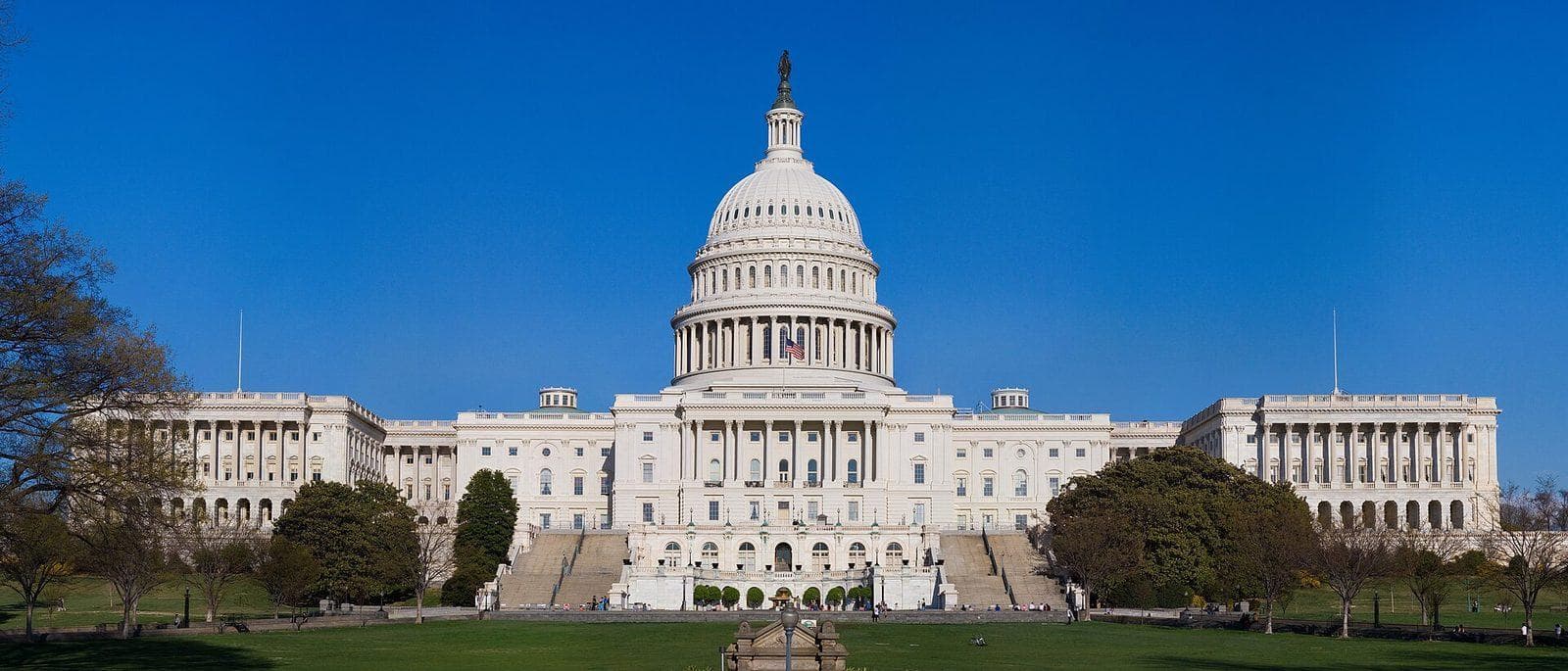
- The Senate passed the Bipartisan American Affordability and Jobs Act 62-33 on November 19, 2026. Fifteen Democrats joined most Republicans; two Republicans voted no.
- The bill overhauls federal environmental reviews under NEPA, the Clean Water Act and the Endangered Species Act, and makes data centers pay for the grid upgrades they need.
- The House, which passed a narrower version last year, decides next. The bill’s future is uncertain with the legislative window shrinking.
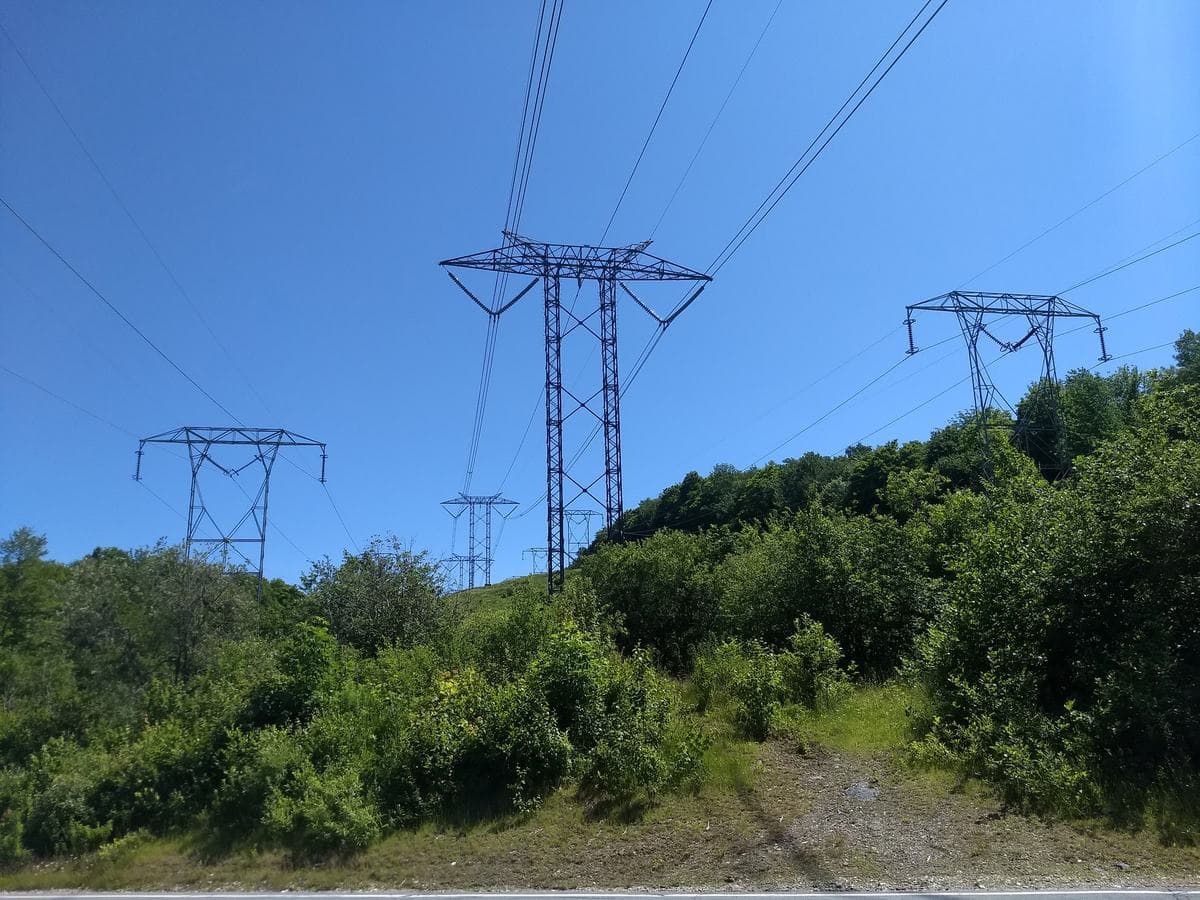
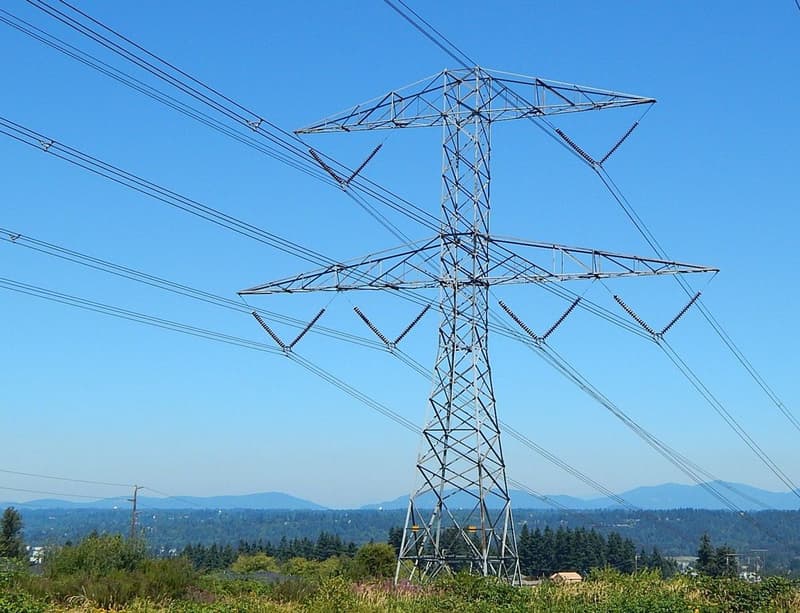
The lower chamber of Congress now decides whether the most significant overhaul of federal project approvals in years becomes law or dies in the final weeks of the session. Its members must choose between the text the upper chamber approved, the narrower version they approved themselves last year, or letting the session end empty-handed. The choice matters more than anywhere else for transmission lines, the bottleneck for wind and solar across much of the country, which are also the projects most often trapped in multi-year federal review.
The bill’s four authors span both parties: Republican Senators Mike Lee of Utah and Shelley Moore Capito of West Virginia, who chair the energy and environment committees, and Democratic Senators Martin Heinrich of New Mexico and Sheldon Whitehouse of Rhode Island, the ranking members. Their deal targets a problem both parties describe the same way: federal environmental reviews of energy projects often take five years or more, while demand from data centers and electrification keeps rising. “In America today, it takes too long and costs too much to build,” said Senator John Barrasso of Wyoming, the chamber’s second-ranking Republican. “Energy projects that would help lower prices remain frozen for years.”
What the 500-page bill changes
BAAJA rewrites the federal permitting system across several bedrock laws. It streamlines reviews under the National Environmental Policy Act, which requires agencies to weigh a project’s environmental effects and hear from the public before approval. It changes the Clean Water Act and the Endangered Species Act, and it limits judicial review of project approvals, the lawsuits that can add years to a project after the permits are issued. The bill covers pipelines, mines, power plants, transmission lines and data centers, and its supporters say it will shorten the timeline to start big energy projects of every kind.
The data center provisions are the most politically charged part of the package. The bill makes sure data centers pay for the energy they use and for the grid infrastructure their demand requires, rather than passing those costs to households and small businesses. Senator Jon Husted of Ohio, who voted for the bill, pointed to language he negotiated to protect Ohio families, farmers and small businesses from footing the bill for data center energy costs. Anger over data centers and rising electricity prices helped drive a wave of Democrats who pledged to clamp down on the energy-hungry facilities, and the bill’s cost-allocation rules were the price of their support.
Support in the Senate eroded across the series of votes on the nearly 500-page text. The first vote on November 9 passed 73-25. The final vote was 62-33, with 15 Democrats, including Senate Minority Leader Chuck Schumer, voting yes, and two Republicans, Josh Hawley of Missouri and Mike Rounds of South Dakota, voting no. Majority Republicans blocked votes on a series of last-minute amendments, including one from Oregon Senators Jeff Merkley and Ron Wyden that would have banned data centers on public land. In the end the measure passed without amendments offered by rank-and-file senators.
| Vote | Date | Result | What changed |
|---|---|---|---|
| First procedural vote | November 9, 2026 | 73-25 | Broad support at introduction |
| Final passage | November 19, 2026 | 62-33 | 11 votes lost as amendments were blocked |
| Democrats voting yes | November 19, 2026 | 15, including Schumer | About a third of the caucus |
| Republicans voting no | November 19, 2026 | 2: Hawley, Rounds | Both voted no |
Why clean energy groups split over the bill
The bill’s clean energy supporters and its environmental critics describe the same text in opposite terms. Industry groups representing clean energy and oil and gas developers back the bill as a way to deliver more electricity to the grid and avoid delays that can stretch a decade or more. The bill’s sponsors say it will speed up wind and solar projects and transmission lines as much as it speeds up gas pipelines. Senator Lee told colleagues that starting next year, the average American family would save “at a minimum, hundreds of dollars every year on their electric power bill,” and one estimate cited in coverage of the bill put the household saving at US$178 to US$251 a year.
Environmental organizations read the same provisions as a rollback. The Sierra Club and the National Wildlife Federation oppose the bill, citing the limits on judicial review and the changes to NEPA and other laws. Jen Duggan, executive director of the Environmental Integrity Project, called it “a gift to some of the biggest polluters in America” and said it would pave the way for more gas power plants for data centers, oil and gas pipelines and liquefied natural gas terminals while weakening public health and environmental protections. Critics also complained that the bill moved through a lame-duck Congress without public hearings or sufficient debate.
The split ran inside the Democratic caucus as well. Senator Merkley, who pushed the amendments that never got a vote, said the bill promotes fossil fuels alongside renewables. “Getting more renewable electrons where they are needed doesn’t tackle climate change if you simultaneously promote the burning of more fossil fuels,” he said. Senator Whitehouse, a longtime climate hawk who co-authored the bill, called it “the floor, not the ceiling” of the party’s climate ambitions, and said he hopes to accomplish more with larger Democratic majorities over the next two years. Senator Alex Padilla of California voted no despite authoring many of the transmission provisions, saying the bill would “irreparably harm California and the 109 federally recognized tribes who call California home.” Former Energy Secretary Jennifer Granholm said she understood those concerns but believed the sponsors’ changes strengthen tribal consultation and restore state authority over water quality.
What the House vote means for solar, wind and transmission
The practical question for the energy transition is what the bill does to the projects actually waiting. Transmission lines are the bottleneck for wind and solar in most of the country, and they are the projects most often trapped in multi-year federal review. A bill that shortens NEPA review and limits post-approval lawsuits helps a transmission developer the same way it helps a pipeline developer, which is why the clean energy industry backed it and environmental groups object to the trade. Faster federal review removes one delay among several; it does not by itself fix grid queues or state siting fights.
Nuclear projects face the same bottleneck. The Nuclear Regulatory Commission granted a construction permit in November for four Xe-100 small modular reactors at Dow’s Texas industrial site, the first approval of its kind for advanced nuclear at an industrial location, as we reported in our coverage of the NRC Xe-100 construction permit. BAAJA’s review limits would apply to future reactors as well as to renewables.
The House is the next test. It approved a more limited, industry-friendly version of permitting reform last year, and the Senate bill now goes to a chamber that has already staked out a different position. If representatives change the Senate text, the Senate must vote again before the bill reaches President Trump, who has urged approval. With the window shrinking, Senator Lee urged his House colleagues to send the legislation to the president’s desk without delay. Whether the 62-vote Senate coalition survives a House rewrite will decide if the bill becomes law or another near-miss. Joule Post first covered this bill when it was introduced in October; our report on the original permitting reform proposal sets out the 150-day litigation clock the Senate has now passed.
Sources
- Senate approves bill to speed up permitting reviews, force data centers to pay for energy costs, Associated Press via Barchart, 19 November 2026
- Senate Resoundingly Passes Chairman Lee’s Landmark Bipartisan American Affordability and Jobs Act, U.S. Senate Committee on Energy and Natural Resources, 19 November 2026
- Senate OKs bill to speed energy projects, make data centers pay their way, USA Today, 19 November 2026
- Husted-backed package to advance America’s permitting process, lower energy costs passes Senate, Office of Senator Jon Husted, 19 November 2026