
Explained
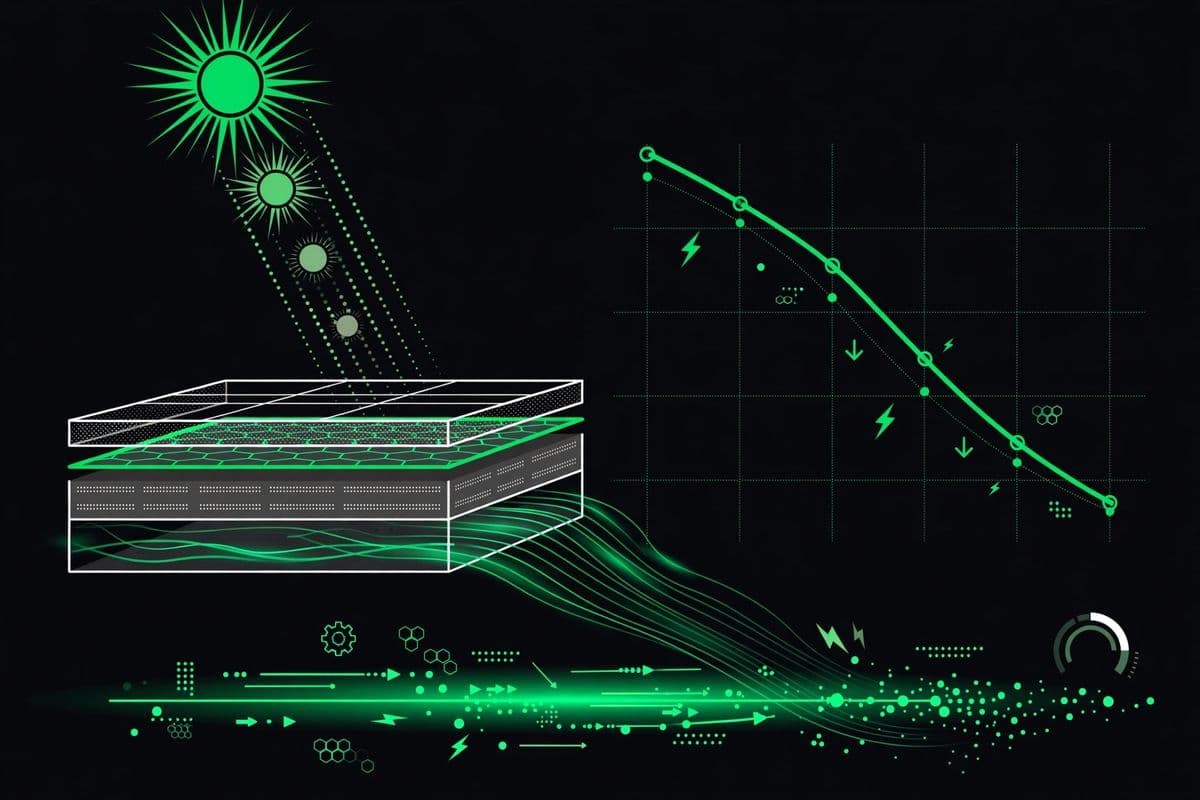
Solar Panel Degradation Rate Runs Near 0.5% a Year
Solar panels fade at about 0.5% a year after a larger first-year drop, so a 400-watt panel still delivers roughly 350 watts after 25 years…
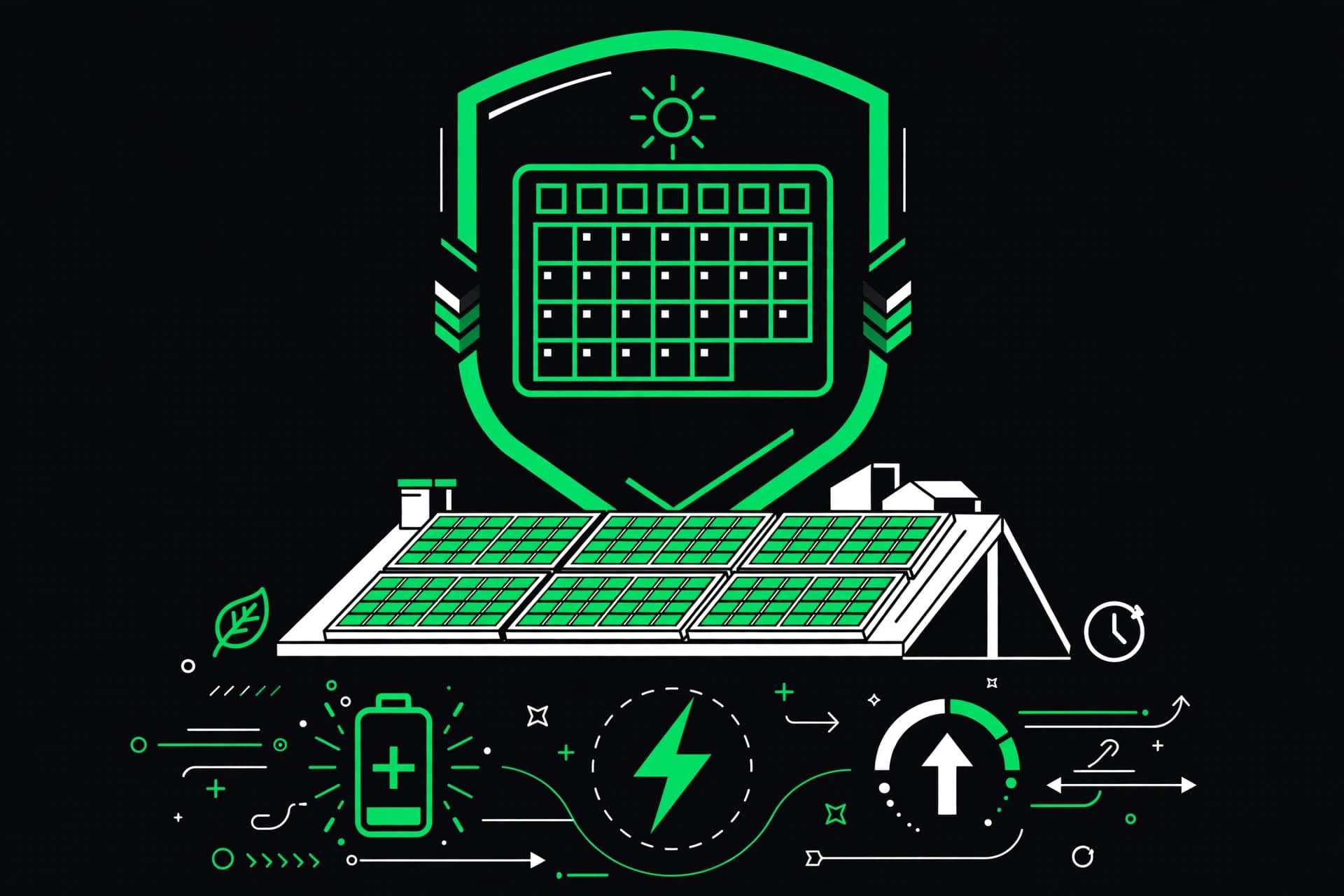
A 25-Year Solar Panel Warranty Covers Three Different Clocks
Most panels carry a 25-year performance warranty, while product cover runs 12 to 40 years by model and workmanship cover is a separate…

Hydrogen Cars Carry 42 California Stations Against 263,141 EV Charging Ports
California had 42 open retail hydrogen stations in September 2026 against 263,141 electric charging ports nationwide, and that gap decides…
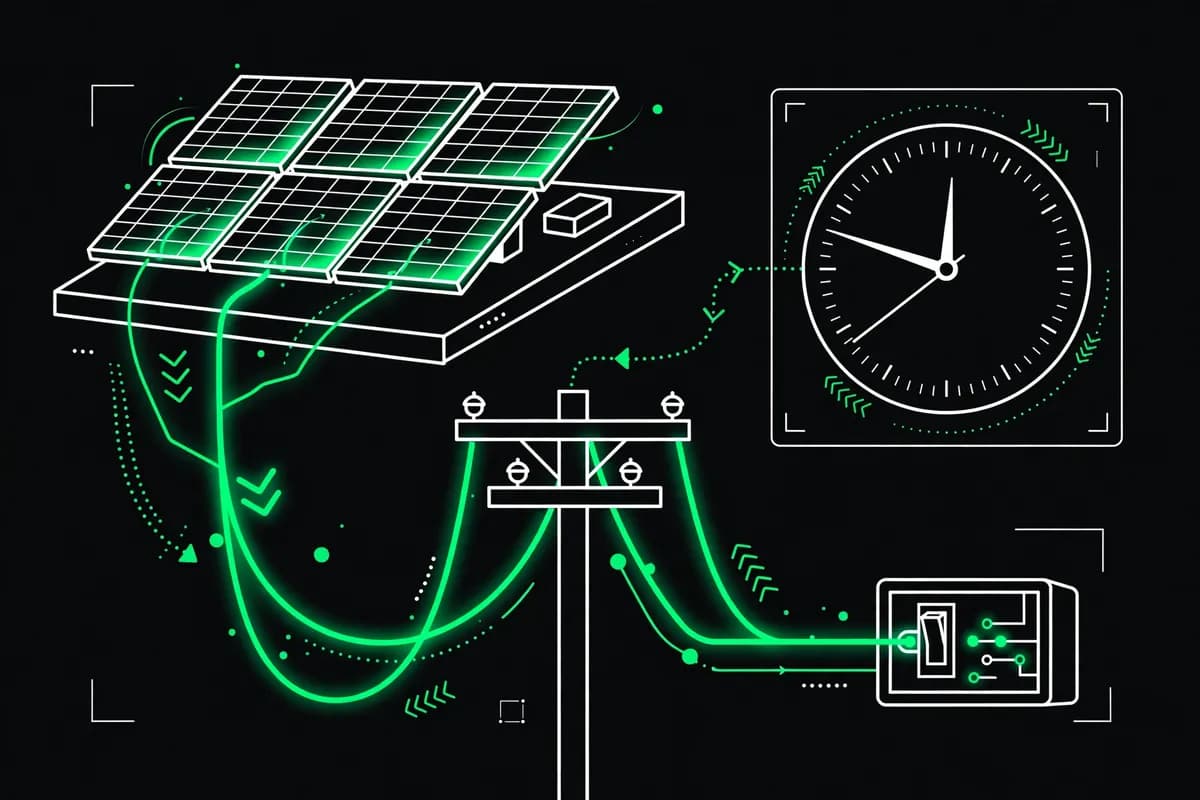
US Solar Installs Waited 63 Business Days on Average to Switch On
NREL’s 2015 study measured 63 business days from interconnection application to permission to operate, while the physical install took just…
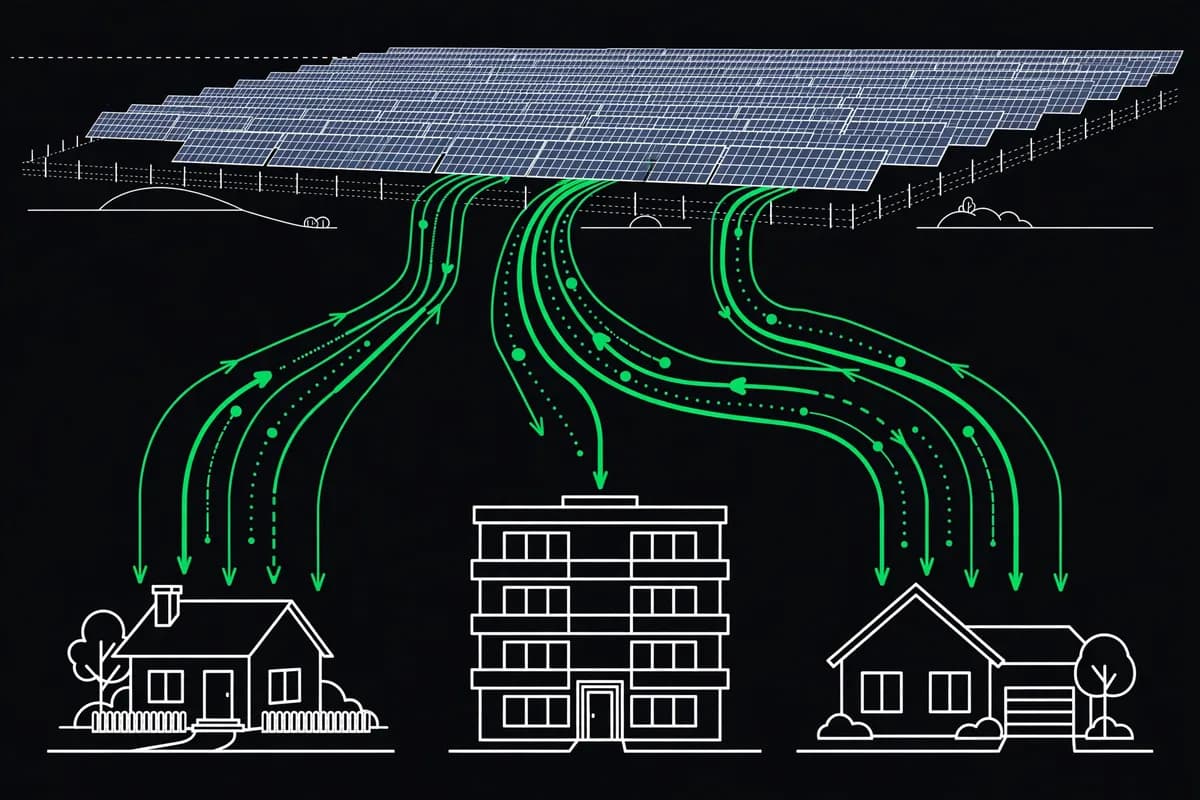
Community Solar Cuts Bills 5 to 25 Percent for Homes That Cannot Host Panels
NREL analysis puts community solar savings at 5 to 25 percent of the bill, with no panels, no roof, and no upfront payment in most…
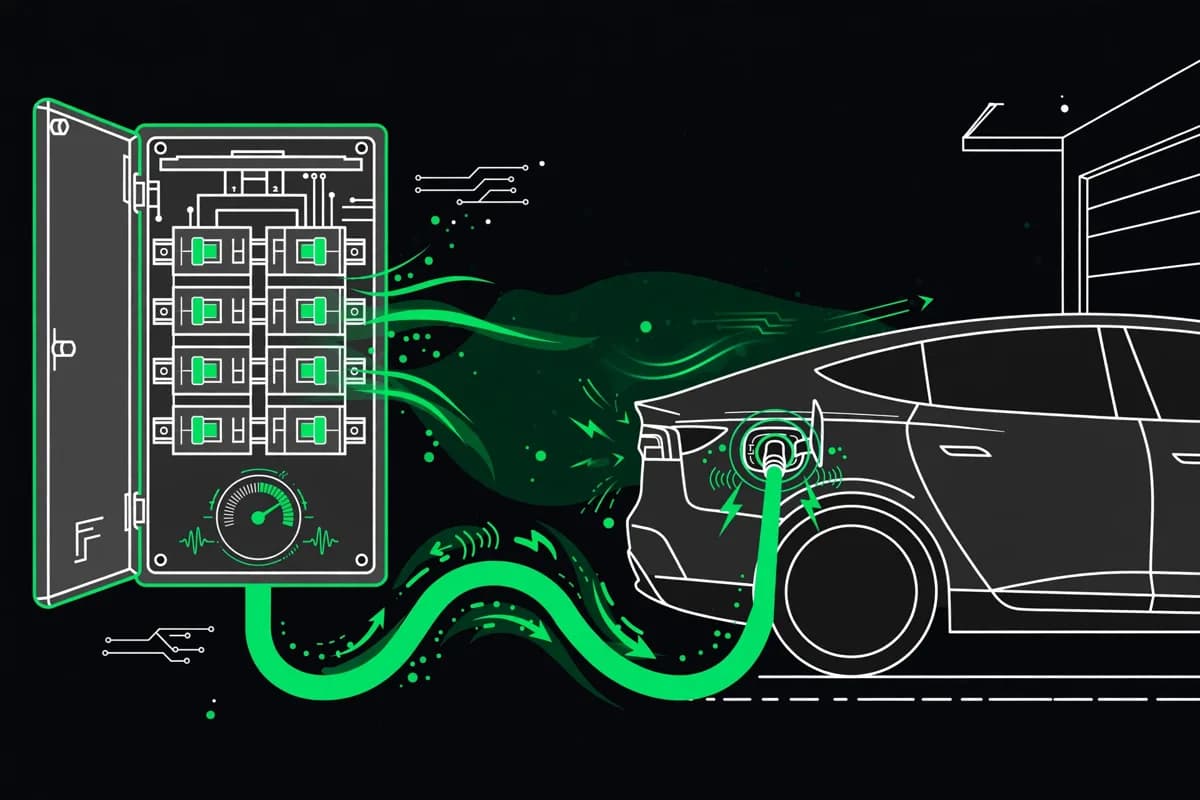
EV Charger Panel Upgrades Are Unnecessary for 70 to 80 Percent of Homes
A written load calculation settles the question for most homes because 70 to 80 percent of Level 2 installs need no panel upgrade at all.
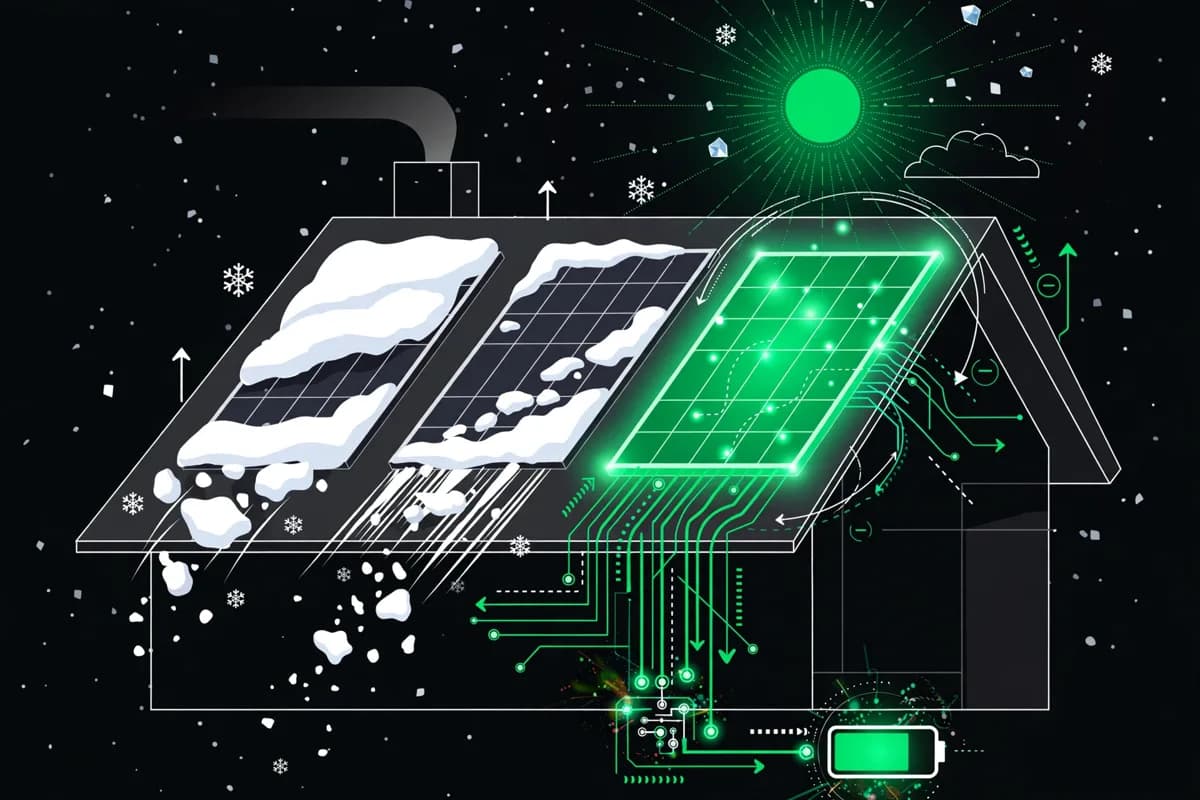
Solar Panels in Winter Keep Working in Cold and Snow With One Costly Exception
Cold air lifts panel output while snow cover and short days cut winter production, and three snow-covered days on an 8 kW roof cost about…
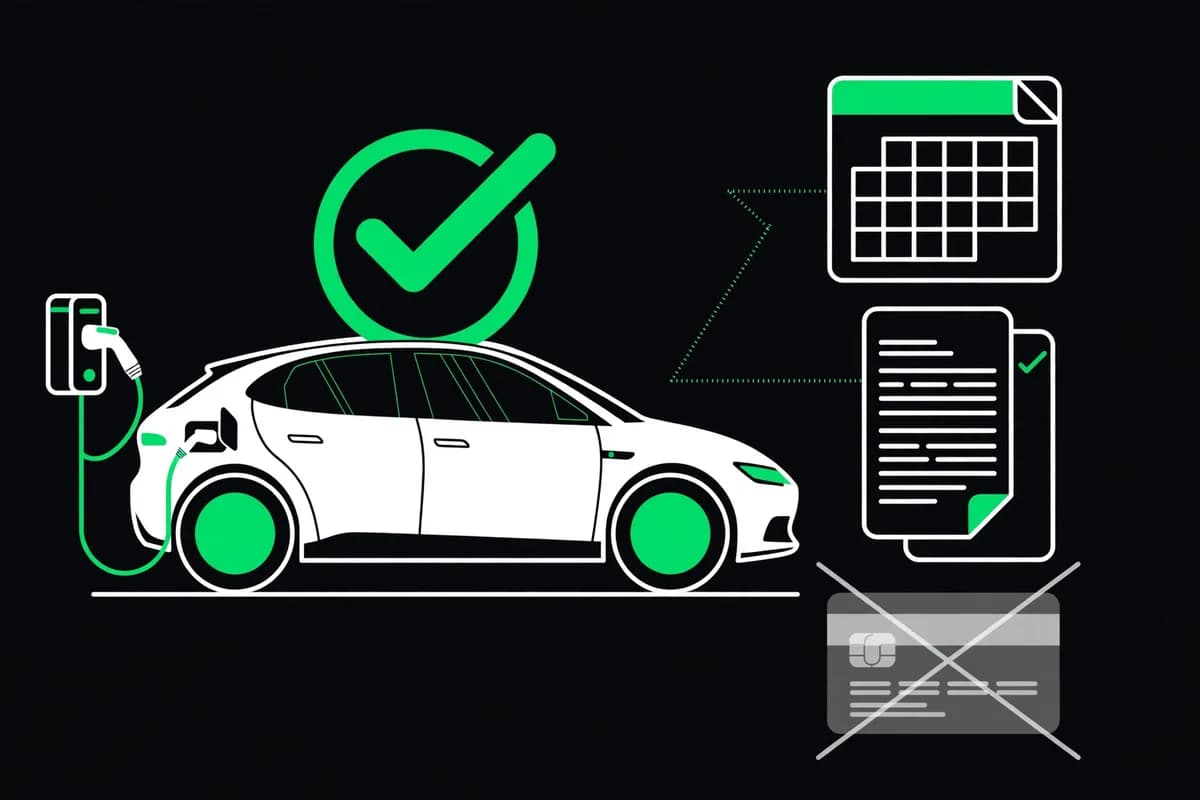
What EV Tax Credits Are Left in 2026 After the $7,500 Credit Ended
No federal EV purchase credit remains in 2026. The surviving federal break is a loan-interest deduction worth a few hundred dollars a year…
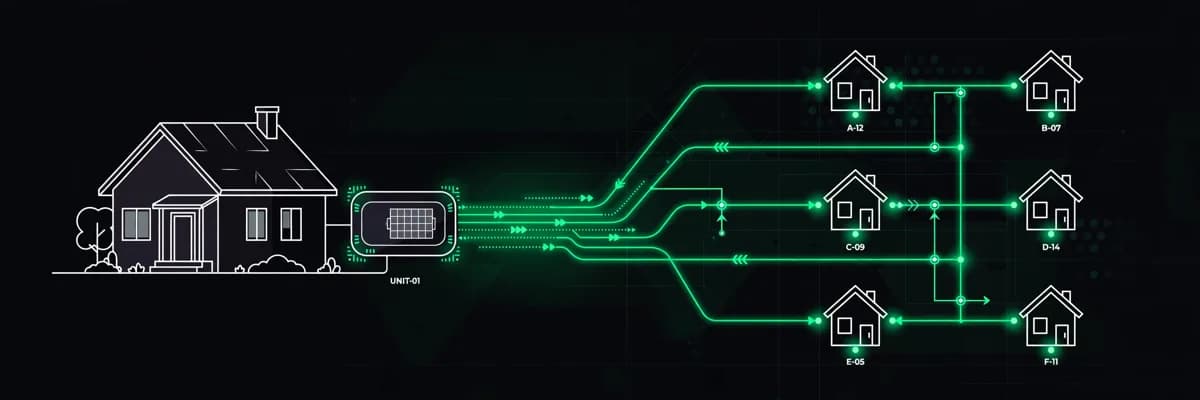
Joining a Virtual Power Plant Pays Home Battery Owners $75 to $400 a Year in 2026
A virtual power plant pays a typical home battery owner $75 to $400 a year, but the 20 to 30 percent backup reserve and extra cycling mean…