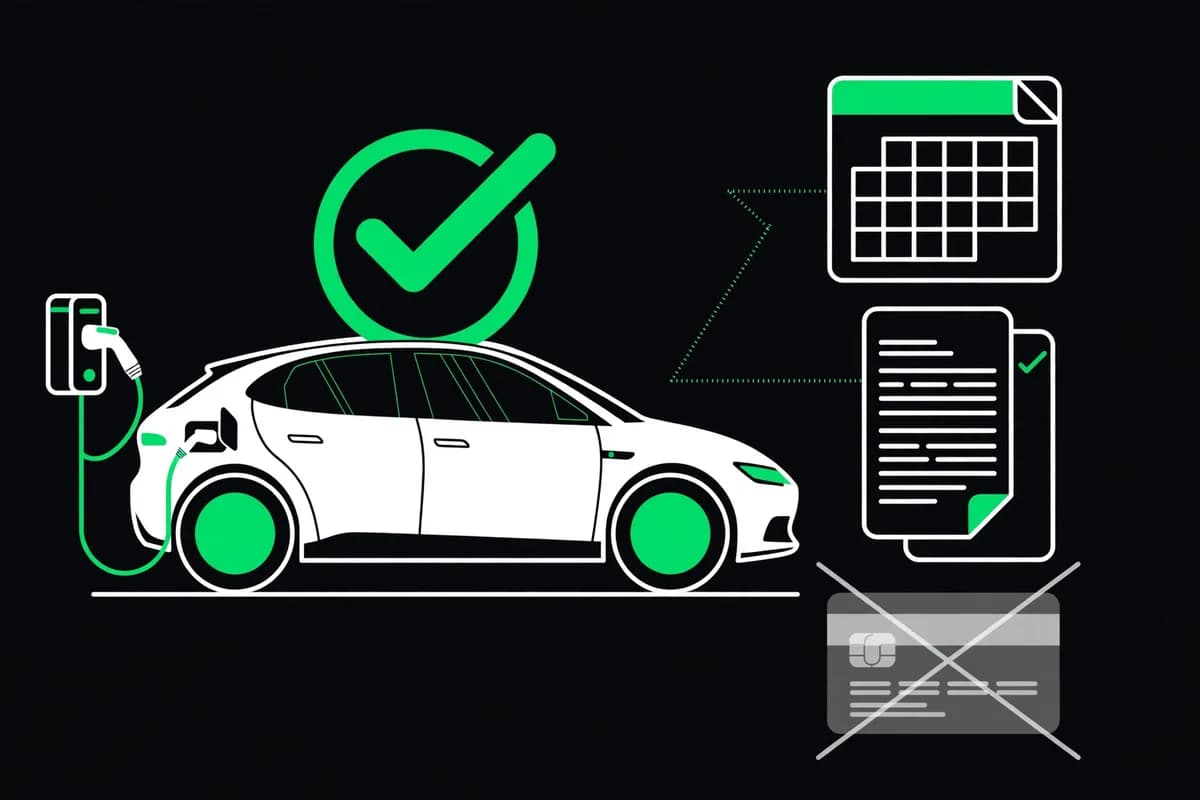
- There is no federal EV purchase credit in 2026. The $7,500 new-vehicle credit and the $4,000 used-vehicle credit ended for vehicles acquired after September 30, 2025.
- The 30% home-charger credit ended for property placed in service after June 30, 2026, with a $1,000 cap for homes.
- The surviving federal break is a deduction of up to $10,000 a year in car-loan interest for a new, US-assembled personal vehicle, running through tax year 2028.
EV tax credit 2026: A shorthand buyers still use for federal support when buying an electric car. In 2026 the purchase credits are gone. What remains at the federal level is a loan-interest deduction that applies to qualifying new US-assembled cars of any powertrain, plus state and utility rebates that vary by location.
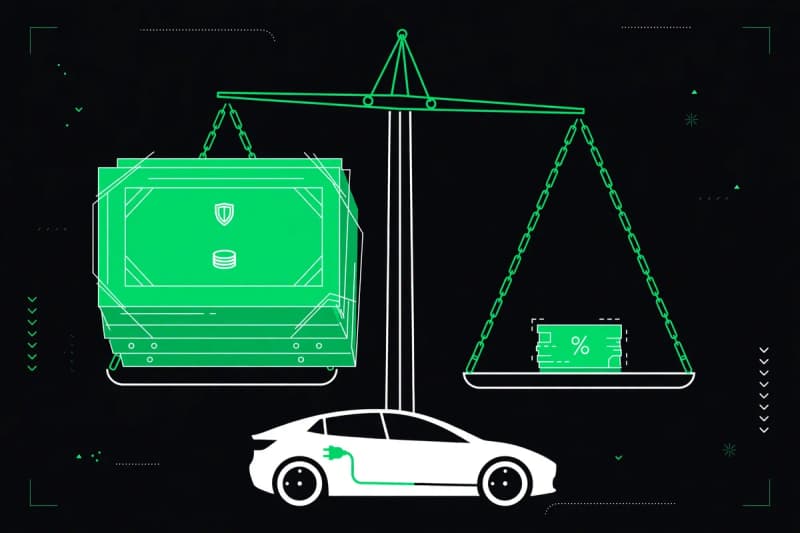
Take a $50,000 US-assembled electric car financed at 7% over five years. First-year interest comes to roughly $3,350, and at the 22% tax bracket that deduction is worth about $737. The old $7,500 purchase credit was worth more than ten times that first-year figure. That single comparison frames the whole 2026 market. The federal government stopped paying buyers to choose an electric car, and now offers a smaller, broader break for financing any qualifying new American-built car.
The change came from the One Big Beautiful Bill Act, signed July 4, 2025. It terminated three clean-vehicle credits for vehicles acquired after September 30, 2025. The new clean vehicle credit under section 30D, worth up to $7,500, ended on that date. The previously owned clean vehicle credit under section 25E, worth up to $4,000 for cars priced under $25,000, ended the same day. The commercial clean vehicle credit under section 45W, worth up to $7,500 for light vehicles and up to $40,000 for heavier commercial vehicles, also ended. Leasing companies had passed the commercial credit through as a discount, which is why the end of section 45W closed the lease route that many buyers used for imported models.
What ended, and the exact dates that matter
The cutoff turns on acquisition date. It does not turn on the tax year in which a buyer files. A vehicle acquired on or before September 30, 2025 could still qualify under the old rules, subject to income limits, price caps and vehicle eligibility. A vehicle acquired on October 1, 2025 or later gets no federal purchase credit, even if it is the same model that qualified a day earlier. The IRS guidance carries one narrow exception for a binding written contract with a payment made on or before September 30, 2025. Buyers who think they fall in that exception need the contract and payment records, since the exception is documented rather than assumed.
Home charging followed nine months later. The alternative fuel vehicle refuelling property credit covered 30% of charger equipment and installation, up to $1,000 for a home, for property placed in service through June 30, 2026 in an eligible census tract. A charger installed after that date gets no federal credit. A charger placed in service before the deadline can still be claimed on the 2026 return, which matters for buyers who installed early in the year and have not yet filed.
| Federal item | Old value | Last qualifying date | Status in 2026 |
|---|---|---|---|
| New clean vehicle credit, section 30D | Up to $7,500 | Acquired by September 30, 2025 | Ended |
| Used clean vehicle credit, section 25E | Up to $4,000 | Acquired by September 30, 2025 | Ended |
| Commercial clean vehicle credit, section 45W | Up to $7,500 light vehicles | Acquired by September 30, 2025 | Ended |
| Home charger credit, section 30C | 30%, up to $1,000 for homes | Placed in service by June 30, 2026 | Ended |
| Car-loan interest deduction | Up to $10,000 interest per year | Tax years 2025 through 2028 | Active, applies to all qualifying powertrains |
How the surviving loan-interest deduction works
The deduction covers interest paid on a loan for a new personal-use vehicle with final assembly in the United States. It runs for tax years 2025 through 2028 and can be claimed whether or not a taxpayer itemizes, according to IRS guidance. The vehicle must be new, meaning the buyer is the first owner, and it must weigh under 14,000 pounds. Leases do not qualify, used vehicles do not qualify, cash purchases produce no interest to deduct, and vehicles assembled outside the United States do not qualify even if the brand is American.
Two limits shape the value. The deduction is capped at $10,000 of interest per year, and it phases out above $100,000 of modified adjusted gross income for single filers and $200,000 for joint filers, disappearing entirely at $150,000 single and $250,000 joint. Treasury and the IRS finalized regulations on September 8, 2026, and those rules state that interest on negative equity rolled over from a trade-in does not count. Only interest tied to the purchase price of the qualifying vehicle counts, so a loan padded with old debt produces a smaller deduction than its headline balance suggests.
The worked math shows why the deduction feels small next to the old credit. A $50,000 loan at 7% generates about $3,350 of interest in year one, worth about $737 at the 22% bracket and about $402 at the 12% bracket. A buyer in the 22% bracket who pays $10,000 of interest in a year, which requires a much larger loan or a higher rate, would save $2,200. Even that maximum annual saving is a deduction, so its cash value depends on the buyer’s bracket, while the old $7,500 credit reduced tax dollar for dollar. Buyers should run their own bracket against their actual loan schedule rather than treating the $10,000 cap as $10,000 of savings.
What state and utility programmes still offer
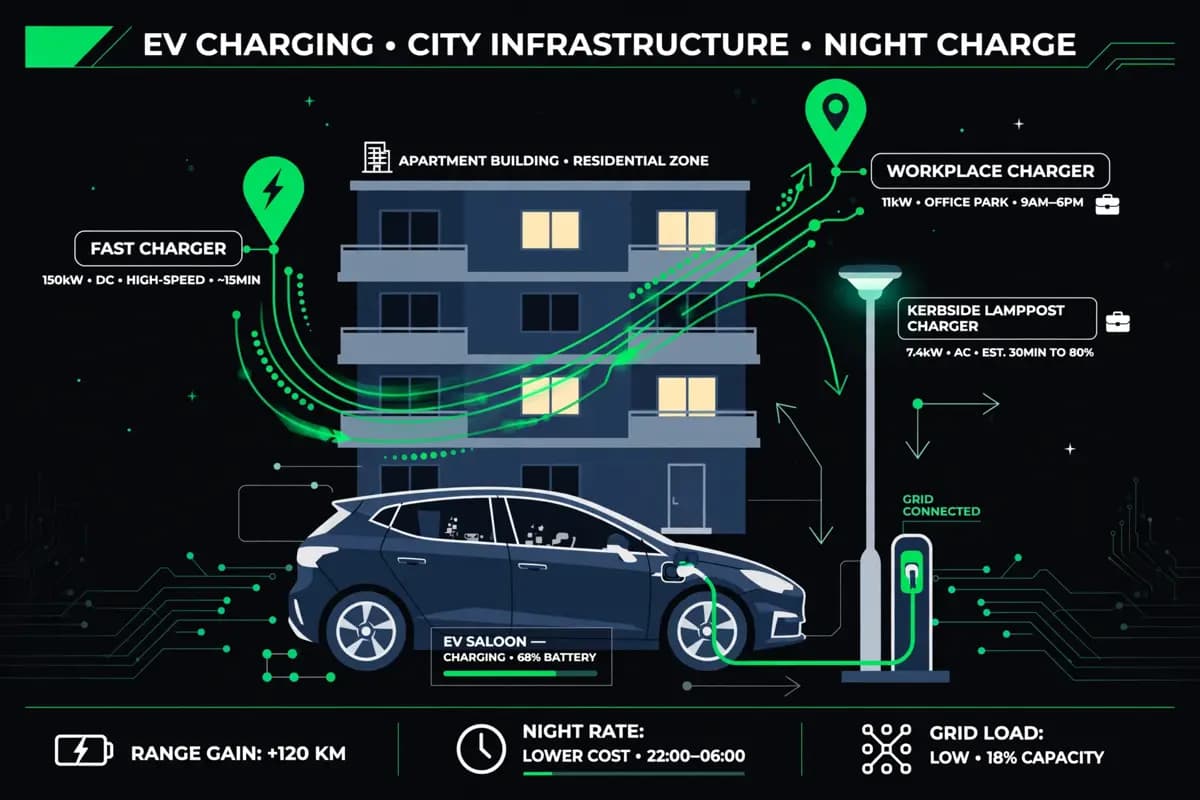
State and utility incentives are now the main game for EV buyers, and they vary sharply by location. Some states offer rebates at purchase, some offer tax credits, and some offer neither. Utility programmes can add charger rebates or off-peak charging rates that cut running costs even where no purchase rebate exists. Our guide to Level 2 home charger installation costs in 2026 sets out the charger side of the bill, and our data on how long EV batteries actually last covers the long-term cost that a rebate never touches.
Three checks should come before any purchase decision based on a state programme. First, confirm whether the incentive is a point-of-sale rebate or a tax credit claimed later, since the cash timing differs. Second, confirm whether the programme covers the specific model and trim, since many programmes cap prices or restrict eligibility by assembly location. Third, confirm the programme’s funding status, since state rebates can be paused or exhausted mid-year. A programme listed on a dealer’s website in January may be closed by the time a car is delivered in June.
How to price an EV under EV tax credit 2026 rules
The honest 2026 calculation has four lines. Start with the negotiated price, with no federal credit subtracted. Add financing cost net of the loan-interest deduction at the buyer’s own bracket, using the actual loan schedule. Add the charger and installation cost with no federal credit, unless the charger was placed in service before June 30, 2026. Then subtract any state or utility rebate that is confirmed as funded and applicable to that exact vehicle. A buyer who skips any of those lines will overstate the saving.
| Cost line for a $50,000 US-assembled EV | 2026 treatment | Illustrative value |
|---|---|---|
| Purchase price | No federal credit | $50,000 |
| Year-one loan interest at 7% | Deductible up to $10,000 per year | About $3,350 interest |
| Year-one tax saving at 22% bracket | Deduction value, scaled by tax bracket | About $737 |
| Home charger and installation | No federal credit after June 30, 2026 | Full cost to buyer |
| State or utility rebate | Varies by location and model | Confirm before purchase |
That math also reframes the used market. The $4,000 used-vehicle credit is gone, so a used EV now competes on price, battery health and remaining warranty alone. Battery health data matters more than it did when a credit softened the price, which is why a state-of-health report should be part of any used purchase. The loan-interest deduction does not help used buyers at all, since it covers new vehicles only. A used buyer who was counting on a federal break needs to reprice from the sticker and set 2025 guides aside.
One caution applies to every figure in this article. Tax rules depend on individual circumstances, and the final regulations for the loan-interest deduction took effect November 9, 2026 for administrative purposes while applying to interest paid since the 2025 tax year. Buyers with a binding-contract exception, a trade-in with negative equity, or income near a phaseout threshold should confirm their position with a tax professional before relying on any number here. Treat this article as general information on the structure of the law.
Sources: One Big Beautiful Bill Act termination dates and section 30D, 25E and 45W values as reported by EV Digest and EV-Global with IRS guidance cited; home-charger credit deadline and $1,000 cap as reported by EV Digest; loan-interest deduction cap, phaseout thresholds, tax years and final regulation date as reported by EV Digest and Saving to Invest with Treasury and IRS regulations cited.
Frequently asked questions
Is there a federal EV tax credit in 2026?
No. The $7,500 new-vehicle credit and the $4,000 used-vehicle credit ended for vehicles acquired after September 30, 2025, and the home-charger credit ended for property placed in service after June 30, 2026.
What federal tax break can EV buyers still claim in 2026?
Buyers of a new, US-assembled personal vehicle can deduct up to $10,000 a year in loan interest for tax years 2025 through 2028, subject to income phaseouts. The deduction is not EV-specific and does not cover leases, used vehicles or cash purchases.
Does the car-loan interest deduction require itemizing?
No. IRS guidance states the deduction is available whether or not a taxpayer itemizes. Claimants need the vehicle identification number and the lender’s annual interest statement, Form 1098-VLI.
Can I still claim the EV credit if I bought before the deadline?
Vehicles acquired on or before September 30, 2025 can still qualify under the old rules, subject to income limits, price caps and eligibility. A binding written contract with a payment made on or before that date is the narrow exception for later delivery.
Do state EV rebates still exist in 2026?
Yes, in many states, but amounts, eligibility and funding status vary widely. Confirm that a rebate applies to the exact model, that it is funded at the time of purchase, and whether it is paid at sale or claimed later.