- Ofgem will launch an offshore transmission tender on 21 October 2026 seeking an owner for the export assets of Ørsted’s 2.9 GW Hornsea 3, estimated at around £3.5 billion.
- The round is the largest Offshore Transmission Owner (OFTO) competition to date: the package includes two offshore converter stations, export cables and an onshore converter in Norfolk.
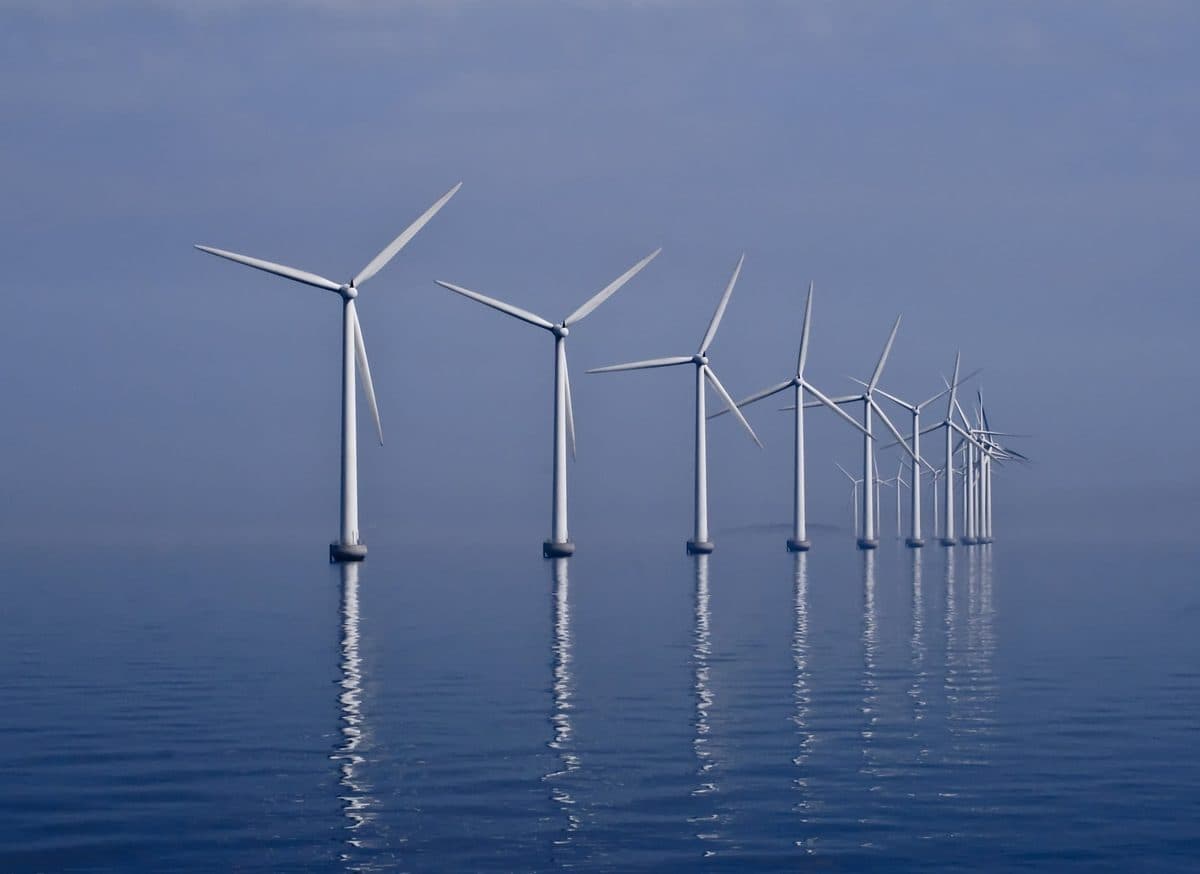
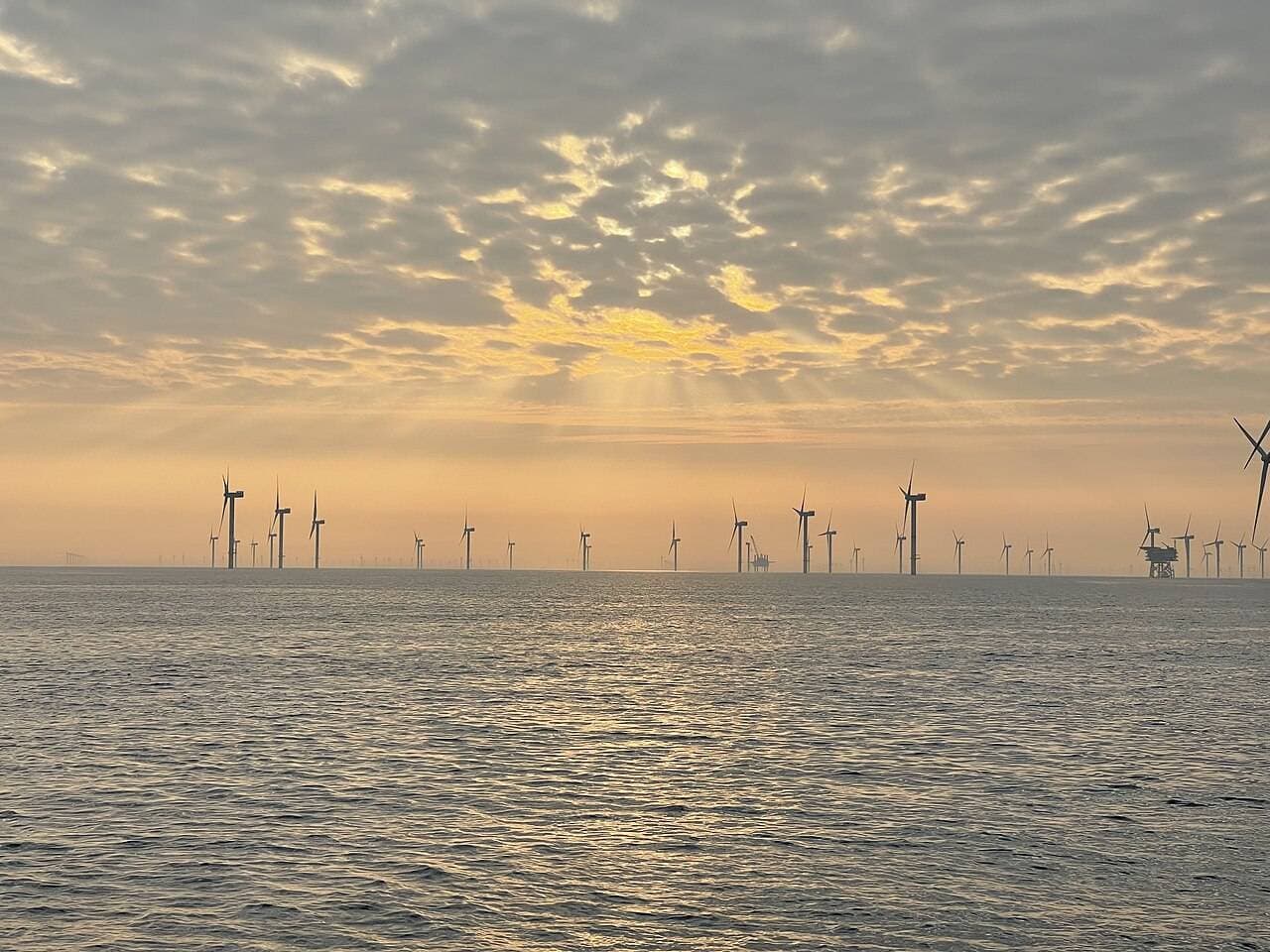
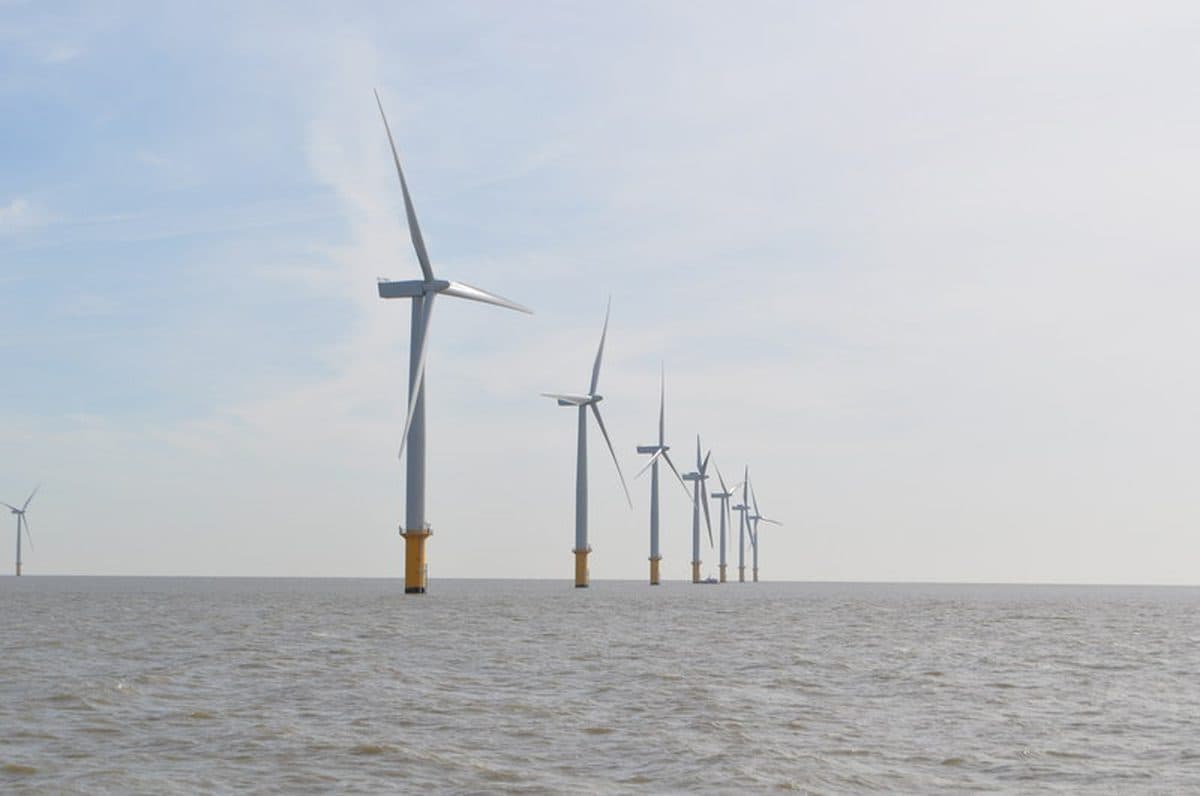
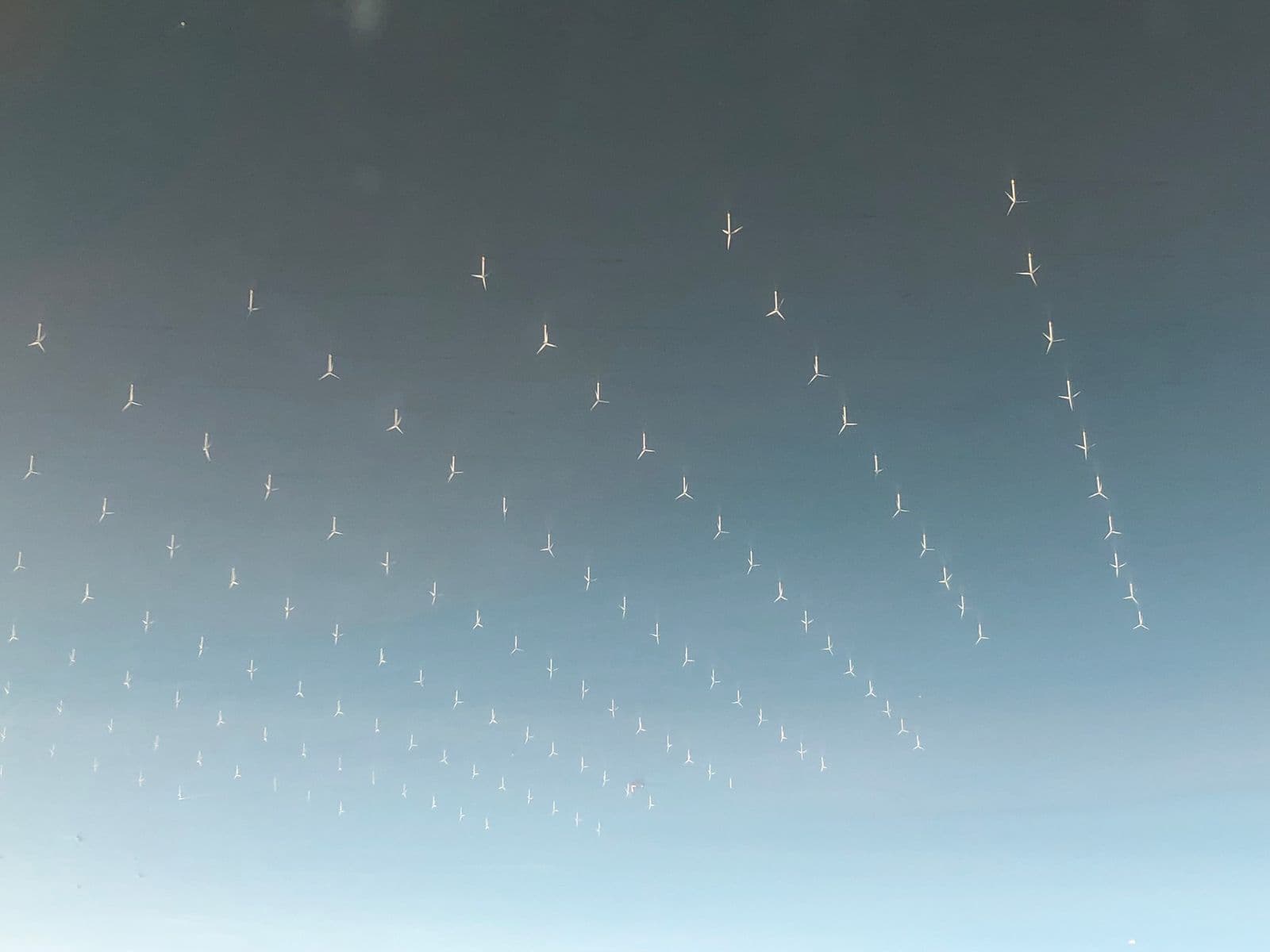
- Hornsea 3, with 197 Siemens Gamesa 14 MW turbines about 120 km off the Norfolk coast, is expected to enter operation in 2027.
The UK’s energy regulator is about to auction off the largest set of power lines in offshore wind history. Ofgem will launch a tender round on 21 October 2026 seeking an owner for the transmission infrastructure of Ørsted’s 2.9 GW Hornsea 3 offshore wind farm, and at an estimated £3.5 billion (approximately €4 billion), the Hornsea 3 offshore wind transmission round would be the largest Offshore Transmission Owner (OFTO) competition ever run. The record is striking for a simple reason: the previous round needed three wind farms to reach that number. Hornsea 3 matches it alone, according to offshorewind.biz’s reporting and reNEWS.biz’s confirmation of the tender date.
Under the OFTO regime, the developer builds the export infrastructure (the cables, converter stations and grid connections that carry electricity from sea to shore), and then a licensed transmission owner buys the assets and operates them for a long-term regulated revenue stream. It is, in effect, how Britain has financed the wires behind its offshore wind boom: developers recycle capital out of finished transmission and back into new turbines, while pension funds and insurers get inflation-linked returns from operating assets.
Hornsea 3 offshore wind transmission: what the £3.5B buys
The package is a complete export system. It comprises two offshore converter stations, both installed by September 2026; offshore export cables, the first of which was laid and pulled ashore early this year; plus onshore cables and a converter station in Norfolk connecting the wind farm to the national grid. Ofgem confirmed Ørsted has met the regulatory requirements for the tender’s launch, including the payment and security provisions, the last administrative gate before the competition opens.
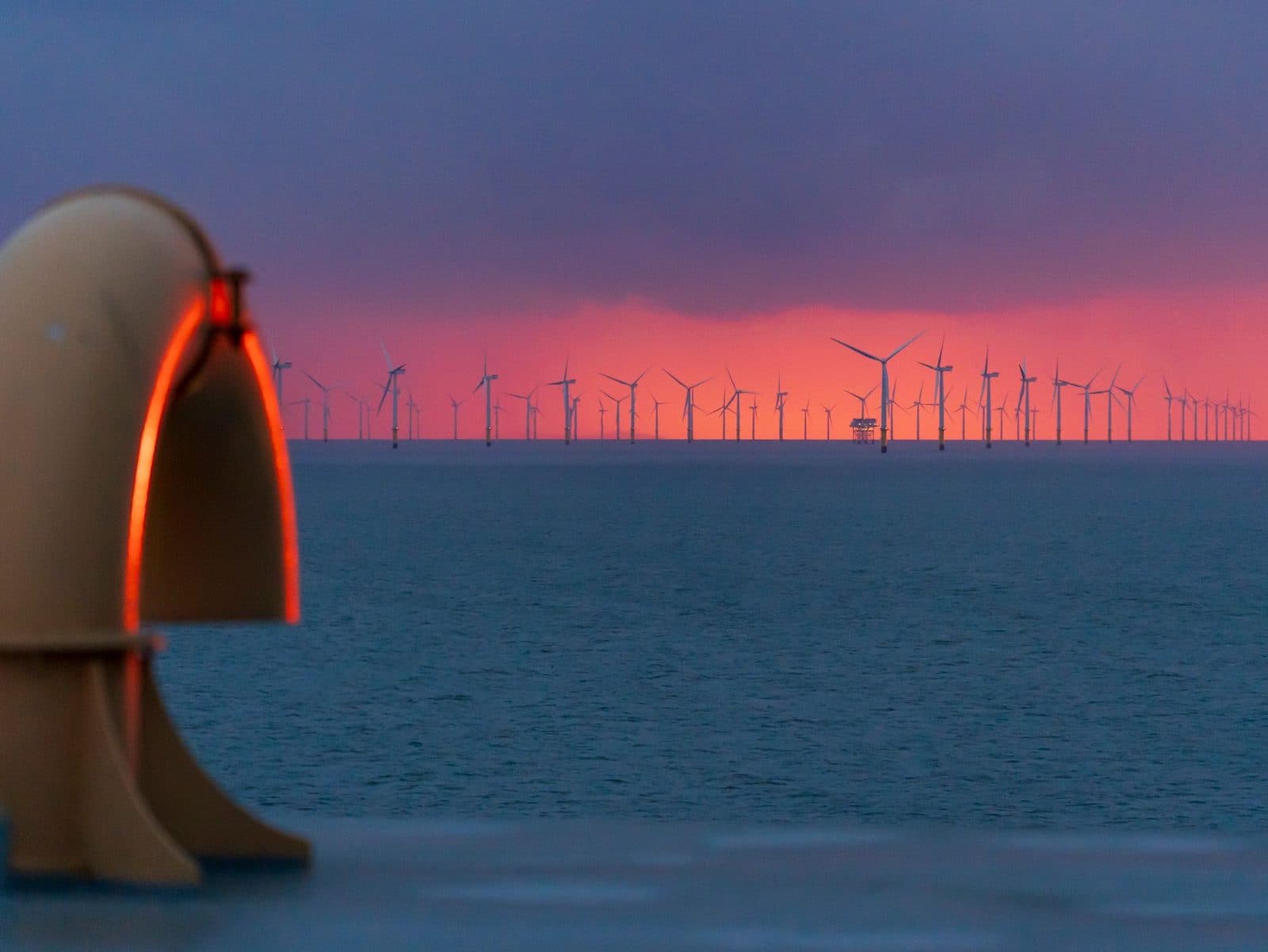
The project behind the wires is one of Europe’s defining offshore builds. Located around 120 kilometres off the Norfolk coast, Hornsea 3 will comprise 197 Siemens Gamesa 14 MW turbines. Foundation installation began earlier this year, inter-array cable installation is scheduled to start in October 2026, and the project is expected to enter operation in 2027. For the anatomy of how these 14 MW-class machines convert wind into grid power, see our guide to how wind turbines work.
Why £3.5B of Cables Tests the OFTO Model at Record Scale
The arithmetic tells the real story. Ofgem’s previous round (Round 13) covered the transmission assets for East Anglia THREE, Inch Cape and Dogger Bank C at a combined estimated value of £3.5 billion. Round 14, for Hornsea 3 alone, is estimated at the same figure. One asset now equals a former three-project record.
| Item | Round 13 | Round 14 (Hornsea 3) |
|---|---|---|
| Projects | East Anglia THREE, Inch Cape, Dogger Bank C | Hornsea 3 alone |
| Estimated value | £3.5 billion combined | ~£3.5 billion (≈€4 billion) |
| Capacity | Three mid-size farms | 2.9 GW, 197 turbines |
| Revenue period | Long-term regulated revenue stream under licensed ownership | |
| First power through the cables | 2027 | |
That is partly inflation and the rising cost of building at sea, but mostly it is scale: a single 2.9 GW project with 197 of the world’s largest commercial turbines carries more export infrastructure value than three mid-size farms combined.
The structure of the deal is as significant as its size. The OFTO regime exists precisely because these sums keep growing: by selling finished transmission to regulated investors with long-term, inflation-linked revenues, developers de-risk the balance sheet and keep giant projects financeable even when supply-chain costs and financing rates strain everything else. A £3.5 billion single-round tender says institutional appetite for UK offshore assets is not merely intact. It is concentrating, with ever-larger blocks of capital chasing ever-larger projects.
The week’s other offshore headlines point the same way. Dogger Bank B has passed the halfway mark with 49 of its 95 turbines installed, keeping the world’s largest offshore wind farm on schedule, while Copenhagen Infrastructure Partners just bought a quarter of the 1,080 MW Five Estuaries project, the same pattern of deep-pocketed investors committing to consented gigawatt-scale assets. “Recently, we’ve seen how geopolitical events can impact both energy security and investments. Ofgem’s OFTO regime not only helps boost British energy security but also offers investors a safe and steady asset for their portfolios,” Beatrice Filkin, Ofgem’s Director of Major Projects, said of the OFTO regime earlier this year. A framing the Hornsea 3 round, as the largest yet, now tests at unprecedented scale.
Note the caveat the other direction: record-size tenders also mean record-size execution risk for whoever wins. Operating £3.5 billion of subsea cables and converter platforms for 20-plus years is an asset-management challenge, not just a financing one. The winning bidder will price that, and Ofgem’s revenue settlement will reflect it.
Tender Timeline: From Launch to a Late-2027 Handover
The tender opens on 21 October. Expect the usual multi-stage competition: pre-qualification, competitive bidding, and then Ofgem’s selection of the preferred bidder, with the asset transfer typically following months after. The deeper milestone sits further out: Hornsea 3 itself entering operation in 2027, when nearly 3 GW of new capacity starts flowing through these very cables, and the new owner’s regulated revenue stream starts earning. In a year when UK offshore wind final investment decisions have been scarce, a £3.5 billion vote of confidence in the sector’s plumbing may matter as much as any turbine announcement.