- Ignitis Group has proposed postponing its planned 700 MW Lithuania offshore wind farm: a National Audit Office assessment found construction costs up 27% since 2023 to €2.8bn as projected returns fell 40%, a National Audit Office assessment found.
- Poland’s Baltic Power, a 1.1 GW project in the same sea, finished installing all 76 turbines, sent first power to the grid in July 2026 and stays on track for commercial operation this year, with costs aligned with original expectations.
- Our arithmetic: Ignitis’s figures imply €4,000 of capital per installed kilowatt, while Baltic Power’s numbers imply a 41.5% capacity factor; the comparison shows what separates winners from stalled projects.
Lithuania offshore wind plans have hit their most serious setback yet. State-controlled Ignitis Group has proposed postponing its planned 700 MW offshore wind farm in the Baltic Sea, estimated at €3bn, as rising construction expenses and uncertain commercial viability force a rethink of the country’s biggest renewable project, according to a Newsbase report on the Ignitis postponement proposal, carried by Wind Watch and based on Lithuanian agency BNS reporting on 21 October.
Ignitis and its renewables subsidiary intend to ask Lithuania’s Energy and Finance ministries to revise the development timetable while keeping the option of restarting construction when market conditions improve. The ministries are expected to decide the project’s future by the end of 2026.
Lithuania offshore wind faces a 27% cost rise and delay
A National Audit Office assessment found that construction costs had risen 27% since 2023, reaching €2.8bn, while projected investment returns had fallen by 40%. Ignitis Renewables invested €60.3mn between 2023 and 2025, but the project has yet to secure long-term electricity purchase agreements with major consumers, a gap that leaves its future revenues uncertain. The original commercial operation target of 2030 could now slip by as much as five years, although Ignitis plans to continue preparatory work, including securing a construction permit in 2027.
“Lithuania needs to increase its power generation capacity from stable renewable sources, and offshore wind is one of the most stable. However, it is important to choose a path for the further development of the offshore wind farm project that creates the greatest value while best serving the state’s interests,” Ignitis Group CEO Darius Maikstenas said, BNS reported. The company has outlined three scenarios: suspending development, attracting international partners and European funding, or proceeding with construction at the expense of higher electricity tariffs. Lithuanian politicians are also growing sceptical. Former Energy Minister Zygimantas Vaiciunas described the original development strategy as a mistake, while Prime Minister Mindaugas Sinkevicius has ruled out pursuing economically unjustified state projects. A separate tender for another 700 MW offshore wind farm failed to attract sufficient competition.
Poland’s Baltic Power completes all 76 turbines on budget and on time
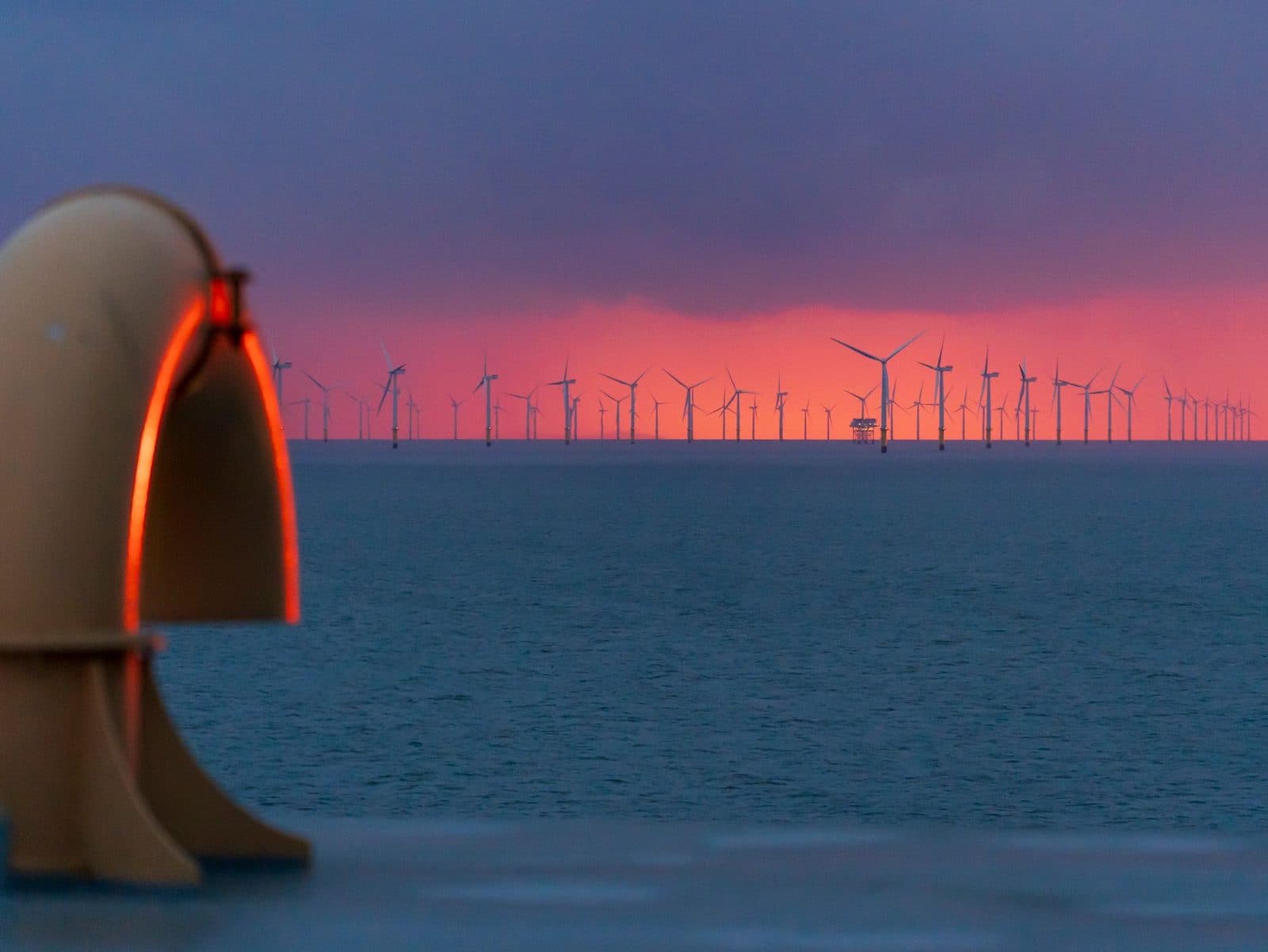
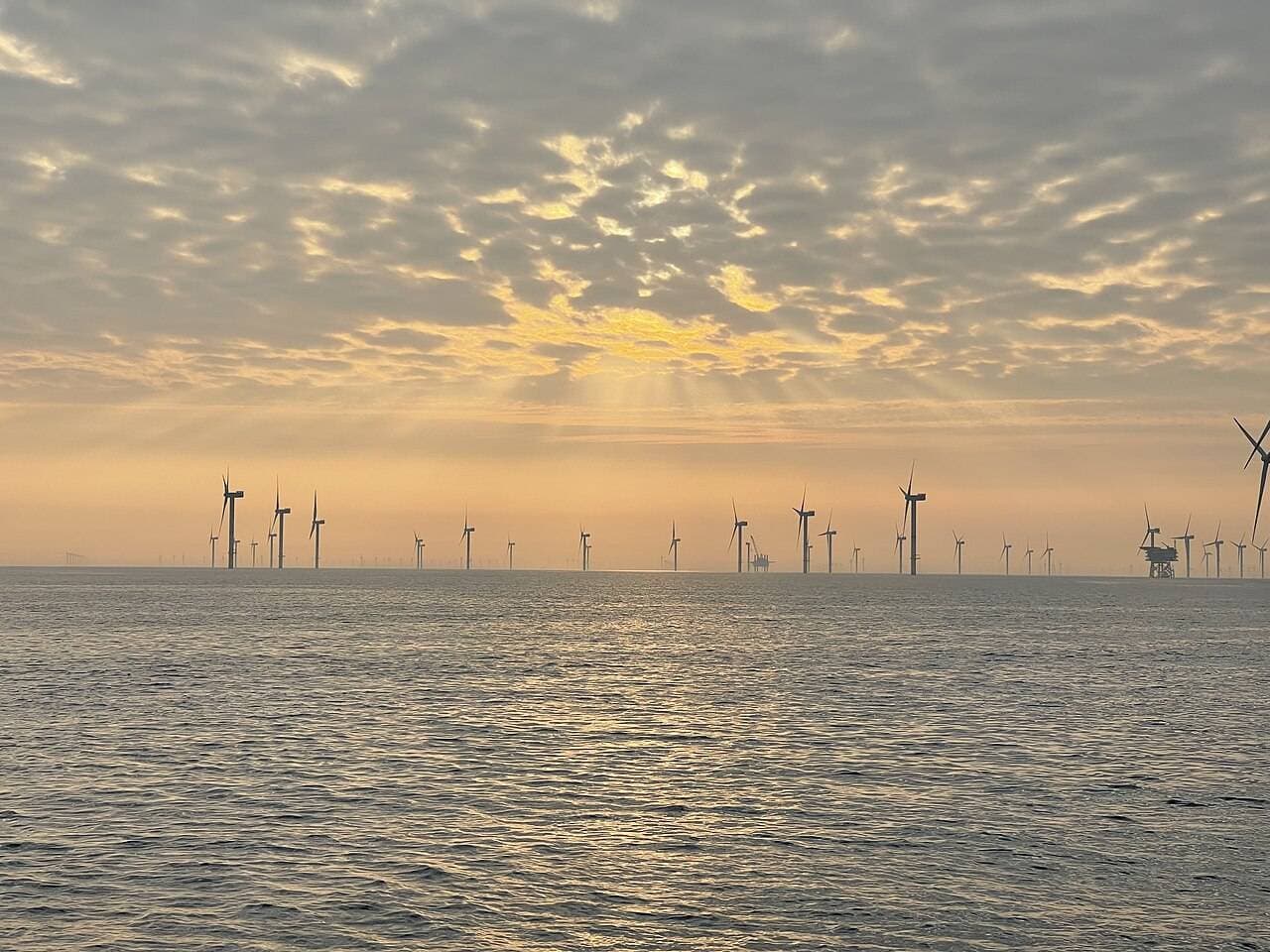
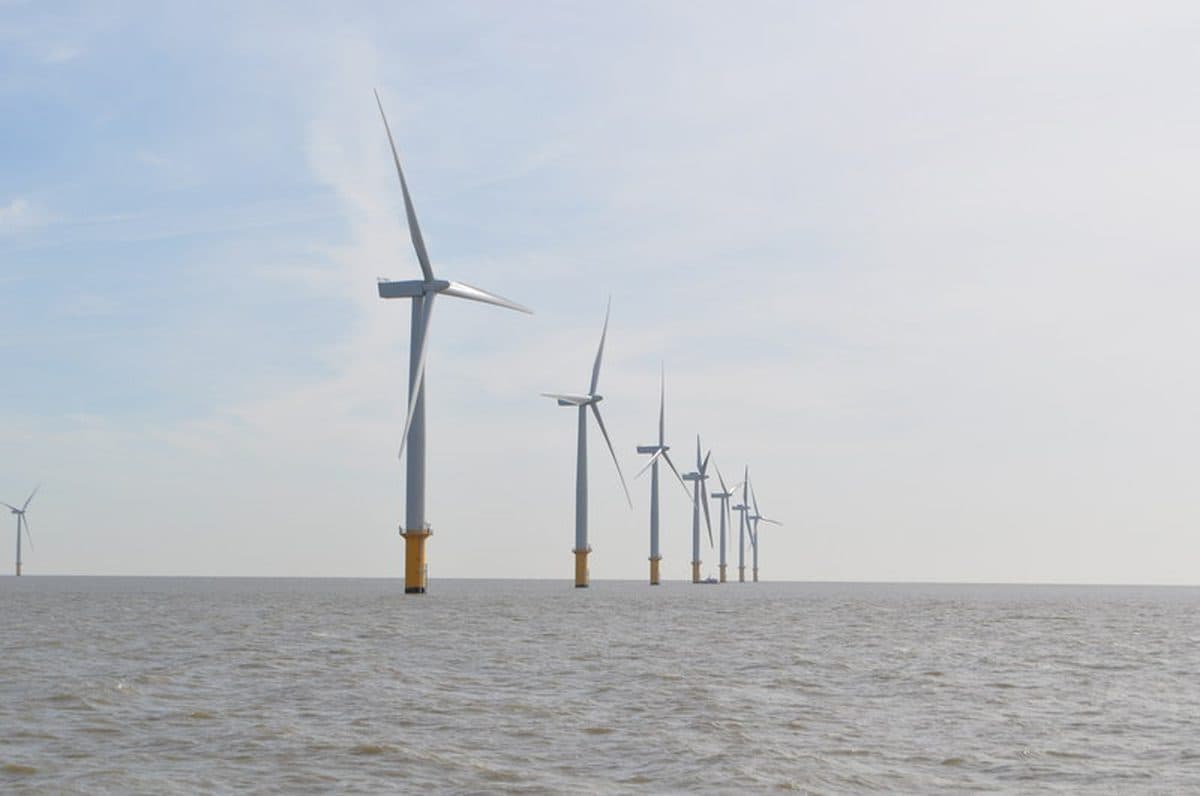
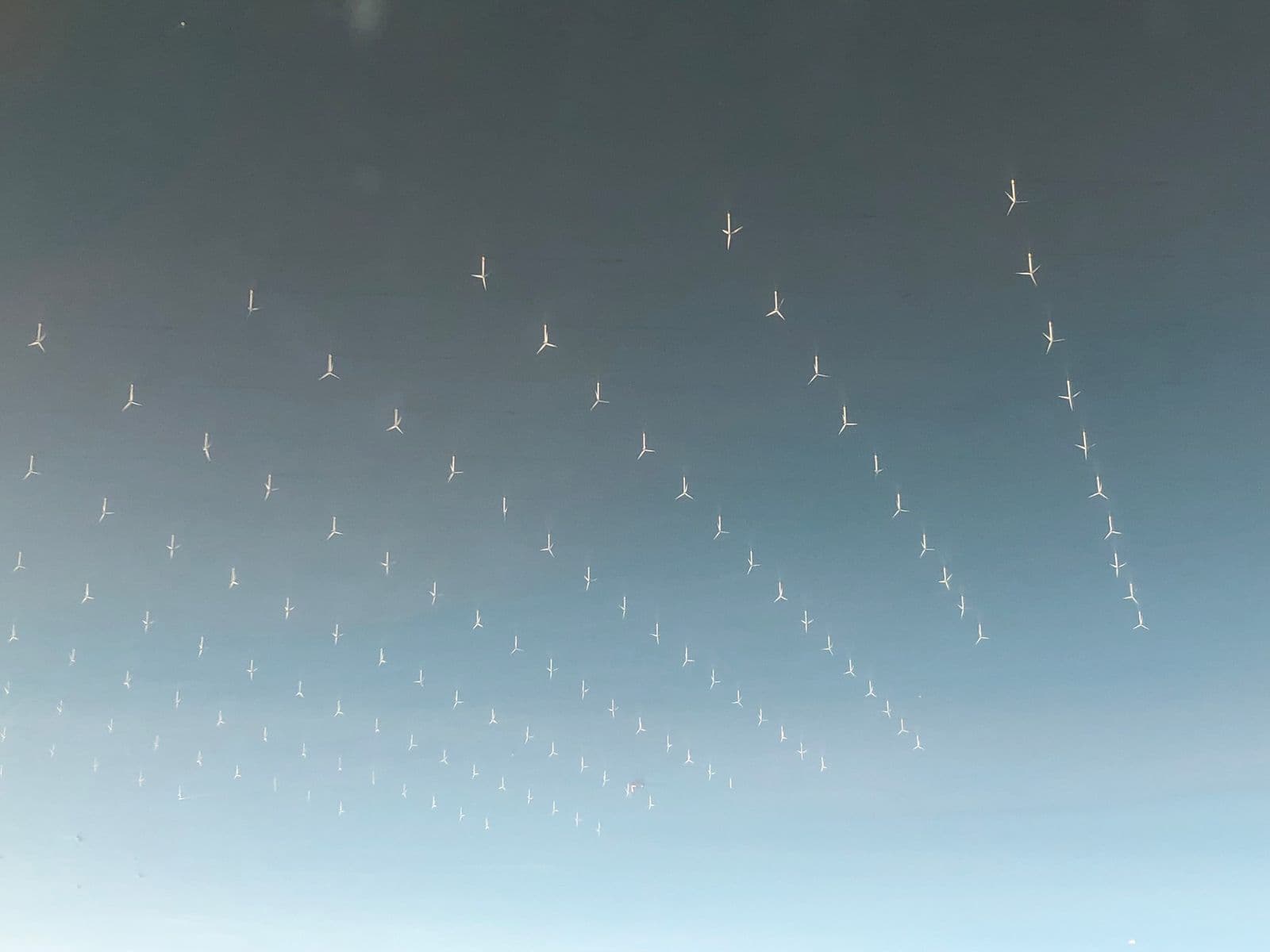
Across the same sea, the story reads in reverse. Northland Power announced on 7 October that installation of all 76 turbines at Baltic Power, the 1.1 GW project it jointly owns with Polish energy major ORLEN, is complete. The farm sent its first power to the Polish grid in July 2026, the first offshore wind electricity ever generated in Poland, and is now on track for commercial operations in 2026, with overall costs aligned with original expectations, Northland Power said in its October announcement on Baltic Power’s turbine installation completion.
Once operational, Baltic Power is expected to generate approximately 4 TWh of electricity annually, about 3% of Poland’s current electricity demand and enough to power more than 1.5 million Polish households. Critically, its revenue is underpinned by a 25-year contract-for-difference mechanism that provides contracted revenue certainty, the exact long-term revenue instrument Ignitis has failed to secure. “Installing all 76 turbines at Baltic Power demonstrates Northland’s ability to safely execute complex, large-scale offshore wind projects,” said Christine Healy, Northland’s president and chief executive. Joule Post covered the Baltic Power installation milestone in detail when the final turbine went in.
The arithmetic both projects must answer
The headlines tell two stories. The numbers tell one about capital discipline. Working from the figures each developer has published, here is the head-to-head that the Baltic offshore wind market will be studying.
| Project | Capacity | Status | Our calculation | Timeline | Revenue basis |
|---|---|---|---|---|---|
| Ignitis (Lithuania) | 700 MW | Postponement proposed; ministers decide by end 2026 | €2.8bn ÷ 700 MW = €4,000 per installed kilowatt; costs up 27% from ~€2.20bn in 2023; €60.3mn sunk (~2.2% of current estimate) | First power targeted 2030; could slip to ~2035; construction permit still targeted for 2027 | No long-term PPAs secured; one scenario is building at higher tariffs |
| Baltic Power (Poland) | 1.1 GW (76 turbines) | All turbines installed; over one-third already generating | 4 TWh ÷ (1.1 GW × 8,760 h) ≈ 41.5% implied capacity factor, or ~52.6 GWh per turbine per year; costs aligned with original expectations | First power July 2026; full commercial operations expected in 2026 | 25-year contract-for-difference |
The €4,000 per kilowatt implied by Ignitis’s own numbers is the figure that matters. Divide €2.8bn by 700 MW and each installed megawatt costs €4m. Three years ago the same division would have produced roughly €3,150 per kilowatt. That €850-per-kilowatt gap, about €600m on the whole project, combined with a 40% collapse in projected returns, is what broke the investment case. Meanwhile Baltic Power’s implied 41.5% capacity factor explains why its project still works: a 1.1 GW farm that actually converts two-fifths of its nameplate into electricity generates enough revenue hours to absorb the cost of building at sea. The relationship between turbine size, wind resource and output is worth understanding: our explainer on how wind turbines work walks through the capacity factor concept in detail.
What €4,000 per kilowatt says about the offshore wind cost crunch
This is the offshore wind cost crisis in miniature: the same turbines, the same sea, opposite outcomes, and the proposed Ignitis offshore wind delay is the starkest sign of how quickly the cost crunch bites when revenue certainty is missing.
Lithuania’s decision by the end of 2026 will signal how much the country values offshore wind as energy security rather than as a commercial bet. If the ministers suspend the project, the construction-permit work through 2027 keeps the option alive, but every year of delay raises the bar the eventual tariffs must clear. If they proceed, Lithuanian consumers will carry part of the €600m cost increase through higher tariffs, which one of Ignitis’s three scenarios proposes.
The wider lesson for the Baltic offshore wind pipeline is that projects without contracted revenue are now the first casualties of the cost crunch. The contract-for-difference that steadied Baltic Power through construction is also the model underpinning Germany’s efforts to make offshore wind earn premium revenue, such as Vattenfall’s record 200 MW balancing-power offer from the Veja Mate farm. Without that long-term price signal, €4,000 per installed kilowatt is not a number any finance ministry can ignore.